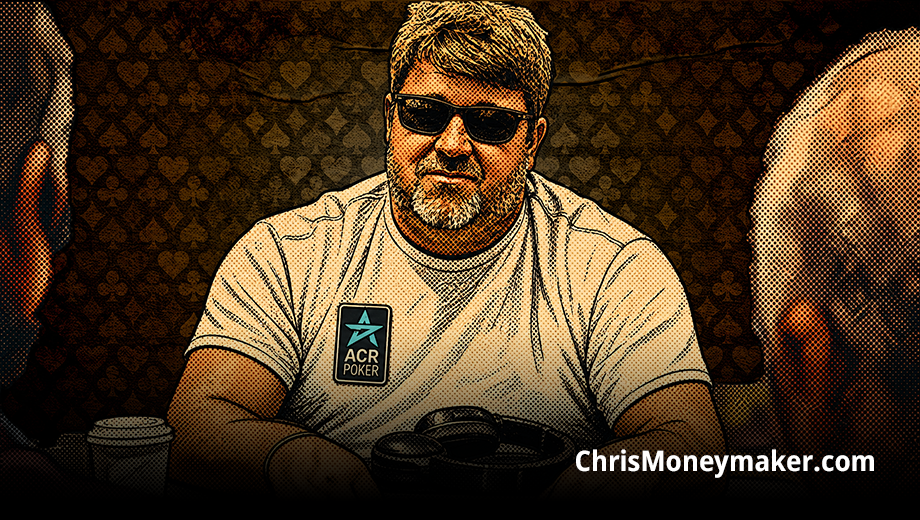

Every year I sit down for the Main Event, and every year I learn roughly the same lesson in a slightly different way. That’s not a complaint. Twenty-plus years in, the game keeps finding new ways to teach me something I thought I already knew.
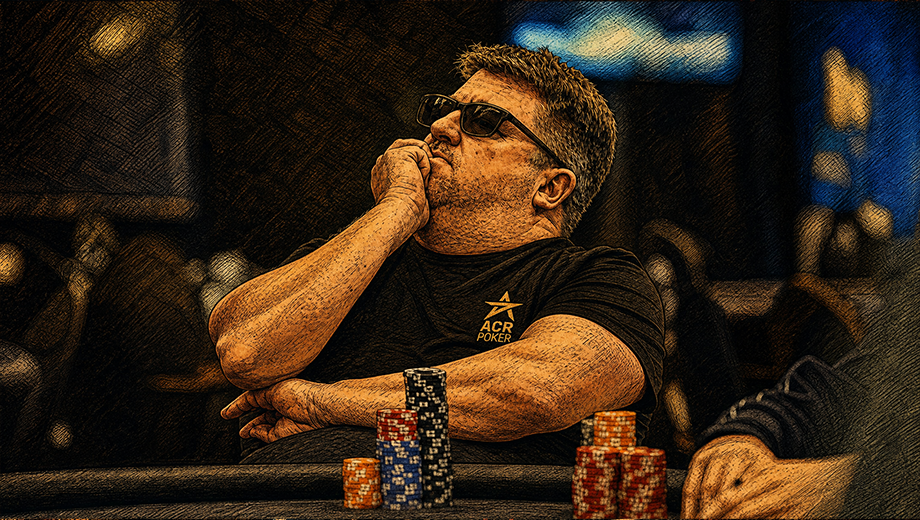
The Field Keeps Getting Better, and That’s Fine
An 18-year-old today can have more practical experience than Doyle Brunson got in his entire career, in six months. That’s not nostalgia talking — that’s just what online volume does. Every year I sit down across from players who’ve run through more hand histories than most of the legends I grew up hearing about ever saw. It used to be a little intimidating. Now it’s just the baseline. You adjust or you don’t.
What hasn’t changed is that reading people is still reading people. Solvers can tell you a range. They can’t tell you who’s tired, who’s tilted, or who’s about to make a decision out of fear instead of logic. That gap is where I still find my edge, year after year.
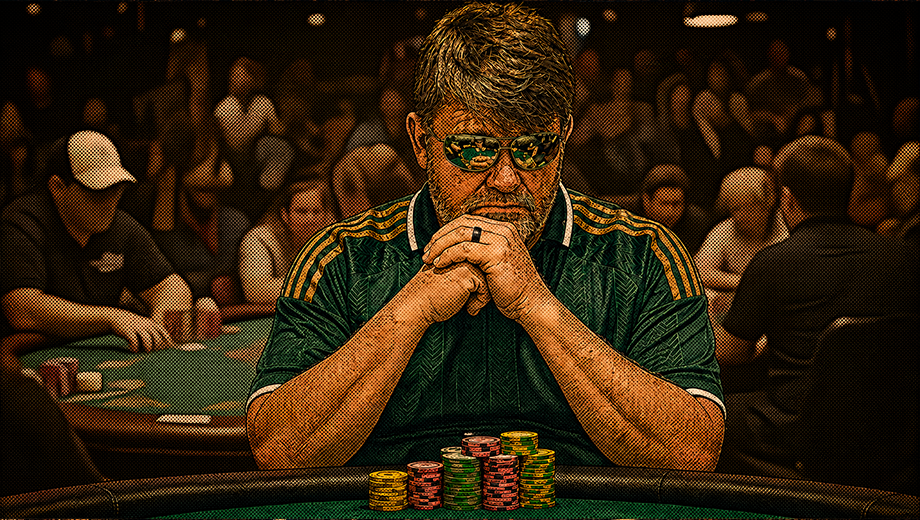
Day 1 Is Still Boring, and I’ve Stopped Fighting It
I used to think I should feel more engaged early on. I don’t, and I’ve made peace with that. Day 1 of a big field is patience management, not poker mastery. The real accumulation happens on Day 2 and beyond, once you’ve got enough information on the table to actually use it. Every year I relearn that trying to force excitement into Day 1 just gets you into unnecessary spots.

I Still Underestimate How Much I Don’t Know About the People Across From Me
Going into 2003, I only knew three names in the entire field. I didn’t know who Phil Ivey was until after I’d already busted him. Every year since, I sit down next to someone I don’t recognize, and every year I get reminded that not knowing someone’s résumé doesn’t mean you can’t read their hands. The scariest players aren’t always the famous ones. Sometimes they’re the quiet ones nobody’s talking about yet.
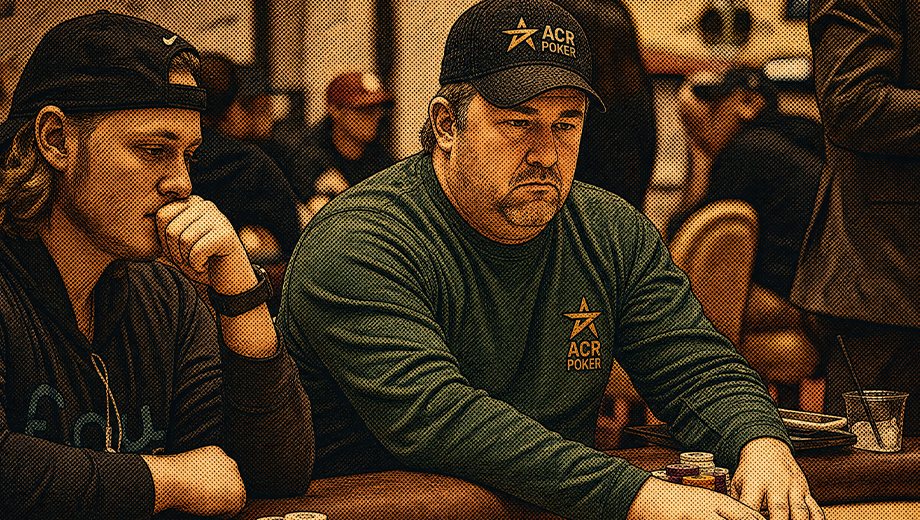
Studying More Doesn’t Replace Watching More
For close to a decade — 2005 to 2015 — I didn’t study a single hand of poker. Family and travel took up the space that study would have filled. These years I study more than I used to, and it’s helped. But every Main Event reminds me that studying tells you what a hand is supposed to be worth. Watching the person tells you what they think it’s worth. Those are two different pieces of information, and I need both every single year.
The Story Never Gets Old, Even When I Try to Ignore It
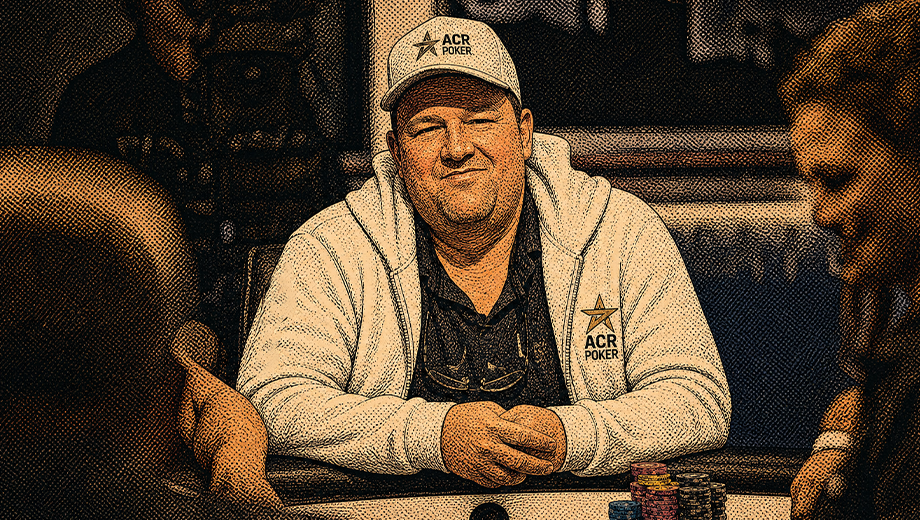
Honestly, I almost never think about 2003 day to day. It’s only when I’m actually at the WSOP that it’s right in your face — the clips, the questions, someone bringing up the bluff. Every year I walk back into that room and get reminded, whether I want to be or not, of where this all started. It’s not something I dwell on. It’s just something that’s always there, waiting at the door of Binion’s old room even though the room itself has changed completely.
What Stays the Same Every Year
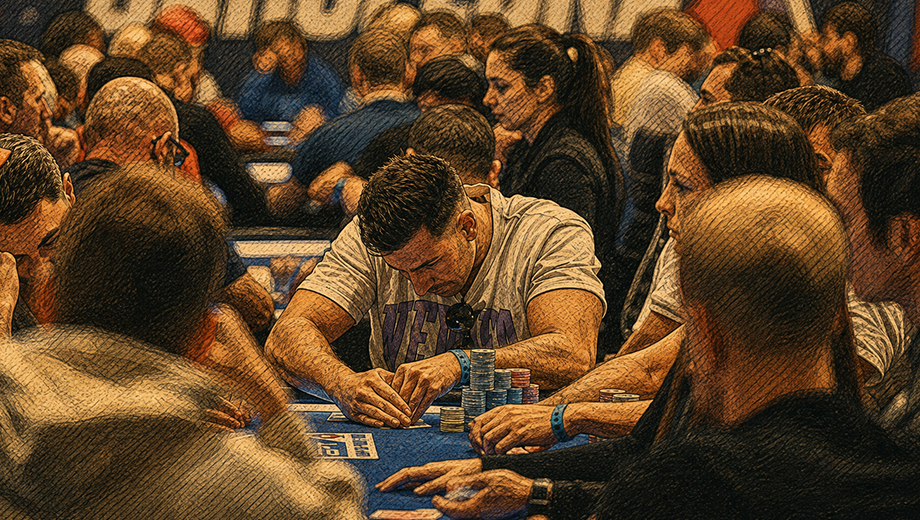
The buy-in changes. The field size changes. The players change. What doesn’t change is the basic shape of the thing: a long stretch of patience, a shorter stretch of real decision-making, and a handful of moments that end up mattering more than the rest combined. Every year I learn that lesson again, usually right when I think I’ve already learned it for good.
Frequently Asked Questions
Has Chris Moneymaker played the WSOP Main Event every year since 2003?
Yes. He has played the Main Event every year since his 2003 win, with results ranging from deep runs to early exits.
Why does Chris Moneymaker say Day 1 of the Main Event is boring?
He’s said the real engagement kicks in on Day 2 and beyond, once players can accumulate chips and build reads. Day 1 requires patience more than aggressive decision-making.
Did Chris Moneymaker study poker consistently throughout his career?
No. He’s said he didn’t study a single hand of poker from 2005 to 2015, prioritizing family and travel during that stretch. He resumed serious study in more recent years.
How has the skill level of the WSOP Main Event field changed over time?
Chris Moneymaker has said an 18-year-old today can have more practical experience than Doyle Brunson had in his entire career, in six months — a reflection of how online volume compressed the pace at which players develop.