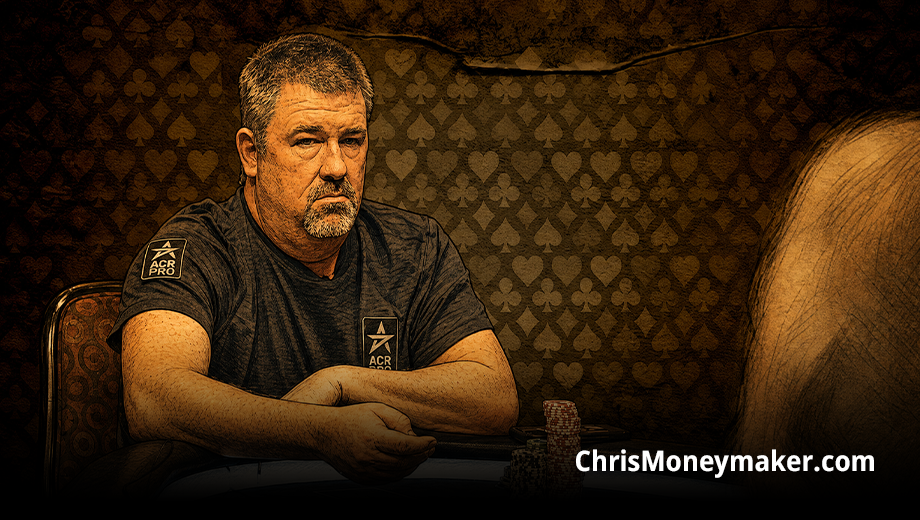

People picture Vegas between sessions as some kind of nonstop scene — pools, shows, another table somewhere. Most of the time it’s a lot quieter than that. The real work of surviving a long WSOP run happens in the gaps, not the spotlight.

The Gym Before Anything Else
I like to hit the gym before I play. It’s not about training for anything. It’s the one part of the day that’s just mine before I hand the next several hours over to cards, other people’s decisions, and whatever the deck does. Once the tournament clock starts, none of that time belongs to me anymore. The gym is the last hour that does.
What Happens on Actual Breaks
Meditating, or Something Close to It
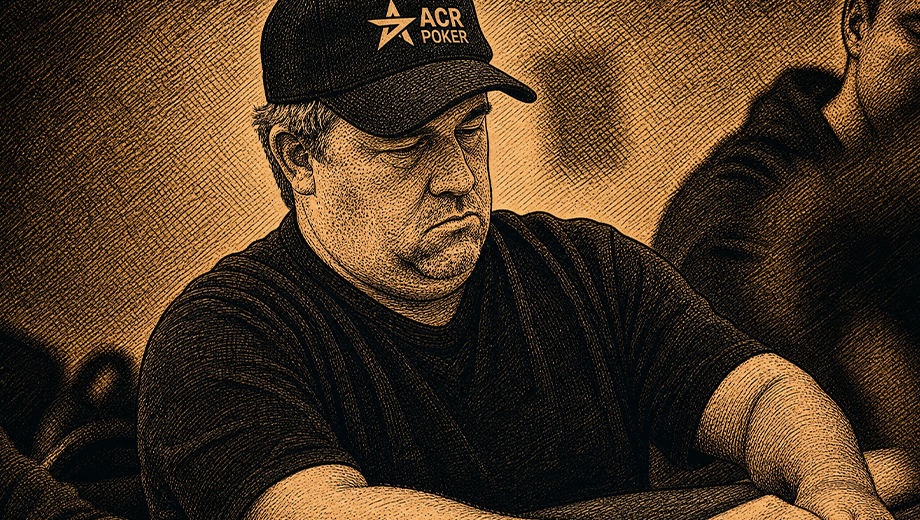
During the tournament itself, on the shorter breaks between levels, I use the time to meditate — or nap, honestly, depending on the day. I call it meditating at the table sometimes too. We all know what it actually is. Either way, the point is the same: give your head a few minutes where it isn’t running through the last hand or bracing for the next one.
The iPad and the Movies
Between hands, and especially on the longer breaks, I’ll pull out my iPad or put on a movie. It sounds small, but it’s one of the only reliable ways to rest your mind without leaving the building. You can’t fully check out during a Main Event — you’re back at your seat in twenty minutes — but you can give your brain something else to look at for a while.
Sleep on the Road Doesn’t Look Like Sleep at Home
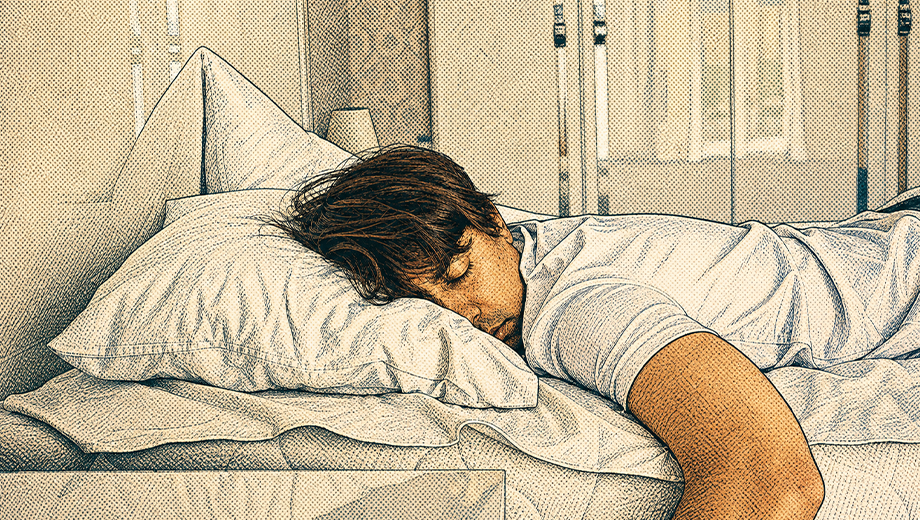
At home, since having kids, I’m up around 6 or 7am. On the road, during a WSOP run, I flip onto poker player hours — going to bed around 6am and sleeping through most of the morning. It’s not a schedule I’d recommend to anyone with a normal job, but it matches when the actual work happens. Day 1 starts at noon. Late nights run into the early morning. You sleep on the clock the tournament sets, not the one your body wants.

Why I Don’t Chase the Vegas Version of Relaxing
The version of Vegas relaxation everyone imagines — pools, shows, going out — isn’t really where I land between sessions. It’s not that I have anything against it. It’s that none of it actually rests you for the next day of cards. A pool party doesn’t help you read a table at 2am on Day 3. A quiet hour with a movie does more for me than anything with a cover charge.
Day 1 of a tournament has always bored me a little anyway. The real engagement kicks in on Day 2 and beyond, once you can accumulate chips and read who’s scared. If I’m going to have the energy for that stretch, I need the downtime in between to actually be downtime — not another version of stimulation.
The Simple Version
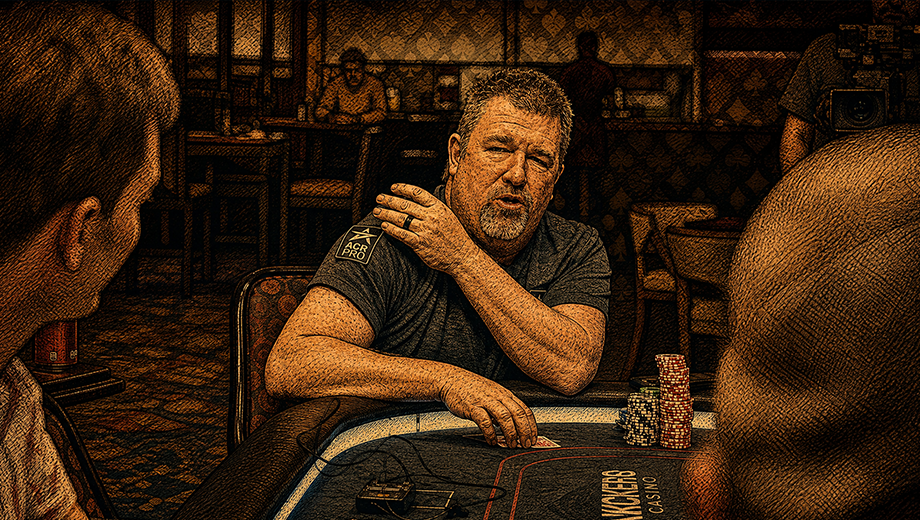
Gym before. Meditate or nap on breaks. Movie or iPad when there’s real time to kill. Sleep on tournament hours, not regular ones. None of it is glamorous, and none of it needs to be. The goal between sessions isn’t to have a good time in Vegas. It’s to be sharp enough to still be playing well three days from now.
Frequently Asked Questions
What does Chris Moneymaker do to relax between WSOP sessions?
He goes to the gym before playing, uses shorter breaks to meditate or nap, and turns to his iPad or a movie on longer breaks to rest his mind between hands.
What is Chris Moneymaker’s sleep schedule like during a WSOP run?
On the road during tournaments, he shifts to poker player hours, typically going to bed around 6am. At home, since having kids, he wakes up around 6 to 7am instead.
Does Chris Moneymaker go out in Vegas between WSOP sessions?
Not typically. He’s said the usual Vegas version of relaxing — pools, shows, going out — doesn’t actually rest him for the next day of cards, and he prefers quieter downtime like meditating, napping, or watching a movie.
Why does Chris Moneymaker work out before playing?
He likes to go to the gym before playing because it’s time that belongs entirely to him before the tournament clock starts and the day becomes about cards and other players’ decisions.