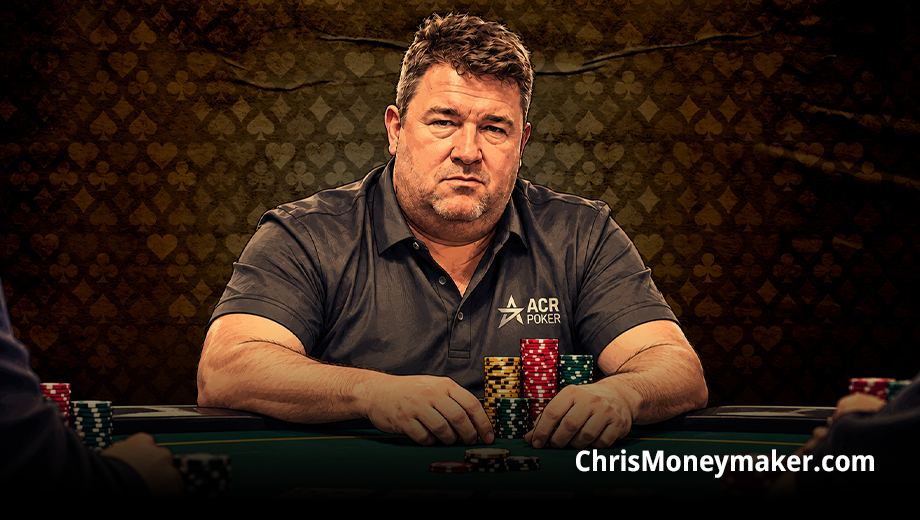

A tough day at the tables doesn’t end when you leave the table. It ends somewhere later — in a hotel room, in a car, on a flight — whenever you finally stop replaying the hand that ended it. I’ve had plenty of those days. Nobody who plays this game long enough avoids them.
People assume there’s a trick to shaking off a bad day. There isn’t, really. There’s just a decision about how long you let it sit with you before you move on. Some players carry it into the next tournament. I try not to, mostly because I’ve seen what happens when you do.
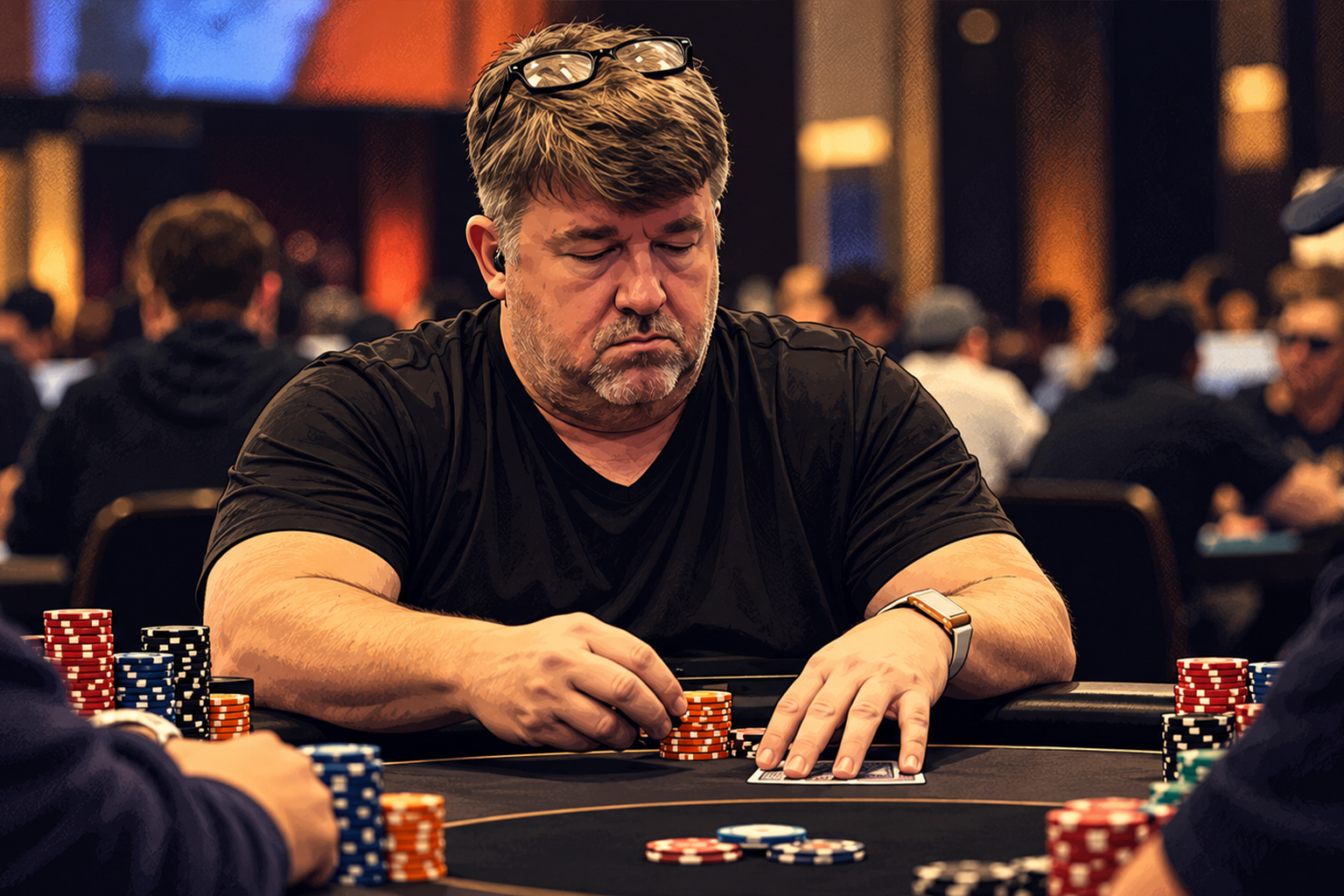
What a Tough Day Actually Looks Like
It’s rarely one big disaster. It’s usually a stretch where nothing goes your way — a hand that should’ve held, a read that was right but the timing was wrong, a stack that gets whittled down over hours instead of one dramatic bust-out. By the time it’s actually over, you’re not angry about one moment. You’re just tired, and the tiredness makes everything feel worse than it probably is.
The instinct in that moment is to go over every decision and find the mistake, as if finding it will undo the day. Sometimes there is a mistake. A lot of the time there isn’t one — you just ran into a better hand or a bigger stack at the wrong time. Either way, going over it obsessively that same night doesn’t change the outcome. It just extends the bad day into the night.
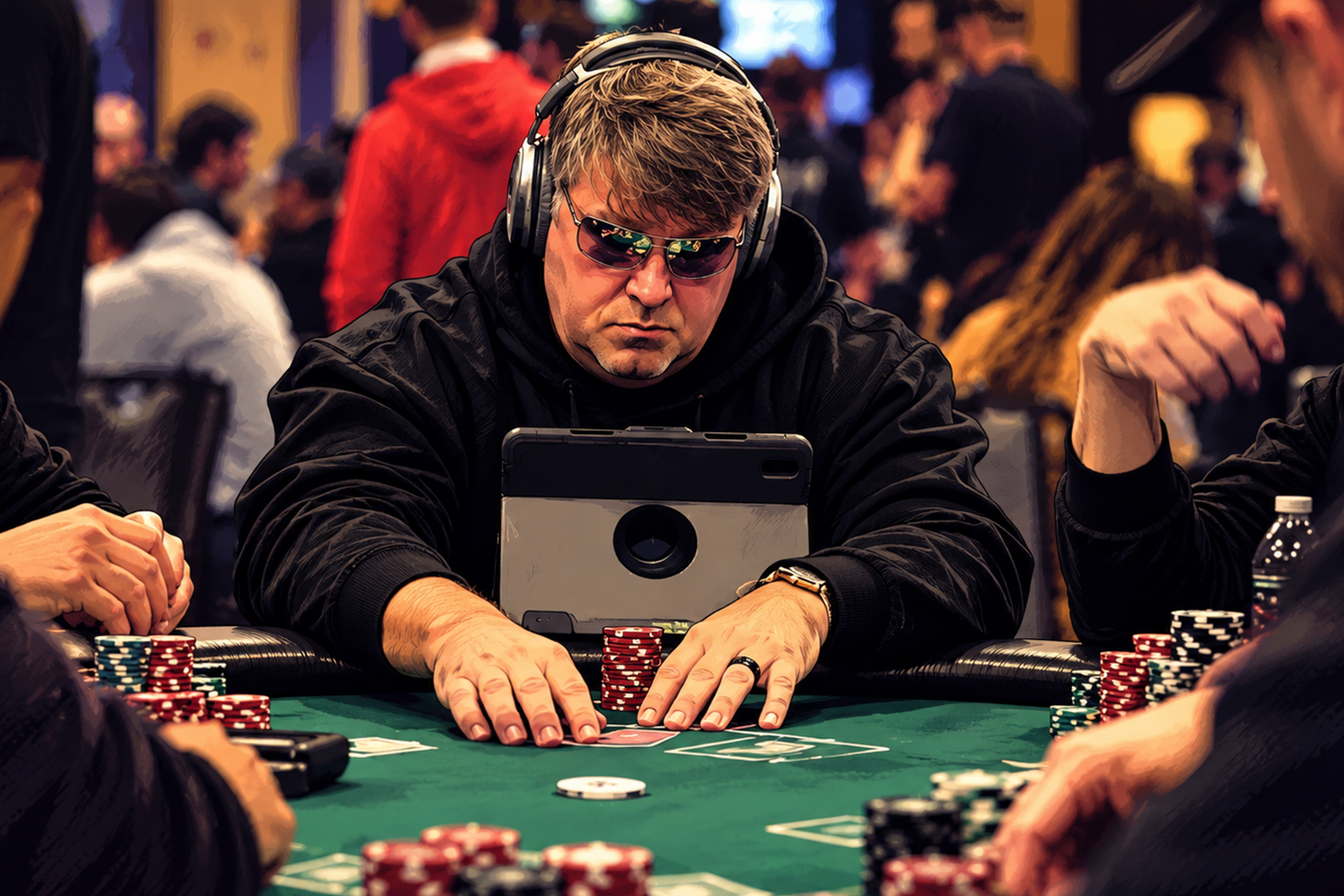
How I Actually Let It Go
The One-Review Rule
I look at what happened once, honestly, and then I stop. “Poker is about controlling your emotions and how those emotions affect your decisions.” That’s not just a nice sentence — it’s the actual difference between a bad day staying a bad day and a bad day turning into a bad week.
Calling Home
Talking to my family after a tough session does more for me than anything strategy-related ever could. It’s a reminder that the result of one tournament isn’t the whole picture of my life, even on nights it feels that way. That’s part of why I spent close to ten years, from 2005 to 2015, barely studying the game at all — family mattered more, and the poker was always going to be there when I came back to it.
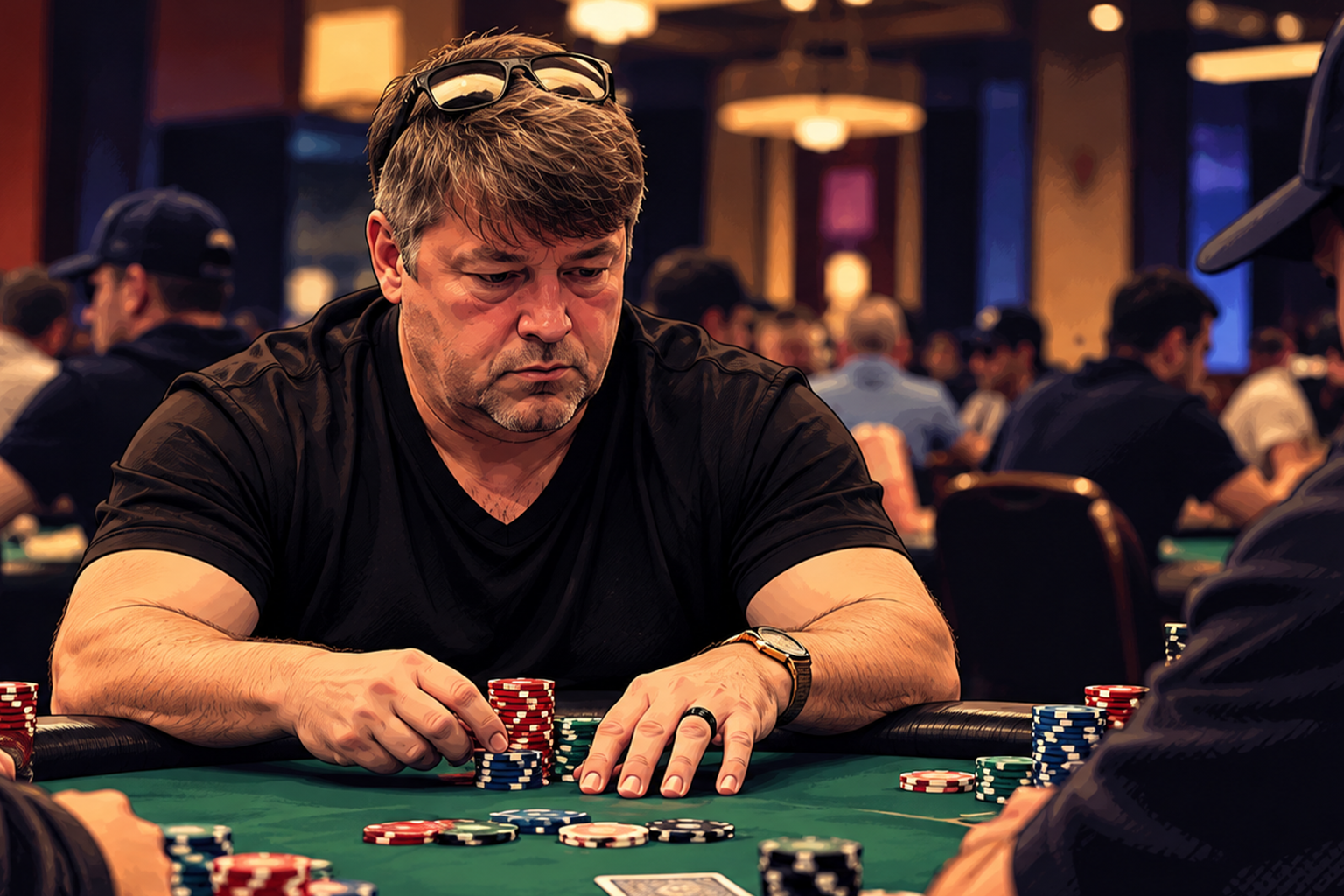
Accepting the Bad Days as Part of the Deal
I ran good to win in 2003. I’ve said that myself — I’m smart enough to know that’s not sustainable. If you accept that the good days were partly variance, you also have to accept that the bad days are too. That doesn’t make them fun. It just makes them expected instead of personal.
I never set out to chase bracelets or be the best player in the world. That take makes the bad days easier to live with, because the tournament result was never the entire point to begin with. If you want a lower-stakes place to practice that same acceptance, the Moneymaker Tour has a stop somewhere most months.
What Helps and What Doesn’t
What Helps
Distance. A few hours away from the tournament floor, away from other players who want to relive your bad beat with you one more time. Sleep helps more than people give it credit for. So does having something outside poker that actually matters to you.
What Doesn’t
Rehashing the hand with everyone who’ll listen. Chasing the loss the next day by playing bigger or looser than you normally would. Both feel productive in the moment. Neither one actually is.
A tough day at the tables is still just a day. I’ve had a lot of them, and I’ll have plenty more before I’m done playing. The ones that stick with you longest usually aren’t the worst beats — they’re the ones you let follow you into the next session. I try not to let that happen, and most of the time I manage it. Not always. But most of the time.