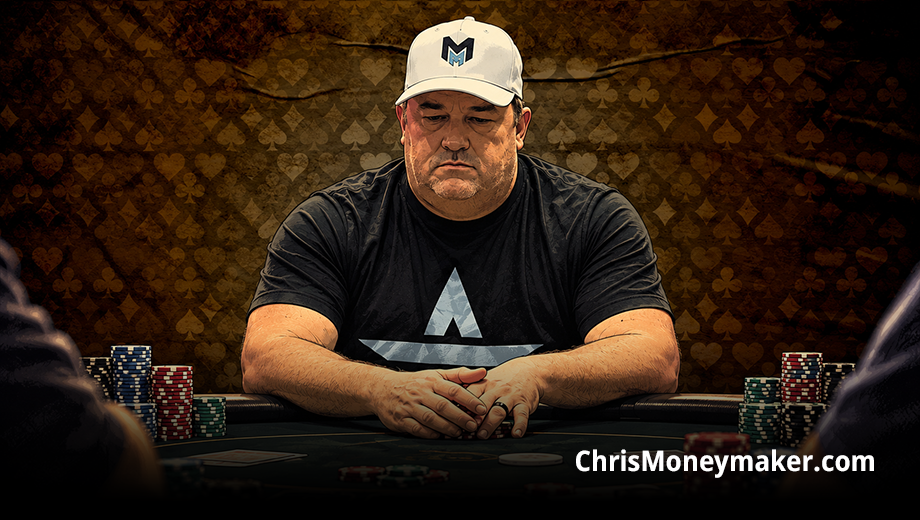

I held 5♦ 4♠. The board read J♥ 5♣ 4♦. Sammy Farha had already made deep runs at this level before, I hadn’t. I moved all-in on a hand that was mostly hope. He turned his Jack face-up for the whole table to see, thought about it for a while, and folded. People ask me what the best hand I’ve ever seen was, and that one’s usually the first thing they bring up. It wasn’t the smartest play I ever made. It’s just the one that ended up in front of the most cameras.
The hands people remember and the hands that actually mattered to me are two different lists. Here’s both.
The Bluff That Never Gets Old
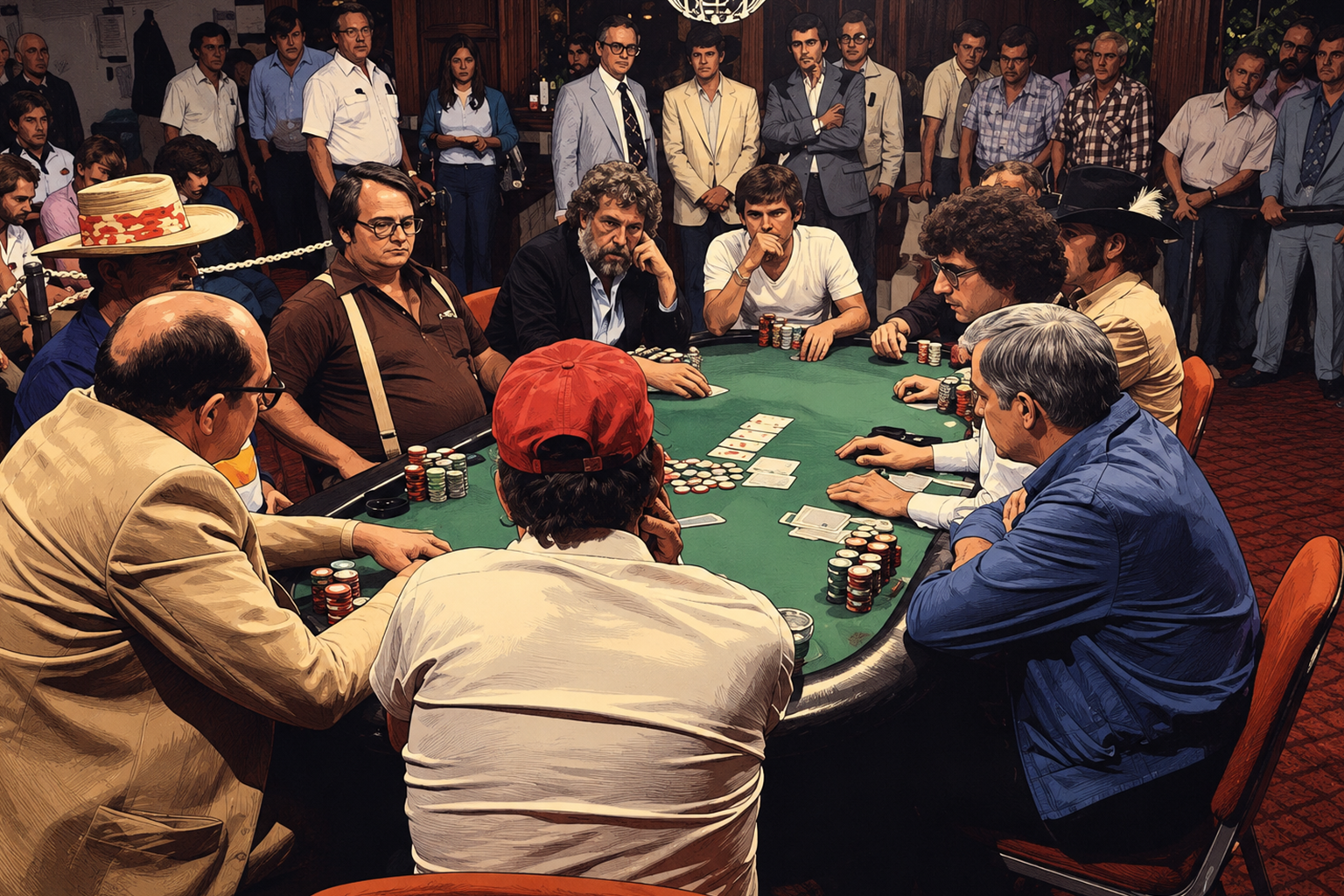
It happened at the 2003 Main Event at Binion’s — 839 players entered, down to the final table, playing for a $2.5 million first prize. I picked up 5-4 and the board ran out Jack, 5, 4. Two pair, nothing special on paper, but two pair all the same.
Farha had position on me and a lot more experience at that table than I did. I moved all-in. He sat with it, turned his cards face-up — a Jack, top pair on the board — and let the whole table, and the cameras, watch him think it over. Then he folded.
I didn’t know at the time it would be the hand ESPN replayed for years. I just knew I needed the chips and I’d read him as someone who respects aggression more than he trusts a hunch. Turned out to be true. That’s really the whole story — no elaborate plan, no secret script. Just a read that held up when it mattered.
The Kid Who Didn’t Know Phil Ivey
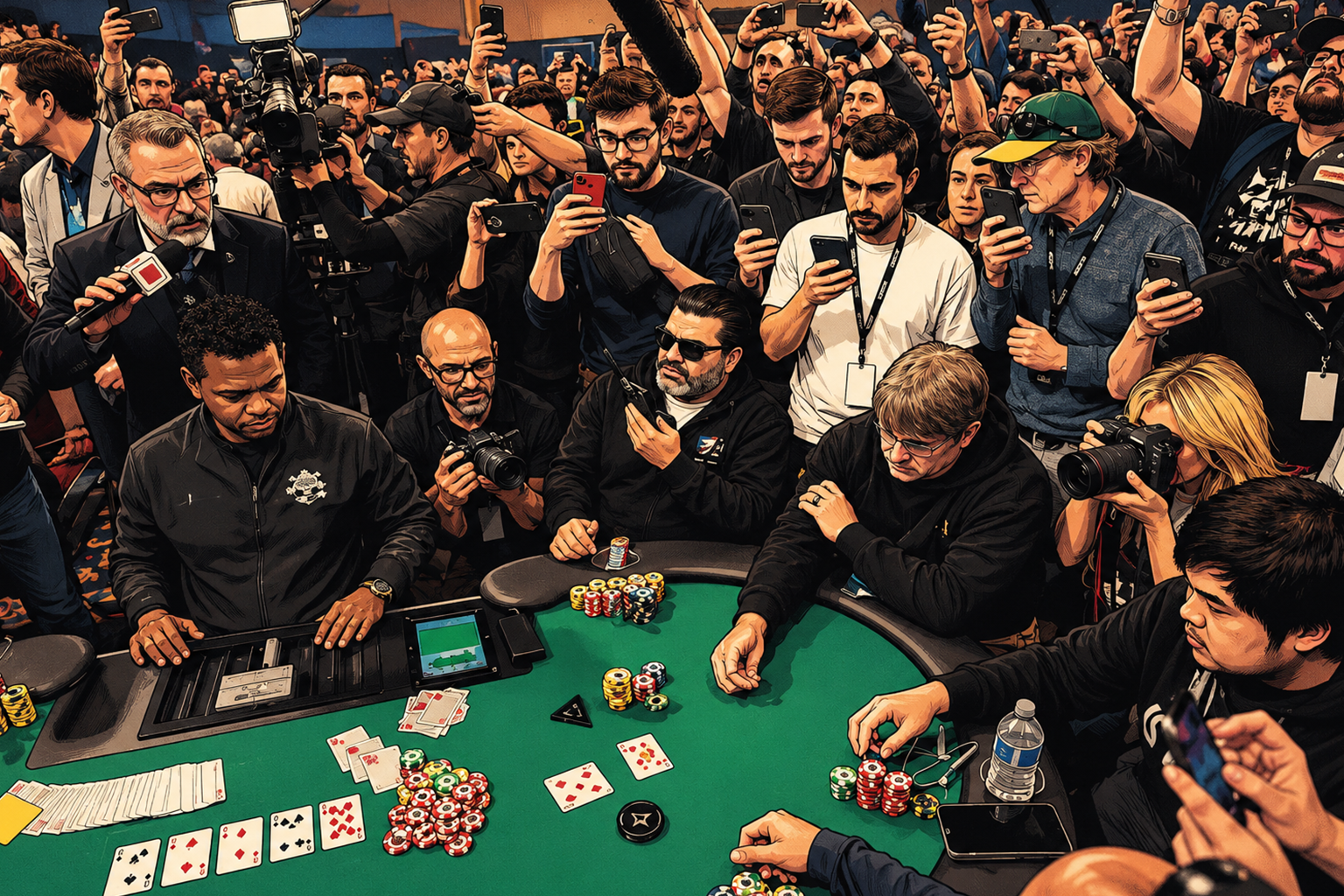
Going into that Main Event I could name exactly three players in the field: Phil Hellmuth, Doyle Brunson, and Johnny Chan. That was the entire list. So when a hand came up against a young guy with a big stack, I didn’t have a scouting report. I just had cards.
I had Ace-Queen. He had pocket nines. The flop came Queen-Queen-6, which gave me trip queens. The turn was a nine, which gave him trip nines — not enough, my queens still had it beat. I called him down and won the pot.
That young guy was Phil Ivey. I found out afterward he was already being talked about as the best player alive. “When I saw Phil Ivey, I saw a young Black kid with chips. He didn’t scare me,” is exactly how I’ve put it since. Not knowing who somebody is turns out to be its own kind of advantage — you just play the cards in front of you.
What Actually Makes a Hand Memorable
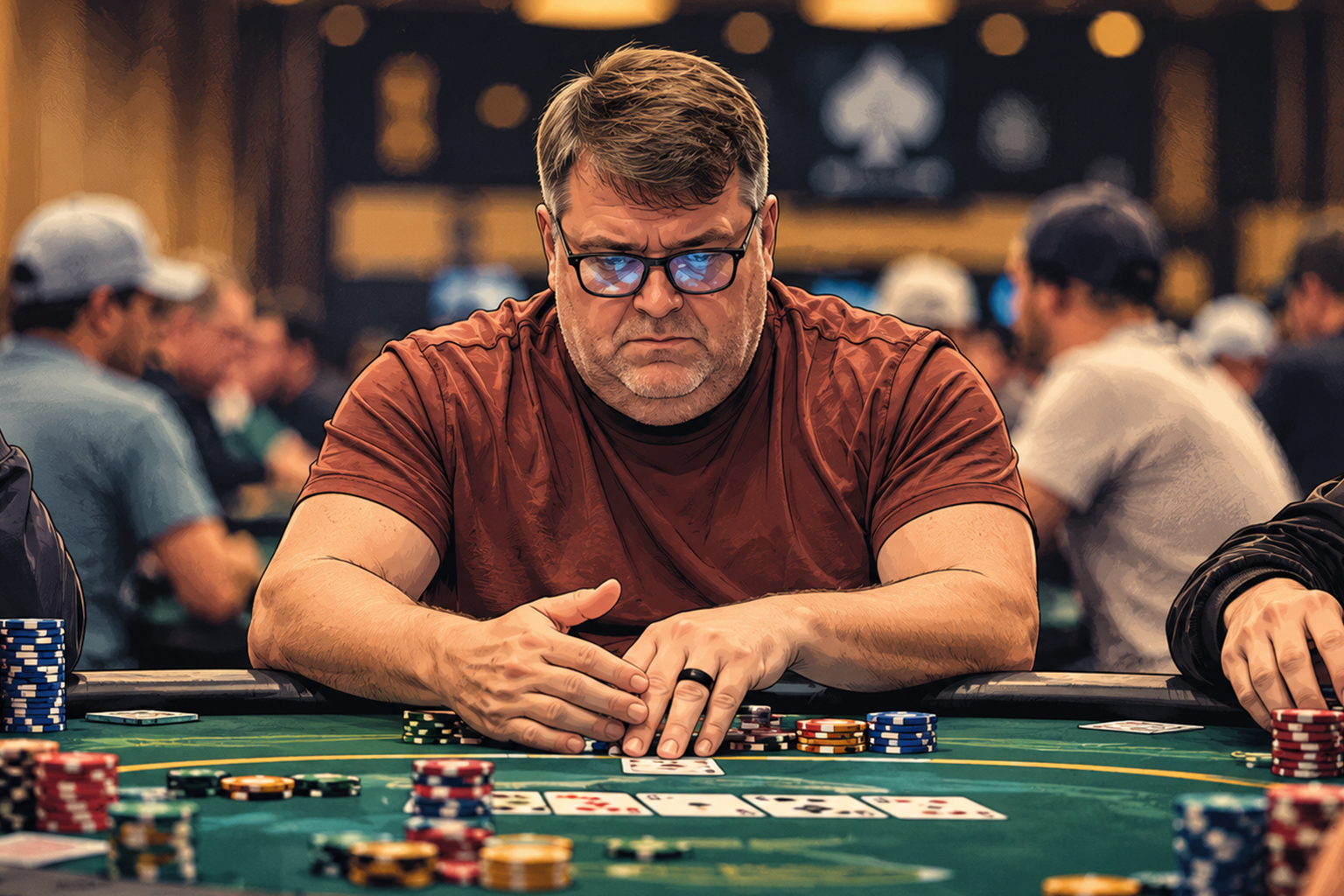
Neither of those hands was about being a mastermind. The Farha hand was a read on a person, not a hand. The Ivey hand was about not being afraid of a reputation I didn’t know existed. If there’s a pattern, it’s that: pay attention to the person in front of you more than the name on the deck.
“It’s not rocket science. It’s simple observation,” is how I’ve described it, and I mean that literally. I fold a hand, watch the rest of it play out, and try to guess what everyone’s holding. Right or wrong, I learn something for next time. Do that for six hours a day and you start reading a table without trying that hard.
I also went in knowing I was outmatched on paper. “I was the worst one in the field. I knew that going in.” But “I had already told myself: I am not busting before the final table. Zero percent chance.” That mattered more than any specific hand.
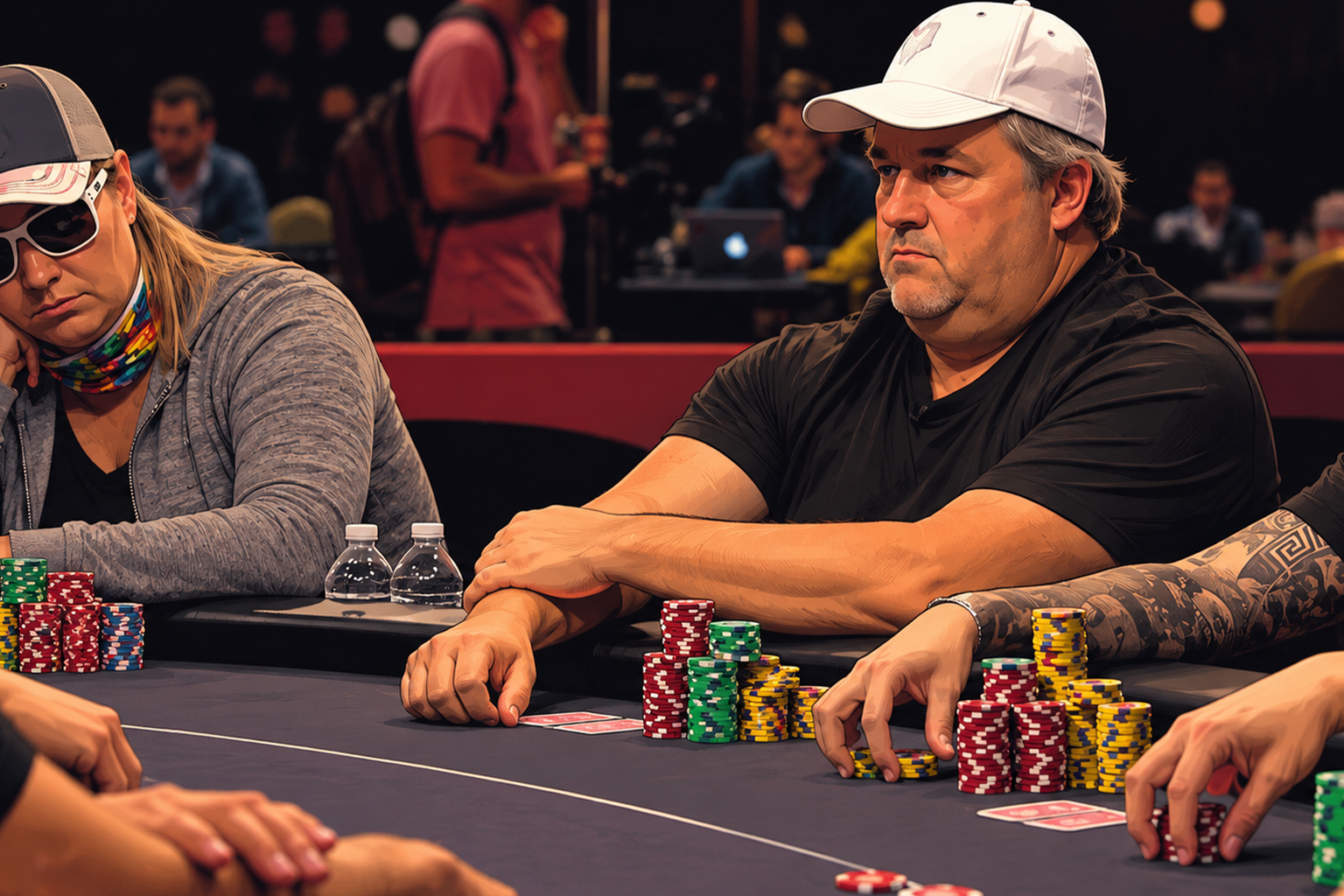
How I Read a Table Differently Now
The game itself has changed more than my method has. Back then, a 3-bet before the flop meant Jacks or better, or Ace-King — that was basically it. A 4-bet meant Kings or Aces. Ranges were narrow enough that reading a table was closer to arithmetic than psychology.
Why It’s Harder Now
“An 18-year-old kid today can have more experience than Doyle Brunson got in his entire life — in six months,” and he’s built ranges nobody was running back in 2003. The reads still work, but you’re reading a much wider set of possible hands than I was.
What Hasn’t Changed
“Poker is about controlling your emotions and how those emotions affect your decisions.” That part doesn’t update with the software. The guy who plays scared still gets read the same way he did twenty years ago.
“Honestly, I almost never think about it. Only when I go to the WSOP and it’s right in your face” — that’s still true about both of those hands. The clips run on the monitors, somebody asks about the Jack Farha turned face-up, and for a few days a year it becomes the whole conversation again. The rest of the year there’s another tournament somewhere and not much reason to relive old hands, good or bad. The ones that stick with you usually aren’t the ones you’re still trying to win.