

There’s an iPad, a change of gym clothes, and not much else. People expect notebooks full of hand histories or some elaborate lucky routine. What’s actually in there is mostly just stuff to help me sit still for twelve hours and not lose my mind.
I’ve been doing this long enough that the bag stopped being interesting a long time ago. That’s kind of the point.
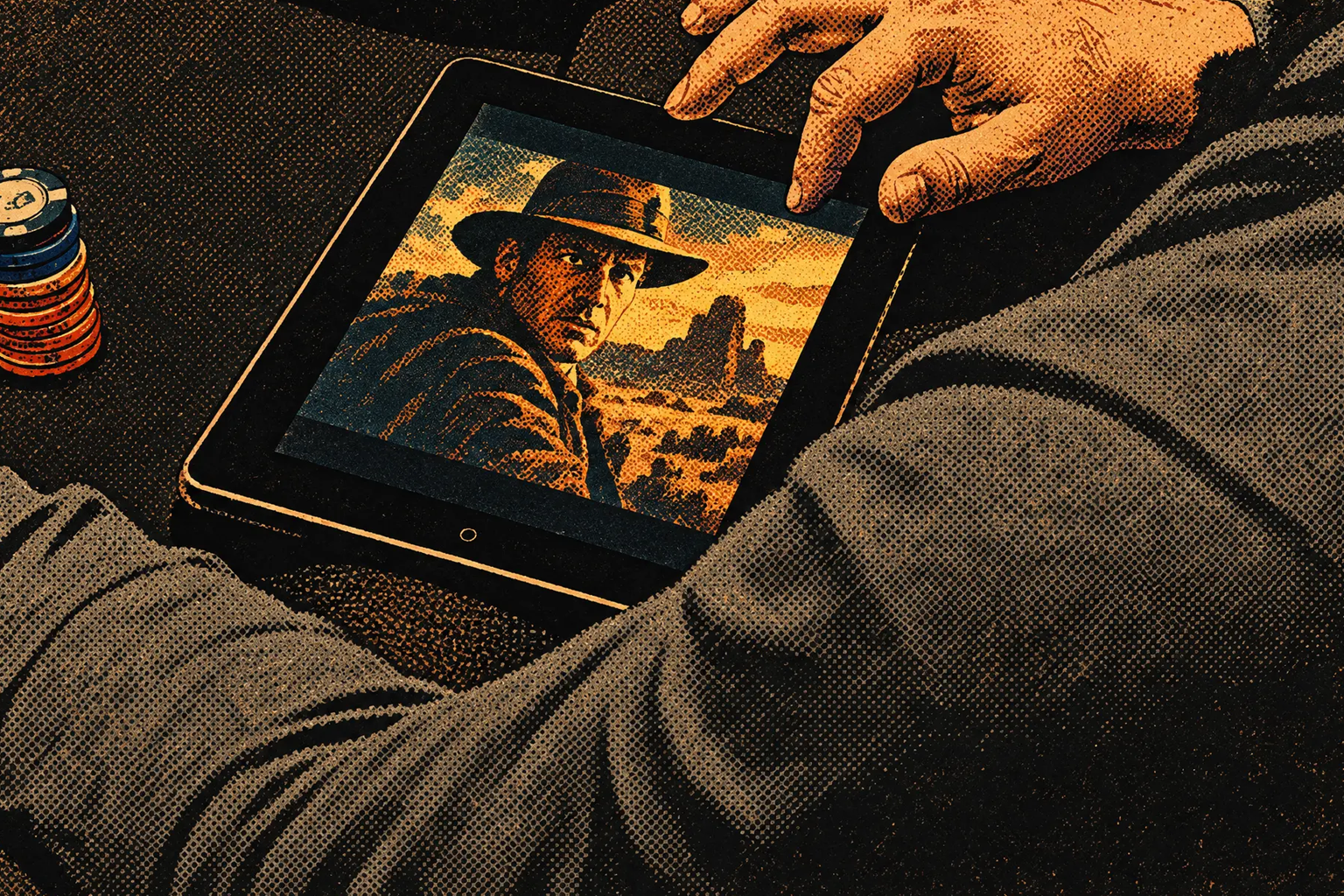
The iPad Does More Work Than People Think
What It’s Actually For
Between hands, I watch movies on it, or just play something mindless. The point isn’t entertainment for its own sake. A poker day is long, and your brain needs somewhere to go that isn’t the hand you just lost. The iPad is where mine goes.
Why It’s Not About the Game
I’m not in there studying between levels or reviewing spots from that morning. That’s not what downtime is for, at least not for me. Downtime is for resting the part of my brain that’s been paying attention for six hours straight, so it’s ready to pay attention again.
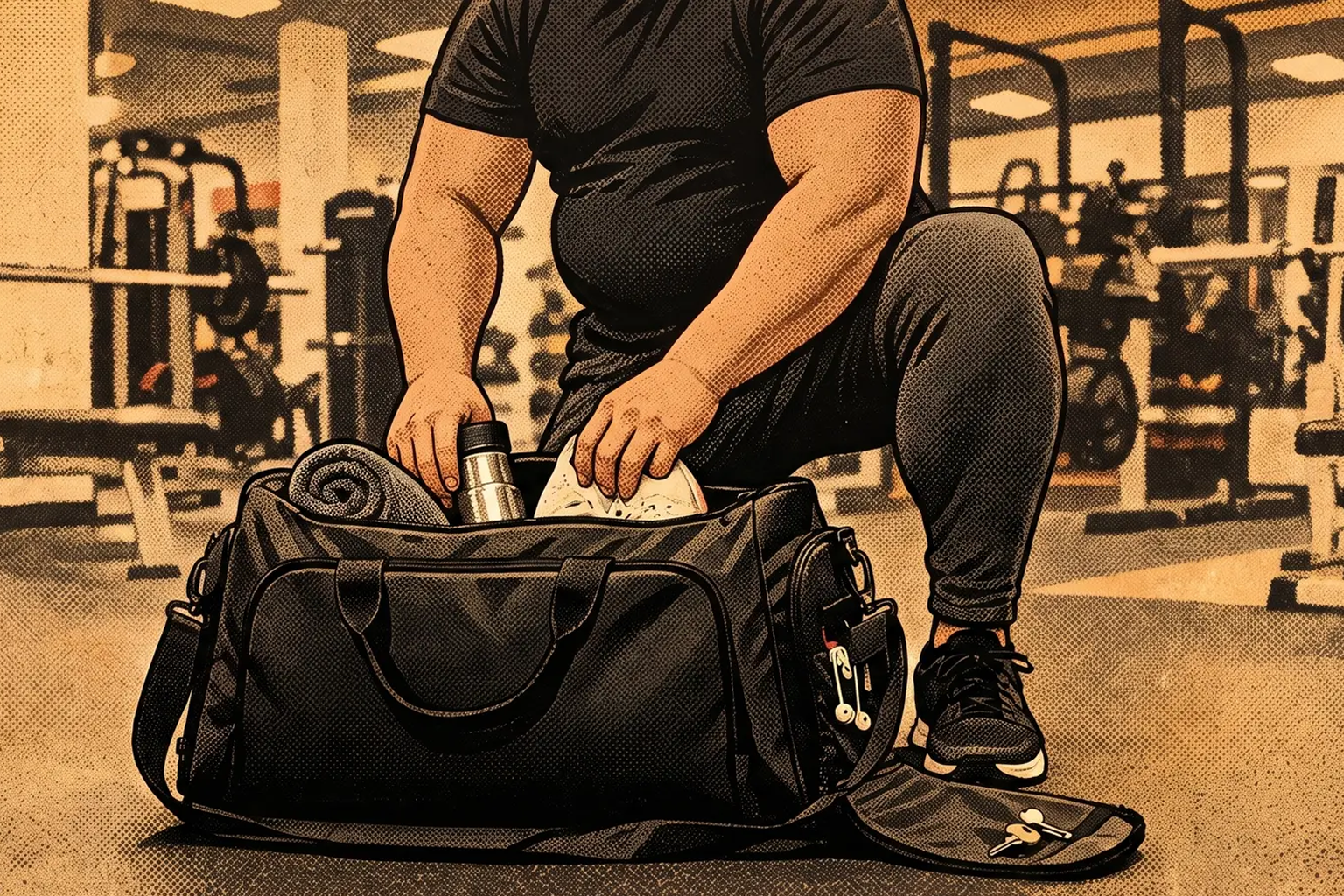
The Gym Bag Underneath Everything Else
Why Before, Not After
I like to get to the gym before I play, not after. Once a session’s over I’m usually running on fumes and adrenaline, not looking to lift anything. Getting it done beforehand means it actually happens, instead of becoming a thing I meant to do.
What Changed Since Having Kids
At home now I’m up at six or seven in the morning, which was never the plan back when this all started. On the road, during a tournament run, I still live on poker player hours — going to bed around six in the morning some nights. Those two schedules don’t have much in common, and the gym bag is one of the only habits that survives the switch between them.
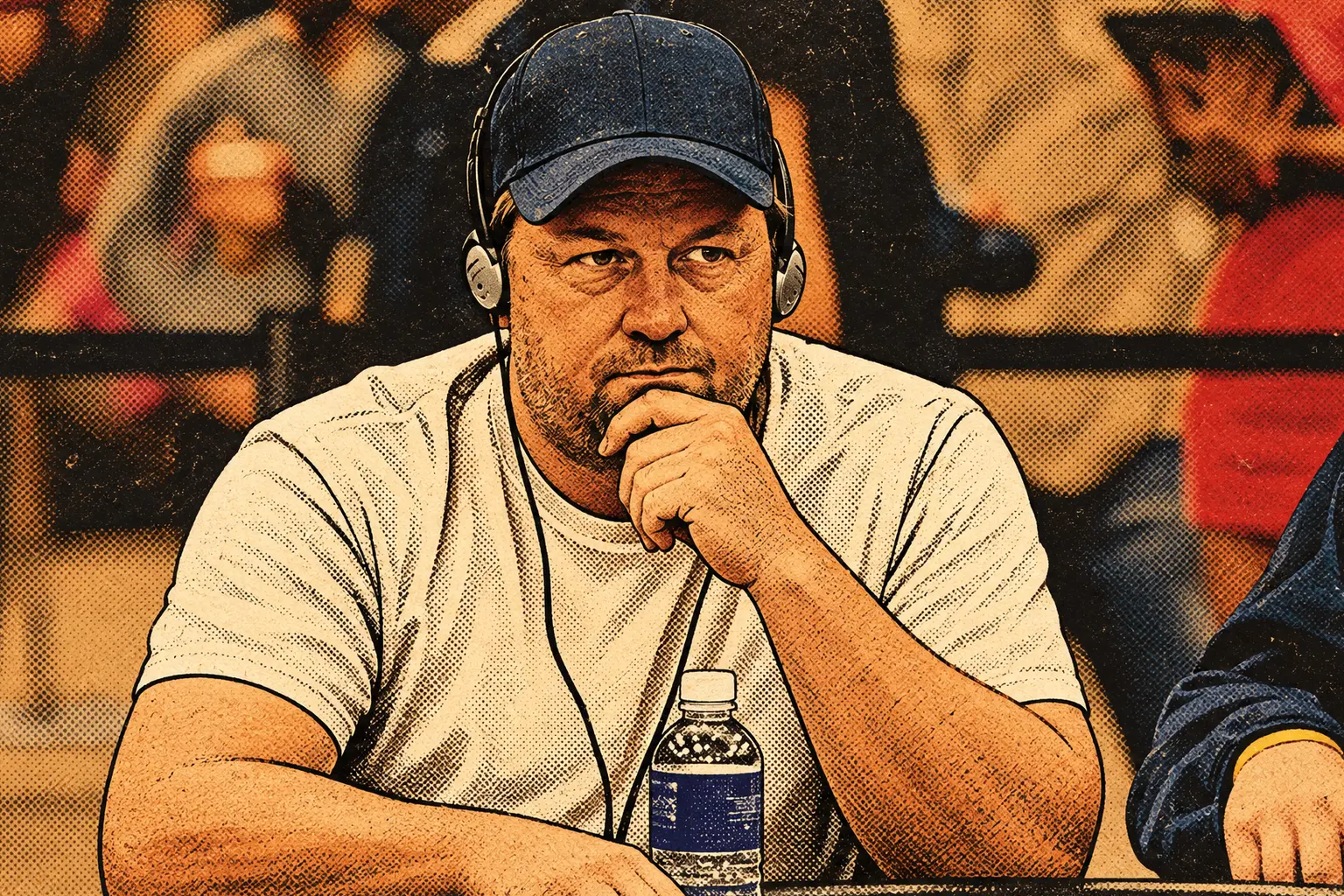
What’s Actually in There for the Table Itself
Nothing complicated. Between hands, when there’s a few minutes, I’ll meditate, or honestly just close my eyes and nap a little. That’s not a piece of gear so much as a decision I make over and over across a long day. Nobody sees it in the bag because it isn’t in the bag. It’s just something I do.
People sometimes assume that means I’m half checked out at the table. It’s the opposite. Twelve hours of full attention isn’t something anyone can sustain without a few minutes here and there of doing basically nothing. The nap or the quiet stretch is what makes the next four hours of paying attention possible.
“I like making it up as I go.”
That’s more or less how the whole thing works. There’s no system I’m protecting, no ritual I can’t skip. If the iPad dies or the gym’s closed, I’ll figure something else out and still play fine.
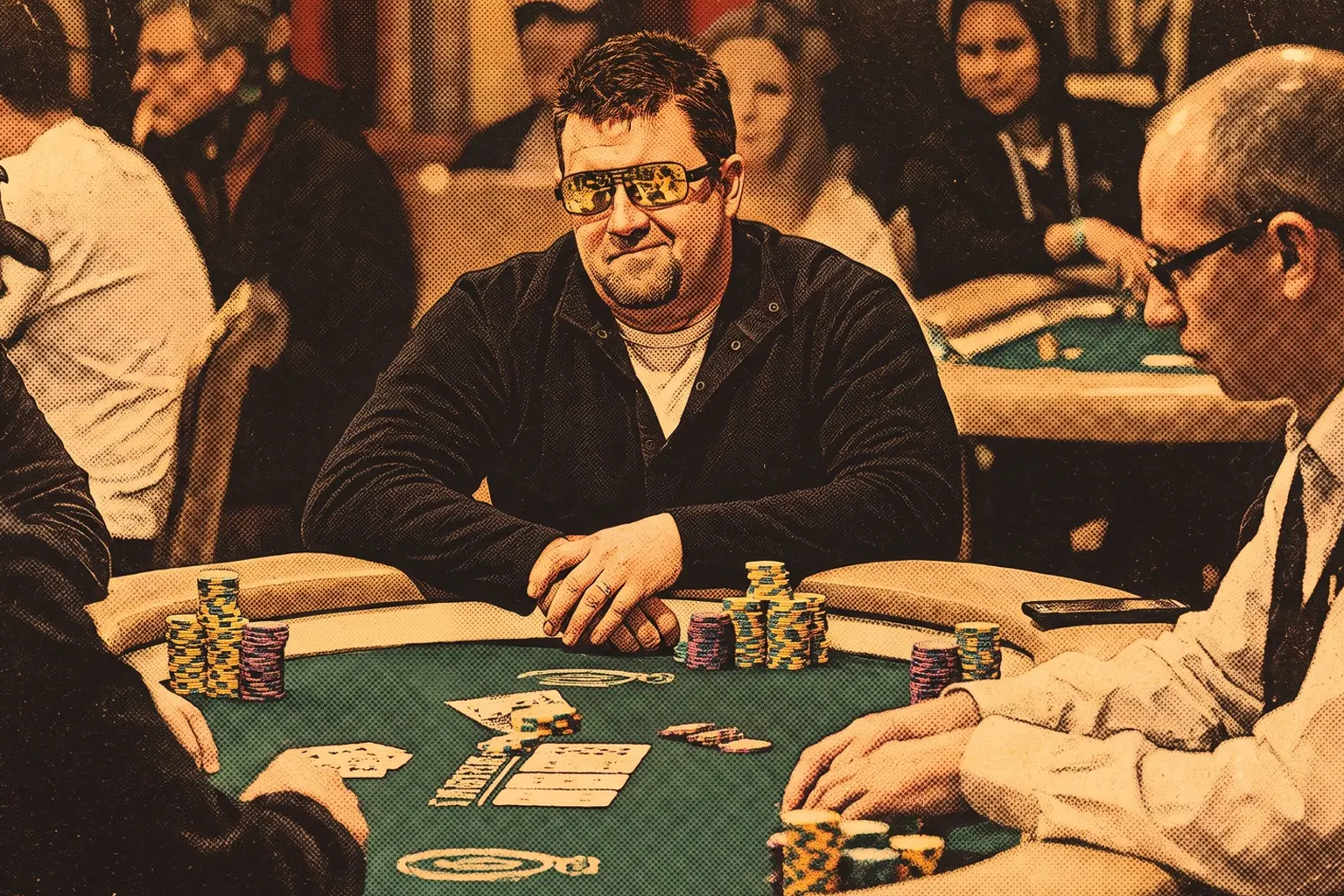
What I Deliberately Leave Out
No study binder, no hand histories to review on the flight over. That stuff has its place, just not in the bag I’m carrying to the table. And there’s no fixed morning sequence that has to happen in a specific order or the day feels off.
“I like making it up as I go.”
That’s not a strategy, it’s just honest. I’ve never been someone who needs everything locked into place before I can function. A workout, an iPad, and a willingness to nap between hands covers most of it.
“I’m a little bit sick in the head, but I’m also balanced enough to respect money.”
That balance is really the whole philosophy behind what’s in the bag and what isn’t. Bring what actually helps you function for twelve hours. Leave out anything you’re carrying out of habit rather than actual need.
Home Days vs. Tournament Days
The bag barely changes. The schedule around it does.
| Factor | At Home | During a Tournament Run |
|---|---|---|
| Wake time | 6–7am, since having kids | Whenever the previous night’s session ends |
| Bedtime | A normal person’s schedule | Sometimes around 6am |
| Pre-session routine | N/A | Gym first, before playing |
| Downtime activity | Whatever the day calls for | iPad, meditating, or a quick nap between hands |
| What’s non-negotiable | Being present for the kids | Getting the workout in before, not after |
Two very different days. Same short list of things that actually make it into the bag either way.
People ask about the backpack expecting something more interesting than an iPad and a change of clothes. I get why. It’d probably make a better story. But the boring version is the true one, and it’s worked for over twenty years, so I’ve stopped trying to dress it up.