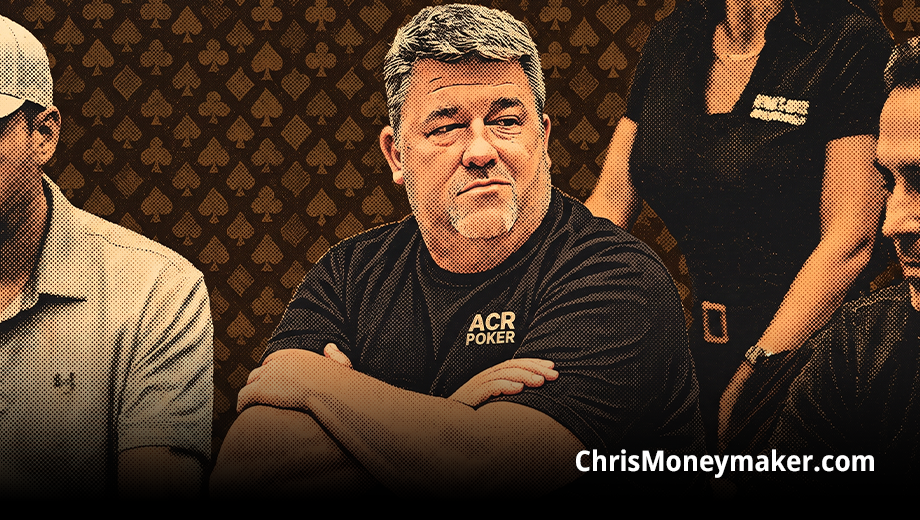

I walked into the 2003 Main Event knowing three names: Phil Hellmuth, Doyle Brunson, and Johnny Chan. That was the whole list. Everybody else at Binion’s was just a face attached to a stack of chips. When I sat down across from a young guy with a mountain in front of him, I had no idea I was looking at Phil Ivey. He didn’t scare me. I didn’t know enough to be scared.
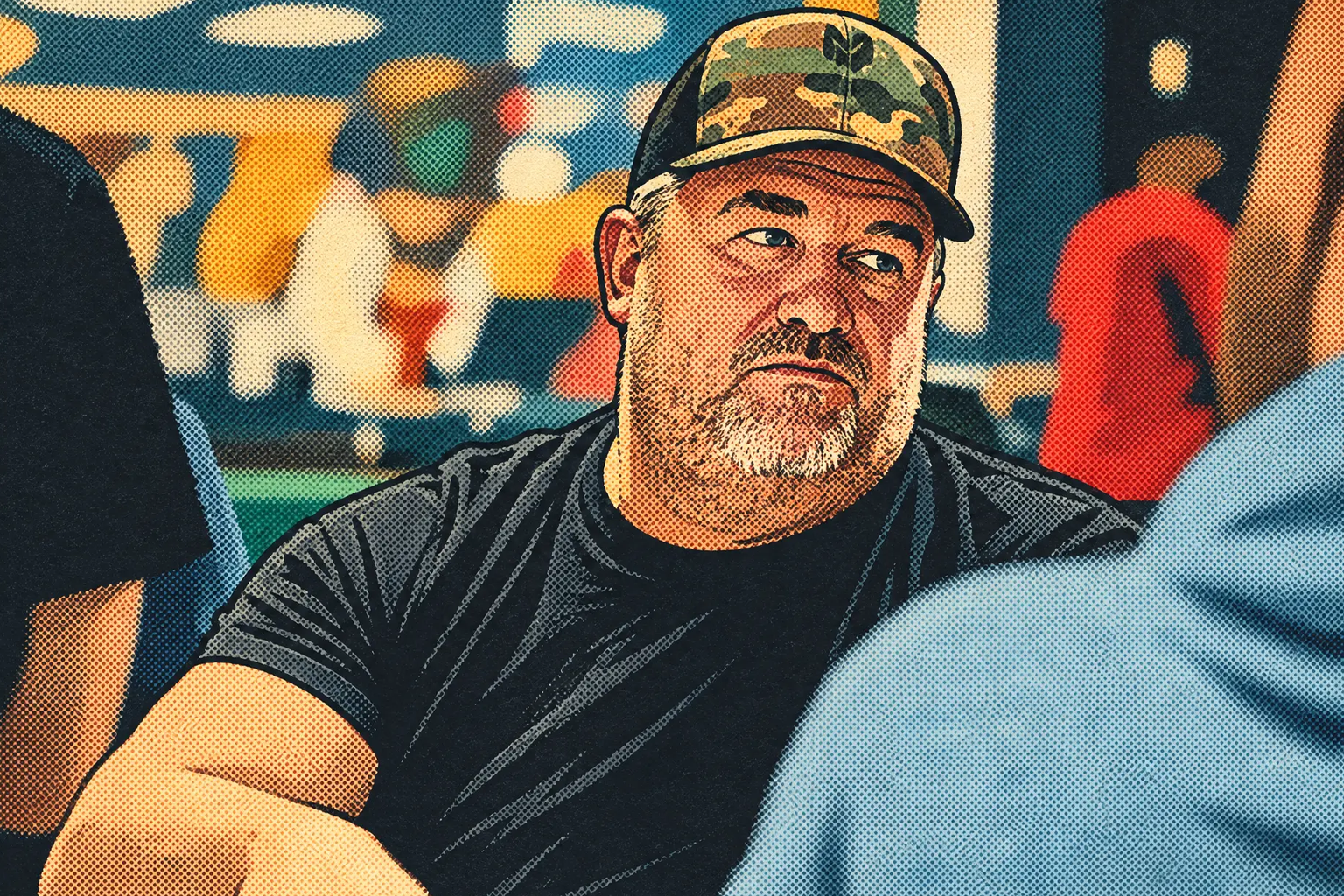
That’s the thing people forget when they ask me which new faces stood out at the WSOP. I was the new face. The least experienced player at a table full of people who’d been grinding it for years. So when I watch a fresh name make a run today, I’m not judging them against some standard I’ve always held. I’m judging them against a guy who didn’t know who he was sitting next to.
I Was the New Face Once
PokerStars sent me a daily list of players to watch out for. Ivey was on it. I found that out later, after the tournament was already over. At the table, all I saw was a kid with a big stack. When it mattered, I had Ace-Queen, the flop came Queen-Queen-something, he turned a nine to make trips with his pocket nines, and I still won the hand. Not because I read him. Because I didn’t know who he was, so I just played my cards.
That’s the part of “new face” stories that gets lost. It’s not always confidence. Sometimes it’s just not knowing enough to be intimidated. I only knew three players walking in — Hellmuth, Brunson, and Chan. Everyone else was a blank slate, including a guy who was, by most accounts, already the best player alive.
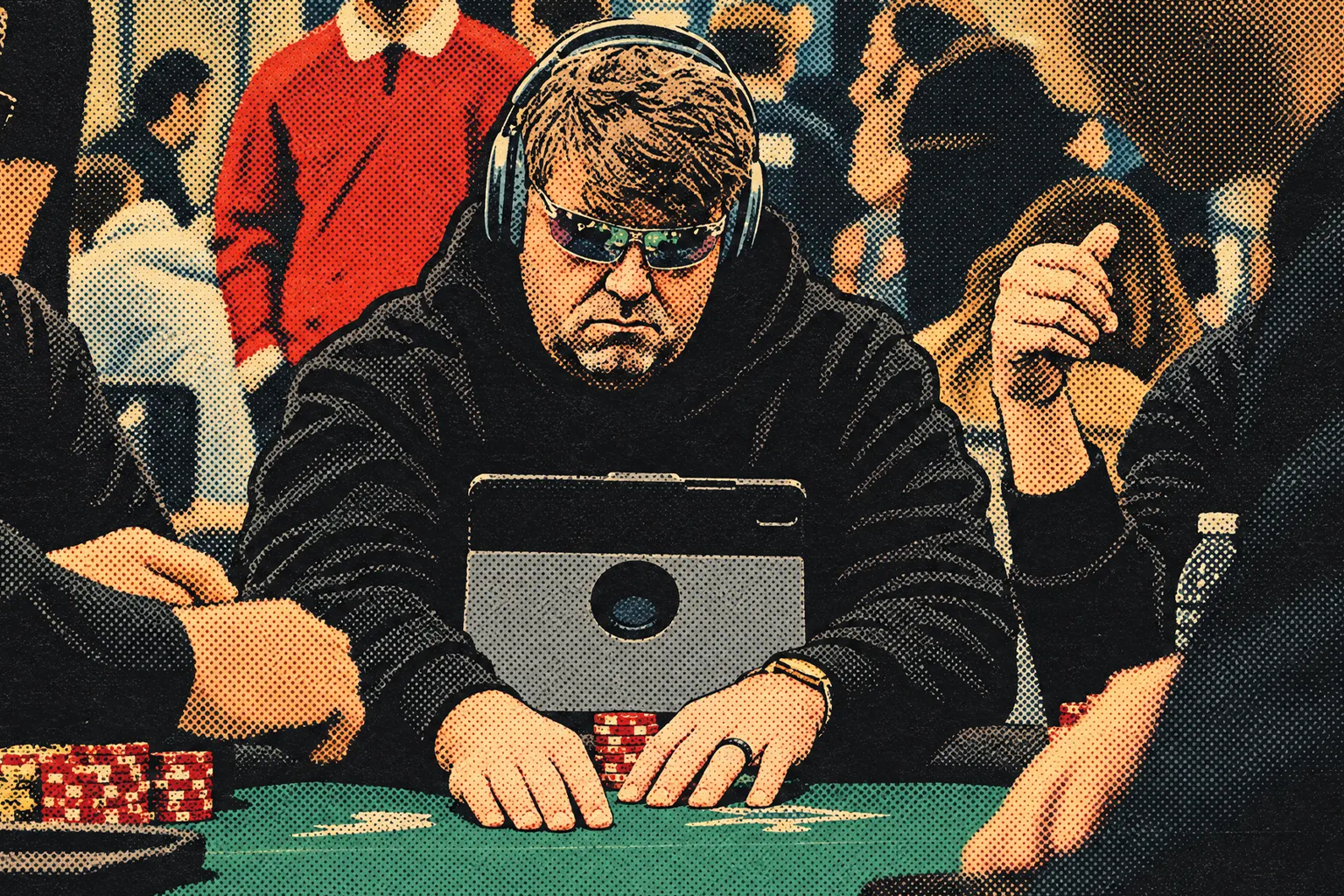
So when I look at a new name climbing a leaderboard now, my first question isn’t “how good are they.” It’s “how are they handling not knowing what they don’t know.” That’s the part that actually decides how far someone goes.
What Actually Makes Someone Stand Out
The Speed Nobody Talks About
An 18-year-old today can have more real experience than Doyle Brunson got in his entire life — in six months. That’s not an exaggeration, that’s just volume. Online poker made reps cheap. A new face who’s put in serious online hours before ever sitting at a WSOP table isn’t really “new.” They’ve just never been on television before.
Why It’s Harder to Fake It Now
In 2003, a preflop 3-bet meant Jacks or better, or Ace-King. A 4-bet meant Kings or Aces. Ranges were narrow enough that reading the table was almost mechanical. Today’s players — especially the ones who came up studying instead of guessing — play a much wider, much harder game. A new face who stands out now is usually standing out against a tougher field than the one I played through, not an easier one.
Why the Pool of New Faces Keeps Growing
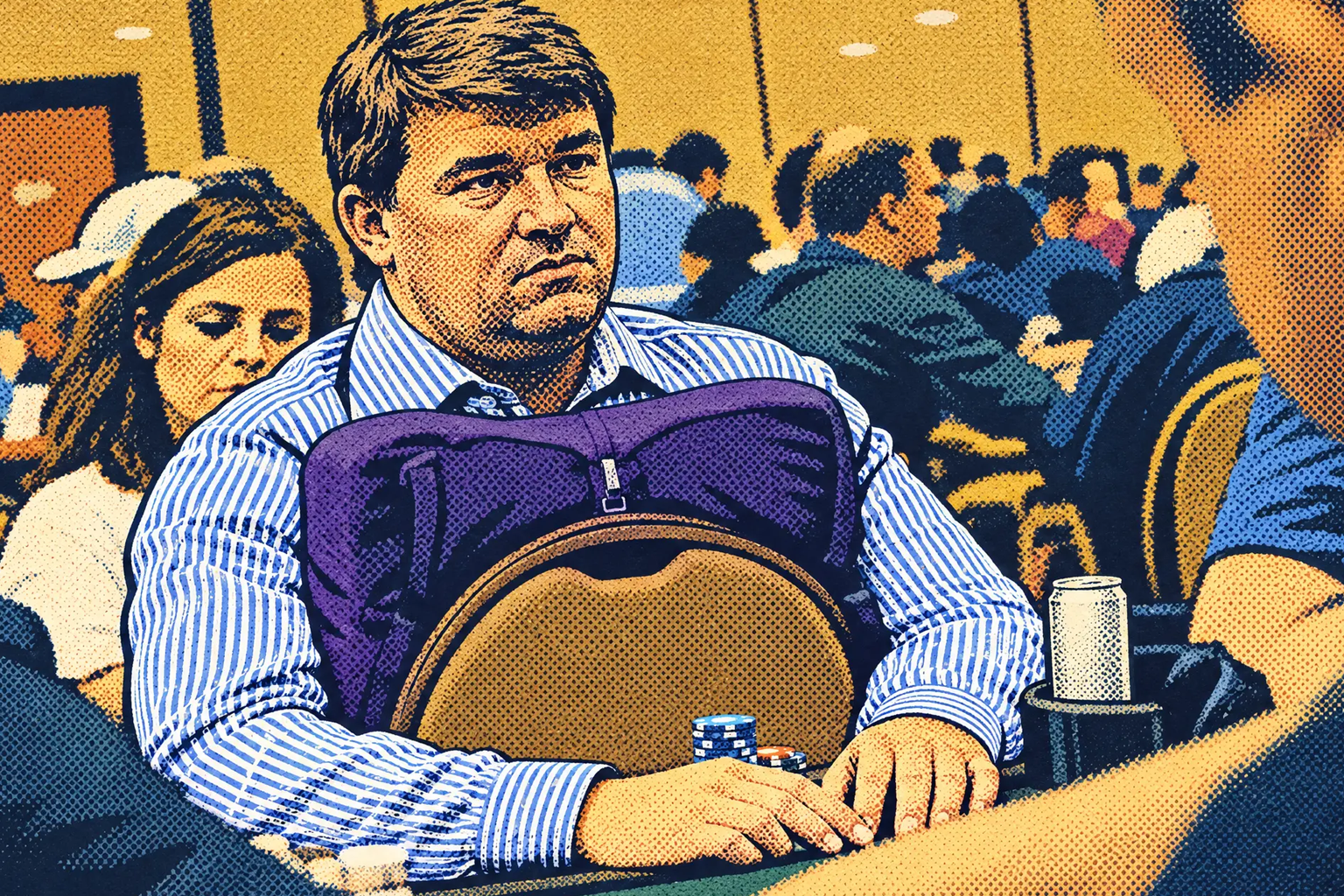
Before 2003, tournaments like this barely existed. There was nowhere to play. Now there’s a satellite running somewhere, every day, feeding new players into bigger and bigger fields. I didn’t set out to cause any of that — I registered an $86 satellite by accident, thinking it was a cash game. But the door that opened because an online qualifier won stayed open, and it’s still pulling in new faces every summer.
That’s really the whole engine behind this question. It’s not that today’s players are somehow different people than the ones who showed up in 2003. It’s that the on-ramp is wider than it’s ever been. If you want to see how wide, ACR runs satellites into major events year-round now — same basic idea as the one that got me into trouble in 2003, just a lot more of them.
What He’s Actually Watching For
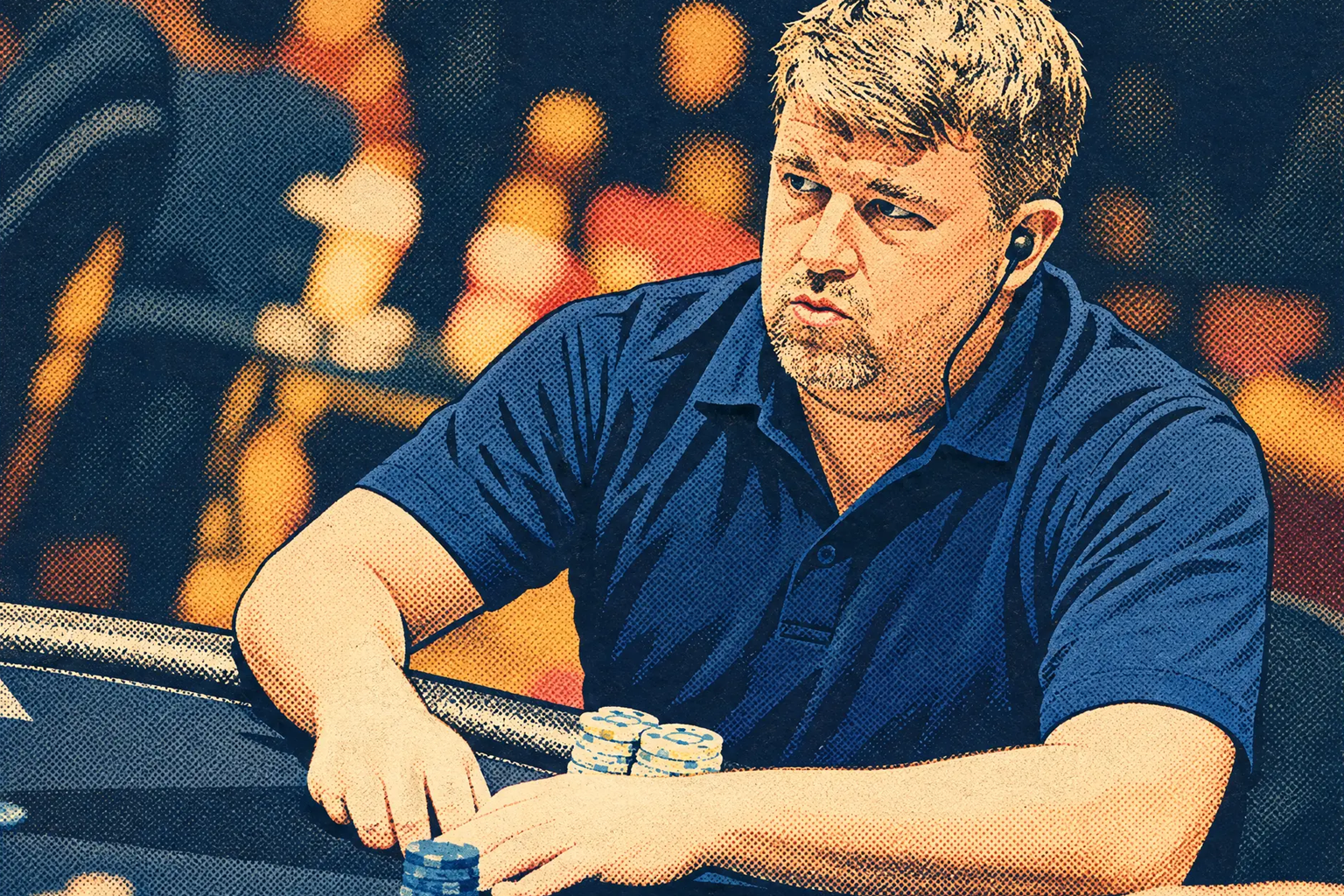
It’s not the big bluff. Anybody can run one good bluff and get a highlight clip out of it. What I actually watch for is how a new player handles the hour after they lose a big pot. Poker is about controlling your emotions and how those emotions affect your decisions. That’s it. That’s the whole test.
I’ve done coaching work over the years — with people like Chip Leader Coaching, Joe McKeehen, Faraz Jaka, and the team at Elite Poker Coaching — and the players who actually break through aren’t always the sharpest technically. They’re the ones who don’t unravel. More than anything else: patience. Not getting too emotional. Not reacting to situations. Say that to a room of new players and half of them nod like it’s obvious. It isn’t. Most people find out the hard way, usually on national television.
The Field Behind Every New Face
Part of why there’s always a new name to talk about is simple math. The Main Event field didn’t just grow after 2003 — it kept growing, decade after decade, and every extra thousand players is a few hundred more people nobody’s heard of yet.
| Year | Main Event Entries | First Place Prize |
|---|---|---|
| 2002 | 631 | $2,000,000 |
| 2003 | 839 | $2,500,000 |
| 2010 | 7,319 | $8,944,310 |
| 2019 | 8,569 | $10,000,000 |
| 2023 | 10,043 | $12,100,000 |
Same tournament. A field more than ten times the size of the one I played. Of course there’s a new face worth talking about every year — there’s more people than ever with a shot at being one.
I still play the Main Event most summers, still sit down not knowing every name at the table, same as 2003. The difference is I’m not the one people are trying to place anymore. I’m the guy other new faces glance at twice before they realize who I am, then get back to their cards. I like that part. Keeps the story honest.