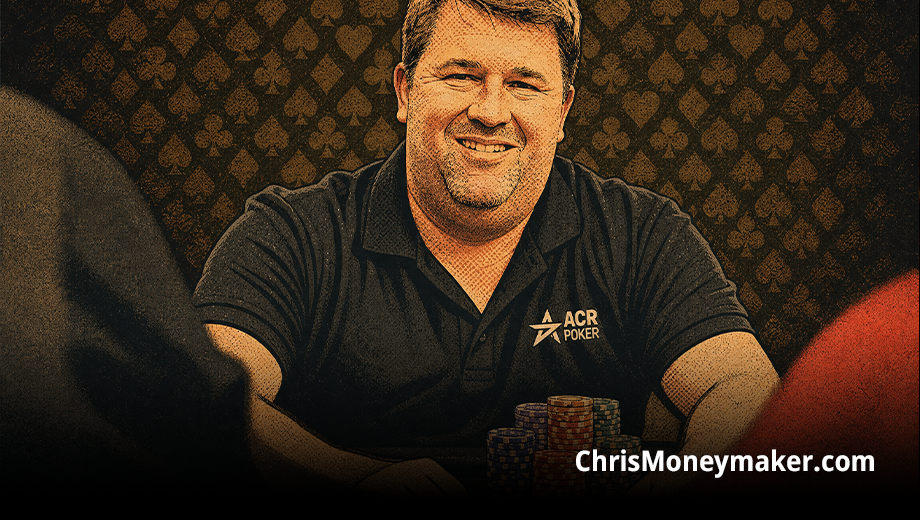

In 2003, I played the biggest hand of my life — a bluff against Sammy Farha with 5-4 on a board that gave me nothing — in front of maybe a few hundred people, half of whom weren’t paying attention. Nobody at home even knew it happened yet. ESPN didn’t air the broadcast until August, months later. I found out I was famous around the same time everybody else did.
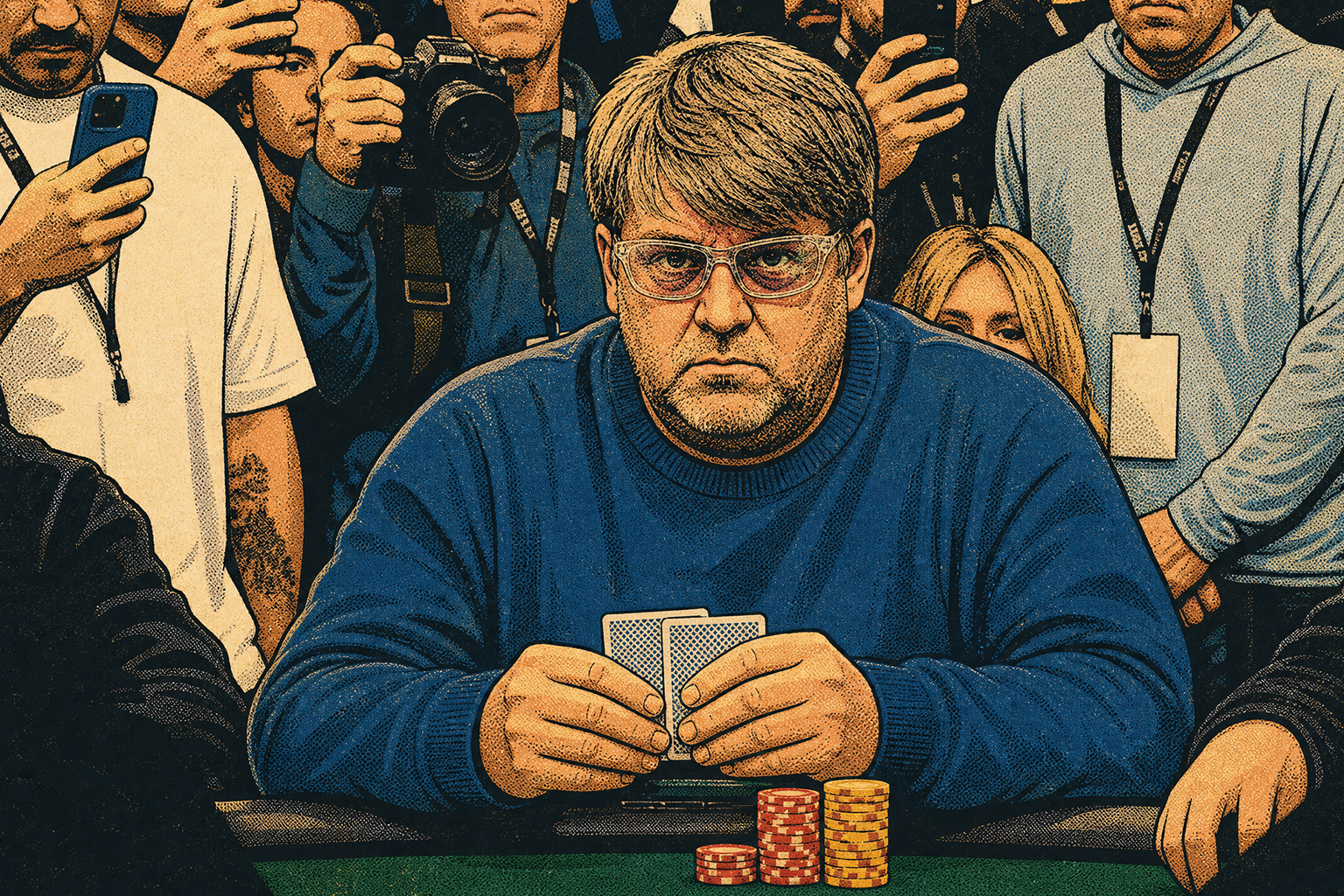
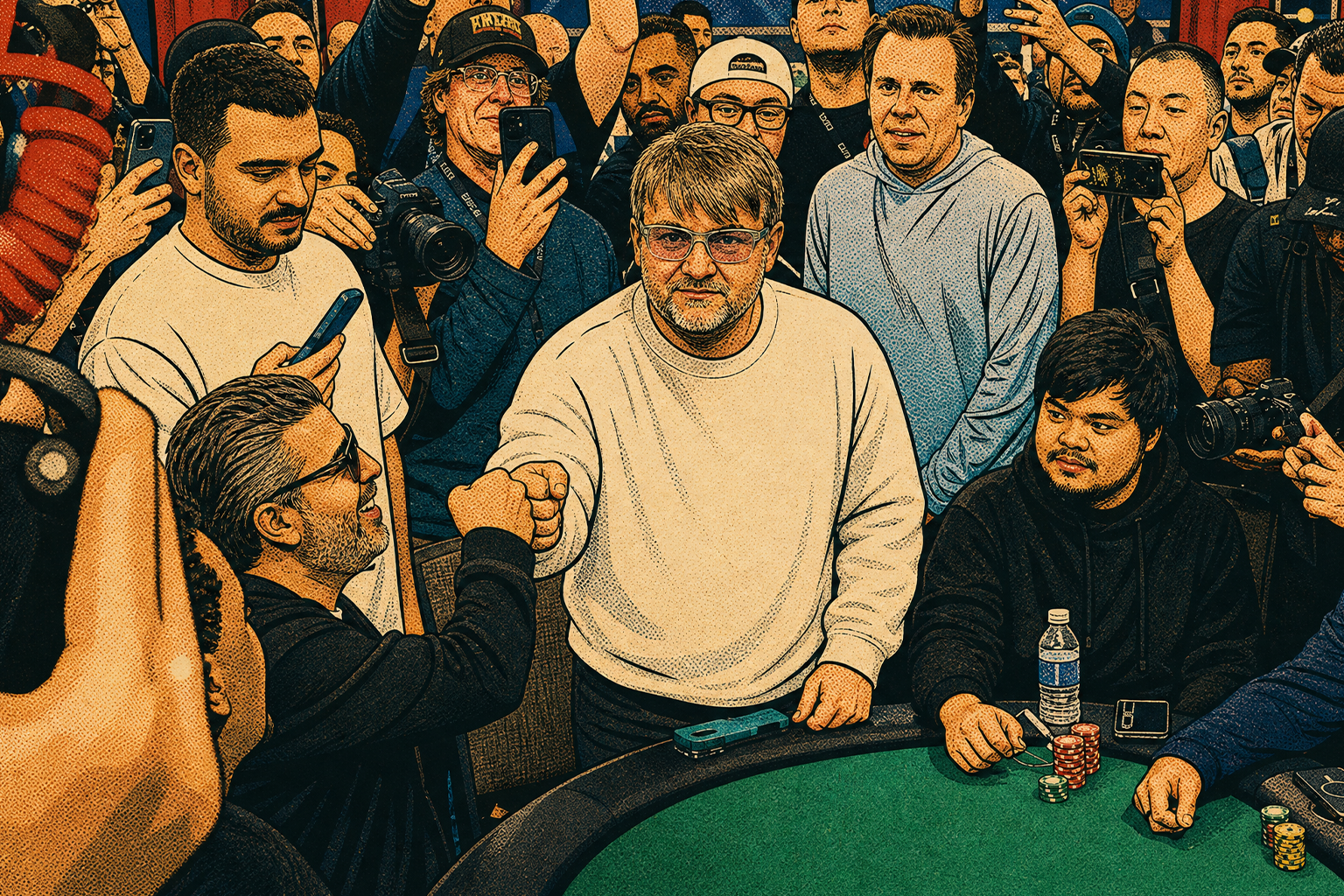
These days it’s different. I sit down at a televised final table and there’s a rail three or four deep, a livestream running, and people who came specifically to watch me. Same game. Completely different job.
The Table Where Nobody Was Watching
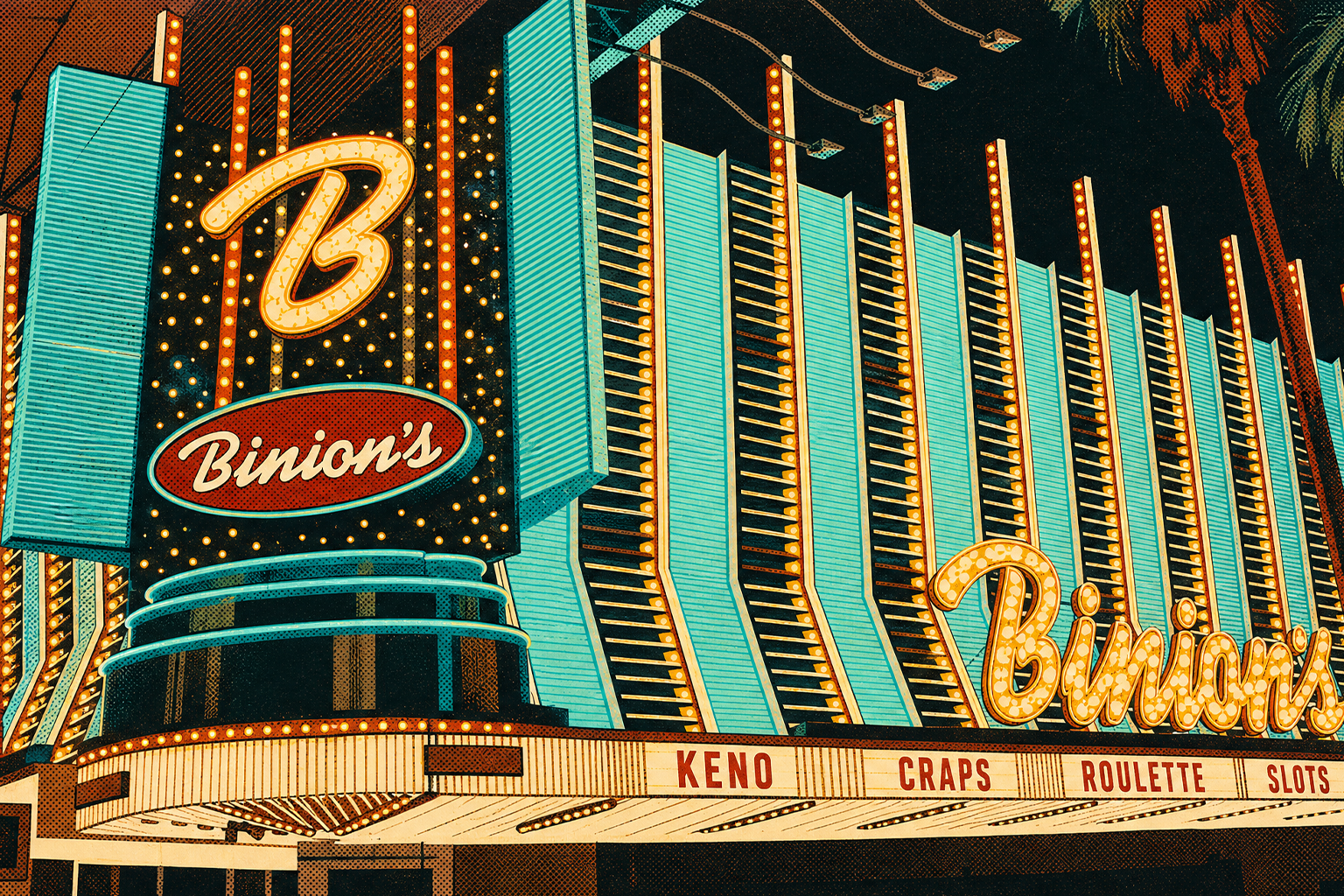
The ceilings at Binion’s felt about six feet tall. They’d pulled the slot machines out of a small room above the casino and replaced them with poker tables. Players were tracked by hand on a whiteboard with a magic marker. Years earlier there’d been so much cigarette smoke in that room you had to duck below it just to breathe.
That’s where the 2003 Main Event happened, in front of whatever crowd wandered up from the casino floor. I didn’t recognize almost anyone in the field. I only knew three names going in: Phil Hellmuth, Doyle Brunson, and Johnny Chan. When I saw a young guy with a big stack who turned out to be Phil Ivey, I had no idea who he was. He didn’t scare me, because I had no reason to be scared.
I played the whole tournament the way I’d play any tournament, because as far as I knew, that’s exactly what it was. Nobody told me millions of people would eventually watch the hand where I bluffed Sammy Farha off top pair. At the time, it was just me, him, and whoever happened to be standing near the rail.
What Actually Changed the Job
The Delay That Saved Me
ESPN didn’t air the 2003 Main Event until August — three or four months after I won. There was no livestream, no hole-card reveal in real time, nothing. The broadcast used hole-card cameras, which were still a fairly new idea at that level, and that’s part of what made the whole thing land so hard with viewers. But by the time anyone saw it, I’d already gone back to my accounting job and come back out again. I got to have the entire experience before I had to think about being watched.
Today There’s No Delay
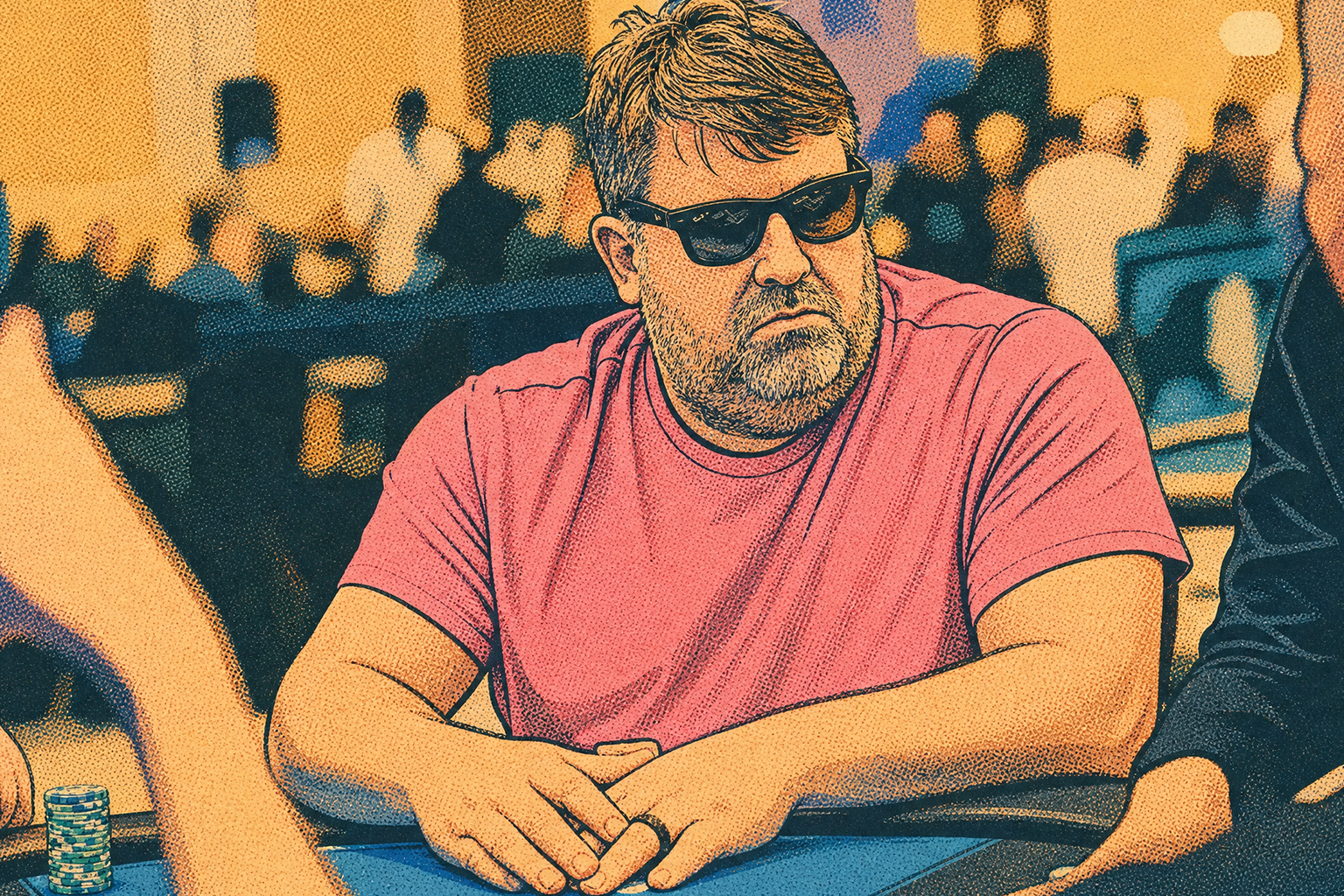
Now, at events like Triton or the WSOP Paradise, there’s a livestream running while the cards are still live, a rail watching every decision, and no months-long buffer between the hand and the audience. If I make a bad read at a final table today, people are reacting to it before I’ve even finished stacking my chips.
I don’t think the pressure is worse. It’s just immediate. In 2003 I got to be nervous in private. Now I get to be nervous in public, on a delay measured in seconds instead of months.
Staying Myself With People Actually Watching
Once people started recognizing me, I could have started performing for it. Some guys do — they play up a persona for the cameras. I never saw the appeal, and I’m not sure I could keep it up anyway.
“I’m not putting on a show. This is just who I am on a daily basis.”
The clearest test of that is when I bust someone at a final table with cameras on both of us. If they shake my hand afterward and say it was an honor, I know I did the job right. If they don’t, the crowd watching didn’t matter — I still didn’t do it right.
How I Actually Handle the Crowd
Tuning Out the Rail
My read-people method doesn’t change because people are watching it happen. I still fold a hand, then quietly guess what everyone had, then check myself at showdown. That process needs attention, not silence — a loud rail doesn’t break it, it just becomes background noise, the same as the ceiling fans or a bad Vegas carpet.
Meditating at the Table
Between hands I meditate, or honestly sometimes just rest with my eyes open. People assume that’s some kind of mental training program. It’s really just a way to keep from burning energy on a decision that isn’t happening yet. Poker is about controlling your emotions and how those emotions affect your decisions — the crowd doesn’t get a vote in that.
Playing in Front of a Crowd: 2003 vs. Now
The game hasn’t changed as much as the room around it has. Here’s the honest difference.
| Factor | 2003 Main Event | Now |
|---|---|---|
| Live audience | Whoever wandered up from the casino floor | A rail three or four deep, there specifically to watch |
| Broadcast | Delayed 3–4 months | Livestreamed in real time |
| Hole-card cameras | Still fairly new at this level | Standard at every major final table |
| Recognition in the room | None — I was anonymous | Regular — people know who I am before I sit down |
| Where the pressure lands | Privately, months later | Immediately, in the room |
Different pressure, same decisions. That part never moved.
Every so often I’ll be at a final table with a full rail and a livestream chat scrolling somewhere I can’t see, and I’ll catch myself thinking about that cramped room at Binion’s with the low ceilings and the whiteboard. Nobody was watching the biggest bluff of my life happen in real time back then. Thousands are watching now, and it still comes down to the same thing it always did: one decision, made quietly, regardless of who’s in the room.