

The first time I played a serious tournament, I didn’t understand what happened when the clock hit zero and everything got more expensive. I’d been sitting there fine, and then suddenly my stack that felt comfortable ten minutes earlier didn’t anymore. Nobody explained it to me beforehand. I just watched the blinds go up and figured out the rest as I went.
That’s blind levels in one sentence: the cost of playing a hand keeps climbing whether your stack does or not. Understanding that early saves you a lot of confusion later.
What a Blind Level Actually Is
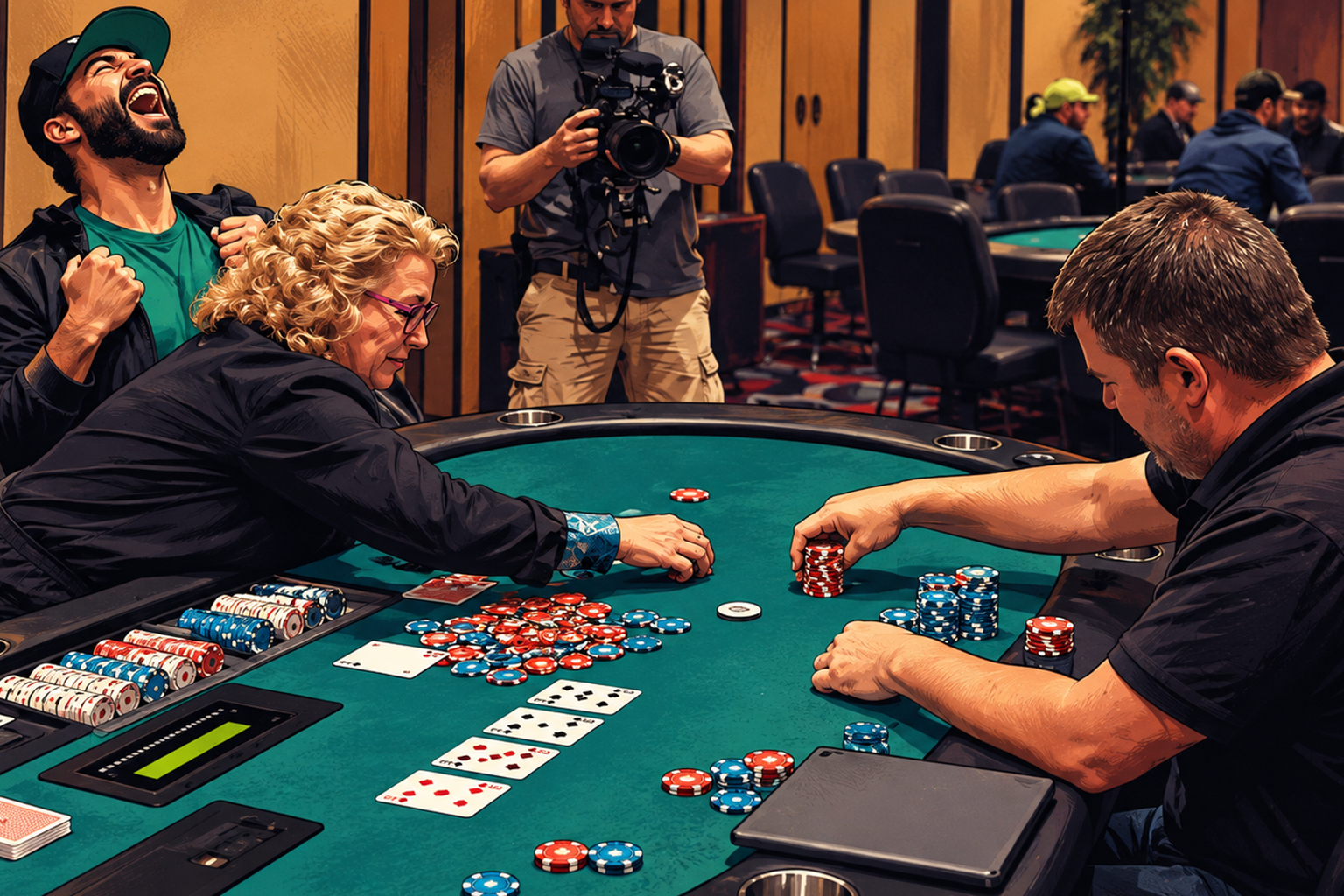
Every hand in a tournament starts with two forced bets — the small blind and the big blind — posted by the two players to the left of the dealer button before anyone sees a card. A “level” is just a set stretch of time where those forced bets stay fixed. When the clock on the wall or the screen hits zero, the blinds go up to the next level, and they don’t come back down.
Early levels are cheap relative to the stacks at the table. You can fold a long stretch of hands and barely notice it. Late levels are the opposite — the blinds and antes eat into your stack fast enough that sitting around waiting for a premium hand can cost you the tournament by itself.
In 2003, I started Day 1 with a 10,000-chip stack. By the end of that first night I’d bagged up 60,000. The blinds were still small compared to that pile early on, which is exactly why the early levels let you play a more patient game than the later ones will ever let you.

Why the Blinds Keep Climbing
It Forces the Tournament to End
If blinds never went up, a tournament with a few hundred players could theoretically run for days without anyone being forced into a decision. Rising blinds put pressure on stacks over time, which is what turns a huge field into a final table instead of a standoff.
What the Ante Actually Does
Once antes come into play, usually a few levels in, every player at the table puts a small amount into the pot before the hand even starts, not just the two players in the blinds. That makes every pot bigger before a single card is dealt. Antes are a big part of why the pace of a tournament picks up even when nobody’s stack has changed dramatically — the pot getting bigger by itself pushes people into more decisions.

Why This Matters More Than People Think
A lot of players think about their stack in chips. What actually matters is your stack relative to the blinds — how many rounds you could survive folding everything if you had to. Ten thousand chips means one thing at a small blind level and something completely different a few levels later. Same number, completely different situation.
That’s the number I’d tell any beginner to actually track — not your chip count by itself, but your chip count against the current blinds. It tells you how much time you actually have to be patient, and when patience stops being an option. If you want to feel that shift for yourself without a $10,000 buy-in, the low buy-in stops on the Moneymaker Tour run on the same structure logic.
What I’d Tell a First-Timer
Watch the Clock, Not Just Your Cards
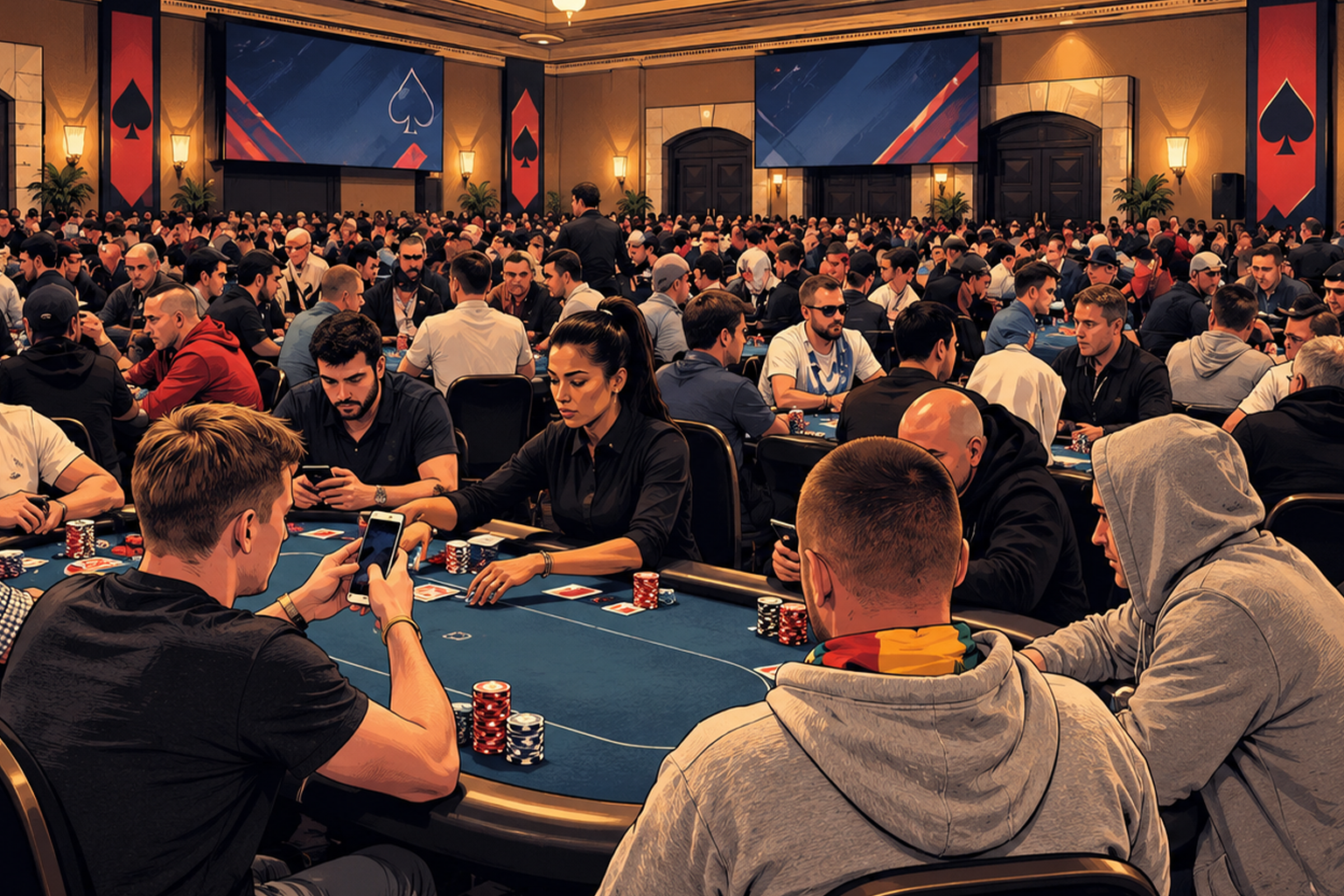
Know how many levels are left before a break, and know roughly how many big blinds you’re sitting on. That single habit will save you from more mistakes than any specific hand strategy will.
The Mistake Beginners Make
They play early levels like they’re already late levels — pushing small edges because they’re nervous, when the blinds are cheap enough that patience costs them almost nothing. The blinds will tell you when it’s time to get urgent. You don’t have to guess.
Nobody explained blind levels to me before my first big tournament, and I got through it anyway by paying attention and adjusting as I went. You’ll figure it out faster than I did if you just remember the one thing that matters: the blinds don’t care how good your hand is, and they don’t wait for anybody. That’s most of tournament poker, actually — not the cards, just the clock.