
Two tables left. That’s the stretch of a WSOP Main Event where the whiteboard starts mattering more than anything on the felt. I remember it from 2003 the way you remember a long yellow light — nothing dramatic happens for a while, and then suddenly everything does. A double-digit number of players, two tables, and every single one of them thinking the exact same thing: don’t be the guy who busts here.
People ask how I’d play that stretch today. The honest answer is the same way I played it back then — carefully, and mostly waiting for someone else to make the mistake first.
Why This Stretch Plays Different
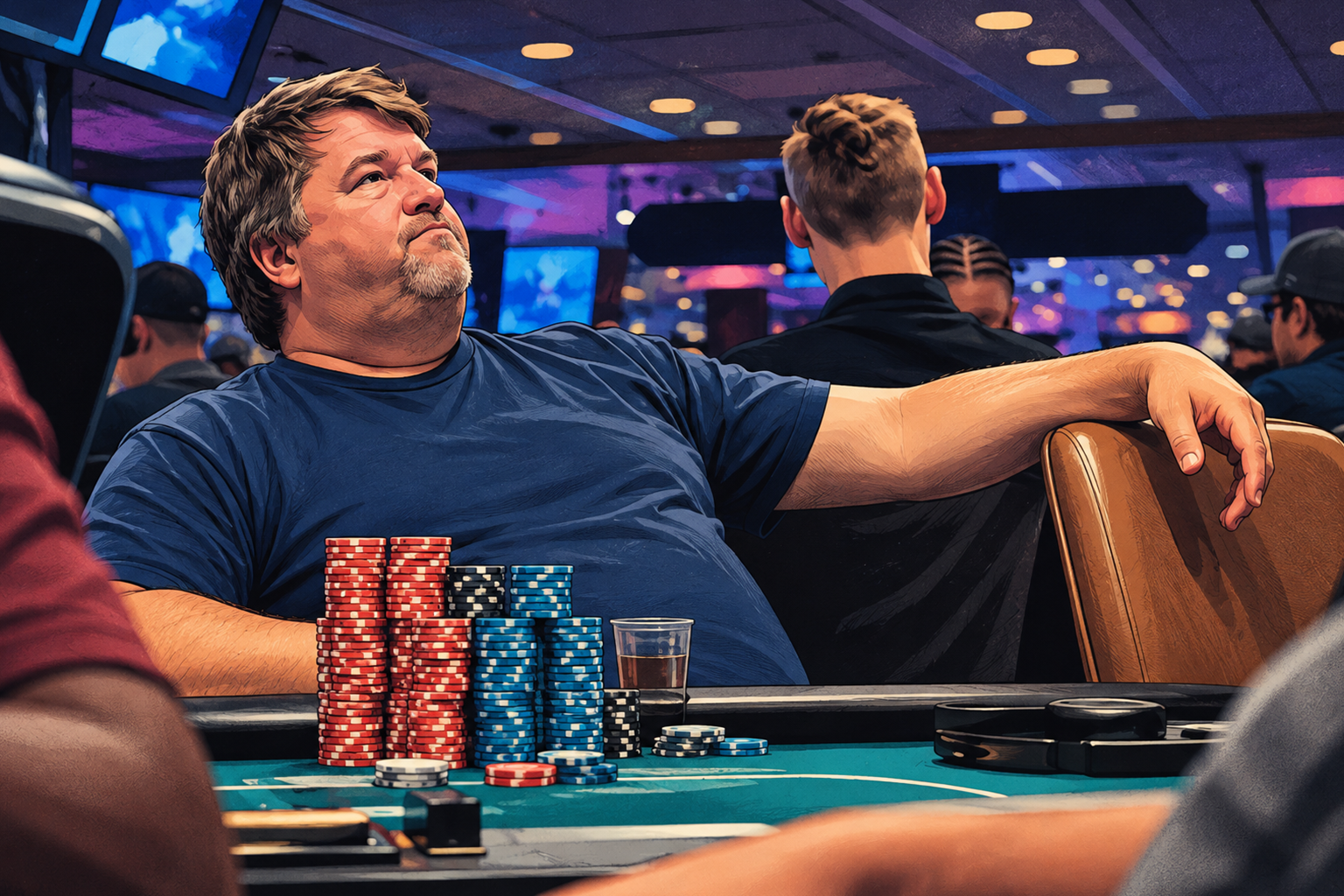
Two tables out from the unofficial final table is its own kind of pressure, and it’s not the same pressure as Day 1. On Day 1, busting just means you go home. Two tables left, busting means you watched everyone below you get paid more for lasting five more minutes than you did. That difference changes how people play, and not always for the better.
Some players get tight and start folding hands they’d normally play, just trying to survive into the next pay jump. Others go the other way and start forcing action because they’re tired of waiting. Both are mistakes if they’re not backed up by your actual stack and the stacks around you. I played it patient in 2003 because I didn’t have a reason not to — I had chips, and chips buy you the right to wait.
The players who struggle here usually aren’t struggling with the cards. They’re struggling with the math of what a min-cash is worth to them personally, and that number is different for everybody at the table.
What I’m Actually Watching For
Short Stacks Looking to Jam
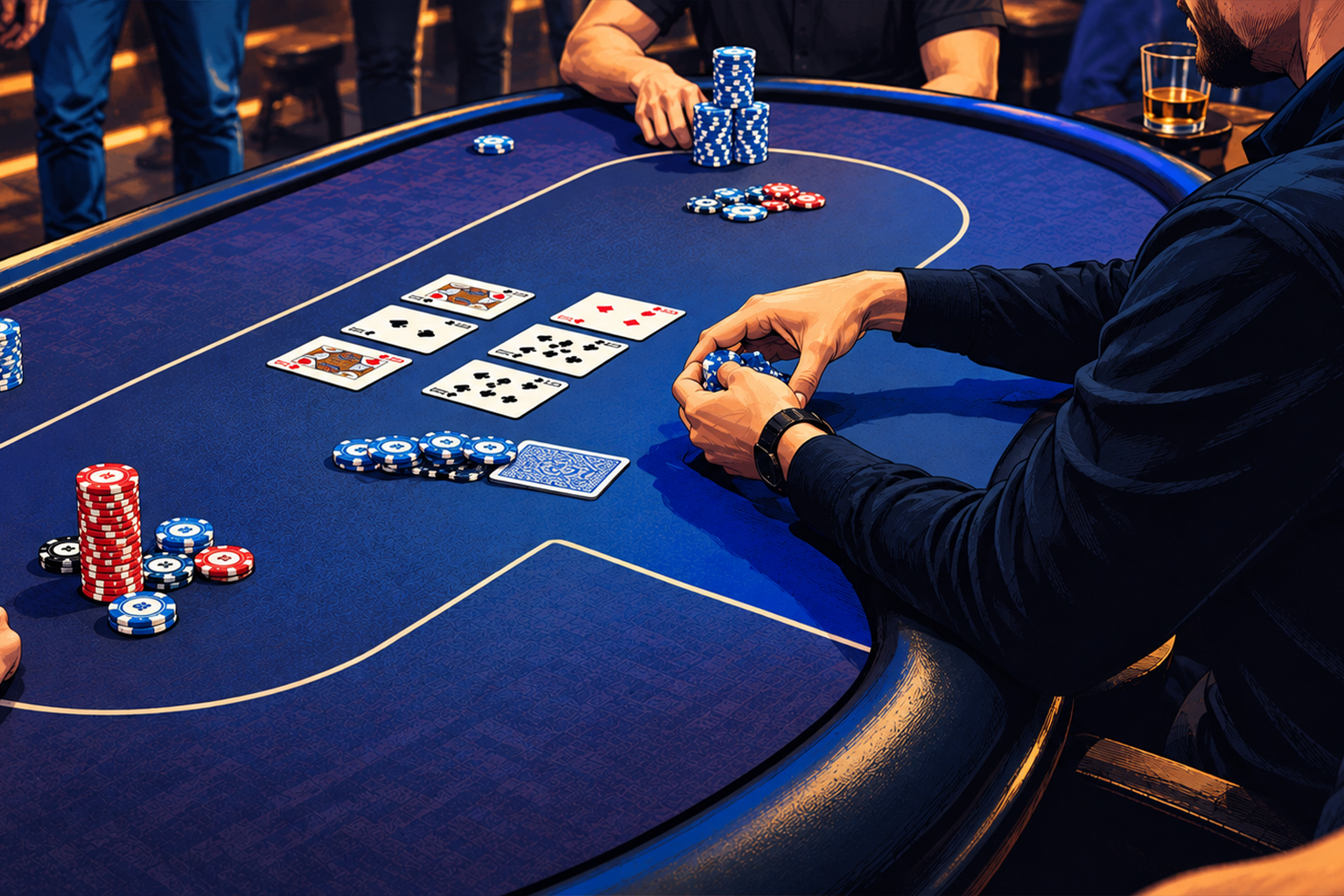
At two tables left, somebody’s always sitting on a stack that can’t survive much longer. Those players are looking for a spot to get their chips in, not looking to play a hand. I don’t fold to that pressure automatically, but I know what it means when it shows up — a raise from a short stack here is a different animal than the same raise from Day 1.
Reading Hands, Not Just Players
When I fold, I don’t stop paying attention. I watch the rest of the hand and guess what everyone’s holding, then check myself against the showdown when there is one. Do that for a few hours and you know more about the table than most of the players sitting at it. That habit matters more here than anywhere else in the tournament, because the information you’re gathering is about to decide which pots are worth fighting for.
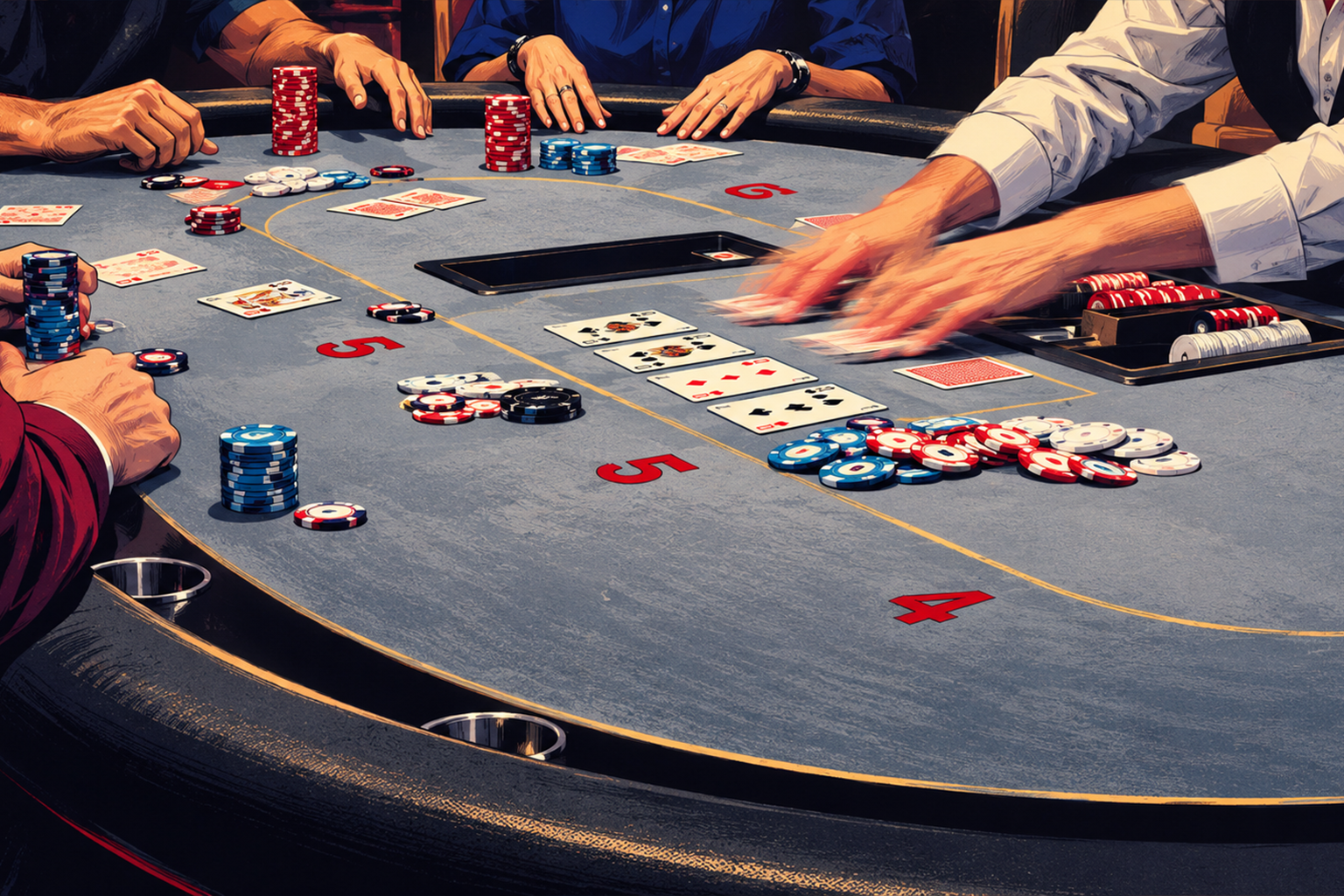
Chips Mean Something Different Here
Early in a tournament, a chip is just a chip. Two tables left, a chip is also leverage — over the short stacks who can’t afford to call you, and over the medium stacks doing math about pay jumps in their head instead of playing their cards. I used that in 2003 without fully realizing what I was doing. I just knew I had a big stack and other people seemed nervous about theirs.
That’s most of what “how I’d play” comes down to at this stage: less about finding a perfect hand and more about reading who at the table is playing scared and who isn’t. If you want to feel that pressure yourself at a much smaller price tag, the low buy-in stops on the Moneymaker Tour will put you through the same math on a Tuesday night.
How I Actually Adjust
With a Big Stack
I apply pressure on players who can’t afford to lose a race, and I leave the other big stacks alone. There’s no upside in a coin flip against someone who can absorb it just as easily as I can.
With a Medium Stack
I tighten up slightly, but not into a shell. Getting card-dead and passive here is its own way of busting — you just do it more slowly, one blind level at a time.
The Mistake I See Most
Players trying to fold their way into the next pay jump. It feels safe. It’s usually the opposite. You end up with a stack too short to do anything with by the time the blinds catch up to you.
Two Tables Left vs. the Actual Final Table
People lump these together. They’re not the same stretch, and they don’t play the same.
| Factor | Two Tables Left | The Actual Final Table |
|---|---|---|
| Pressure source | Pay jumps, unknown stacks at the other table | Everyone’s stack is visible, cameras are on |
| Table talk | Minimal — players are focused | More of it, it’s part of the show |
| Who you’re watching | Two tables of mostly strangers | Eight players you’ve been studying for hours |
| Biggest risk | Overreacting to a min-cash | Overreacting to the cameras |
By the time you’re at the actual final table, you already know these people. Two tables out, you’re still just trying to figure them out fast enough to matter.
I got through that stretch in 2003 mostly because I still had a big stack and hadn’t done anything to give it away. That’s not a strategy so much as a description of luck holding up. The strategy part — watching stacks, reading who’s scared, not folding into a shell — is the part that’s actually repeatable, whether you’re playing for $2.5 million or a local ring event.