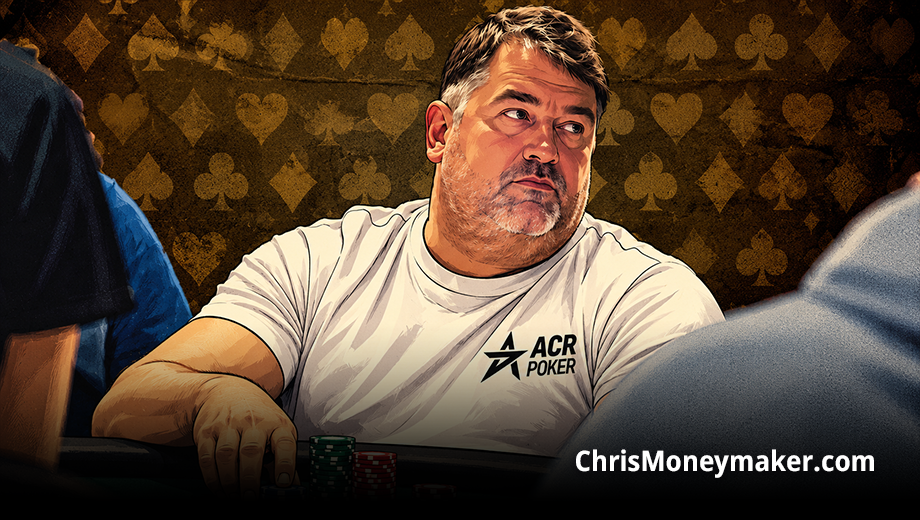

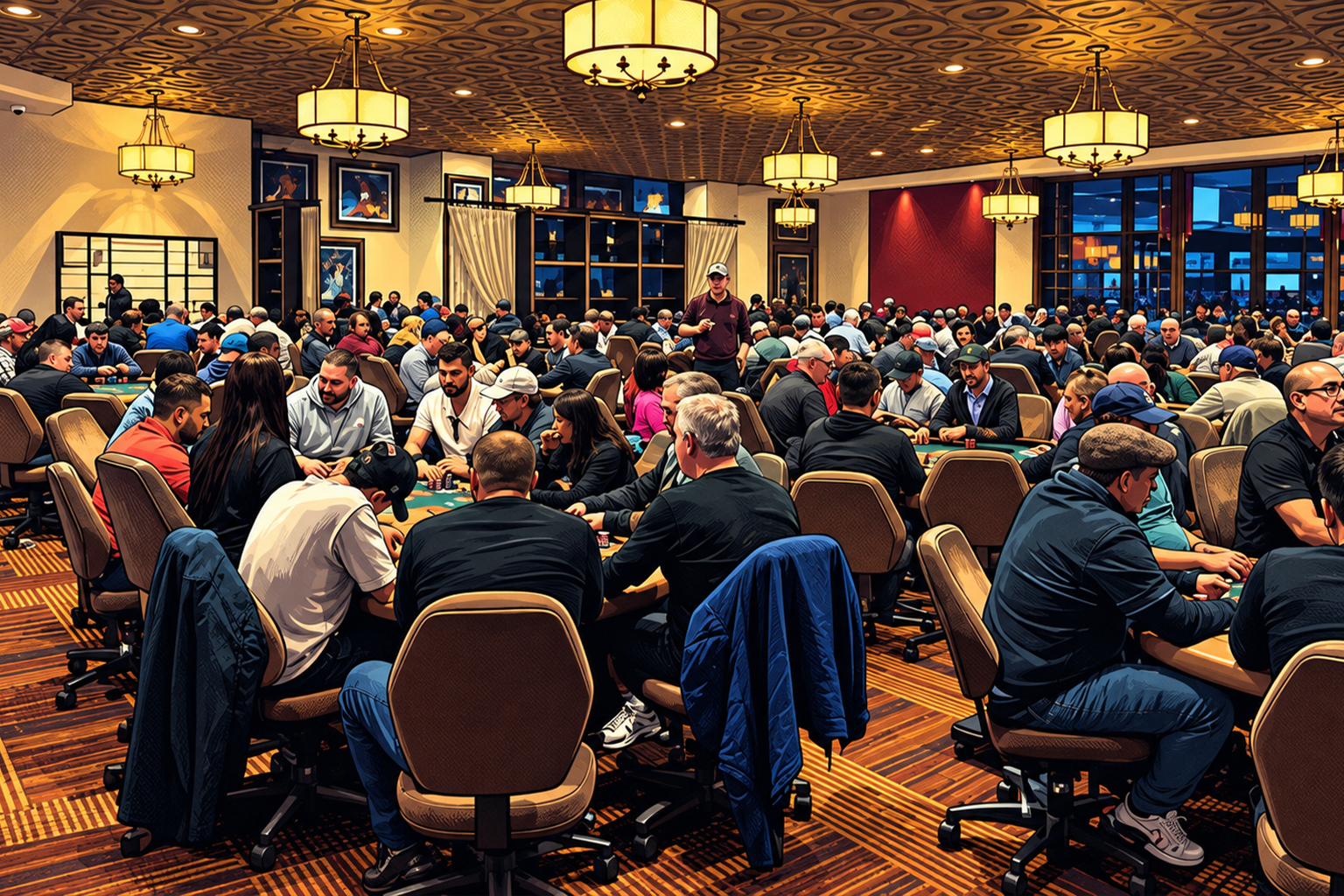
The room smelled like a casino that had been smoking indoors for forty years, because it had. Binion’s had pulled the slot machines to make room for tables, and somebody was tracking chip counts on a whiteboard with a marker that kept running out of ink. That was the room I was in on the day everything changed — not a ballroom, not a TV set, just a low-ceilinged casino floor above Fremont Street with 839 players slowly turning into one.
I didn’t know what “energy in the room” meant before that day. I do now. It’s not one thing. It’s the sound of chips getting pushed into a pot nobody’s watching, and then, all at once, the sound of everybody watching the same pot at the same time.
A Room Full of Strangers
I walked in knowing three names: Phil Hellmuth, Doyle Brunson, Johnny Chan. Everyone else was just a face and a stack. That’s an easy thing to be calm about on Day 1, when the room is packed and loud and nobody’s paying attention to any one table. It gets harder to stay calm as the tables break and the room gets smaller and quieter, and you start noticing that people are watching yours.
I bagged up 60,000 chips that first night, up from a 10,000 starting stack. Good number, not a great one — plenty of players had more. But the energy in a poker room doesn’t track your stack size. It tracks how close you are to the end. Every table that broke made the remaining ones feel louder, tighter, more alive, even though there were fewer people making noise.
By the time we got down to a handful of tables, the whiteboard with the chip counts had turned into the most-read piece of paper in the building. People weren’t watching the cards. They were watching the numbers change.
The Two Hands That Changed the Air in the Room
The Farha Bluff
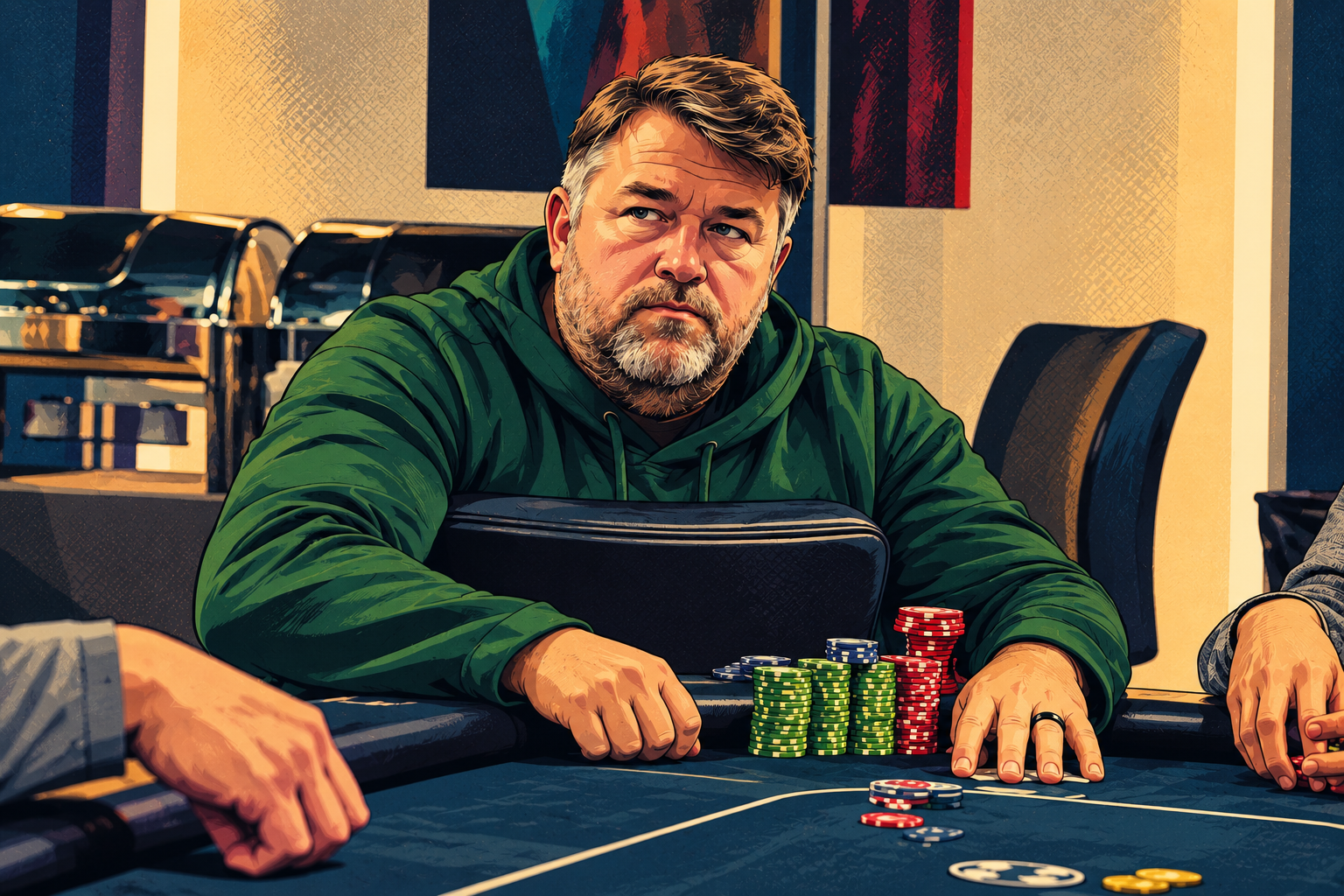
Heads-up against Sammy Farha, I had 5♦4♠ on a board of J♥5♣4♦. Bottom two pair, nothing special. I moved all-in anyway. Farha thought about it, then folded J♠ face-up — top pair, and probably the best hand at the table. The second that card hit the felt, the whole room’s read on me changed. I hadn’t just won a pot. I’d made the guy across from me question every read he’d had on me, in front of a room that was watching every second of it.
The Ivey Hand
Earlier at that table, I’d gotten into a pot with Phil Ivey holding A-Q against his pocket 9s. Flop came Q-Q-6, turn was another 9, and I won it. I didn’t know at the time I was playing the guy most people already considered the best in the world. I found that out later. In the moment, it was just another hand — until the room’s reaction told me it wasn’t.
Nobody Watching Outside That Room Knew Yet
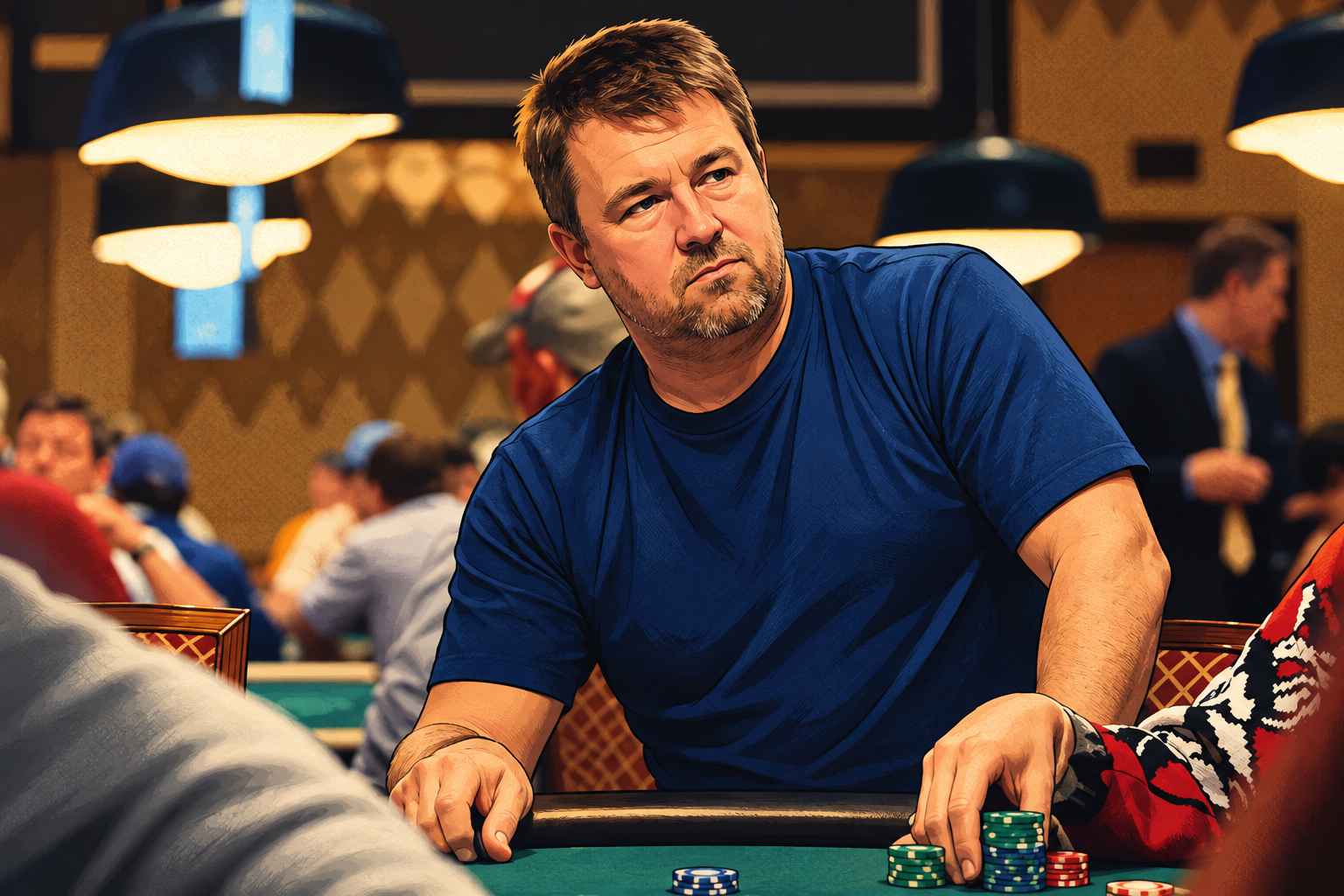
Here’s the part that’s easy to forget: almost nobody outside that building had any idea what was happening. The broadcast didn’t air until August, three or four months later. So the energy in that room on the day it happened was the only energy there was. No live audience, no online chatter, no highlight reels. Just a few hundred people packed into a casino above Fremont Street, watching a hand at a time.
That’s part of why I remember the room itself as much as I remember the cards. The feeling didn’t come from knowing what it meant — nobody in that room knew yet what it would turn into. It came from being packed shoulder to shoulder with people who understood, in real time, that something was happening in front of them. If you want to feel a smaller version of that same thing, get yourself into a live final table on the WSOP Schedule sometime. The room still does that.
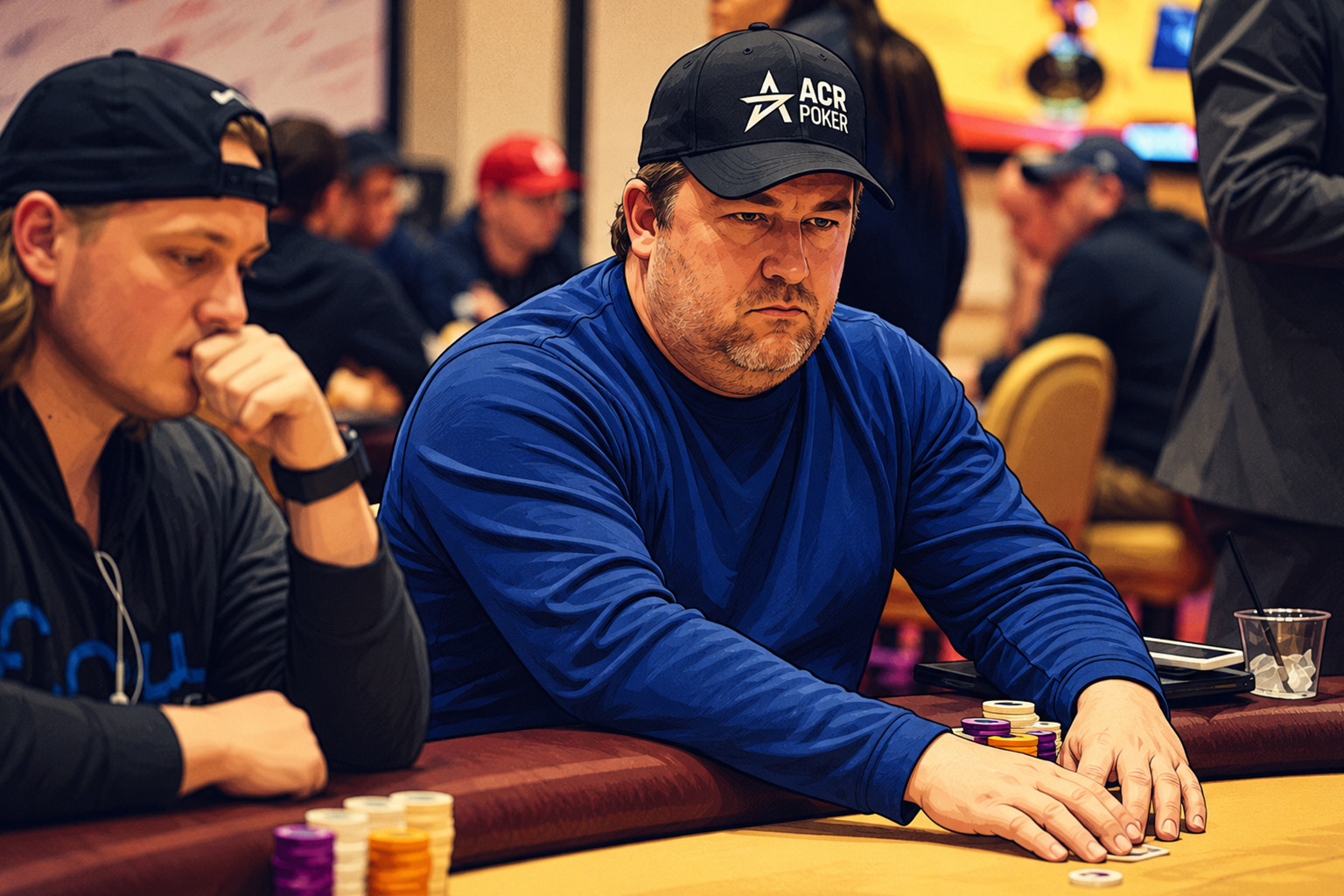
Reading a Room, Not Just a Table
Reading the energy in a room isn’t a skill separate from reading a table — it’s the same muscle, pointed outward. You notice when the crowd around a table goes quiet before the players do. You notice when a rail starts leaning in. That tells you something’s about to happen before the cards confirm it.
What the Room Told Me That I Couldn’t See at the Table
When the crowd around our table got dense and quiet at the same time, I knew we were close to a big hand or a bust-out. I couldn’t see my opponents’ cards, but I could see the room reacting to something building, and that was information too.
What It Doesn’t Tell You
It doesn’t tell you what to do with a hand. Reading the room tells you the stakes have gone up. It doesn’t play the cards for you. I still had to do that part myself.
The Room in 2003 vs. the Room Today
People who’ve only seen recent WSOP final tables have a hard time picturing what 2003 actually looked like. The game’s the same. The room around it isn’t.
| Factor | The Room in 2003 | The Room Today |
|---|---|---|
| Venue | A casino floor above Fremont Street, slots pulled for tables | Purpose-built tournament rooms and arenas |
| Chip tracking | A whiteboard and a marker | Live graphics and on-screen chip counts |
| Field size | 839 players | Several thousand most years |
| Who’s watching | A few hundred people in the building | A worldwide broadcast and stream audience |
| When people found out | Months later, on tape delay | Often the same day, live |
Same tension, different scale. That part hasn’t changed at all.
I still think about that room more than I think about the hands. Cards are cards — you can find those in a hand history. The energy in a packed room on the day something’s about to happen isn’t something you can write down. You either felt it, or somebody’s describing it to you secondhand. I got to feel it firsthand, and honestly, that’s still the part I’d take again over the money.