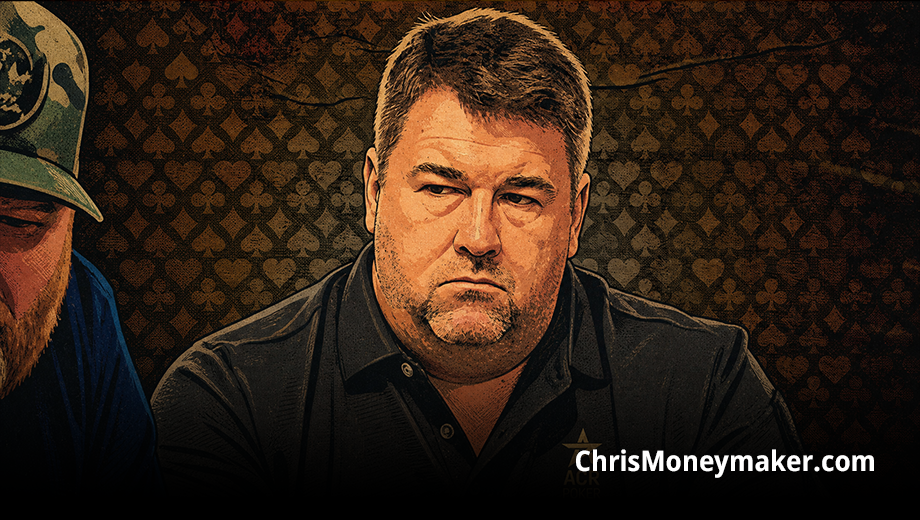

I made it to the final match of the 2011 National Heads-Up Championship on NBC. One win away from a second title. No hole cards to hide behind, no table full of strangers to read — just one guy across from me and a camera crew waiting for someone to bust. I lost. Second place, three hundred thousand dollars, and a long flight home replaying every decision I’d made that day.
People hear “second place” and figure that’s a good result. It is, on paper. But heads-up poker doesn’t leave you anywhere to hide. There’s no min-cash story, no “ran deep and busted on the bubble.” There’s just you, one other person, and a result with exactly two possible endings.
One Match Away From Another Title
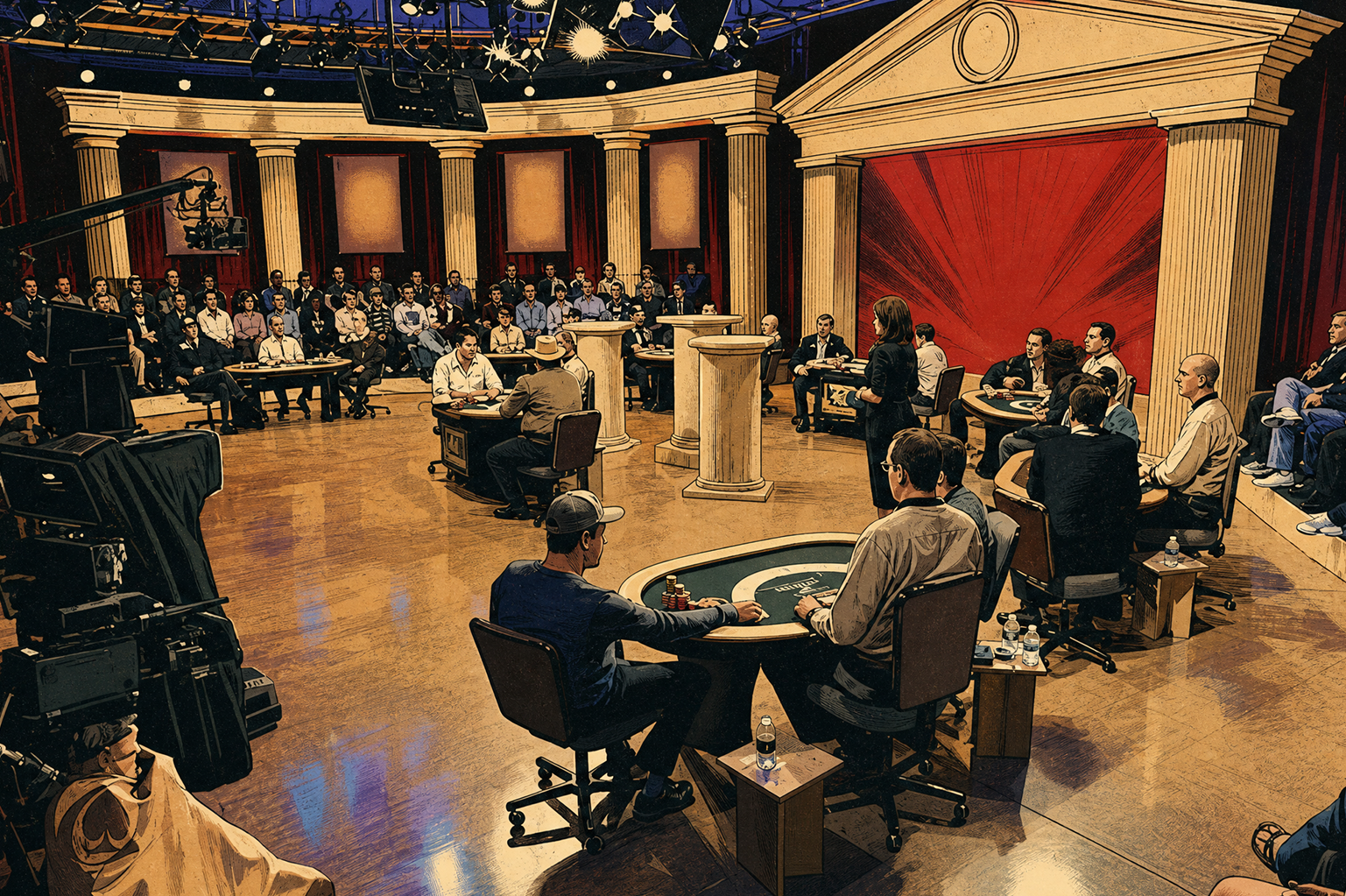
The National Heads-Up Championship on NBC was built around one idea: strip away the table, the crowd, the multi-way pots, and put two players across from each other until one of them is out of chips. I’d already won the biggest tournament in the game back in 2003. That doesn’t mean anything once you’re heads-up. Nobody cares what happened eight years earlier. You’re just the guy across the table now.
I won match after match to get to that final. Each one heads-up, each one a straight must-win. By the time I sat down for the last match, I’d already spent the tournament doing the thing heads-up poker actually rewards — staying patient, not reaching for hands that weren’t there, letting the other guy make the mistake first.
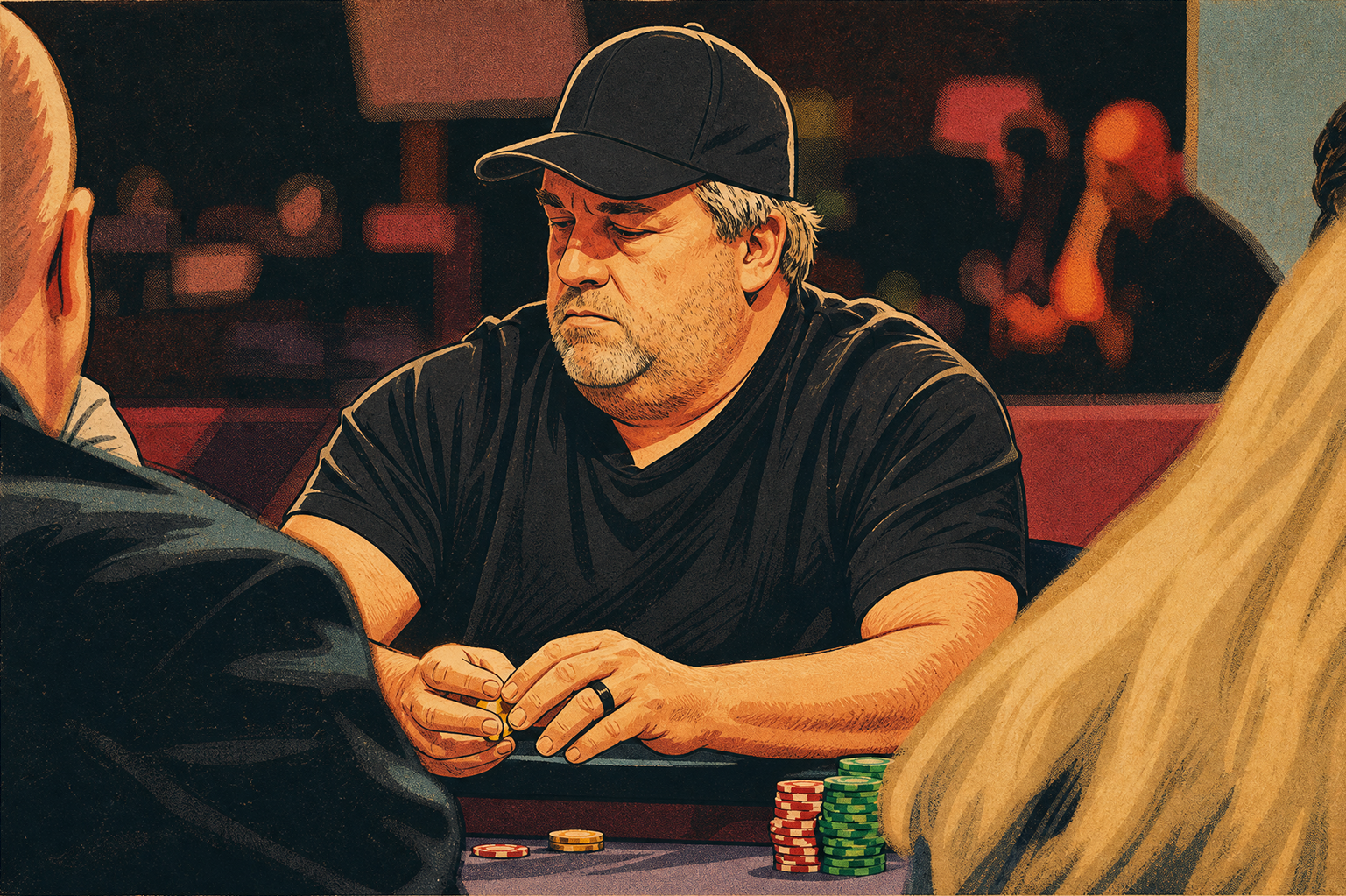
Then I lost the last one. Simple as that. No excuse, no bad beat story I need to tell to make it feel better. I played a match, and the other guy played it better that day, or ran better, or both. Second place. Three hundred thousand dollars. Not the result I flew out there for.
The Part That Actually Hurt
Why Second Place Doesn’t Feel Like Second Place
In a normal tournament, second place still means you outlasted almost the entire field. There’s a hundred people who busted before you, and you can feel good about that on the drive home. Heads-up doesn’t work that way. There’s exactly one other person left when it ends, and the only two outcomes are you holding a trophy or you’re not. I didn’t lose to a field. I lost to one guy, in one match, and there’s no room in that math to feel like you did well.
What Nobody Tells You About Runner-Up
Nobody throws you a parade for second. There’s a check, a handshake, and then you’re back to being a regular person with a flight to catch. I’d been through something like this before, just from the other side — when I won in 2003, I went back to work on Monday like nothing had happened. Losing that heads-up final in 2011 had the same flatness to it, just pointed the other direction. The result changes. The Monday after doesn’t.
What Losing That Match Taught Me
I ran good to win in 2003. I’ve said that myself — I’m smart enough to know that wasn’t sustainable, that beating a field like that as an amateur takes more than skill. Losing that heads-up final in 2011 was the other side of the same coin. Some days the cards run for you. Some days they run for the guy across the table. You can play a match well and still lose it. That’s not an excuse — it’s just how the game works if you play it long enough.
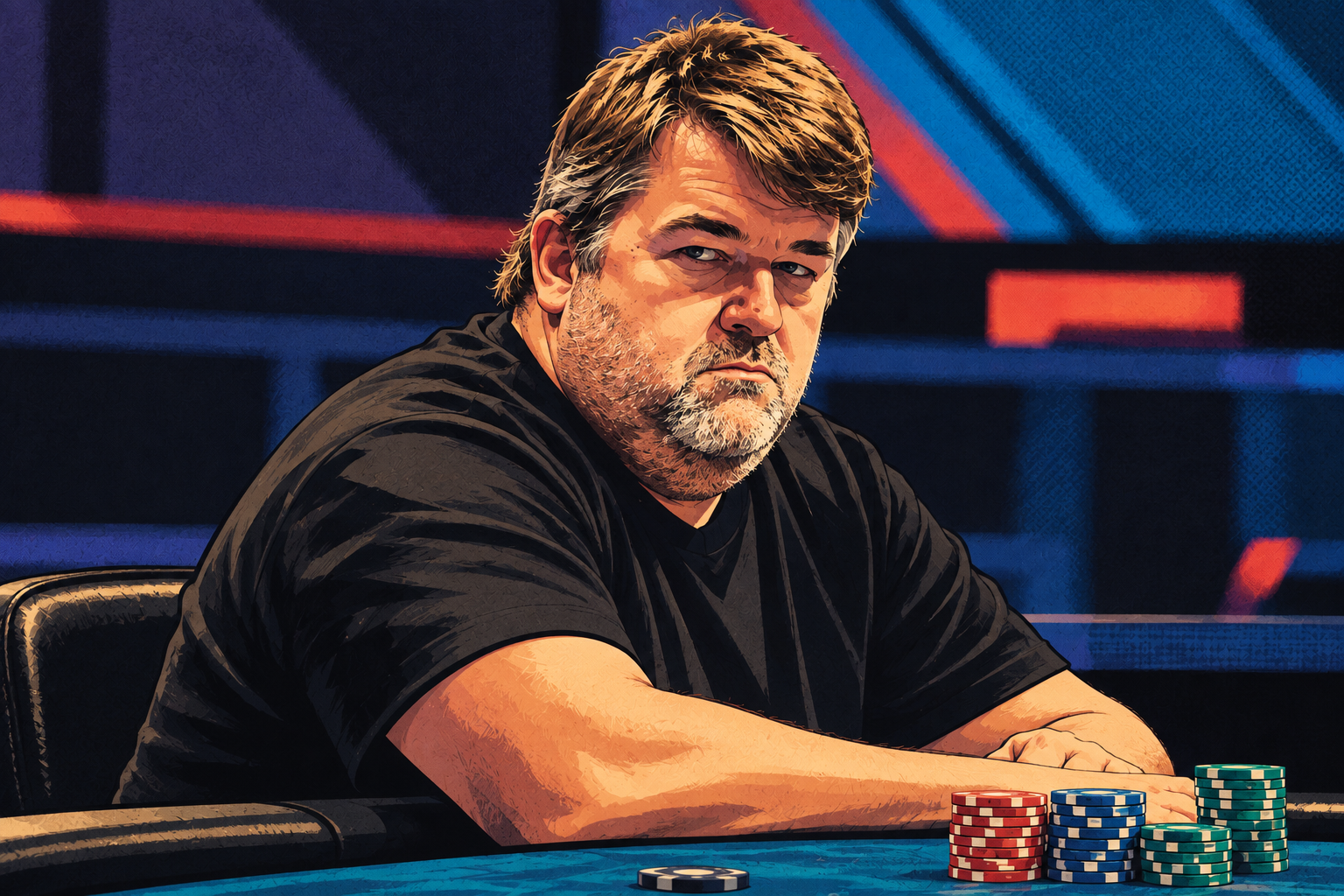
“Poker is about controlling your emotions and how those emotions affect your decisions.” That’s the part that actually matters after a loss like that one. Not whether you’re upset — you will be — but whether you let it change how you play the next hand, the next match, the next tournament. I’ve had more of these than people realize. Three final tables at Triton alone that didn’t end in a trophy. You treat the loss the same way you’d treat a bad beat mid-tournament: acknowledge it, then move to the next hand. If you want to test that patience yourself without the NBC cameras, the low buy-in stops on the Moneymaker Tour will teach you the same lesson a lot cheaper.
Controlling the Emotion, Not the Cards
People ask what changed in how I handle losses like that one. Nothing dramatic. “More than anything else: patience. Not getting too emotional. Not reacting to situations.” That’s the whole method. It’s not a system. It’s a habit.
What I Actually Do After a Tough Loss
I don’t relitigate the hand for a week. I look at what happened once, honestly, and then I let it go. If I made a mistake, I own it and move on. If I didn’t — if I just ran into a better hand or a bigger stack at the wrong time — I don’t go looking for a mistake that isn’t there just to have something to blame.
What Doesn’t Work
Sulking doesn’t work. Neither does pretending it didn’t sting. It stung. I flew home from that final the same way I’ve flown home from a dozen bubbles and near-misses since — quiet, a little annoyed, already thinking about the next one. That’s about as much drama as it gets.
Winning in 2003 vs. Losing in 2011
People assume winning and losing at the top level feel like opposites. They don’t, not entirely. Here’s what was actually different between the two.
| Factor | Winning the 2003 Main Event | Losing the 2011 Heads-Up Final |
|---|---|---|
| Format | 839 players, multiple tables | One opponent, one table |
| How it ended | I won the last hand | I lost the last hand |
| Prize | $2,500,000 | $300,000 |
| When it hit | Barely — the broadcast didn’t air until months later | Right away — the cameras were already there |
| Drive home | Numb, mostly confused | Flat, mostly annoyed |
Both times I got on a plane the next day and went back to being a normal guy with somewhere else to be. That part never changes.
I still play heads-up when the format comes around. I don’t avoid it because of 2011, and I don’t chase it down to settle a score either — that’s not how any of this works. Most people who ask about that final want a bad beat story. There isn’t one. I played, I lost, and I flew home the next day. The rest of that year had a lot more poker in it than just that one match, which is probably the only reason it doesn’t feel bigger than it was now.