

I get this question a lot from people who’ve never played a tournament in their life: is the WSOP Main Event actually worth it if you’re never going to be a pro? Short answer — yes, but not for the reason most people think. It’s not about the money. Most people who buy in aren’t walking away with any.
What You’re Actually Paying For
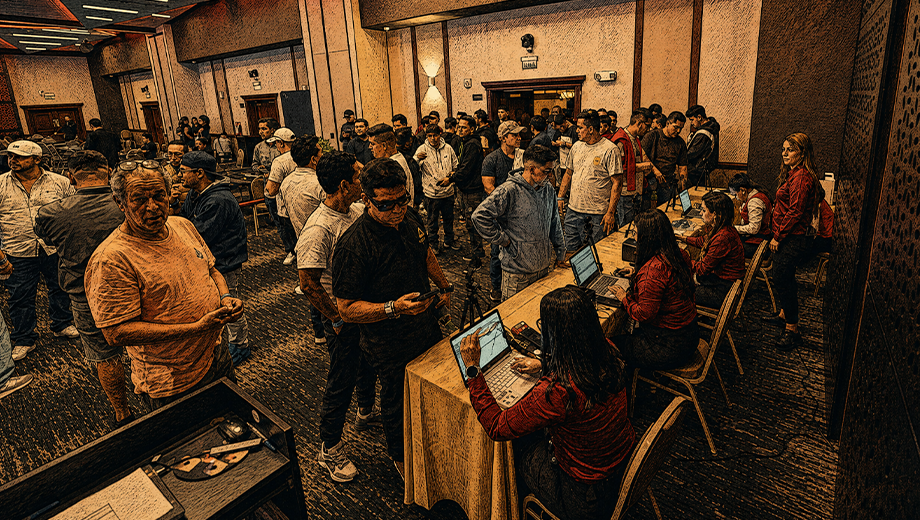
The buy-in gets you a seat in the same room, at the same stakes, in the same tournament as the best players in the world. I entered the 2003 Main Event through an $86 satellite that turned into a $615 qualifier with 69 players, which gave away three Main Event seats. I didn’t pay the full buy-in myself and I still walked away changed by it — not because I won, but because of what the whole experience showed me about what was possible.
That’s the actual product. It’s not a strategy lesson. It’s proof that the game doesn’t have a velvet rope.
The Honest Trade-Off
What You’re Not Getting
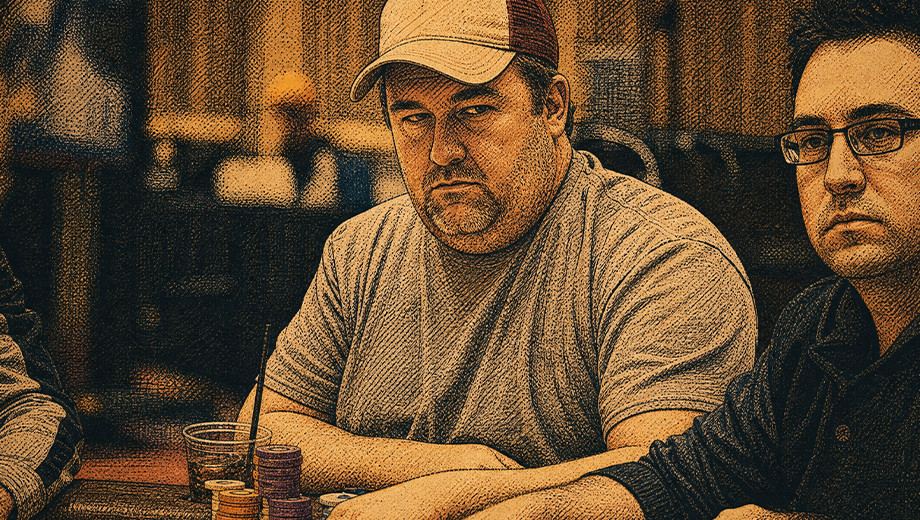
You are very likely not getting your money back. That’s just math. A field of thousands means most people bust before the money, full stop. If you’re doing this as an investment, it’s a bad one. I don’t want to inspire people to be professional poker players. I want people to enjoy the game, take chances, and see what happens.
What You Are Getting
You’re getting a story you’ll tell for the rest of your life, a seat at a table where anything can happen, and — if you’re paying attention — a real education in reading people that no book gives you. I’ve said before it’s not rocket science, it’s simple observation. You get hours of practice at that observation, against real stakes, surrounded by people who’ve been doing this far longer than you.
Why I Think About This So Much
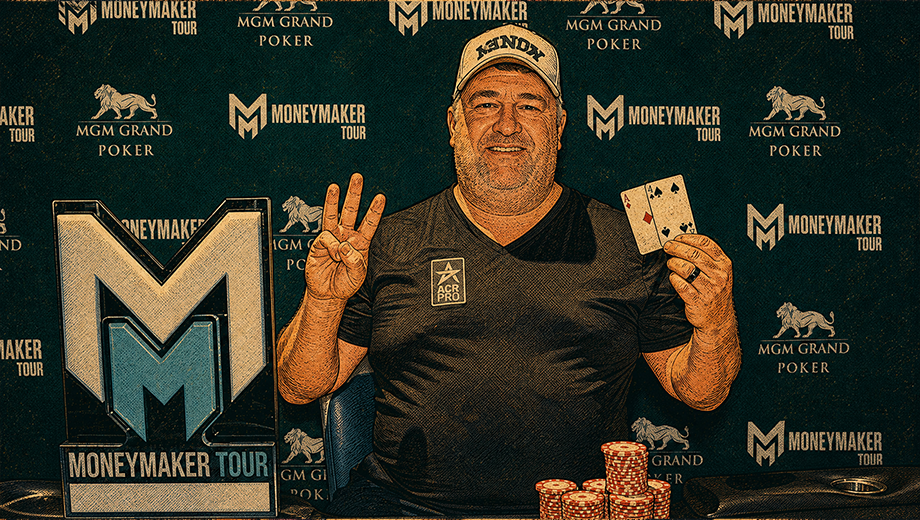
This is the exact question that led me to build the Moneymaker Tour — low buy-in live tournaments for recreational players, built around the same principle that got me to the WSOP in the first place: don’t put the game behind a wall only pros can afford to climb. Casinos were giving away seats to cash game players just to fill fields, series were canceling guarantees, and structures were too fast to give anyone a real shot. I wanted something different. Honor the guarantee. Give people enough play to feel like they actually competed.
That’s a smaller stage than the Main Event, but it’s built on the same math: the buy-in isn’t really the price of a chance to win. It’s the price of the experience itself.
Who It’s Actually Worth It For
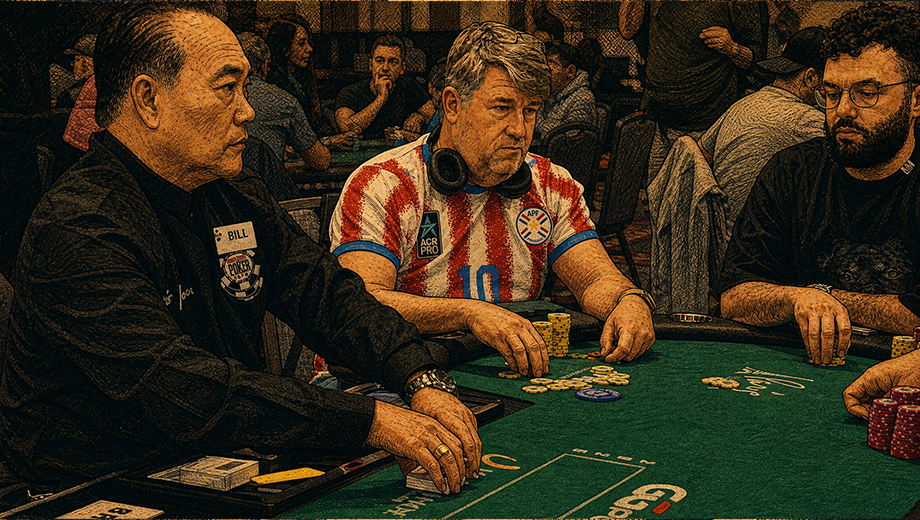
If you’re going in expecting to grind your way to a profit, skip it — go play cash games where your hourly edge, if you have one, actually compounds. But if you want to know what it feels like to sit across from players who’ve spent decades at this, if you want one shot at a story worth keeping, the WSOP Schedule will tell you exactly what that costs and when it’s running.
I’ve played the Main Event every year since 2003. Some years I’ve cashed. Most years I haven’t. I keep playing because the value was never really about the outcome.

The Bottom Line
Recreational players aren’t wasting their money on the Main Event. They’re paying for a specific kind of experience that doesn’t exist anywhere else in sports or gambling — direct access to the top of the game, no qualifying career required. Whether that’s worth it depends entirely on what you came for. If you came for the money, you’ll probably leave disappointed. If you came for the story, you’ll get one no matter how the cards fall.
Frequently Asked Questions
Is the WSOP Main Event worth it for recreational players?
Chris Moneymaker believes it is, but not as a financial investment. Most recreational players won’t recoup their buy-in. The value comes from playing in the same room as top professionals and gaining a story and experience unavailable anywhere else.
How did Chris Moneymaker himself qualify for the WSOP Main Event?
He entered an $86 satellite on PokerStars, which led to a $615 qualifier with 69 players that awarded three Main Event seats. He won one of those three seats rather than paying the full buy-in directly.
What is the Moneymaker Tour?
The Moneymaker Tour is a series of low buy-in live tournaments for recreational players, created to democratize access to live poker the same way Moneymaker’s own 2003 win did. It’s built around honoring guarantees and giving players player-friendly structures.
Does Chris Moneymaker want people to become professional poker players?
No. He’s said directly he doesn’t want to inspire people to become professional poker players — he wants people to enjoy the game, take chances, and see what happens.
Has Chris Moneymaker played the Main Event every year since 2003?
Yes. He has played the WSOP Main Event every year since his 2003 win, with results varying from cashes to early exits, consistent with a player who competes without chasing guaranteed outcomes.