
At home I’m up at 6 or 7am, same as anyone with kids. During the WSOP, that clock flips entirely. Poker player hours mean going to bed around 6am and waking up whenever the next session actually requires it. It took me years to stop fighting that shift and just build a routine around it instead.
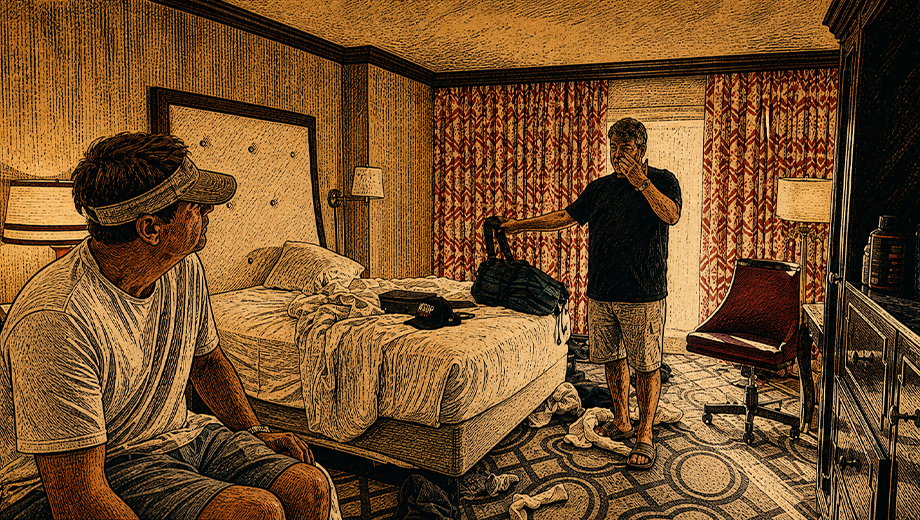
The Gym Comes First, When It Can
If I can manage it, I get to the gym before a session starts. Not for performance reasons anyone would put in a training manual — just because sitting for 12 hours is easier on a body that moved at some point that day. Skip it and you feel the difference by hour eight, when everyone else is also stiff and short-tempered and you’d rather not be one of them.
What Happens Between Hands
The iPad and the Nap That Isn’t a Nap
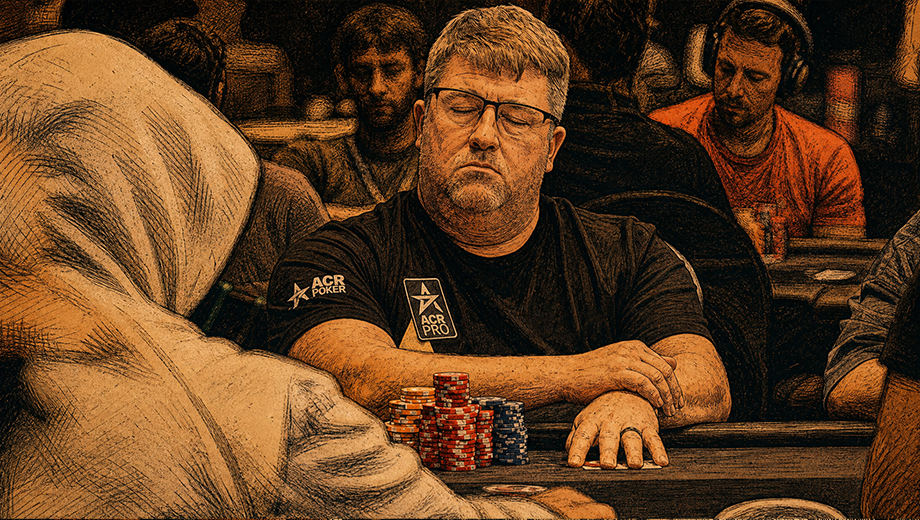
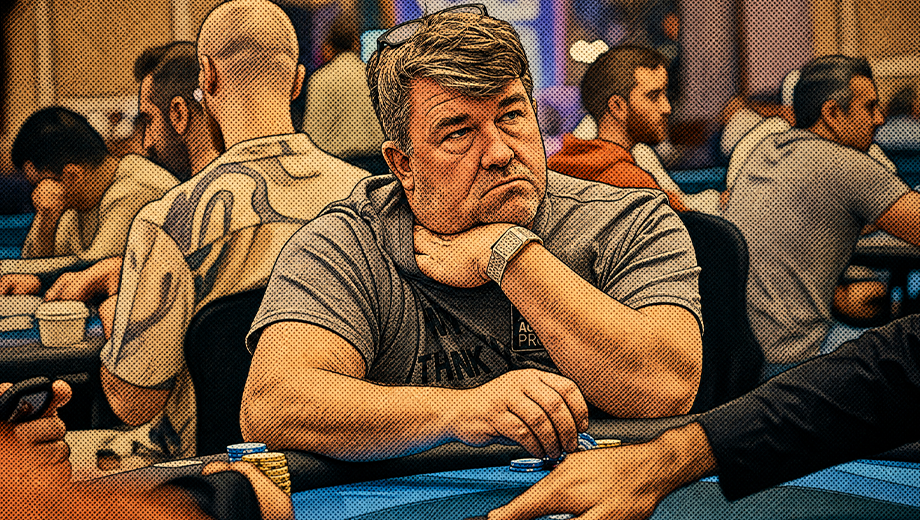
Downtime between hands isn’t dead time, it’s recovery time. Sometimes that’s the iPad, sometimes it’s closing my eyes for a few minutes. I call it meditating at the table. We all know what it actually is. The point isn’t the label — it’s that you can’t stay locked in every second for 12 hours, so you have to decide where to spend the attention you actually have.
Day 1 Gets the Least of Me
Day 1 bores me. It’s long, it’s cautious, and not much happens that changes the outcome of the tournament. I don’t burn my best focus there. I save it for Day 2 and beyond, when there’s more information on the table and more reason to actually use it.

Food, Sort Of
Eating during a long tournament day is mostly about not thinking about it too much. You eat when there’s a break, you eat something that won’t put you to sleep at the table, and you move on. It’s not glamorous and nobody’s optimizing macros between levels. It’s fuel, not a meal.
The Mental Routine Matters More Than the Physical One
Short Memory, Every Single Hand
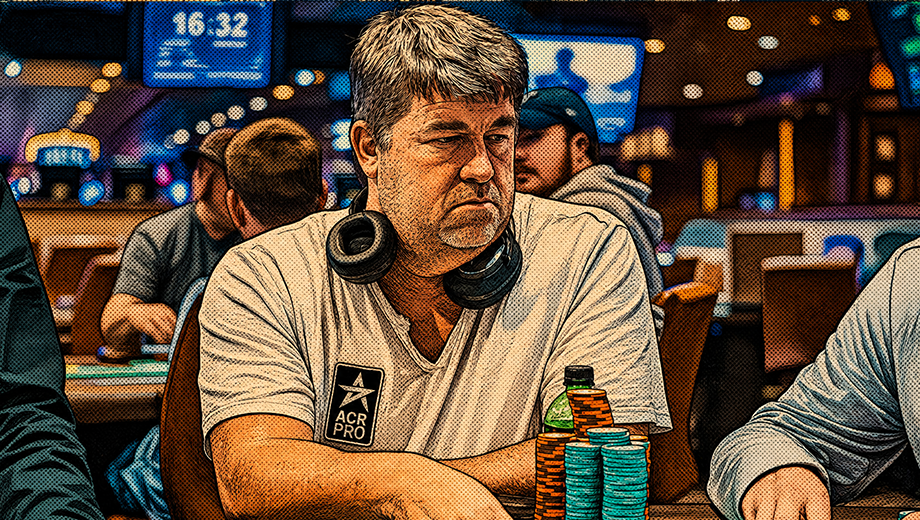
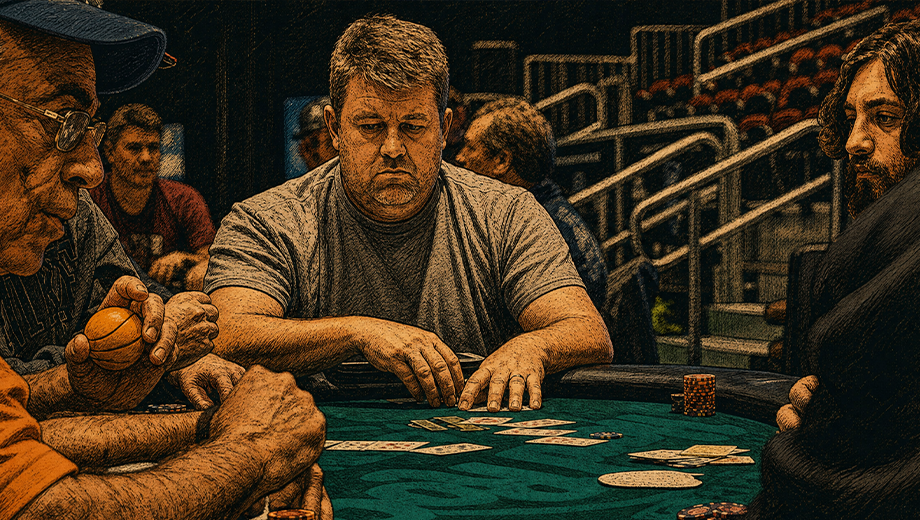
Poker is about controlling your emotions and how those emotions affect your decisions. That’s not a slogan, it’s a daily task. You take a bad beat, you get up, you walk it off, you come back with a short memory. That’s not something you do once during the WSOP. You do it a dozen times a day, every day the tournament runs.
Reading, Not Just Playing
It’s not rocket science. It’s simple observation. Part of my daily routine is watching how the table changes over the course of a session — who’s getting tired, who’s getting impatient, who’s protecting their stack too hard to bluff anymore. That reading happens continuously, not in some separate study block before or after the session.
Family, Even From a Distance
My wife hasn’t traveled with me on a poker trip in 20 years, and my routine during the WSOP reflects that distance in small ways — calls in the gaps, updates between levels, staying reachable even during a long day. It’s not the same as being home, but it’s part of the daily rhythm that keeps the whole thing sustainable over weeks instead of days.
Why This Routine Works for Me
None of this is a performance hack. It’s just what happens when you’ve done the WSOP enough summers in a row to know what breaks you and what doesn’t. Skipping the gym, skipping the downtime, skipping the short memory rule — those are the things that turn a long tournament into a miserable one. Building a routine around avoiding that is the whole strategy, more than any specific hand or read.
Some summers the routine holds up better than others. Most summers, it’s enough to get me through another WSOP without falling apart by Day 4, which is really all I’m asking of it.
Frequently Asked Questions
Does Chris Moneymaker go to the gym during the WSOP?
Yes, when his schedule allows it, he tries to get to the gym before a tournament session to help his body handle the long hours of sitting.
What does Chris Moneymaker do during downtime at the table?
He rests between hands, often using his iPad or closing his eyes briefly, describing it as meditating at the table.
How does Chris Moneymaker’s sleep schedule change during the WSOP?
On the road he shifts to poker player hours, often going to bed around 6am, compared to his 6-7am wake-up routine at home.
Why doesn’t Chris Moneymaker focus hard on Day 1 of a tournament?
He finds Day 1 slow and low-impact, so he conserves his sharpest focus for Day 2 and beyond, when the stakes and information increase.
Has Chris Moneymaker’s wife traveled with him to tournaments?
No, his wife hasn’t traveled with him on a poker trip in 20 years, though he stays connected with his family during long tournament runs.