
It was 4am at Binion’s when the Phil Ivey hand happened. We’d been playing ten-handed for hours. I had roughly 1.5 million chips. He had about 500,000. Neither of those numbers meant much to me at the time — I only knew three names in that room, and his wasn’t one of them.
The Hand Itself
I held Ace-Queen. The flop came Queen-Queen-6, which gave me trip queens. Good spot. Then the turn brought another 9, and Ivey’s pocket nines turned into a full house. He shoved. It was only 200,000 more for me to call — half his stack was already in from earlier streets. I called. I won. He was gone.
That’s the hand people bring up more than any other from 2003, more than the Farha bluff even, once they know I flopped trips into what turned into a losing hand and still walked away with the pot. I had about 17% equity when the money went in. I didn’t know that number at the time. I just knew I wasn’t folding.
Why It Still Sits With Me
I Had No Idea Who He Was
I only knew three players walking into that Main Event: Phil Hellmuth, because of the bracelet count, and Doyle Brunson and Johnny Chan from watching Rounders. When I looked at Phil Ivey across the table, I saw a young guy with a big stack. That was it. No fear, no reputation attached to the name. Dan Goldman from PokerStars had actually given me a list of players to watch out for before the tournament started. Ivey was on it. I had zero idea at the time. Turns out he was already considered one of the best players alive.
The Mindset Going In
I’d already decided before that hand that I wasn’t busting before the final table. Zero percent chance, in my head. That’s not bravado — it’s just where my mind was at 4am after ten-handed play for that long. When the cards and the math line up with a decision you’ve already made, you call. I called.
What Actually Happened After
Ivey didn’t shake my hand right away. He was in his own zone, which I understood — nobody wants to lose a hand like that on television, on a bluff-adjacent call from a guy who didn’t know he should have been scared. We talked it out later. No hard feelings on either side. That’s usually how it goes once the chips settle and the moment isn’t live anymore.
The Part That Still Gets Me
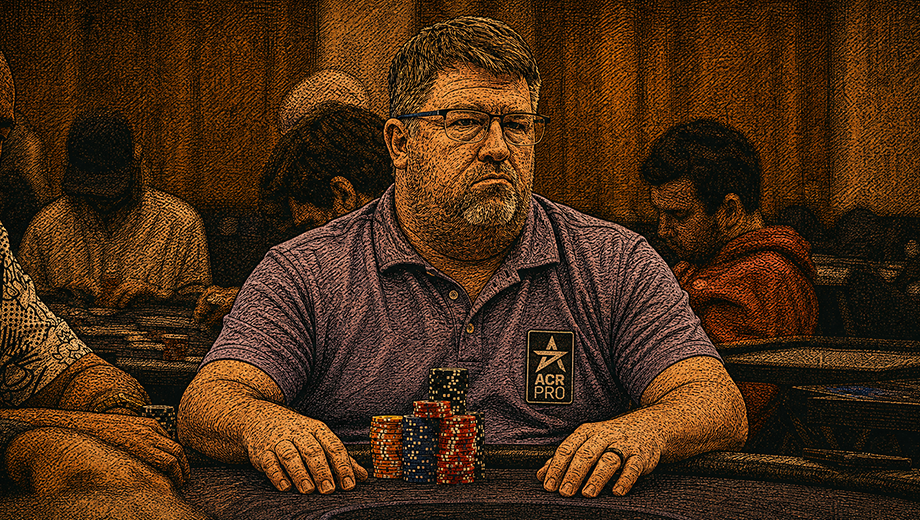
People ask if I think about that hand a lot. Honestly, I almost never think about it. Only when I go to the WSOP and it’s right in your face — the ESPN clips running on a monitor somewhere, someone asking about the call. The rest of the year it’s just a hand from a long time ago. But when it does come up, the thing that gets me isn’t the money or the elimination. It’s that I made the right call for the wrong reason. I wasn’t reading Ivey’s range. I wasn’t running numbers. I was just a guy who’d already told himself he wasn’t leaving before the final table, and the cards happened to back that up.
It’s not rocket science. It’s simple observation, mixed with a decision I’d already made in my head hours earlier. That combination worked out that one night. I wouldn’t call it a system.
How I’d Look at It Today
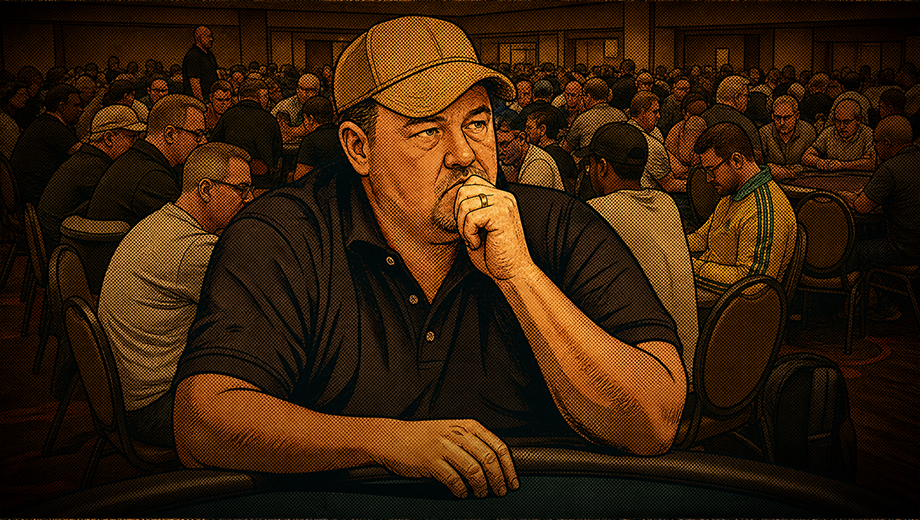
If you ran that exact spot through a solver now, it’d tell you plenty about equity and range construction that I never thought about at 4am in 2003. I don’t play that way and I’m not going to pretend I did back then. What I knew was simpler: a guy I didn’t recognize had put in a lot of chips, I had a hand that beat most of what he could be holding, and I wasn’t going anywhere. Sometimes that’s enough. Sometimes it isn’t. That night it was.
He went on to have the career everyone expected. I went back to work that Monday. Funny how that works out.
Frequently Asked Questions
What hand is Chris Moneymaker referring to in the 2003 WSOP Main Event?
He’s referring to the hand against Phil Ivey during the 2003 WSOP Main Event. Moneymaker held Ace-Queen, flopped trip queens on a Queen-Queen-6 board, then Ivey turned a full house with pocket nines. Moneymaker called Ivey’s shove and won, eliminating him from the tournament.
Did Chris Moneymaker know who Phil Ivey was during the hand?
No. Moneymaker has said he only knew three players’ names going into the 2003 Main Event: Phil Hellmuth, Doyle Brunson, and Johnny Chan. He didn’t recognize Phil Ivey and had no idea at the time that Ivey was already considered one of the best players in the world.
What time did the Phil Ivey hand happen?
The hand took place around 4am, after the table had been playing ten-handed for several hours during the 2003 WSOP Main Event.
What were the chip stacks going into the Phil Ivey hand?
Moneymaker had approximately 1.5 million chips. Ivey started the hand with around 500,000. Ivey shoved on the turn, and it only cost Moneymaker 200,000 more to call.
Did Chris Moneymaker and Phil Ivey have a good relationship after the hand?
Yes. Ivey didn’t shake hands immediately after the hand, but the two talked it through afterward with no hard feelings.