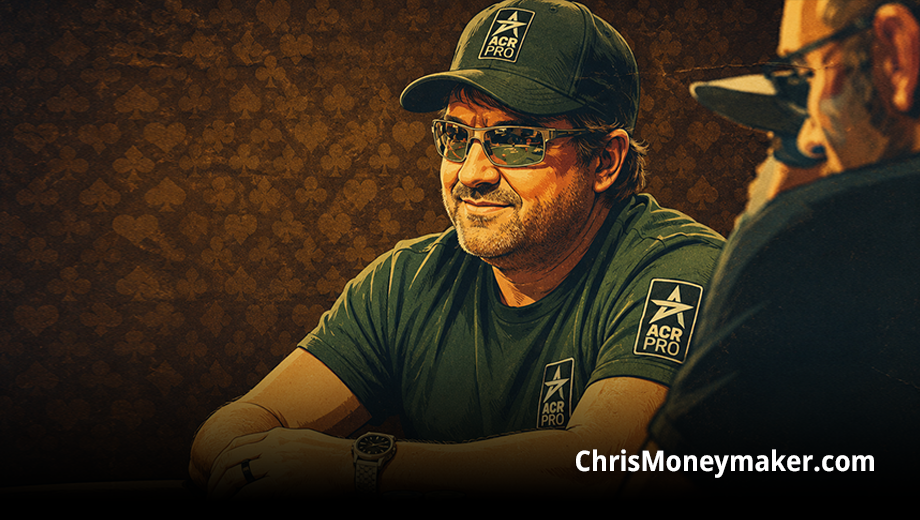

I had five-four. Sammy Farha had a jack. Nobody at that final table knew what either of us actually held — the board was showing Jack-Five-Four, two pair for me and one pair for him, and I was about to bet like I had something bigger than both. I pushed all my chips into the middle. He looked at his cards, looked at me, and folded a jack face up.
That’s the moment people bring up more than almost anything else from 2003. Not the $2.5 million. Not the $86 satellite. The ten seconds before I moved my stack in, when I had to decide whether to represent a hand I didn’t have against a player who’d been doing this a lot longer than I had.
The Hand That Decided the Tournament
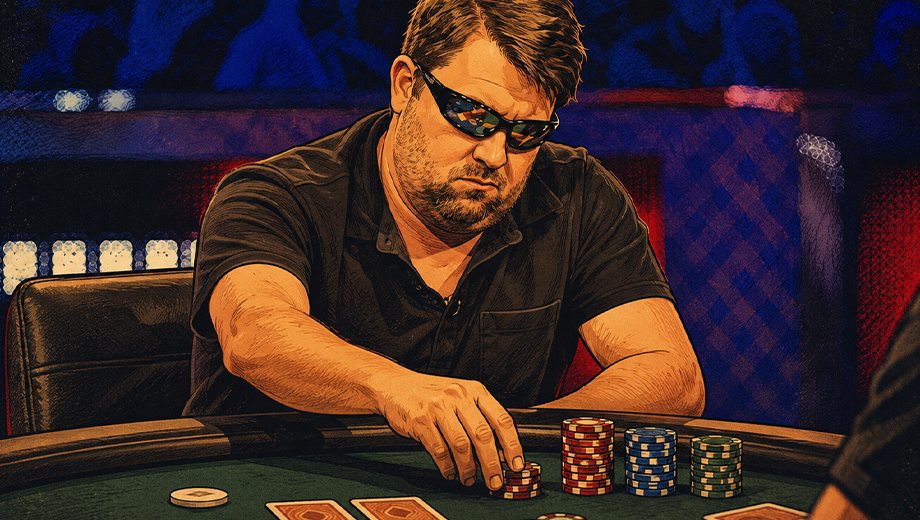
The board read Jack of hearts, Five of clubs, Four of diamonds. I was holding five-diamond, four-spade — bottom two pair, nothing special on its own. Sammy had a jack, top pair. On paper that’s a spot a lot of players just check down or bet small into. I didn’t do either.
I moved all-in. Not a probing bet, not a feeler — everything I had, into a pot that would decide who controlled the table. Sammy sat with it for a while. Then he turned his jack face up and folded it. He never found out what I actually had until the cards hit the muck.
The tough part wasn’t the math. Two pair against top pair isn’t a terrible spot to be in. The tough part was deciding to represent a monster hand with a decent-but-not-great one, against a guy who’d watched a lot more poker than I had at that point in my life. If he calls, I’m probably still fine. If he calls and I’ve misread how he’d react, I’ve handed him the chip lead at the biggest final table of my life.
What Was Actually Behind the Decision
I Didn’t Know Who I Was Playing
Going into that tournament, I recognized three names on the entire player list: Phil Hellmuth, Doyle Brunson, and Johnny Chan. Everyone else was just a face with chips in front of them, Sammy included. That cut both ways. I didn’t carry the weight of knowing his history at the table, so I wasn’t intimidated by a reputation. I was just reading the hand sitting in front of me.
The Decision I’d Already Made Days Earlier
That bluff only worked because of a decision I’d made well before I ever sat down at that table. I’d already told myself I wasn’t busting before the final table — zero percent chance, in my head, no matter the spot. That kind of commitment sounds simple until you’re actually staring at a jack face up across the table and your whole tournament is riding on whether a guy believes you. It’s easier to make a big move when you’ve already decided, days in advance, that folding your tournament away wasn’t an option.
What I Learned About Making the Call
People want the decision to be more complicated than it was. It wasn’t rocket science. It’s simple observation — watching how a guy has played every hand before that one, and betting on the pattern instead of just the two cards in your own hand. I got that read right. I’ve gotten plenty of others wrong since.
The part that actually mattered wasn’t the bluff itself. It was staying calm enough to make it. Poker is about controlling your emotions and how those emotions affect your decisions — and at that table, with that much on the line, panic was the only thing that could have actually cost me the hand. Sammy folding was the result. Not panicking was the decision.
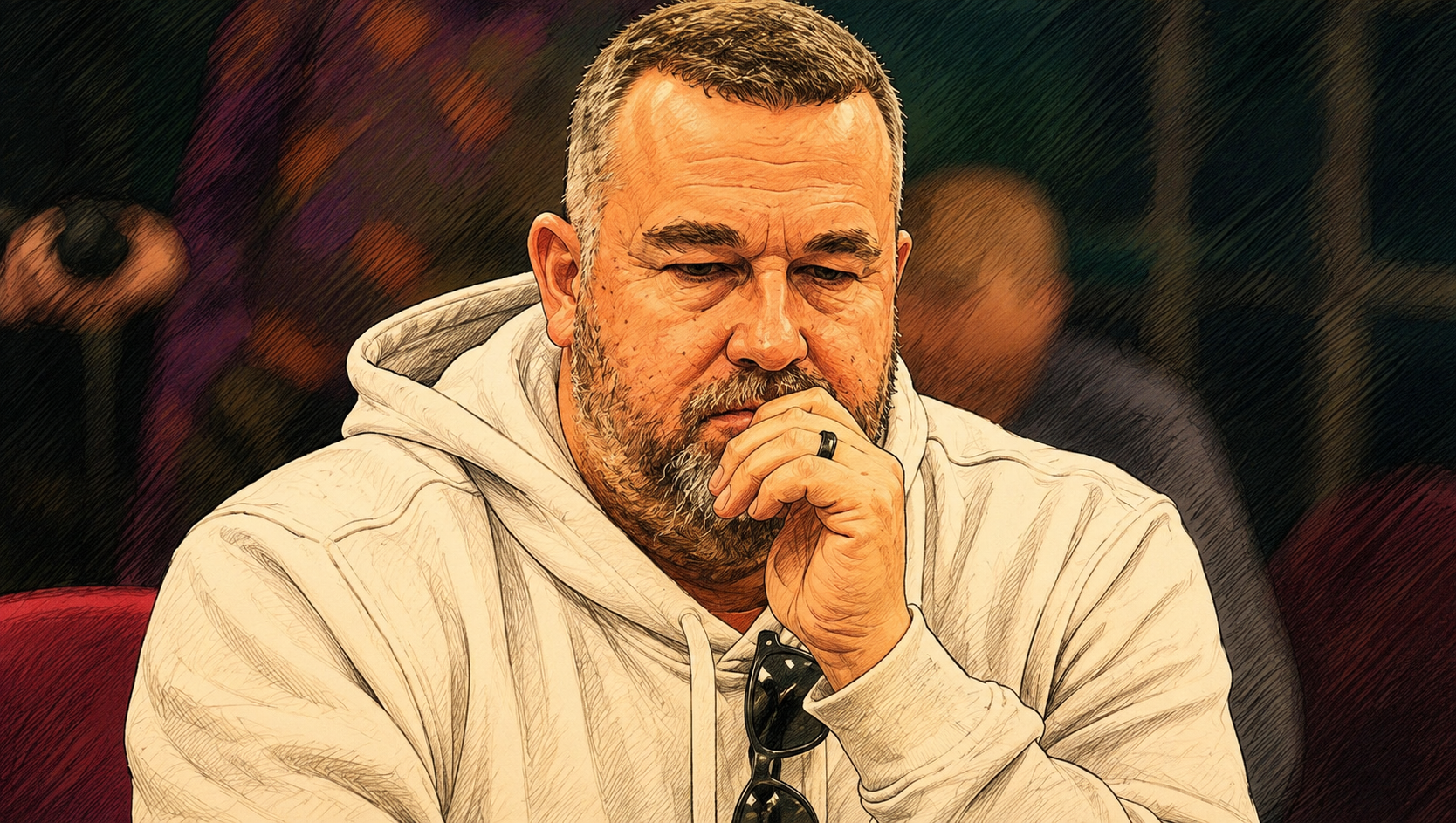
How I Actually Make the Tough Calls Now
I still run the same process at every table I sit at. Watch the hands you’re not even in. Notice who bets big with nothing and who only bets big when they mean it. By the time a real decision shows up — the kind where you’re either right or you’re walking away with a fraction of your stack — you’ve usually already done the work to make it.
Why the Big Decisions Get Easier
The tough calls were never really about the two cards in your hand. They’re about whether you trust what you’ve seen from the guy across the table. I trusted what I’d seen from Sammy. That’s the whole decision, stripped down to what it actually was.
Why They Never Get Easy
Every big decision I’ve made at a poker table since 2003 has come with the same stomach-drop the Farha hand did. That part doesn’t go away with experience. You just get better at making the call anyway.
Sammy and I have talked about that hand plenty of times since. He’s never been sore about it — that’s just poker. I still think about it more than almost anything else from that tournament, more than the $2.5 million, more than the final table itself. Because that decision was mine. Nobody dealt it to me. I made it, and then I lived with whatever came next.
Frequently Asked Questions
What was the toughest decision Chris Moneymaker made at the 2003 WSOP Main Event?
The toughest decision came at the final table when he moved all-in against Sammy Farha holding only bottom two pair on a Jack-Five-Four board. Farha, holding top pair with his jack, folded face up. The hand became one of the most replayed moments of the tournament.
What hand was Chris Moneymaker holding when he bluffed Sammy Farha?
He held five of diamonds and four of spades on a board of Jack of hearts, Five of clubs, and Four of diamonds — bottom two pair. He moved all-in and Farha folded his jack, so the hand was never shown down.
Did Sammy Farha know what Chris Moneymaker was holding when he folded?
No. Farha folded his jack face up without ever seeing Moneymaker’s cards. Because Moneymaker won the hand uncontested, his actual hole cards were never revealed at the table.
How much did Chris Moneymaker win for first place at the 2003 WSOP Main Event?
Moneymaker won $2,500,000 for first place out of a field of 839 players and a prize pool of $7,987,860. Sammy Farha finished second for $1,300,000.
Did Chris Moneymaker know who Sammy Farha was before the final table?
Not by reputation. Going into the 2003 Main Event, Moneymaker only recognized three names in the field: Phil Hellmuth, Doyle Brunson, and Johnny Chan. Everyone else, including Farha, was simply a player he read hand by hand.
How does Chris Moneymaker approach tough decisions at the poker table?
He relies on observation over guesswork — watching how opponents play hands he isn’t even involved in, then betting on the pattern rather than just his own cards. He also credits staying calm under pressure as the real factor behind big decisions, not the cards themselves.