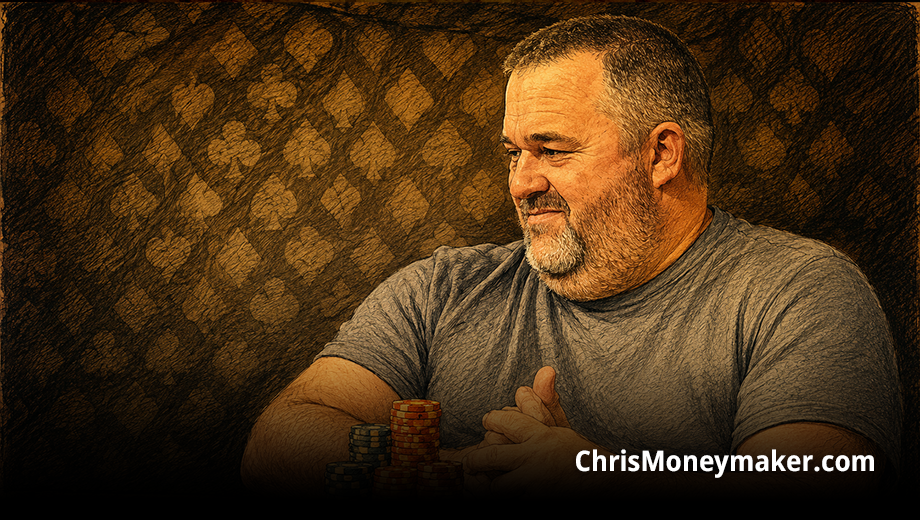

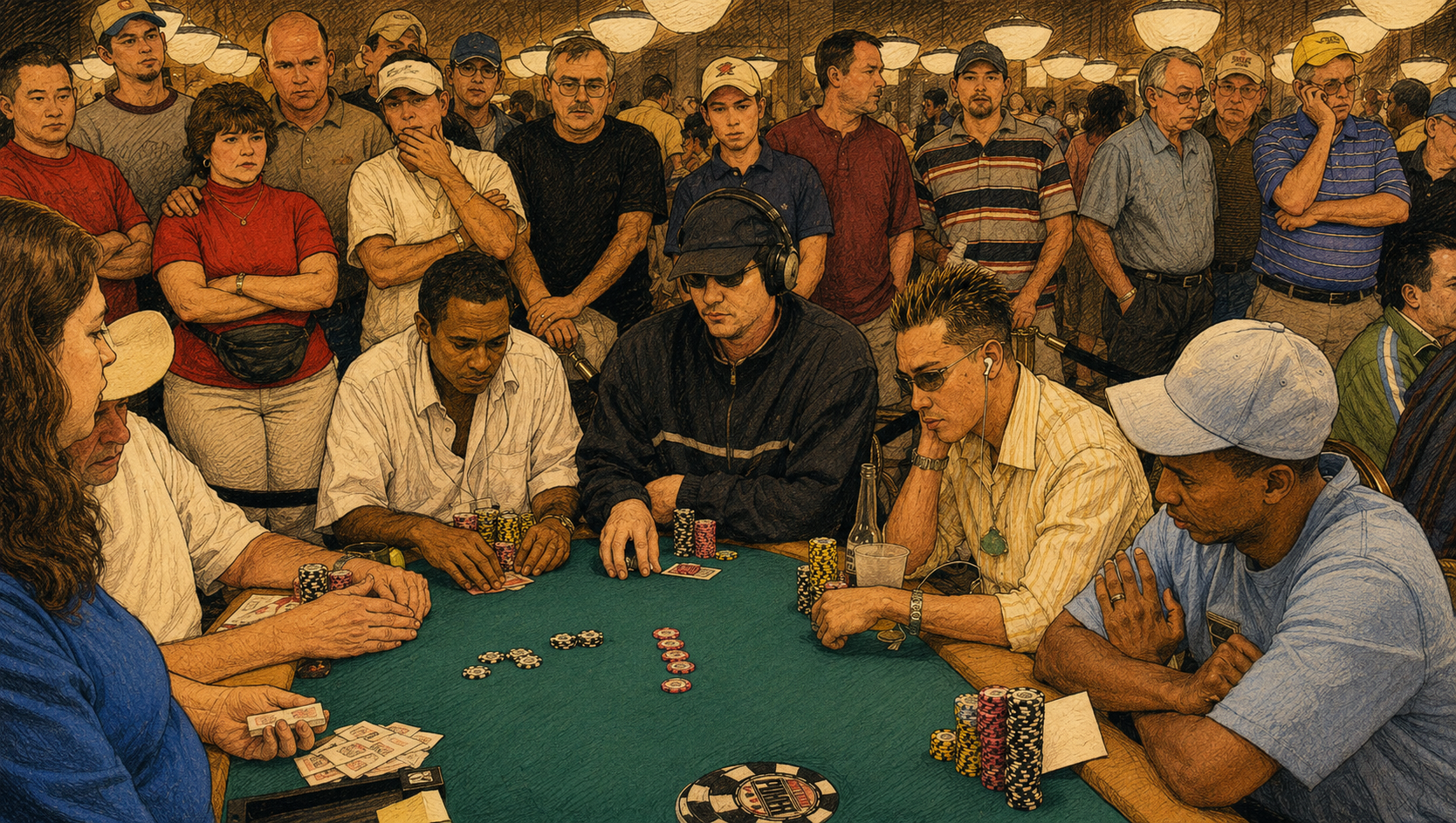
I sat down at a table with ten strangers and recognized exactly none of their faces. Somewhere in that room was a nine-time bracelet winner, guys who’d been grinding this tournament since before I could legally drink, and a stack of names I’d never once heard. I knew three of them by reputation — Phil Hellmuth, Doyle Brunson, Johnny Chan — and I hadn’t even seen their faces yet. Everyone else was just a guy with chips.
That’s what most people get wrong about the 2003 Main Event. It wasn’t one big scary moment. It was a slow realization, spread out over days, that I was surrounded by people who’d spent their entire lives at this game while I was still figuring out which fork to use at the dinner they gave the final table.
Learning Who I Was Actually Playing Against
Dan Goldman from PokerStars gave me a list of players to watch out for before the tournament started. I looked at it the way you’d look at a foreign language — names meant nothing to me. Phil Ivey was on that list. So was half the eventual final table. I filed it away and mostly forgot about it, because there wasn’t much I could do with a name I couldn’t attach a face to.
By Day 2 I’d started connecting some of the dots, mostly by watching who other players reacted to. Somebody would fold instantly to a certain guy’s raise, and I’d think: okay, that one matters. It wasn’t scouting. It was just paying attention to how the room moved around certain chip stacks.
I was the worst player in that field, and I knew it going in. That wasn’t false modesty — it was just true, and treating it as true kept me from doing anything stupid out of pride.
The Hand That Actually Mattered
Facing Phil Ivey With No Idea Who He Was
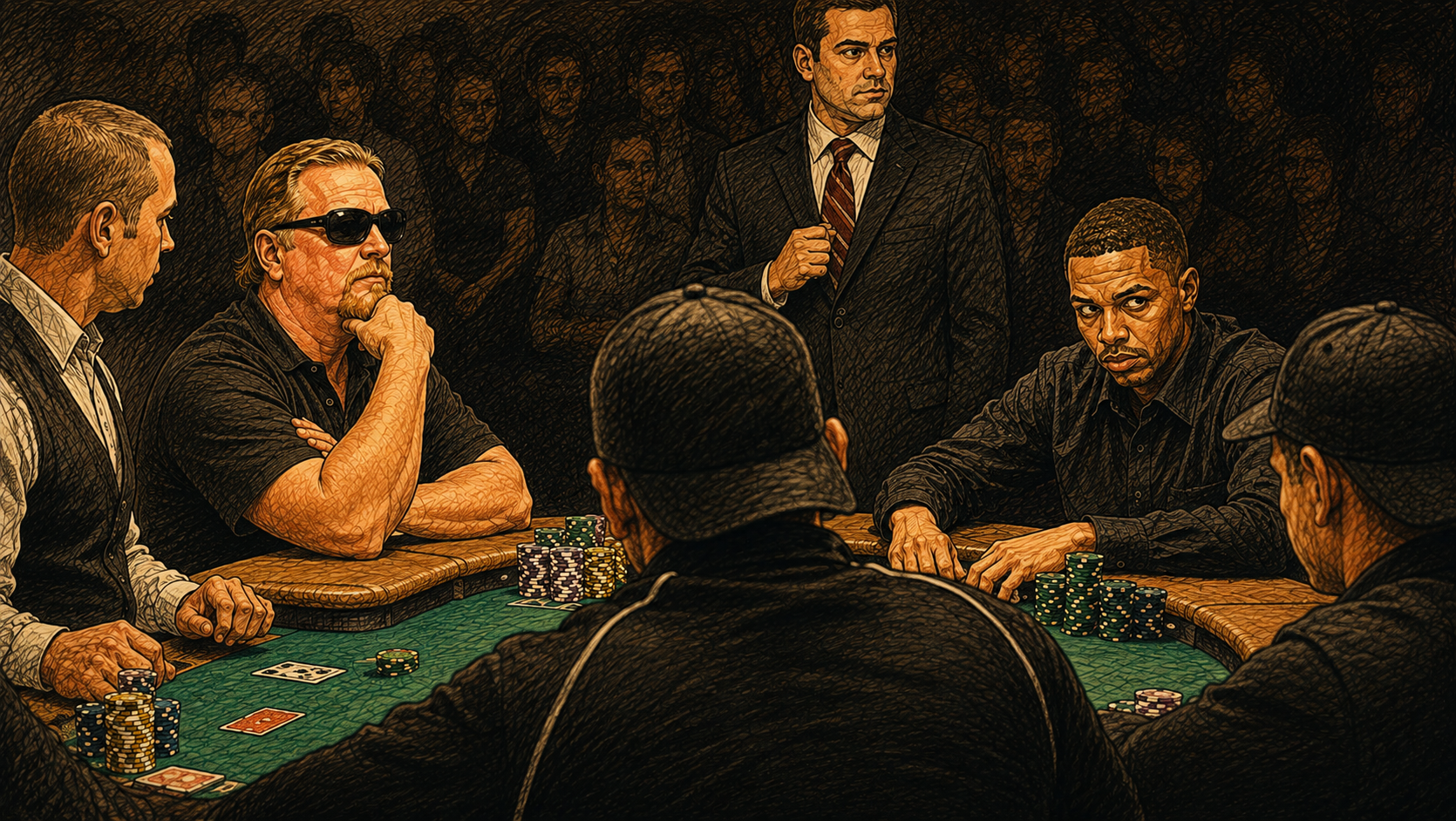
When I got to the hand against Phil Ivey, I had Ace-Queen. He had pocket nines. The flop came Queen-Queen-six, giving me trips. The turn brought another nine, giving him a full house. I called anyway and won the hand. At the time, I saw a young guy with a big stack of chips across from me. I found out afterward he was already considered one of the best players alive. I didn’t know that going in, which is probably part of why I called.
The Rest of the Table Nobody Talks About
Dan Harrington finished third that year. Sammy Farha finished second. The final table was stacked with players who’d been at this far longer than I had — Jason Lester, Tomer Benvenisti, David Grey, Young Pak, Amir Vahedi, Scott Gray. Every one of them had more tournament experience than I did combined. I wasn’t measuring myself against them. I was just trying to survive the next hand.
What Not Knowing Actually Did For Me
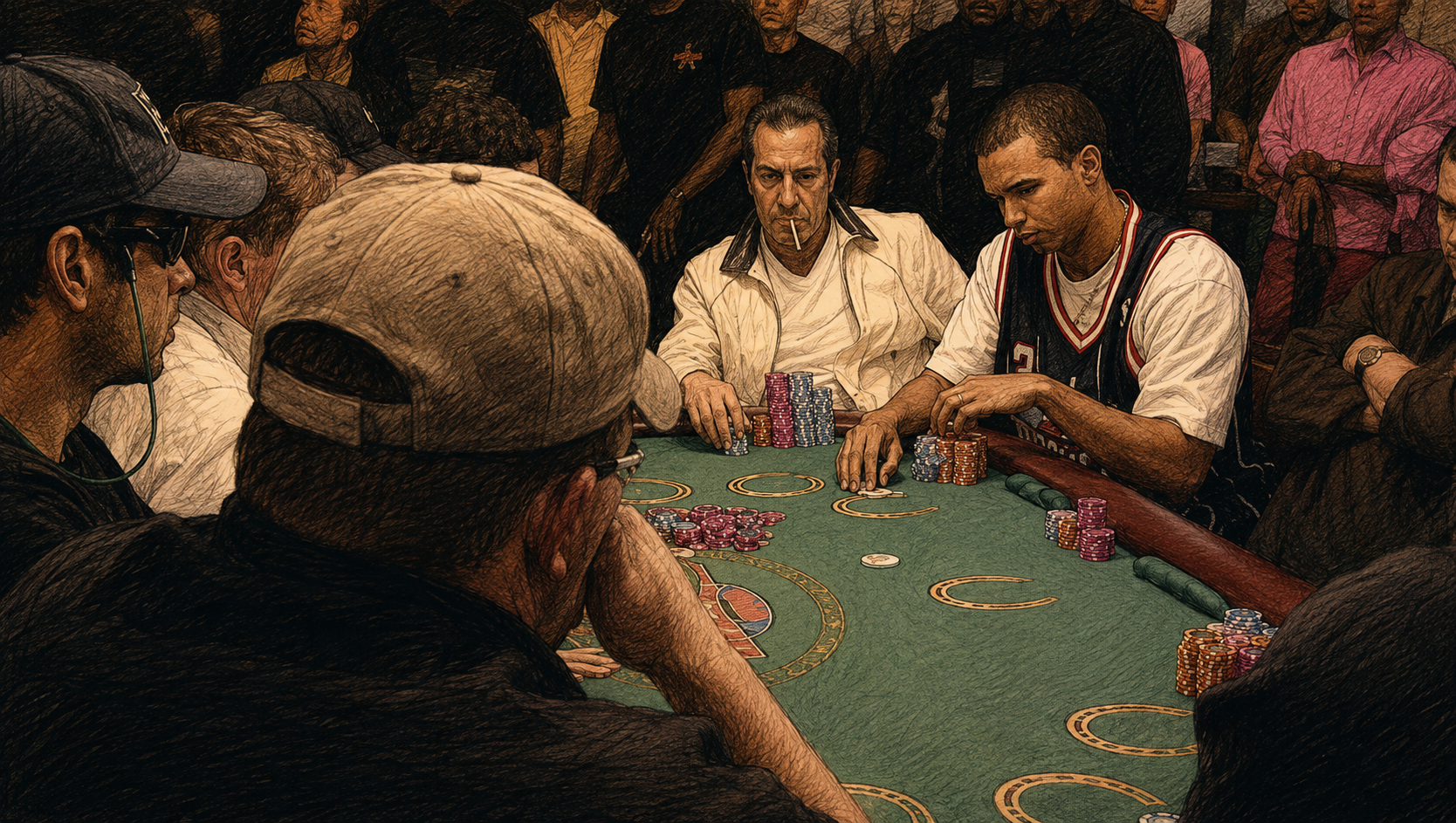
People assume ignorance is a disadvantage at a table full of pros. For me it went the other way. I only knew three players walking in: Phil Hellmuth, Doyle Brunson, and Johnny Chan. When I saw Phil Ivey, I saw a young guy with chips. He didn’t scare me, because I had no scouting report telling me he should.
I’m not a religious person, but I believe things happen for a reason. With positive thinking you can manifest good things — and going into that final table without a mental list of who was supposed to beat me was its own kind of positive thinking. I wasn’t fighting reputations. I was just playing the hand in front of me.
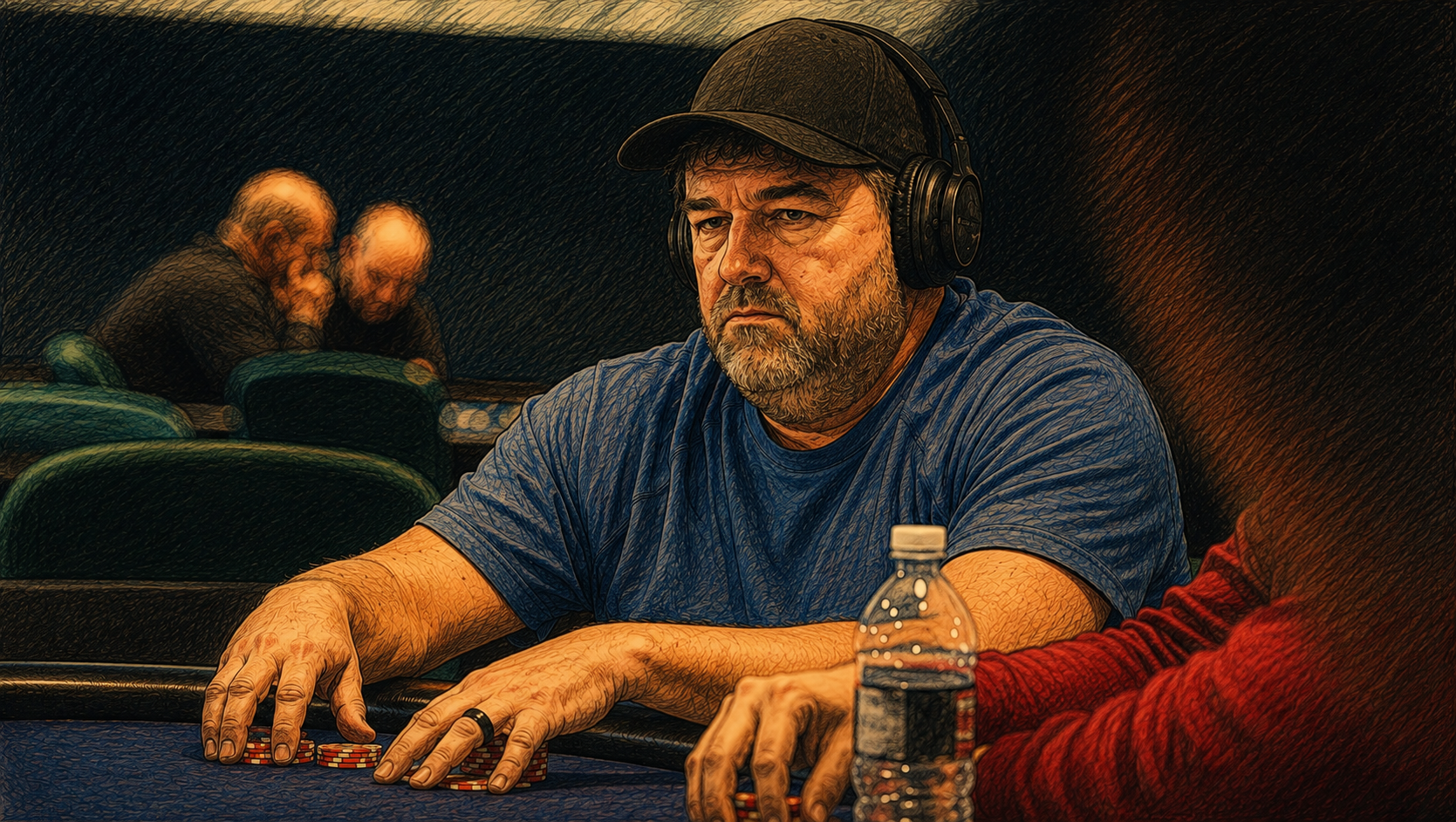
How I’d Approach a Table of Pros Today
It’s not rocket science. It’s simple observation. You watch how people react to each other before you ever have to make a decision yourself, and you let that tell you more than any name ever could.
What I’d Still Do the Same
I’d still refuse to let a reputation play the hand for me. A big name across the table doesn’t change what’s in your own hand or what the board is showing. It only changes the story you tell yourself about the decision.
What I’d Do Differently
These days I actually study the game. From 2005 to 2015 — almost ten years — I never studied a single hand of poker. There was just too much else going on. I’ve made up for a lot of that lost time since, and it’s changed how I read a table full of pros. Back then it was instinct. Now it’s instinct with some homework behind it.
I still think about that room more than most people would guess — not the bracelets or the reputations, just the fact that I sat there for days not knowing who half the room was, and it turned out fine. Sometimes not knowing is its own kind of advantage. You just have to be willing to play the hand anyway.
Frequently Asked Questions
How many players did Chris Moneymaker recognize going into the 2003 WSOP Main Event?
He only recognized three names in the entire field: Phil Hellmuth, Doyle Brunson, and Johnny Chan. Everyone else, including Phil Ivey, was simply a face with chips he learned to read hand by hand.
What happened in the hand between Chris Moneymaker and Phil Ivey?
Moneymaker held Ace-Queen and Ivey held pocket nines. The flop came Queen-Queen-six, giving Moneymaker trip queens. The turn brought a nine, giving Ivey a full house, but Moneymaker’s hand still won.
Who else finished at the 2003 WSOP Main Event final table?
Behind Chris Moneymaker in first and Sammy Farha in second, the final table included Dan Harrington in third, followed by Jason Lester, Tomer Benvenisti, David Grey, Young Pak, Amir Vahedi, and Scott Gray.
Did not knowing his opponents help or hurt Chris Moneymaker at the final table?
Moneymaker credits not knowing his opponents’ reputations with keeping him from being intimidated. Without a mental scouting report, he played each hand on its own merits rather than reacting to a player’s name.
Did Chris Moneymaker study poker seriously before or after his WSOP win?
He went almost ten years, from 2005 to 2015, without studying a single hand of poker due to family and other priorities. He has studied the game seriously in the years since.
How does Chris Moneymaker recommend reading a table full of experienced pros?
He recommends simple observation — watching how other players react to each other before you have to make a decision yourself, rather than relying on reputations or scouting reports.