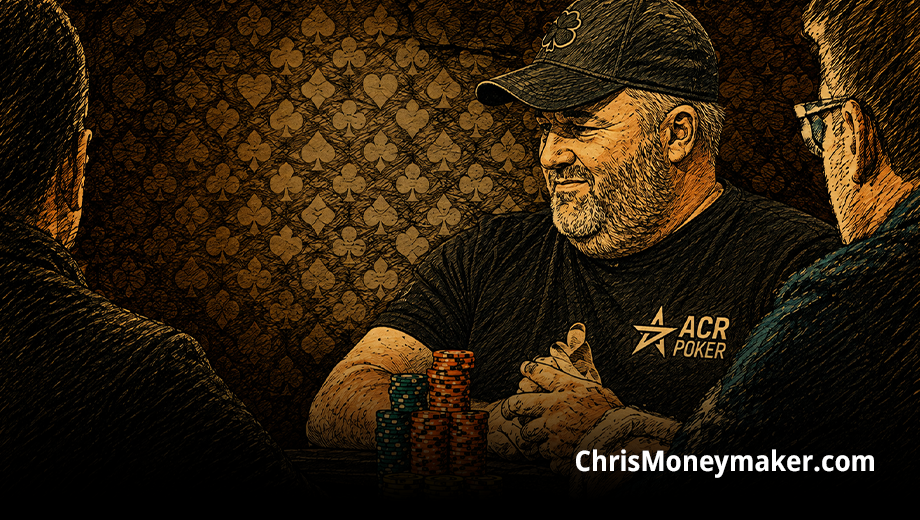

My phone starts buzzing every time it happens. Some player nobody’s ever heard of runs through a stacked field and takes the trophy, or a name everybody had penciled in for the final table busts on Day 2 in a spot that makes no sense. Friends text me the same line every time: “Did you see that?” Most of the time I already know before I open the message.
I don’t get shocked by it anymore. I can’t. I’m the reason the word “upset” gets used at a poker table in the first place. Every “how did that happen” story people tell about this year’s field, somebody told a version of it about me back in 2003.
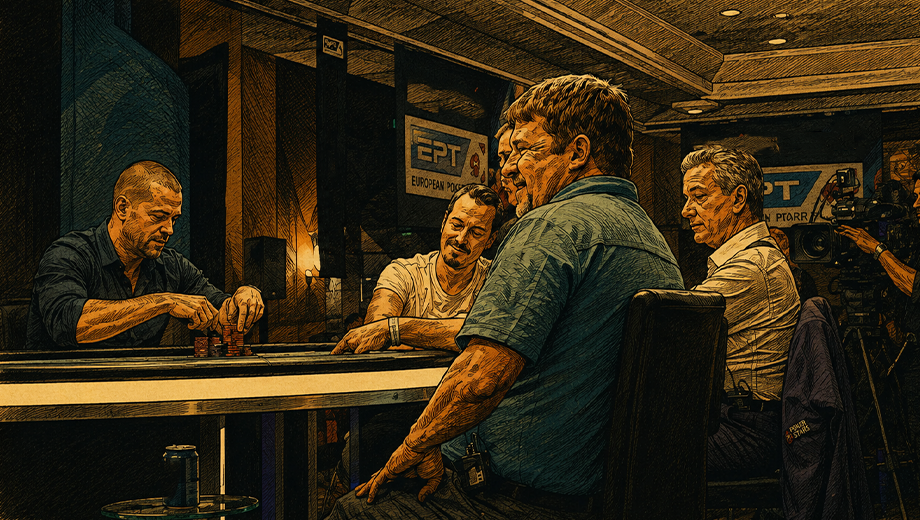
I Was the Upset Before Upsets Had a Name
I didn’t walk into the World Series of Poker as a live pro trying to prove something. I got there through a chain of accidents — an $86 satellite I entered thinking it was a cash game, then a $615 qualifier, then a seat in the Main Event I hadn’t planned to keep past the first day I could cash out. I sat down against 839 players and knew the names of exactly three of them: Phil Hellmuth, Doyle Brunson, and Johnny Chan. Everybody else was just a face with chips in front of it.
I’ve said it plainly before: “I was the worst one in the field. I knew that going in.” That’s not false modesty. It’s the actual math of who I was sitting across from that week. I wasn’t supposed to be there, let alone win it. That’s the entire definition of an upset — somebody wins who the room decided in advance couldn’t.
Why It Keeps Happening
The Room Got Bigger
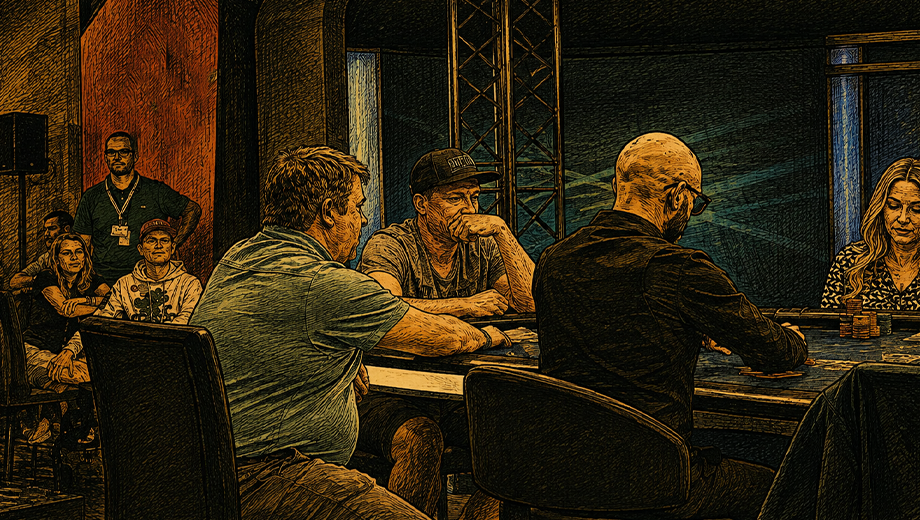
Every year the field gets deeper and the buy-in gets easier to reach through a satellite. More players means more variance means more chances for someone with zero business being there to run a rack of good cards into a final table. That’s not a flaw in the tournament. That’s the tournament working exactly the way it’s built to work.
The Experience Gap Closed
The bigger shift is who’s actually sitting in those seats now. “An 18-year-old kid today can have more experience than Doyle Brunson got in his entire life — in six months.” Online volume did that. A kid grinding four tables a night for a year has seen more hands than most of the legends I played against in 2003 saw in a decade. So when one of them runs over a field of recognizable names, it’s not luck stacked on luck. It’s someone who’s actually good, that the room just hasn’t met yet.
I lived the other side of that gap. “Online poker reshaped everything. But in 2003, online players were second-class citizens.” Nobody at that table respected where I’d come from. They respected the chips in front of me by about Day 4.
What I Actually Think When It Happens
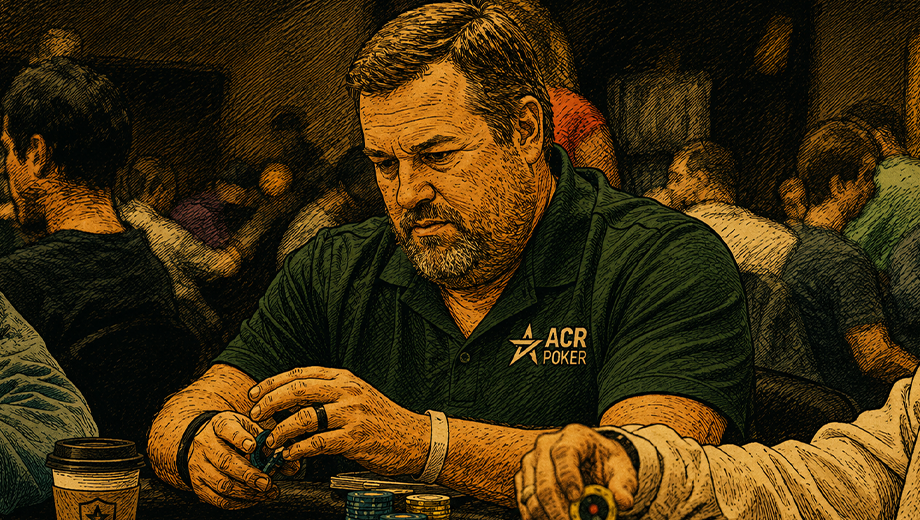
People want me to say every upset is a coin flip that happened to land right. I don’t see it that way, and I never saw my own run that way either. “It had to be miracle after miracle after miracle for me to even get into the Main Event, not to mention all the run good I had once I entered.” That’s true. It’s also true that once I was in the seat, I played like I belonged there, because by that point I’d decided I did.
I’m not a religious guy, but I believe things happen for a reason. With the right mindset you can put yourself in position for good things to land on you — and then you still have to play the hand. Watching this year’s version of that story doesn’t surprise me. It just confirms something I already knew: the field doesn’t get to decide who’s allowed to win. The cards and the player do.
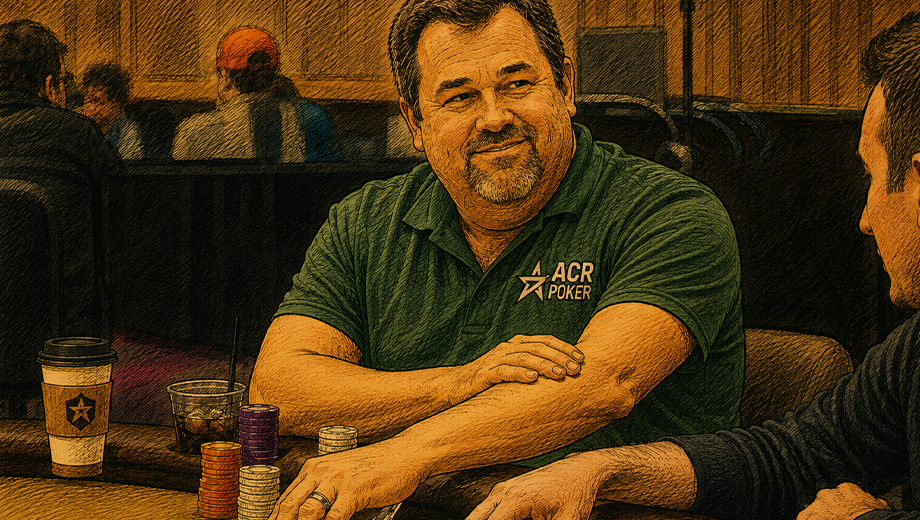
How I Actually Watch These Runs
I don’t watch a deep run from an underdog and start looking for the crack in it. I watch how he handles the moment after the upset lands. “It’s not rocket science. It’s simple observation.” Who’s still breathing normal after doubling through a name they grew up watching on TV? Who suddenly can’t look anyone at the table in the eye? That tells me more than the hand history does.
The Part That Actually Separates Them
“Poker is about controlling your emotions and how those emotions affect your decisions.” The players who turn one upset into a run, not just a headline, are the ones who don’t change anything about how they play after it happens. No new gear, no sudden aggression, no proving it wasn’t a fluke. “More than anything else: patience. Not getting too emotional. Not reacting to situations.” That’s the whole skill, and it’s the same one that got me through 2003.
The Ones Who Don’t Make It Two Days
The upsets that don’t hold usually come from a player who wins the flip and immediately starts playing like he has something to prove. He tightens up out of fear of giving it back, or he loosens up trying to run it up faster than the moment calls for. Either way, he’s not playing his cards anymore. He’s playing the story.
He still plays the Main Event every year. Watching this year’s field, I didn’t need the broadcast to tell me who the real story was going to be — I just watched who stopped sweating after the first big pot they weren’t supposed to win. That’s the guy. He’ll be around on Day 5. I like making it up as I go, and I’ve got a feeling he does too.
Frequently Asked Questions
Why doesn’t Chris Moneymaker get surprised by poker upsets anymore?
Moneymaker considers his own 2003 WSOP Main Event win the original modern upset — he entered as an amateur who’d qualified through an $86 online satellite and knew only three players in the 839-player field. Watching another unexpected run doesn’t surprise him because he’s lived the exact pattern himself.
How did Chris Moneymaker qualify for the 2003 WSOP Main Event?
He entered an $86 online satellite on PokerStars, thinking it was a cash game. That led to a $615 qualifier against 69 players for 3 seats, which won him entry into the $10,000 Main Event, where he beat a field of 839 players for the $2.5 million first prize.
How many players did Chris Moneymaker recognize before the 2003 Main Event?
Just three: Phil Hellmuth, Doyle Brunson, and Johnny Chan. Everyone else at the table, including future opponents like Phil Ivey, was unfamiliar to him going into the tournament.
Why does Chris Moneymaker say online players were “second-class citizens” in 2003?
Before his win, live poker’s established pros didn’t take online qualifiers seriously. Moneymaker’s 2003 victory as an online-qualified amateur changed that perception industry-wide, legitimizing online poker as a real path to the game’s biggest stage.
What does Chris Moneymaker say separates a real upset run from a fluke?
Emotional control. He points to patience and not reacting to situations as the real skill behind a run that holds up over several days, rather than one big pot that gets undone by a player suddenly changing how they play out of fear or overconfidence.
How has the experience gap between amateur and veteran players changed since 2003?
It’s closed dramatically. Moneymaker points out that a young player grinding online volume today can rack up more hands in six months than a legend like Doyle Brunson played in his entire career, which is part of why unfamiliar names now run deep so often.