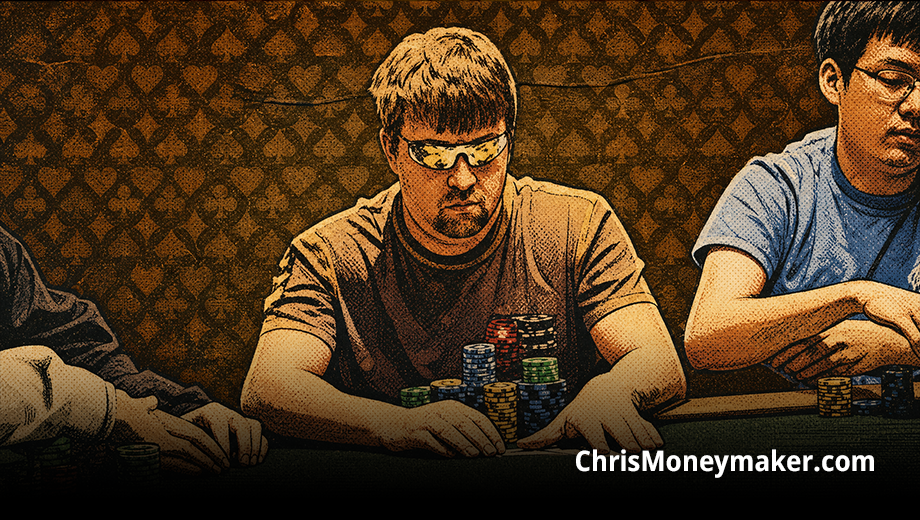

Day 1 bores me. That’s the honest version. You sit down with a full starting stack, the field is ten-handed, and almost nobody at the table is going to be there when it matters. You fold a lot. You watch. You try not to do anything stupid before the field thins out. It’s necessary. It’s also the least interesting part of the whole thing.
Day 2 is different. By then you know who’s still in. You know who has chips. You can start reading the room — who’s scared, who’s comfortable, who’s just trying to survive to the next pay jump. That’s when the tournament actually starts for me.
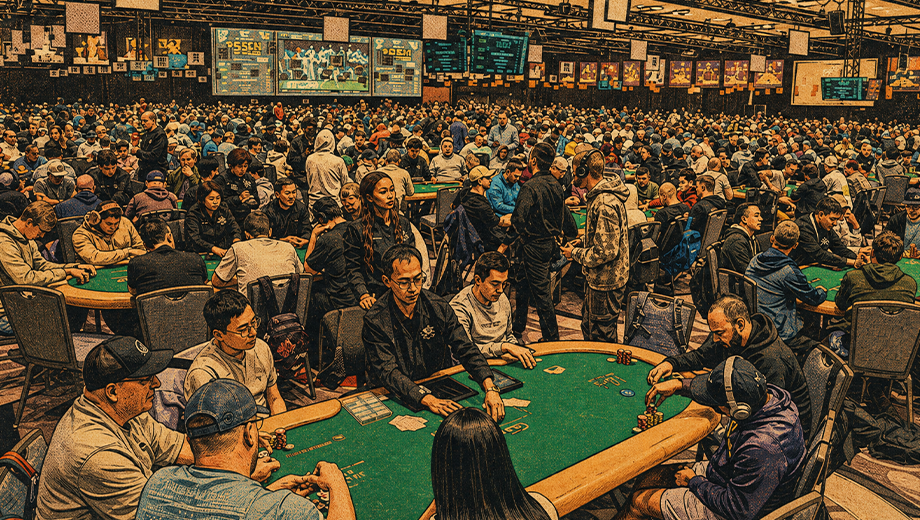
What a Real WSOP Day Looks Like
The structure isn’t complicated. You show up, you play your level, you either bag chips or you go home. But what happens between those two endpoints is what most people don’t think about.
The days are long. Twelve-hour sessions are normal. By hour eight your body knows exactly what it’s doing — sitting in one place, under artificial light, making decisions that compound on each other. The physical side of it doesn’t get talked about much. You’re not running a marathon. But you’re also not resting.
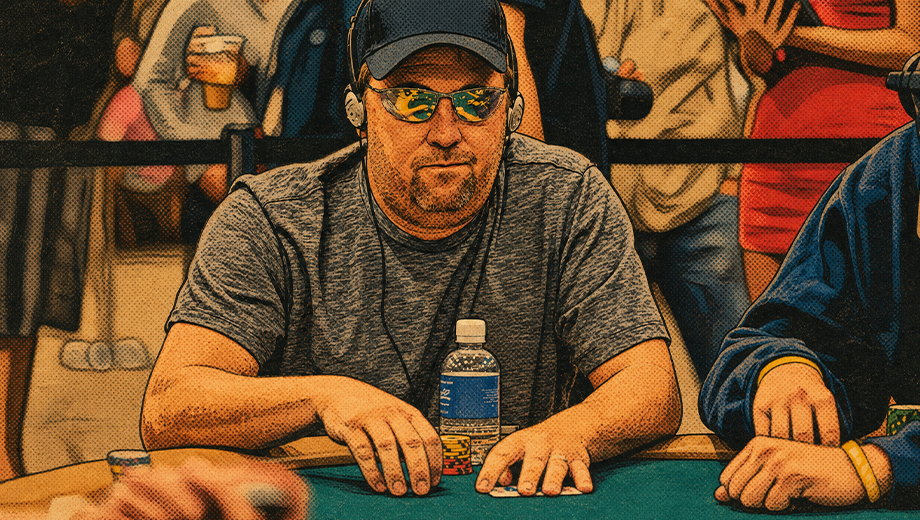
I like to go to the gym before I play. Gets the blood moving. Clears the head. Then during the tournament, between hands — when I’ve folded and the rest of the table is still in the pot — I use the time to reset. Call it meditating. We all know what it is.
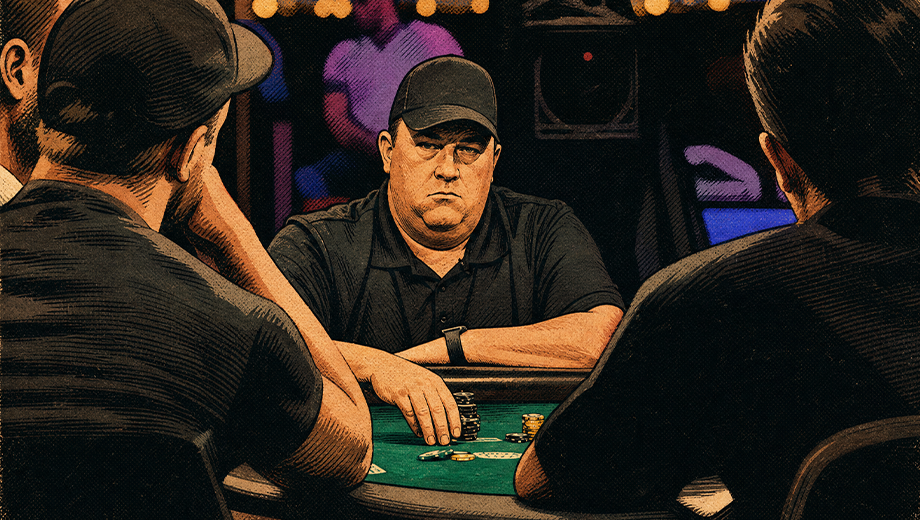
The Part About Reading the Table
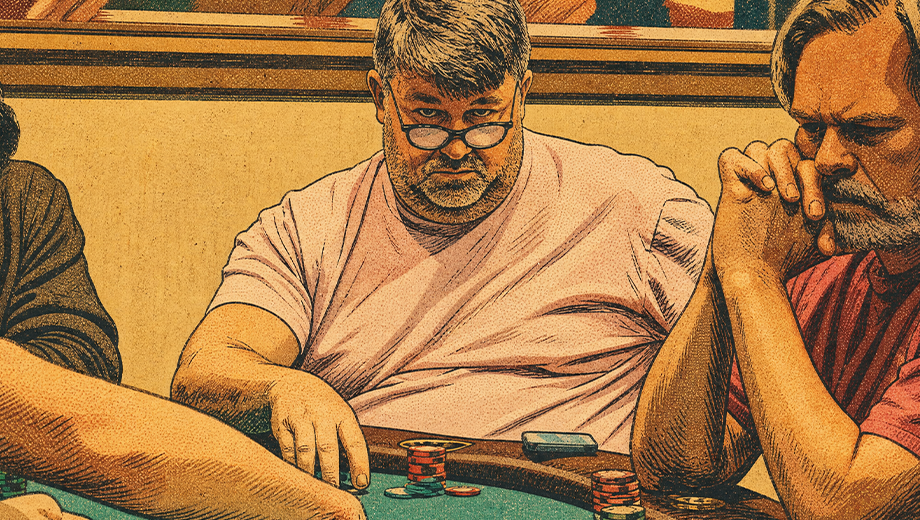
The method I use isn’t complicated. When I fold, I watch the rest of the hand. I try to guess everyone’s cards before they show. When they flip over at showdown, I check myself — right or wrong. Do that for six hours and you know a lot about who’s at your table.
What you’re actually looking for: who has chips but doesn’t want to risk them, and who is in pure survival mode. Those two player types are your best opportunities. The first one will fold to pressure. The second one will call too light when desperate.
Day 1 is too early to do much with any of that. The stacks are too deep, the field is too big, and most of the information you gather won’t be useful because those players won’t make it to Day 2 anyway. So you wait. You observe. You don’t force anything.
“It’s not rocket science. It’s simple observation.”
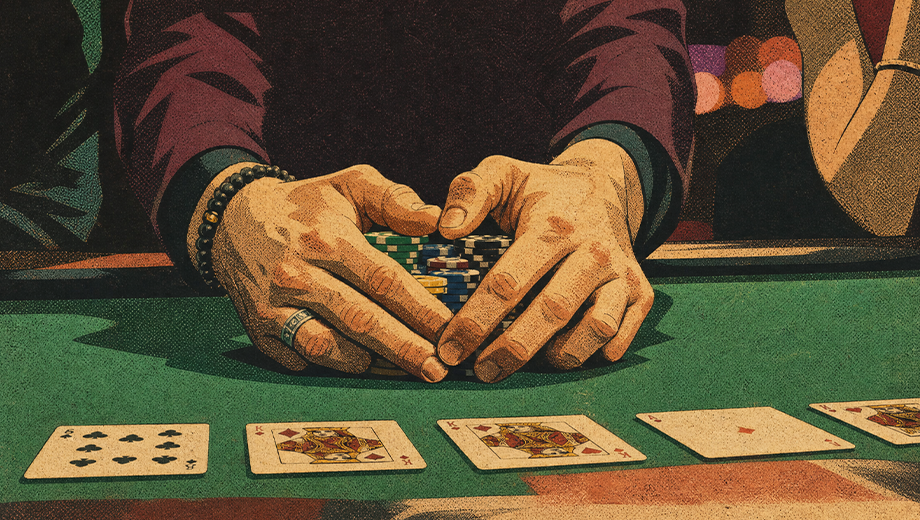
What Doesn’t Make the Broadcast
The WSOP on television is highlight reels. The sick bluff, the bad beat, the all-in call that either sends someone home or doubles them up. What you don’t see is the four hours before that hand where both players were carefully setting it up — or stumbling into it by accident.
You don’t see the walk to the bathroom at the break where you’re just trying to clear your head after losing a pot you should have won. You don’t see the meal at the end of a day where you bagged chips but you’re so tired you can barely taste it. You don’t see the conversation at the elevator with another player where you both agree it was a strange day and neither of you can fully explain why.
That’s the actual texture of it. The cameras show you the moments. They can’t show you the tournament.
The Routine That Actually Helps
Consistency matters more than inspiration at the WSOP. You can’t run hot every day for six weeks. What you can do is show up in the same mental state every session and not let the bad days compound into each other.
The practical version of that looks like this: sleep on a reasonable schedule (harder than it sounds in Las Vegas), eat actual food, get some movement in before you play, and keep the nights from turning into something that costs you the next afternoon. None of that is glamorous. All of it matters.
The players who fall apart at the WSOP — and plenty do — usually don’t lose it at the table. They lose it in the hours around the table. Late nights, bad decisions, showing up the next day not quite right. The game doesn’t care. The cards keep coming.
What Day 2 and Beyond Actually Feel Like
Once the field thins, everything changes. The average stack gets bigger relative to the blinds, which means more play, more room to maneuver. The players left are the ones who either ran well, played well, or both. Usually both.
This is where I start to enjoy it. The table feels different when everyone at it has earned their seat. The dynamics shift. You’re not just folding and observing anymore — you’re accumulating, setting traps, figuring out which players you can move around and which ones you leave alone.
Against very good players, I play it straight — as close to correct as I can get, no improvisation. Against the field in general, I prefer the opposite: unpredictable, aggressive, hard to put on a hand. The WSOP has enough players willing to hand you chips that you don’t need to get into wars with the ones who won’t.
“I’ve never really gotten nervous playing poker. We’re playing cards. Have fun.”
Why I Keep Coming Back
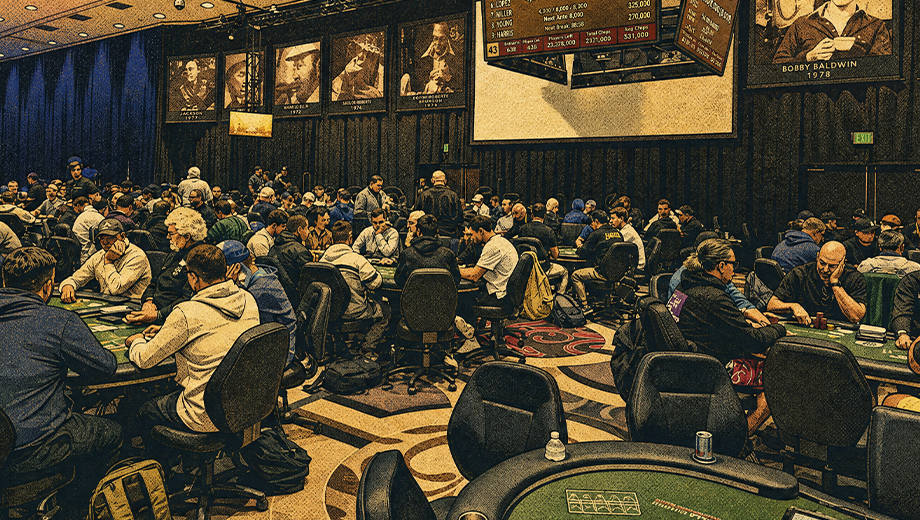
Every year since 2003 I’ve played the Main Event. The tournament has changed — the fields are bigger, the structures are longer, the players are better. The room at Binion’s is long gone. What hasn’t changed is what it feels like to sit down on Day 1 knowing you’ve got real poker ahead of you.
That’s the thing about the grind that doesn’t get said enough: it’s not glamorous, but it’s real. The decisions matter. The reads matter. The fatigue is real and so is the focus you bring to fight through it. There’s not a lot in life where that combination shows up so clearly.
I tried the retired life once. It wasn’t that fun. The uncertainty of showing up and not knowing how it ends — that’s actually the point.
If you’re thinking about playing the Main Event for the first time, the WSOP Schedule is where it starts.
Frequently Asked Questions
How long are the days at the WSOP Main Event?
A typical day at the WSOP Main Event runs around 10 to 12 hours of play. Sessions are structured around timed levels, with short breaks every two hours and a longer dinner break. By the later days, sessions can run even longer as the field shrinks and hands take more time.
What does Chris Moneymaker do to prepare before playing a WSOP session?
He goes to the gym before playing to get his blood moving and clear his head. During the tournament, between hands when he’s folded, he uses the downtime to reset mentally. He also watches hands play out after folding as a way to read opponents and stay sharp throughout long sessions.
How does Moneymaker approach reading opponents at the poker table?
When he folds a hand, he watches the rest of it and tries to guess everyone’s cards before the showdown. Over time, he checks how often he’s right. He focuses on identifying players who are scared to risk their chips and players in survival mode — both represent opportunities to accumulate.
Has Chris Moneymaker played the WSOP Main Event every year since 2003?
Yes. He has played the WSOP Main Event every year since winning it in 2003. It remains the one tournament he returns to annually regardless of his broader schedule.
What do most players get wrong about the WSOP grind?
Most people focus on the big hands and dramatic moments. What actually determines results is everything around those moments — sleep, routine, mental consistency across long sessions. Players who fall apart at the WSOP usually lose it in the hours around the table, not at the table itself.
Why does Day 2 feel different from Day 1 at the WSOP?
By Day 2, the field has thinned significantly and the remaining players have all earned their seats. Stack sizes relative to the blinds allow for more play and maneuvering. The dynamics shift from passive observation to active accumulation — which is when the tournament actually becomes interesting.