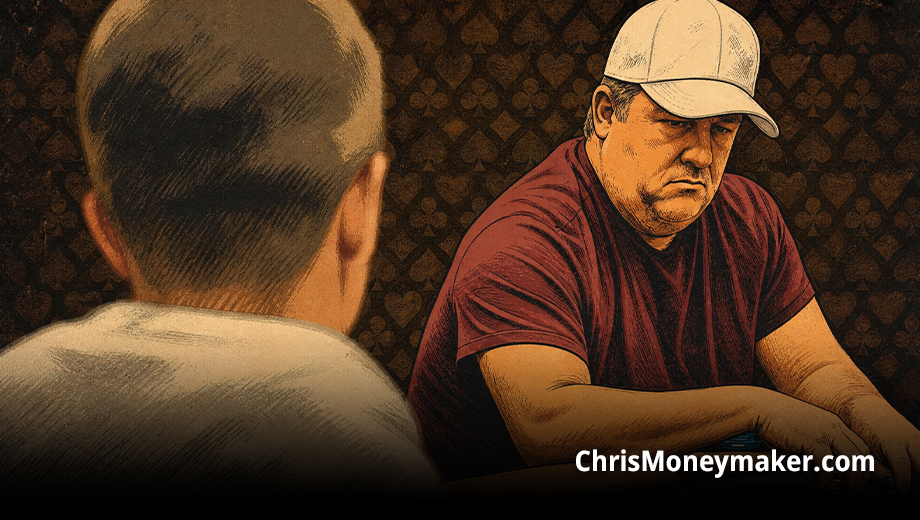

Las Vegas is not designed for your health. The casinos have no clocks and no windows. The food options at 2am are aggressive. The beds are fine but the schedule isn’t, and six weeks of that compounds in ways you don’t fully notice until Day 3 of the Main Event when your brain feels like it’s running on a half-charge.
I’ve been playing the WSOP every year since 2003. I’ve made the mistakes. Here’s what I’ve figured out.
The Gym Before Cards
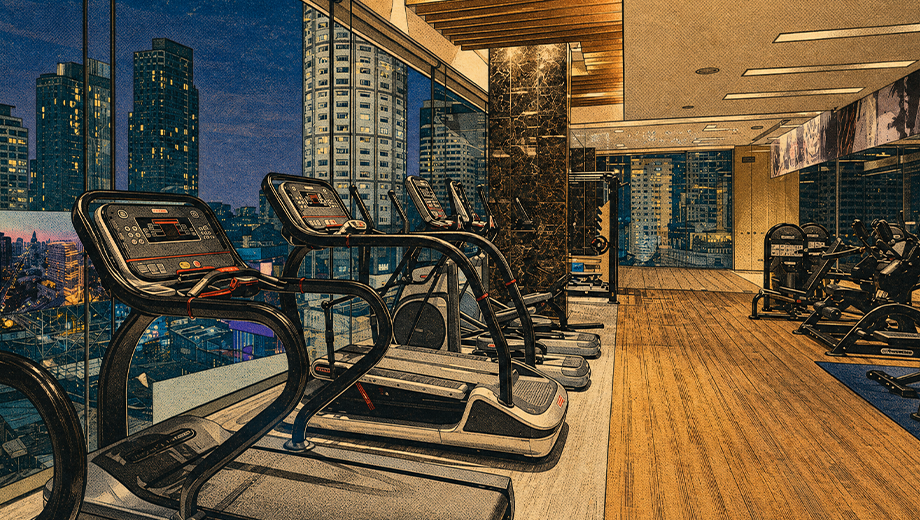
The single habit that makes the biggest difference for me: gym before I play. Not after, not during a break — before. Get the blood moving, clear whatever is sitting in my head from the night before, and show up to the table actually awake rather than just technically present.
It doesn’t have to be a full workout. Thirty minutes on a treadmill or some movement in the hotel gym is enough to change how the first two levels feel. The poker room is artificially lit, climate-controlled, and designed to keep your body in a kind of suspended neutral state. The gym is the counter to that.
This isn’t about being athletic. It’s about showing up to a ten-hour session with a functioning brain rather than one that’s still trying to negotiate with yesterday.

Sleep Is the Real Edge
Vegas runs on a schedule that wants you to stay up late and sleep through the morning. Tournament poker runs on a schedule that starts in the early afternoon and goes until midnight or later. Those two things are compatible, but only if you’re deliberate about it.
The mistake most players make is treating Las Vegas like a vacation. Late nights at the tables, late nights at dinner, late nights just because there’s always something open. Then they show up to a noon Day 1 start already running a sleep deficit that grows every day they’re still in the tournament.
I aim for a consistent sleep window regardless of what Vegas is offering. If I’m playing noon to midnight, I’m trying to be asleep by 2am and up by 9am. That’s not monk behavior — that’s just not being voluntarily stupid about something that directly affects my decision-making at the table.
The players who fall apart at the WSOP usually don’t lose it at the table. They lose it in the hours around the table. Late nights, bad decisions, showing up the next day not quite right. The game doesn’t care. The cards keep coming.

Eating Like a Person
The food situation at a major poker tournament is genuinely bad. The options available at your table are mostly sugar, salt, and caffeine. The casino restaurants are expensive and slow. It’s easy to spend a twelve-hour session eating nothing real.
What I try to do: eat an actual meal before I play. Protein, real food, something that doesn’t spike and crash. The dinner break is a real break — get away from the table, eat something, reset. Don’t just grab whatever’s fastest and walk back to your seat.
Hydration matters more than most players treat it. You’re sitting under artificial lights in climate-controlled air for hours. You’re not sweating but you’re dehydrating. Water throughout the session — not just coffee — makes a real difference by hour eight.
I’m not a vegan. Steak and potatoes, pasta, shrimp — that’s my range. The point isn’t eating perfectly. The point is not running on casino snacks and energy drinks for six weeks and expecting your brain to perform.
Managing Energy Between Sessions
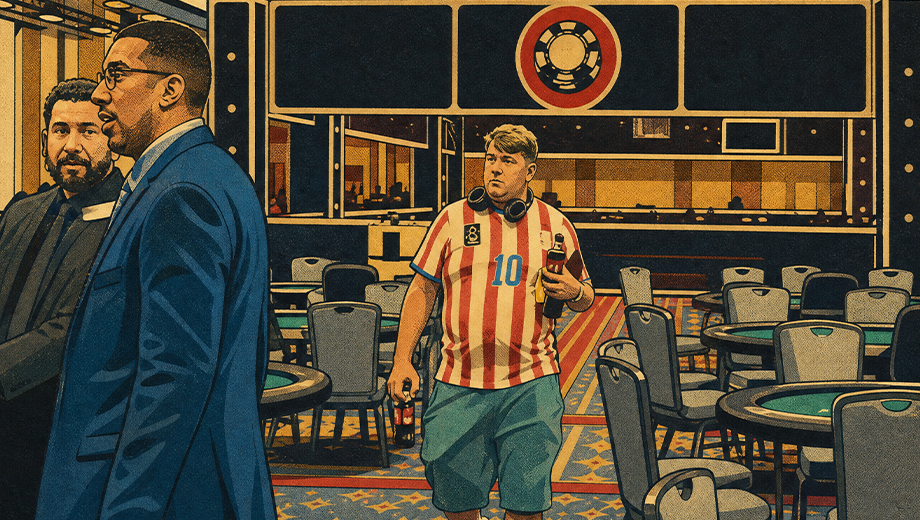
One of the underrated parts of a long WSOP trip is what you do on the days you’re not playing. You bust out of an event on Tuesday, you’re registered for something Thursday — what happens Wednesday?
The temptation is to stay up, hit the cash games, see the city, make up for lost entertainment. Sometimes that’s fine. But if you’re running a tournament schedule, Wednesday is recovery day. Sleep, eat, move around, don’t do anything that leaves you running a deficit into the next event.
Between hands during a session, I use the time to reset mentally. When I’ve folded and the rest of the table is playing out a hand, that’s not dead time. That’s time to observe, breathe, and not let the last hand I played follow me into the next one. Some people call it meditating. It’s basically just not being reactive.
“I’ve never really gotten nervous playing poker. We’re playing cards. Have fun.”
The Mental Side of Staying Sharp
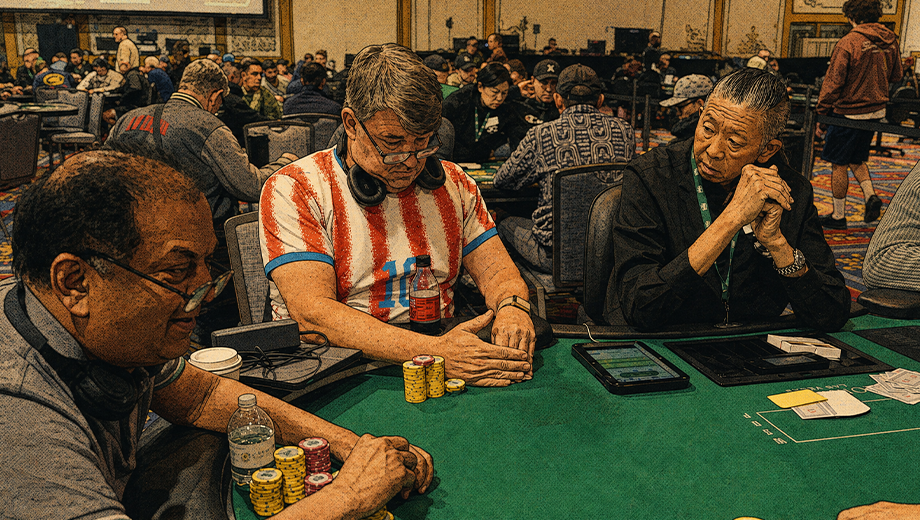
Physical health and mental sharpness at the poker table are more connected than most people think. When you’re tired, you tilt faster. When you’re dehydrated, decisions that should be obvious feel harder. When you’ve been eating garbage for a week, your patience shortens.
The mental game isn’t separate from the physical game. They’re the same system. Taking care of the body during a long WSOP trip is part of the poker strategy, even if it doesn’t look like it from the outside.
The reset I use after a bad hand or a tough session: step away, don’t make any decisions for a few minutes, come back. Have a short memory. A quarterback has to have a short memory. Poker is the same. Letting the last bad beat follow you into the next hand is expensive.
“More than anything else: patience. Not getting too emotional. Not reacting to situations.”

What Doesn’t Work
A few things I’ve seen players try that don’t actually help:
Relying on caffeine to compensate for bad sleep. It gets you through the first few levels and then makes the crash worse. The problem isn’t energy — it’s that your decision-making is already degraded from the sleep debt, and caffeine doesn’t fix that.
Skipping movement entirely because you’re tired. The tired feeling often gets worse if you stay horizontal all day. Thirty minutes of movement is more restorative than thirty extra minutes of lying on your phone.
Treating the off days as bonus time rather than recovery time. The tournament is a marathon, not a sprint. How you spend Tuesday affects how you play Friday.
The Honest Version
None of this is complicated. Sleep reasonably. Eat actual food. Move before you play. Don’t treat Las Vegas like it’s designed for your benefit — it isn’t. The edge at a long tournament isn’t just about knowing poker. It’s about being in a functional state to apply what you know for ten hours at a stretch, day after day.
The players who go deep in the WSOP aren’t necessarily the ones who know the most. They’re the ones who show up ready every day. That’s a lot more controllable than people act like it is.
If you’re planning a WSOP trip and want to know what you’re signing up for, the WSOP Schedule is the place to start — events, dates, and buy-ins all in one place.
Frequently Asked Questions
How does Chris Moneymaker stay healthy during the WSOP?
His core routine is gym before playing, consistent sleep regardless of Vegas’s schedule, and eating real meals rather than relying on what’s available at the poker table. He also uses the time between hands to mentally reset rather than carry the previous hand into the next one.
Why does physical health matter for poker performance?
Physical condition directly affects decision-making at the table. Being tired shortens patience and increases tilt. Dehydration makes straightforward decisions feel harder. Running on poor nutrition for a week degrades mental sharpness. Physical and mental performance are the same system — taking care of one takes care of the other.
What should poker players eat during a long WSOP session?
Eat a real meal before playing — protein and actual food rather than casino snacks. Use the dinner break to get away from the table and eat something substantial. Stay hydrated with water throughout the session, not just coffee. The goal isn’t eating perfectly; it’s not running on casino food and energy drinks for six weeks.
How do you manage sleep on a Las Vegas tournament schedule?
The key is keeping a consistent sleep window regardless of what Vegas offers. For a noon-to-midnight tournament schedule, that means targeting sleep around 2am and waking by 9am. The mistake is treating Vegas like a vacation and accumulating a sleep deficit that compounds over the course of the trip.
What should you do on off days during a long WSOP trip?
Treat off days as recovery time, not bonus entertainment time. Sleep, eat well, get some movement. The tournament is a marathon — how you spend the day between events directly affects your performance in the next one. Treating every off day as an opportunity to stay out late accumulates a deficit that shows up at the table.
Does exercise actually help during a poker tournament?
Yes. Even thirty minutes before playing changes how the first few levels feel. The poker room is artificially lit and climate-controlled — designed to keep you in a neutral physical state. Light exercise before a session gets the blood moving and clears mental residue from the previous night. It doesn’t need to be intense to make a real difference.