

Every year the WSOP tweaks something. A structure change here, a rule clarification there, a new format added to the schedule. And every year people ask me what I think. Sometimes it’s a genuine question. Sometimes they’re hoping I’ll be outraged about it.
I’m usually not. Here’s why — and where I do actually have opinions.

The Game Has Always Been Evolving
People forget how different tournament poker was before 2003. The WSOP Main Event had 839 players that year. No live streaming, no ESPN coverage until months after the fact, no satellite ecosystem as we know it today. Check-raising was banned in some casinos. Opening sizes were 3x or 4x universally. It was a completely different game in terms of structure, access, and culture.
So when someone complains that the WSOP keeps changing things, I think about what the alternative looks like. The version of the tournament that existed before I won it. A niche event for a small community of players. That wasn’t better. It was just earlier.
The changes that have happened since then — more events, larger fields, better structures, broader access — most of those have been good for the game. Not all of them, but most.
“Before I won, these tournaments didn’t exist. There was nowhere to play poker.”

What I Actually Care About in a Rule Change
There’s a simple test I use when the WSOP announces something new: does this make the game better for the recreational player, or does it make it worse?
That’s the lens. Not whether it benefits professionals. Not whether it changes the EV of a specific situation. Does it make the experience better for the person who qualified online for the first time, drove to Vegas, and is sitting down at the biggest poker tournament of their life?
That person is the game. That’s who built the poker boom after 2003. That’s who fills the fields that make first place worth millions of dollars. When rule changes protect and serve that player, I’m generally in favor. When they don’t, I’m not.
The Moneymaker Tour operates on the same principle — player-friendly structures, guaranteed prize pools that actually get honored, formats that give recreational players a real experience rather than a fast exit. The rules matter because they set the conditions for whether that experience is possible.
Structure Rules Are the Ones That Matter Most
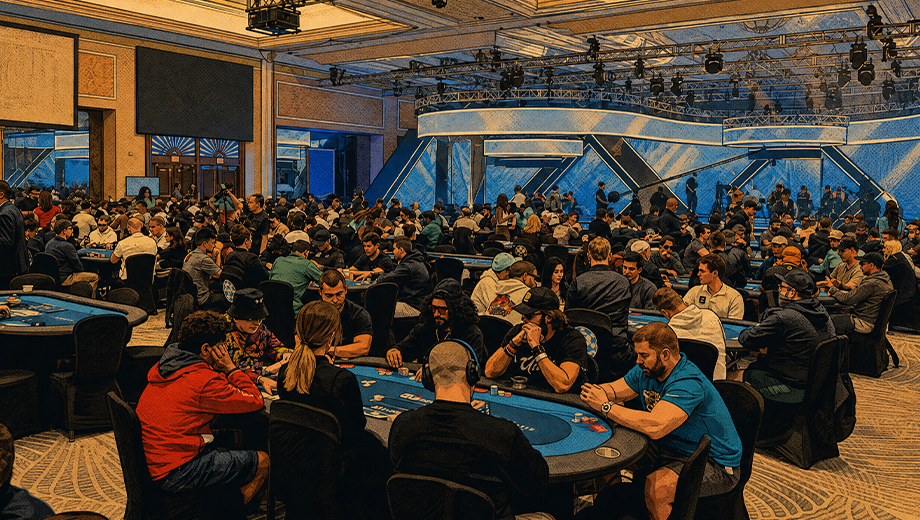
Of all the rule categories the WSOP manages, structure is the one I watch most closely. Level length, starting stack depth, ante schedules — these determine whether recreational players have a real chance to play poker or just a lottery ticket.
Fast structures benefit the professionals. The more luck compressed into the format, the less the skill edge matters over any given session. Slower structures give better players a chance to outplay weaker ones over time — which sounds counterintuitive if you’re a recreational player, but it also means your good decisions get rewarded more and bad luck gets smoothed out more.
The WSOP Main Event has historically had one of the best structures in the business. Long levels, deep starting stacks, real poker for multiple days. When that gets compressed, I notice. When it gets preserved or improved, I appreciate it.
“They run the tournament so fast. Fast structures give VIPs and businessmen a chance against the pros. If they ran two-hour levels like the WSOP Main Event, the elite guys would just destroy recreational players.”
Clock Rules and Table Conduct
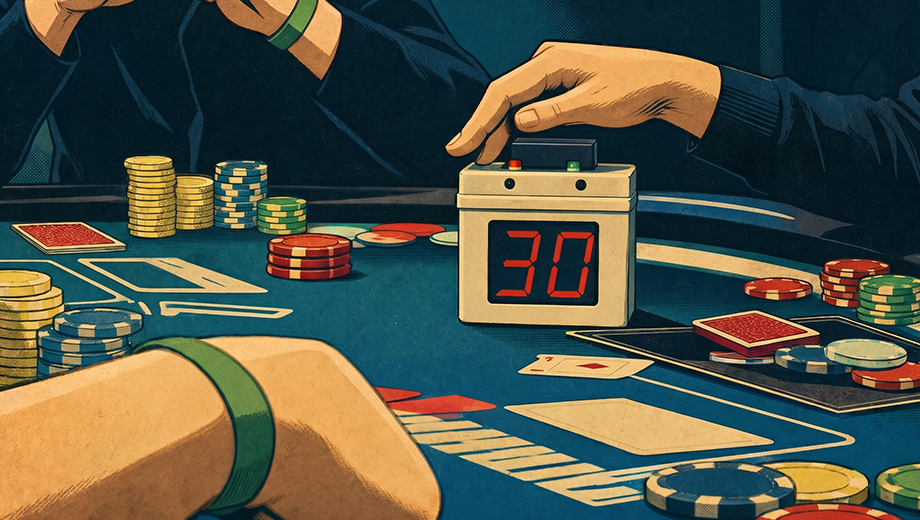
The shot clock debate has been running for years. The argument for: it speeds up play and prevents stalling. The argument against: it adds pressure to decisions that deserve more time and disadvantages players who think deliberately.
My take is that clock rules belong in some formats and not others. High roller events with players of similar caliber — shot clocks make sense there. The WSOP Main Event, where you have 10,000 players across a huge range of experience — I’m less convinced. The recreational player already feels pressure at the table. Adding a literal timer to every decision isn’t obviously better for the experience.
Table conduct rules I generally support. The game should be enjoyable for everyone at the table, not just the person who decided they’re going to make it miserable for everyone else. Angle shooting, stalling, excessive antics — those hurt the game more than any structural rule change.
What the WSOP Gets Right
After playing the Main Event every year since 2003, I’ve watched this tournament handle a lot of change. Some of it clumsily, some of it well.
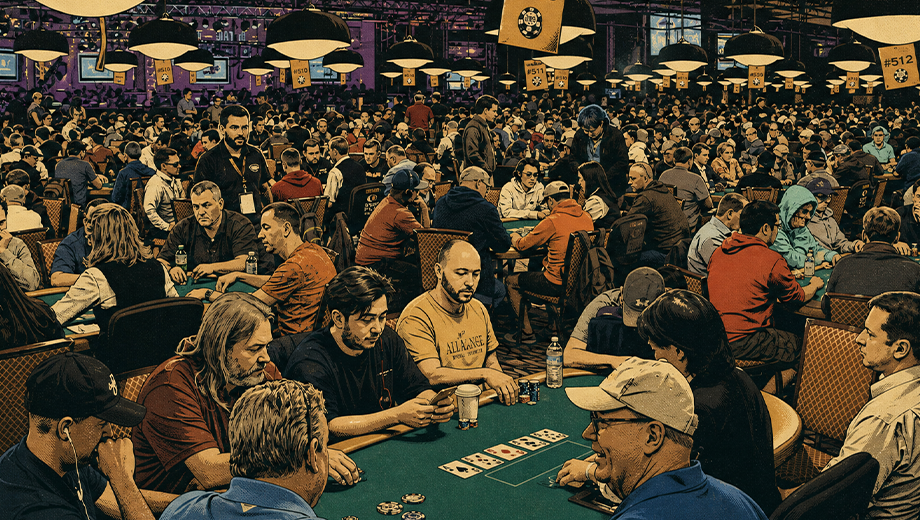
What they consistently get right: the prestige of the event. The Main Event bracelet still means something. The satellite pathway is still open. The field still includes everyone from first-timers to Hall of Famers sitting at the same table. That accessibility — the idea that anyone can qualify and anyone can win — is the thing that made poker explode and the thing worth protecting.
As long as rule changes serve that, I’m not going to be the one complaining loudly every time something shifts. The game has changed dramatically since I won it. Most of those changes moved in the right direction.
If you want to follow what’s actually changing this year, the WSOP Schedule is where the official event details and structures are posted. That’s the primary source — not the rumor mill.
Frequently Asked Questions
How does Chris Moneymaker evaluate WSOP rule changes?
His primary test is whether a rule change makes the experience better or worse for the recreational player — the first-timer, the satellite qualifier, the person who drove to Vegas to play the biggest tournament of their life. Changes that serve that player, he supports. Changes that don’t, he questions.
Why does tournament structure matter more than most players realize?
Structure — level length, starting stack depth, antes — determines whether players have real poker to play or just a lottery. Fast structures compress luck and reduce the impact of skill. Slower structures give better decisions more time to be rewarded and smooth out bad luck runs. The WSOP Main Event’s deep, long structure is one of its most important features.
What is Chris Moneymaker’s view on shot clocks at the WSOP?
He sees shot clocks as appropriate for some formats — particularly high roller events with experienced players — but questions their value in the Main Event, where the field includes tens of thousands of players across a wide range of experience. Adding a timed clock to every decision may not improve the recreational player’s experience.
How has the WSOP changed since Chris Moneymaker won in 2003?
Dramatically. The 2003 Main Event had 839 players; recent fields have exceeded 10,000. The satellite pathway expanded, live streaming became standard, and dozens of new events were added to the schedule. Most of these changes opened the game to more players — which Moneymaker sees as a positive trajectory overall.
What does Chris Moneymaker think the WSOP consistently gets right?
The prestige of the Main Event bracelet, the open satellite pathway, and the mixed field where first-timers and Hall of Famers play at the same table. The accessibility — anyone can qualify and anyone can win — is what drove the poker boom and remains the most important thing to protect through any rule changes.
Where can players find official information about WSOP rule and structure changes?
The official WSOP website posts current event details, structures, and schedules. That’s the primary source for accurate information — not social media rumors or forum speculation. When something changes officially, it shows up there first.