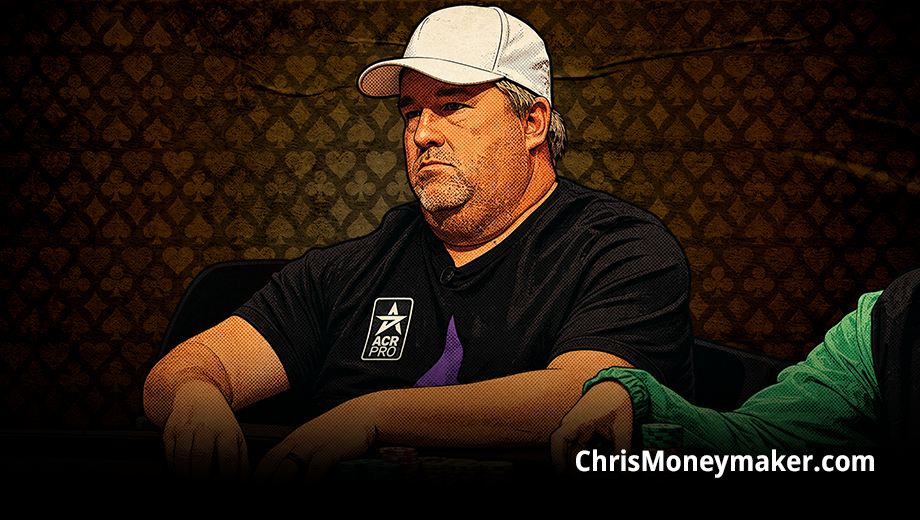

Pocket jacks on Day 1 of a Main Event isn’t a hand people ask me about much. It’s not glamorous. It’s not the Farha bluff. But it comes up more than almost anything else in a deep-stacked field, and how you handle it early says a lot about how you’re going to play the rest of the tournament.
Why Day 1 Changes the Math
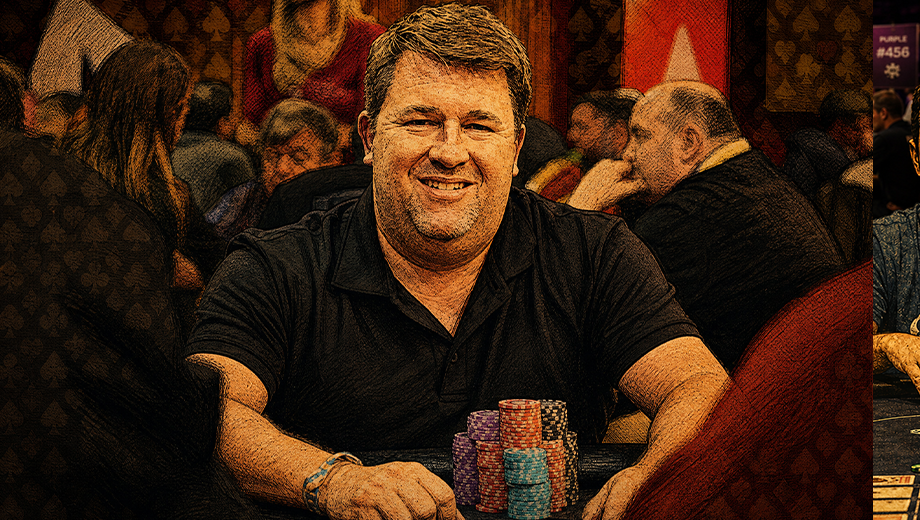
Everybody starts deep. In 2003 we started with a 10,000-chip stack and I bagged 60,000 by the end of Day 1 — six times my starting stack. When stacks are that deep relative to the blinds, a hand like jacks stops being a “get it in and pray” situation and turns into a hand you actually have room to play carefully. You can fold it on a bad board. You can call a raise and see a flop instead of committing everything preflop. Deep stacks buy you options. Short stacks take them away.
That’s the first thing I’d tell anyone sitting down with jacks early on Day 1: check your stack before you check your cards. The size of your chip stack decides more about this hand than the two cards themselves.
How I’d Actually Play It
Facing a Raise From an Unknown Player
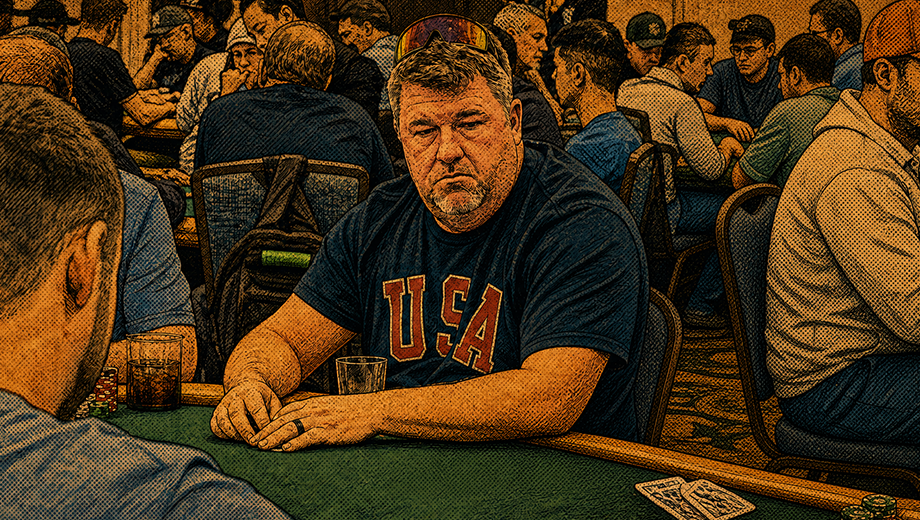
Early in a big field, you don’t know anyone. That was true for me in 2003 — I only recognized three names in the whole tournament. Against a raise from someone I have zero read on, I’m calling with jacks more often than I’m reraising. A big raise here doesn’t buy me anything except a bigger pot with a hand that’s flipping against a lot of what an unknown player could have. I’d rather see a flop cheap and figure out where I stand from there.
Facing a Raise From Someone I’ve Been Watching
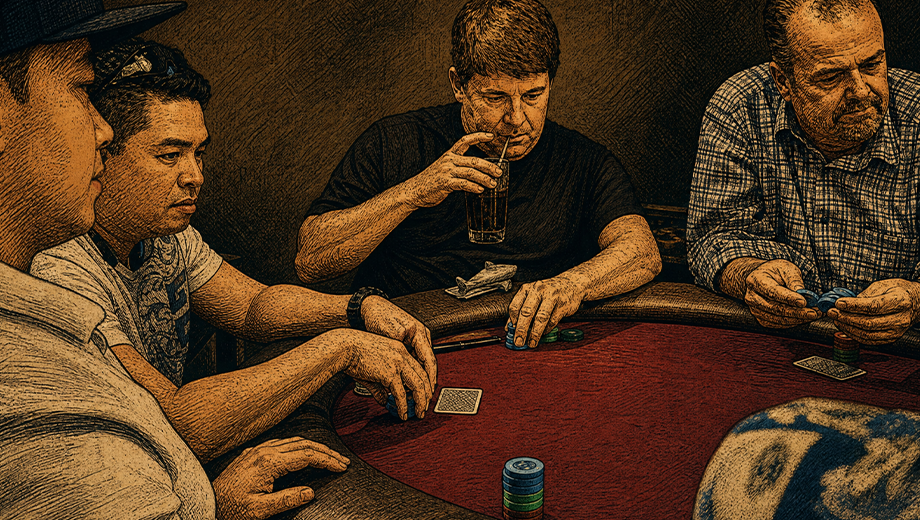
Reading people is the one edge I actually trust. It’s not complicated — you watch hands you’re not in, you watch how people bet when they’re strong and when they’re not, and by the middle of Day 1 you start to know things about the table you didn’t know at the start. If I’ve clocked someone as tight and they raise big, jacks go down easier. If I’ve seen them open wide all day, jacks get a lot more interesting.
What I’m Doing on the Flop
An overcard on the flop doesn’t automatically end the hand for me, especially deep. I’m watching the bet size and the timing more than the card itself. Early in a tournament, most players haven’t figured out how to disguise a strong hand yet — the bet often tells you more than the board does. That’s the whole approach: less about running perfect math, more about paying attention to the person across the table and what they’re actually representing.
What I Wouldn’t Do
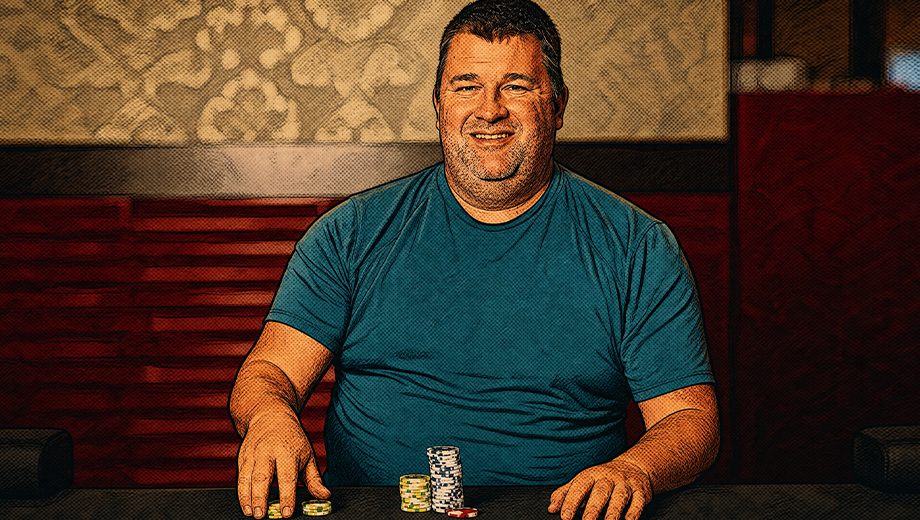
I wouldn’t shove jacks into an unknown raiser on Day 1 just because folding “feels weak.” That’s ego, not strategy, and ego is expensive in a tournament that’s going to run for days. Day 1 has always bored me a little — the real accumulation and reading happens on Day 2 and beyond — but that doesn’t mean you play sloppy just to make it interesting. You protect the deep stack. You let other people spew first.
Why This Still Matters to Me
I didn’t study a single hand of poker for almost ten years, from 2005 to 2015. There was just too much else going on with family and travel. What kept working for me even during that stretch wasn’t math I’d memorized — it was the same observation-based approach I’d used since 2003. It’s not rocket science. It’s simple observation. Jacks on Day 1 is as good a test of that as any hand, because the stakes are low enough that you can afford to be patient and high enough that patience actually pays off.
These days I study more than I used to, and I understand modern players’ ranges better than I did back then. But the core of how I’d play jacks early hasn’t changed much: protect the deep stack, trust the reads over the theory, and don’t let one medium-strong hand talk you into a bad decision three days before it matters.
The Bottom Line
Pocket jacks on Day 1 isn’t a hand to get cute with or a hand to be scared of. It’s a hand to play with your eyes open — watching stacks, watching people, and making sure you’re still around for the part of the tournament that actually gets interesting.
Frequently Asked Questions
How should you play pocket jacks on Day 1 of a poker tournament?
Chris Moneymaker’s approach is to play jacks carefully given deep starting stacks. Against an unknown raiser, he favors calling over reraising to see a flop cheaply, then makes decisions based on reads gathered from watching the table rather than pure math.
Why does stack depth matter so much on Day 1?
Deep stacks relative to the blinds give players room to play hands like jacks carefully instead of committing everything preflop. In the 2003 WSOP Main Event, Moneymaker started Day 1 with 10,000 chips and bagged 60,000 by the end of the day — six times his starting stack.
Does Chris Moneymaker rely more on reads or math?
He describes his core edge as observation rather than technical study. He’s said reading people is not complicated — it’s simple observation — and that approach carried him even through a decade, from 2005 to 2015, when he didn’t study poker at all.
Should you shove pocket jacks on Day 1 against an unknown player?
Moneymaker advises against it. Shoving out of ego rather than strategy is expensive in a tournament that runs for days. He prefers to call and see a flop rather than commit a big stack early against a player he has no read on.
Why does Chris Moneymaker say Day 1 is boring?
He’s said the real engagement and accumulation happen on Day 2 and beyond, once players can build reads on the table. Day 1 is more about surviving carefully and gathering information than making big moves.