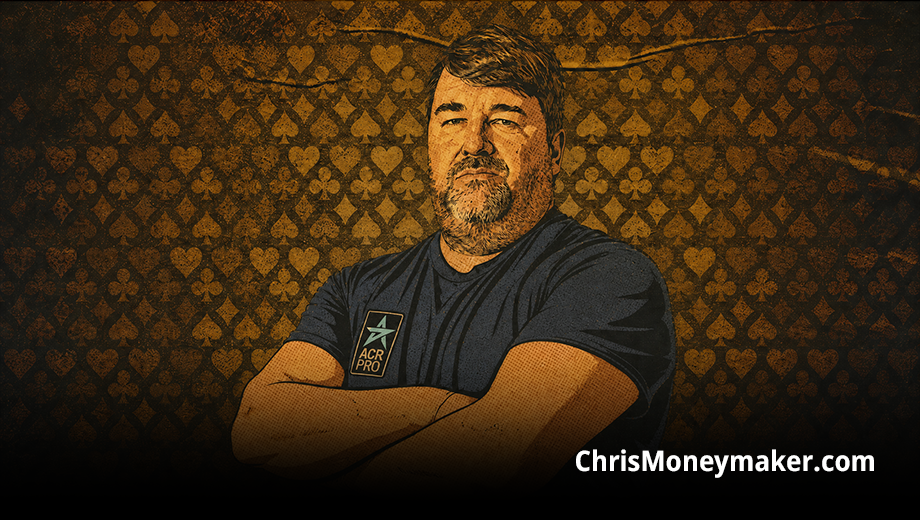

Every year when the WSOP schedule drops, I do the same thing. I go through it event by event, make a mental note of what catches my attention, and then close the tab and think about it for a few days before I commit to anything. The 2026 schedule is out now. Here’s where my head is at.
The Main Event is the one constant. I’ve played it every year since 2003. That’s not changing. Everything else gets evaluated on its own terms — buy-in, structure, timing, where I am with my game, what else is going on that week. The schedule is a menu. You don’t order everything.

What I Look for When I Read a WSOP Schedule
The first thing I look at isn’t the events. It’s the structure. How deep are the blind levels? What’s the starting stack relative to the buy-in? The WSOP has gotten better at this over the years — longer levels, more play — but it varies event by event and that variance matters more than the buy-in number.
An event with a $1,500 buy-in and fast levels is a crapshoot. An event with a $3,000 buy-in and two-hour levels is a real tournament. I’ll pay more for the second one because I’m actually playing poker, not spinning a wheel. The Main Event has always been the gold standard for structure — 60,000 chips, two-hour levels, enough room to make decisions. That’s the baseline I compare everything else against.
The second thing I look at is field composition. Certain events attract a specific mix of players. Mixed game events bring different dynamics than No Limit Hold’em events. Seniors events, Ladies events, lower buy-ins — the field changes completely. I’ve said it before: my people are at the $1,500 events. That’s where I enjoy playing the most. The energy is different when the room is full of players who saved up to be there.

The New US Tax Law Changes How I Think About This
I’ll be direct about something. The new US tax law taking effect this year changes my approach to the 2026 schedule in a real way. Under the new rules, players can only deduct 90% of their winnings against losses. The math gets uncomfortable fast — you can have a net losing year and still owe taxes on money you didn’t keep.
That’s not hypothetical. That’s a live scenario for anyone playing a full schedule of high buy-in events. Win $4 million, spend $4.2 million in buy-ins, you’re technically down on the year — and you still owe taxes on a meaningful chunk of that.
So my 2026 WSOP is more selective than previous years. Fewer events. More focus on the ones I actually want to play rather than filling out a schedule because I’m there anyway. The Main Event is still the anchor. Beyond that, I’m being more deliberate than I’ve been in a long time.
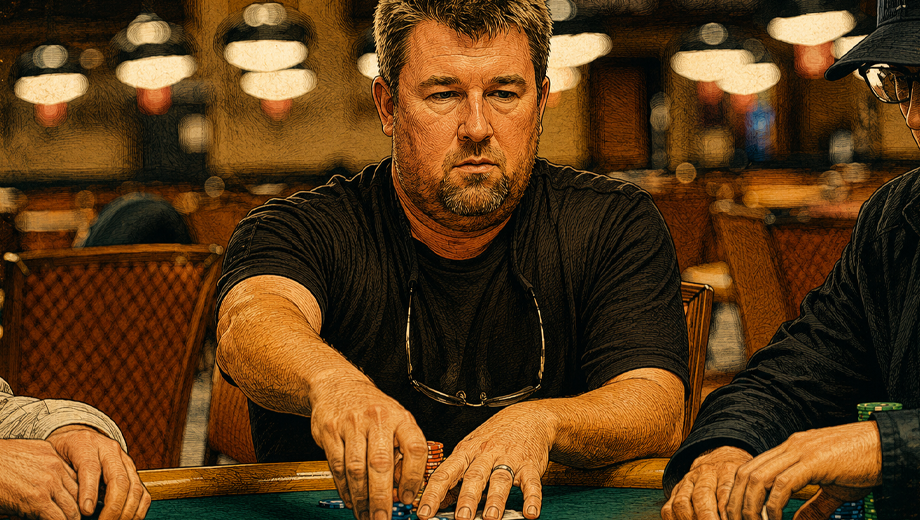
What the WSOP Schedule Looks Like After 23 Years
When I played in 2003, there were 45 events. The whole series. You could read the entire schedule in five minutes and have a conversation about every event. Today the WSOP runs hundreds of bracelet events across multiple series, formats, and locations throughout the year.
That’s not a complaint. It’s just context. The growth of the schedule is the same story as the growth of the field — 839 players in 2003, over 10,000 in recent years. One followed the other. More players means more demand for events, more buy-in levels, more formats. The schedule reflects the game’s reach.
What it also means is that the Main Event is a smaller percentage of the total WSOP footprint than it used to be. In 2003 it was one of 45 events. Now it’s one of hundreds. But it’s still the one everybody knows. The one that changes things. I haven’t missed it yet and I don’t plan to start.

The Events That Catch My Eye
I’m not going to pretend I analyze every bracelet event with equal weight. A few things on the 2026 schedule stand out to me specifically.
The lower buy-in events with good structures — the $1,500 and $2,500 range — are always worth looking at. The fields are big enough to matter but the buy-in doesn’t require me to think too hard about variance. These are the events where poker is the most fun to play.
The short-handed formats have gotten more interesting over the years. Six-max, eight-max — the dynamics are different and I’ve enjoyed those more as my game has evolved. If the structure is right, those events are on my radar.
The Seniors Event is something I’m getting closer to qualifying for, which is a sentence I was not prepared to write. The field is different, the energy is different, and some of the best reads I’ve ever gotten at a poker table have been in rooms full of people who’ve been playing the game longer than most pros have been alive.

One Number That Hasn’t Changed
The Main Event buy-in has been $10,000 for a long time. The prize pool has grown because the field has grown — from $7,987,860 in 2003 to well over $100 million in recent years when you account for the entire modern series. But the $10,000 to sit at the table hasn’t moved.
That number still means something. It filters the field in a way that a lower buy-in wouldn’t. It’s enough money that people take it seriously. It’s enough money that qualifying through a satellite — the way I got there in 2003 for $86 — still feels like a real story worth telling. The buy-in creates the stakes that make the story possible.
Every year I see the schedule, I think about that. The 2026 version of me looking at the 2026 schedule knows a lot more than the 2003 version did. Still going to be at the Main Event. Still going to have to earn it every time.
If you’re figuring out which events make sense for your schedule and bankroll, the WSOP Beginner’s Guide breaks down how to think about event selection from the ground up.
Frequently Asked Questions
When does the WSOP 2026 take place?
The World Series of Poker typically runs across several weeks each summer, with the Main Event taking place in late June or early July. For exact 2026 dates and the full event schedule, check the official WSOP website at wsop.com — dates and venues are confirmed there before anywhere else.
How many events are in the WSOP 2026 schedule?
The WSOP has grown dramatically since its early years — from 45 events in 2003 to hundreds of bracelet events across multiple series today. The 2026 schedule continues that expansion. For the complete event list, buy-ins, and structures, the official WSOP website is the authoritative source.
What is the WSOP Main Event buy-in?
The WSOP Main Event buy-in is $10,000. Players start with 60,000 chips and play two-hour blind levels. It’s also possible to qualify at a fraction of that cost through satellite tournaments — which is how Chris Moneymaker entered in 2003 via an $86 online satellite on PokerStars, eventually winning the $2,500,000 first-place prize.
How does the new US poker tax law affect WSOP players in 2026?
A new US tax law taking effect in 2026 limits poker players to deducting only 90% of their winnings against losses. This means a player can have a net losing year in terms of cash flow but still owe taxes on a portion of their winnings. It significantly changes the economics of playing a full high buy-in tournament schedule and is causing many American professionals — including Chris Moneymaker — to reduce their live event volume.
Is Chris Moneymaker playing the WSOP 2026?
Chris Moneymaker has played the WSOP Main Event every year since his 2003 win and plans to continue. His 2026 schedule is more selective than previous years due to the new US tax law, but the Main Event remains his annual anchor event. Follow his updates at chrismoneymaker.com and on social media for confirmed appearances.
How has the WSOP changed since Chris Moneymaker won in 2003?
The scale change is staggering. In 2003 the series had 45 events and 839 Main Event players. Today the WSOP runs hundreds of bracelet events across multiple series, with the Main Event regularly drawing over 10,000 entries. The Moneymaker Effect — the surge in recreational participation triggered by the 2003 ESPN broadcast — is widely credited for accelerating that growth.