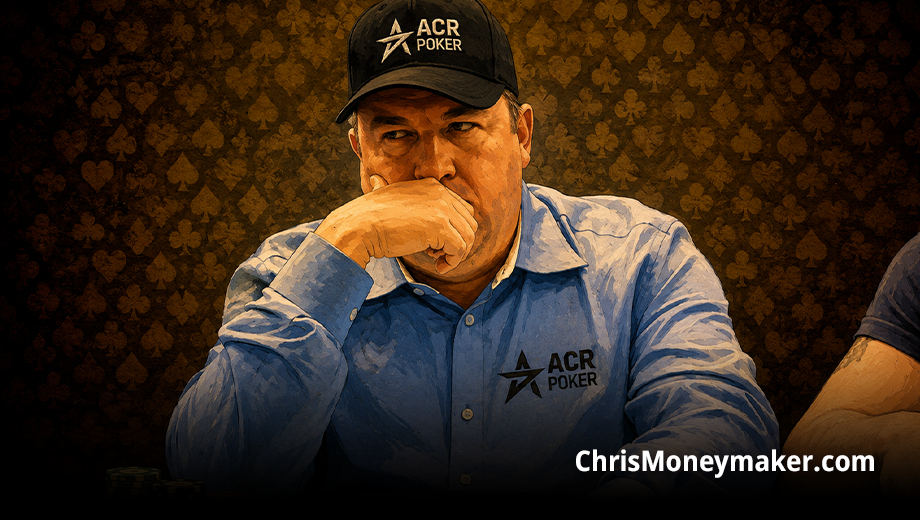

I entered the 2003 Main Event by accident. I thought I was registering for a cash sit-and-go online. Somewhere in the process I’d actually entered a satellite to a satellite to the World Series of Poker Main Event. I only found out what I’d actually signed up for after I was already in it. That’s not a great way to start the biggest tournament of your life, and it’s the first thing I’d tell any first-timer to get right before anything else.
Know Exactly What You’re Registering For
It sounds obvious. It wasn’t obvious to me. Online satellites in 2003 could chain together — a small buy-in feeding into a bigger one, feeding into a bigger one again — and it was easy to lose track of which event you were actually sitting down to play. I didn’t realize what was at stake until I was already committed. Before you sit down anywhere, know what you’re playing for and what winning it actually gets you.
That confusion cost me nothing in the end, but it easily could have. Read the structure. Know the payout. Know what seat you’re actually playing to win before the cards go in the air.
The Mistakes That Almost Changed Everything
Don’t Count On Money That Isn’t In Your Hand
My friend Bruce had told me he’d stake half my action for $5,000 if I made the Main Event. Good deal, in theory. Except he’d already blown that $5,000 at a casino in Tunica before I even got the chance to take him up on it. I found out the hard way that a verbal agreement isn’t the same as money sitting in an envelope. I ended up selling smaller pieces to my dad and a different friend instead, and kept 60% for myself, which worked out fine. It wouldn’t have if I’d planned my whole approach around Bruce’s stake actually showing up.
Don’t Walk In Already Planning to Cash Out
My actual plan going into the Main Event was to finish fourth at the bubble and sell my seat for $8,000 cash, since transfers were allowed that year. I wasn’t planning to win. I was planning to get out with a number that felt safe to me. A friend called partway through and told me to stop thinking that way and just play the tournament. First-timers do this constantly — they set a “good enough” number in their head before they’ve played a single hand, and it changes how they play every hand after that.
What the Names in the Room Don’t Mean
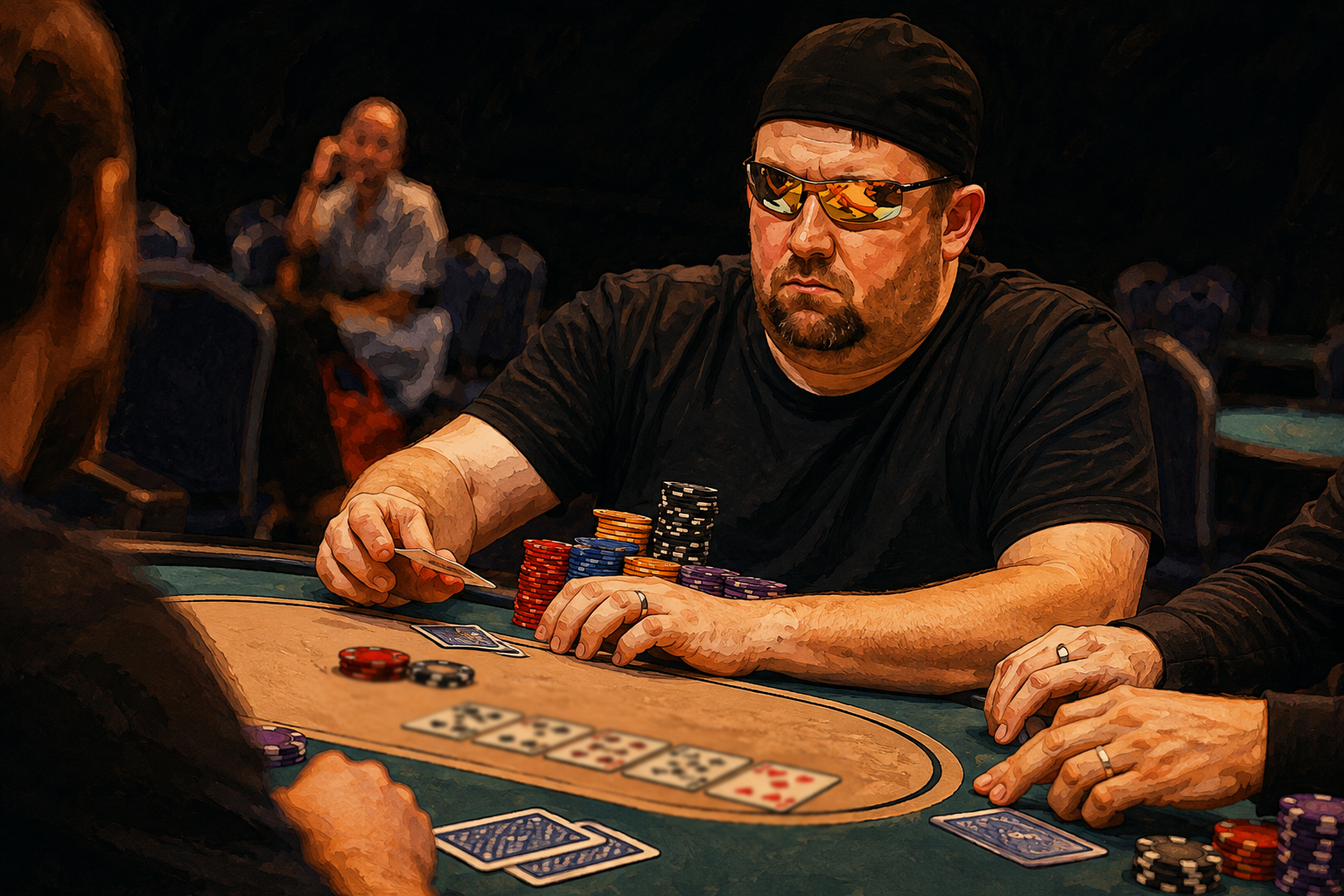
I only recognized three players going into the whole event: Phil Hellmuth, Doyle Brunson, and Johnny Chan. Everyone else was just a face and a stack of chips to me, including players who turned out to be some of the best in the world. First-timers tend to get intimidated by reputations they’ve heard about but never actually seen across a table. That fear costs more chips than any bad hand does. A name doesn’t win a pot. Cards and decisions do.
What I’d Actually Tell a First-Timer to Do Instead
Play the Cards in Front of You, Not the Room
It’s not rocket science. It’s simple observation. Watch how people bet. Watch what they show down. Build your read off what’s actually happening at the table instead of what you’ve heard about who’s sitting at it.
Slow Down Before You Do Anything Big
The biggest mistakes I see from first-timers happen in the first level of the day, when everyone’s still adjusting and decisions get rushed. Give yourself time to actually watch before you get aggressive about anything. The tournament is long. There’s no prize for making your first big move in the first hour.
None of this required experience I didn’t have back in 2003. It just required paying attention and not letting confusion, fear, or an unreliable stake make my decisions for me. That part hasn’t changed in over twenty years.
Frequently Asked Questions
What mistake did Chris Moneymaker make entering the 2003 WSOP Main Event?
He accidentally entered an $86 online satellite thinking it was a cash sit-and-go. It turned out to be a satellite to a satellite for the WSOP Main Event, and he didn’t realize the full stakes until after he was already committed.
What should first-time WSOP players avoid when it comes to staking deals?
Relying on a verbal staking agreement without confirmed funds. Chris Moneymaker’s friend had promised to stake 50% of his action but had already spent the money at a casino before the deal could go through, forcing a last-minute change of plans.
Did Chris Moneymaker plan to win the 2003 Main Event?
No. His original plan was to finish around the bubble and sell his seat for $8,000 cash, since seat transfers were allowed that year. A friend convinced him to abandon that plan and simply play the tournament instead.
How many players did Chris Moneymaker recognize at the 2003 Main Event?
Only three: Phil Hellmuth, Doyle Brunson, and Johnny Chan. Everyone else, including future opponents like Phil Ivey and Sammy Farha, was completely unfamiliar to him going into the event.
What’s the biggest mistake first-time WSOP players make early in a tournament?
Rushing decisions in the first level before they’ve had time to actually watch the table. Taking time to observe how opponents bet and act pays off far more than making an aggressive move early just to feel active.