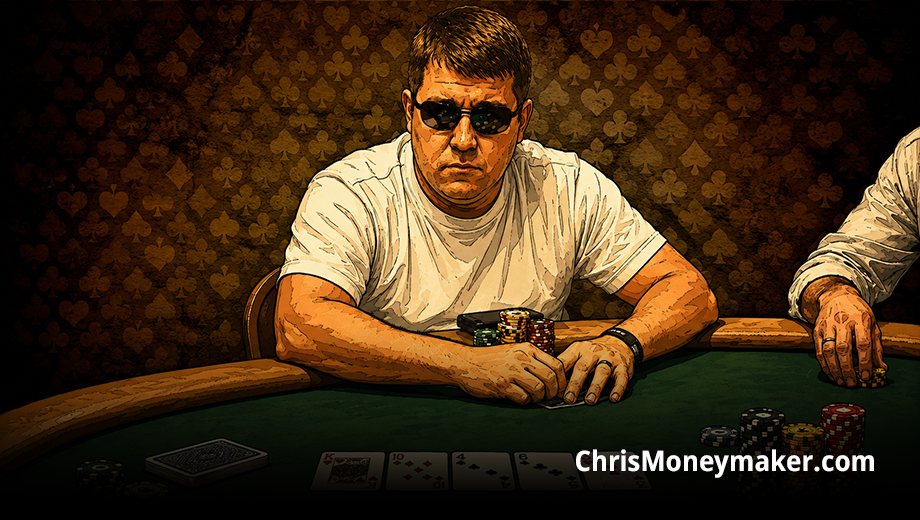

The first thing that happens to me after losing a monster pot isn’t strategic. It’s physical. My jaw tightens up, my hands get a little hot, and every instinct in me wants to make it back on the very next hand I’m dealt. That instinct is exactly the thing I’ve had to learn to ignore.
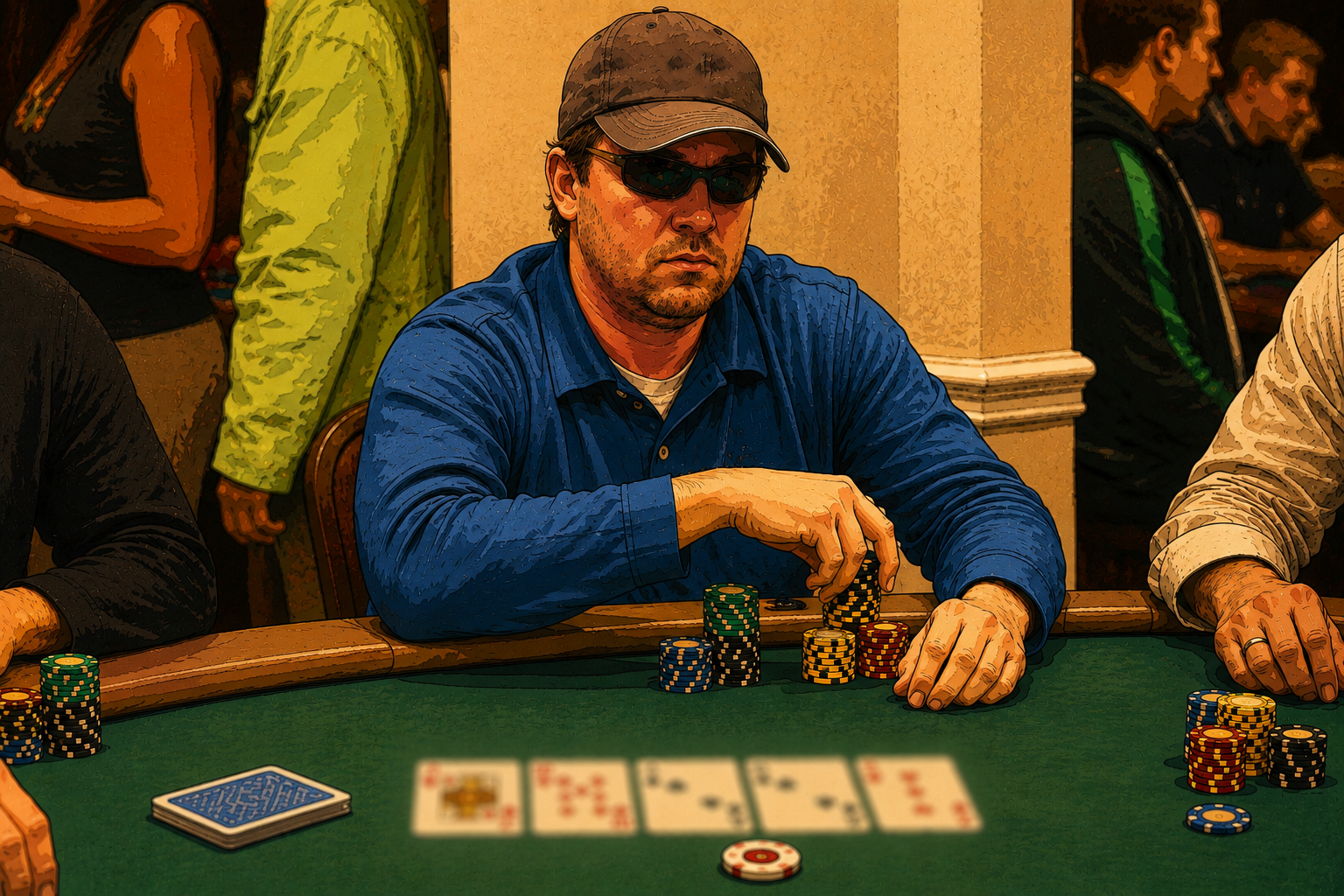
The First Ninety Seconds Matter More Than the Next Ten Hands
Losing a big pot doesn’t just cost you chips. It costs you clarity for a little while, and most players don’t respect how long that lasts. I’ve watched good players — players a lot better than me on paper — hand off a second stack right after losing the first one, because they never actually let themselves reset before jumping back in.
My rule is simple: I don’t make any big decisions in the first few hands after a loss like that. I fold more than I normally would, not because I’ve suddenly gone card-dead, but because I don’t trust my own read on anything yet. Poker is about controlling your emotions and how those emotions affect your decisions. That’s not a slogan. It’s the actual job.
What Nobody Tells You About the Table After a Big Loss
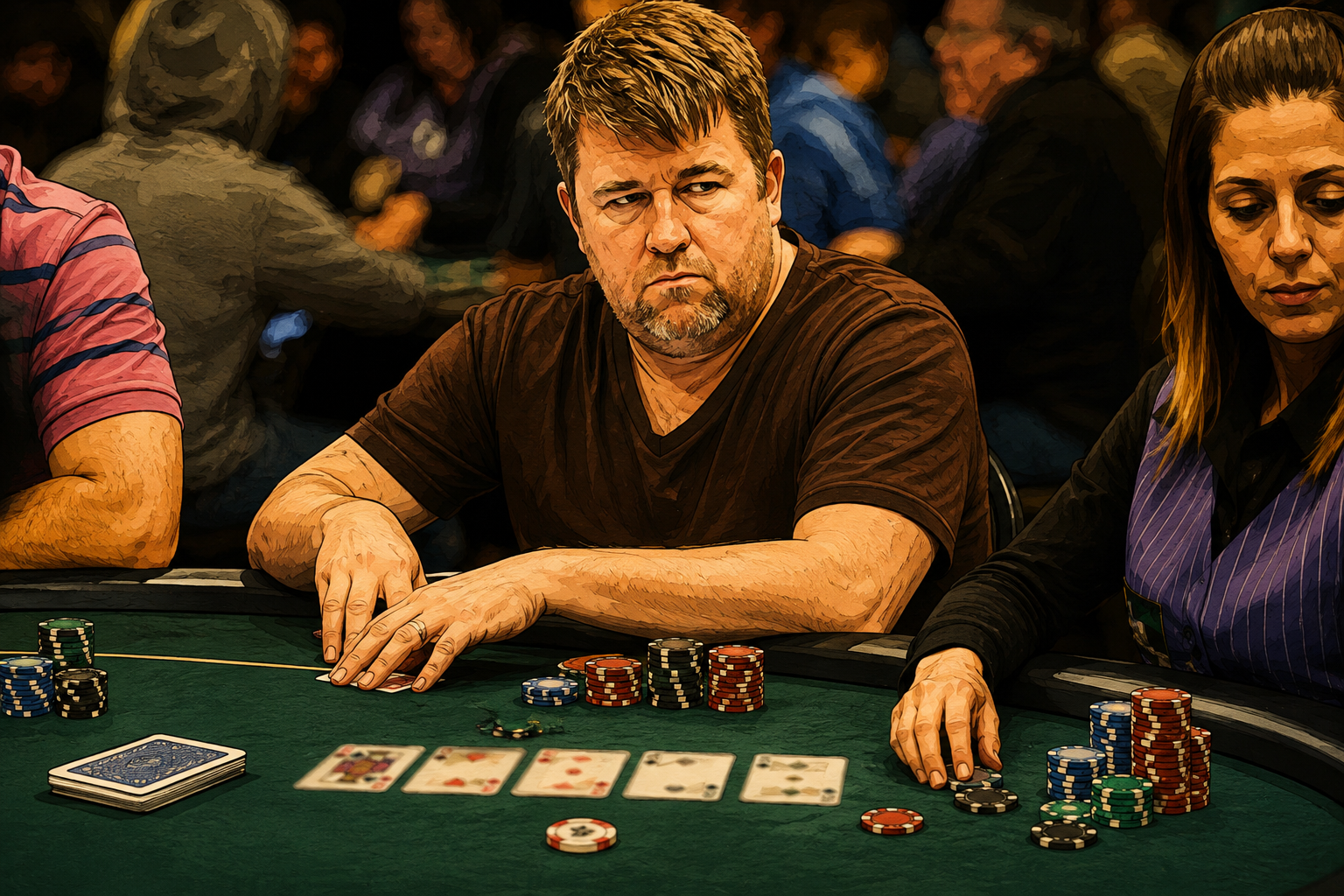
They’re Watching You, Not the Cards
Here’s the part people miss: everyone else at the table saw that pot too. They know you just took a hit, and some of them are going to test it. They’ll come after you with more aggression than usual, betting into you, three-betting you lighter, because they’re betting on you being upset. If I play the next few hands exactly the way I played the ones before the loss, that alone throws a lot of that plan off.
Getting Away From the Table Actually Works
If there’s a break coming, or even just a hand I can fold from the button without giving anything up, I’ll use it. Walk to the bathroom. Get water. Physically leaving the table for two minutes does more for me than trying to think my way calm while I’m still sitting in the seat where it happened.
What Losing Big Actually Teaches You
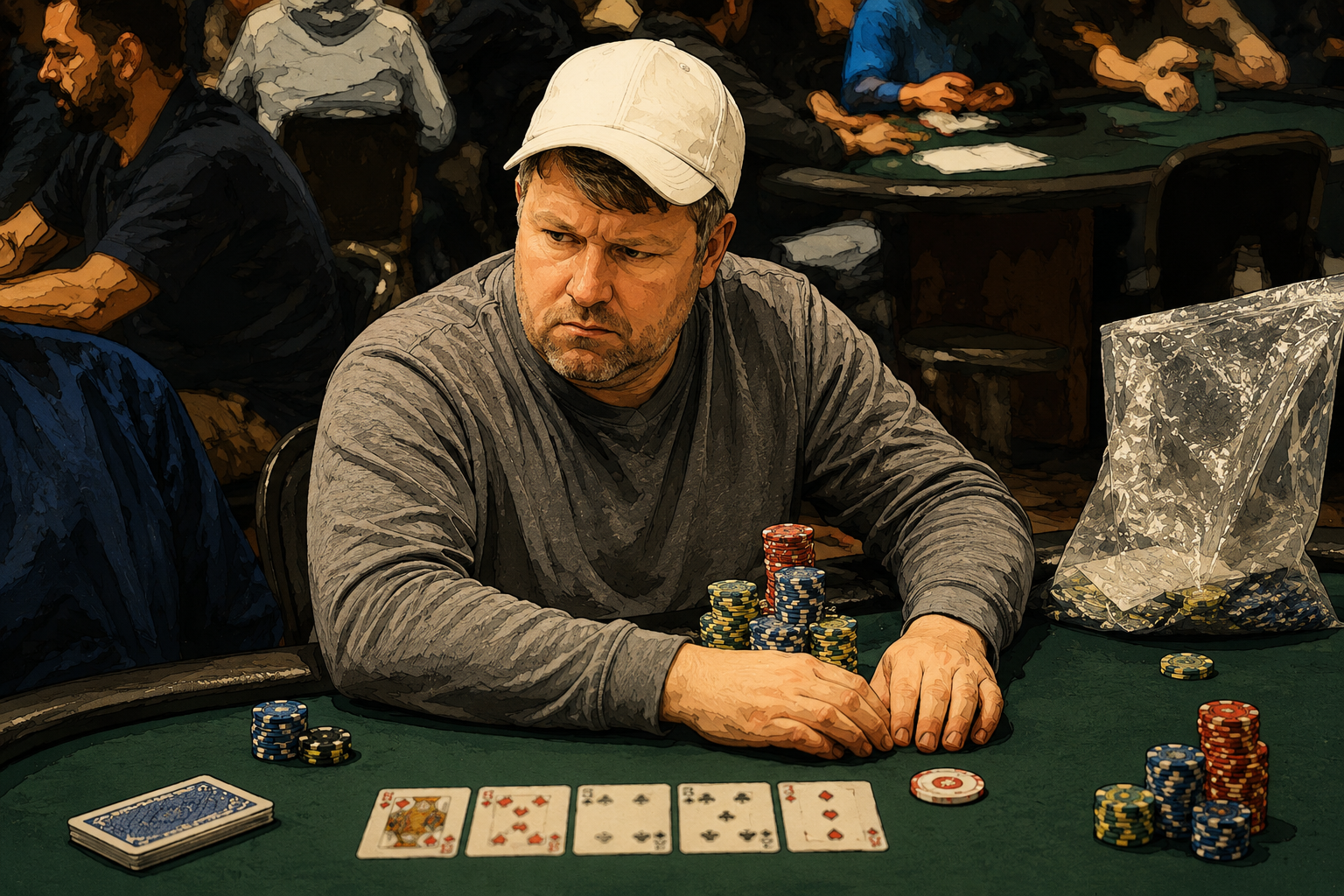
I’m smart enough to know that’s not sustainable. I ran really good in 2003, and I’ve run badly plenty of times since, including plenty of pots I’d rather forget. The players who last aren’t the ones who avoid big losses. Nobody avoids them forever. They’re the ones who’ve made peace with the fact that variance is part of the deal, not a personal insult.
I don’t think about a bad beat as something that happened to me specifically. I think about it as the math doing what math does over a long enough sample. Things happen for a reason, and most of the time the reason is just: that’s poker.
How I’d Actually Adjust My Game
Tactically, the first thing I do is tighten up my starting requirements for a stretch — not forever, just until I trust my own head again. I’m not folding out of fear. I’m folding because a bad read on top of a bad mood is how a big loss turns into two big losses.
Watching Instead of Playing
This is when the fold-and-observe habit matters most. I’ll watch more hands than I play for a while, try to guess what people are holding, and check myself at showdown. It slows the whole thing down and gets my head back into the game instead of back into the hand I just lost.
Rebuilding Slowly, Not Chasing
I don’t try to win it back in one hand. That’s the tell of someone who’s tilted and doesn’t know it yet. I’d rather win five small pots over the next hour than force one big one to make myself feel better. The stack comes back or it doesn’t. Either way, forcing it usually makes it worse.
More than anything else, it comes down to patience. Not getting too emotional. Not reacting to situations. That’s been true since 2003, and it hasn’t gotten any less true since.
Frequently Asked Questions
How does Chris Moneymaker recommend handling a big poker loss?
He avoids making major decisions in the hands right after a big loss, tightens his starting requirements temporarily, and steps away from the table physically if possible before jumping back into hands that matter.
Why do other players get more aggressive after you lose a big pot?
Opponents notice a big loss and often assume it comes with frustration or tilt. They may bet more aggressively or apply extra pressure, expecting a weaker reaction than usual, so playing your normal game disrupts that plan.
What does Chris Moneymaker mean by controlling your emotions in poker?
He describes poker as fundamentally about controlling emotions and how those emotions affect decisions. A hand that goes badly can distort judgment for several hands afterward if a player doesn’t consciously slow down and reset.
Does Chris Moneymaker believe in trying to win back losses quickly?
No. He prefers rebuilding a stack gradually through smaller pots rather than forcing one big hand to make up for a loss, which he considers a common sign of tilt rather than a sound strategy.
How does Chris Moneymaker think about variance and bad beats?
He views variance as an unavoidable part of poker rather than a personal setback, noting that he ran well in 2003 and has run poorly plenty of times since. Accepting that swings even out over time is central to his mindset.