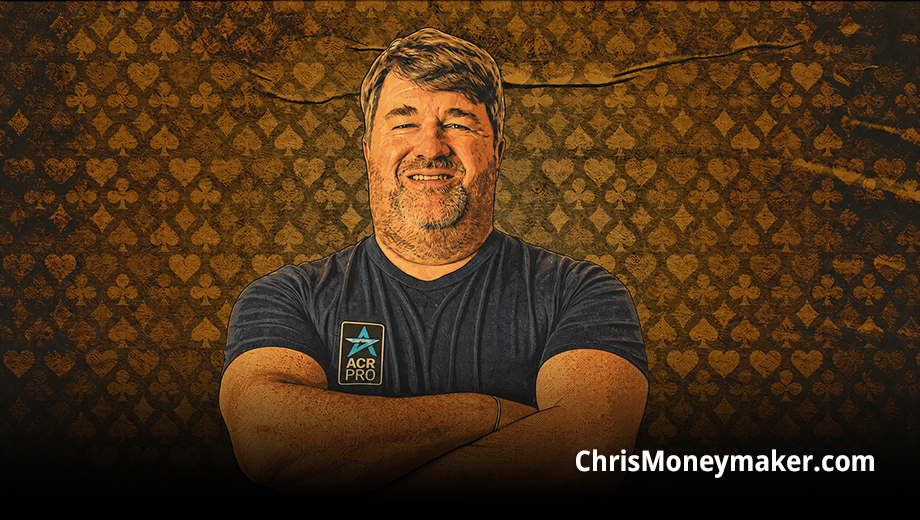

I walked into Binion’s Horseshoe in May 2003 thinking I was going to be the worst player in the field. I had $200 in my online account. I knew the names of three professional poker players. I had never played at this level before in my life.
I won. But that’s not the point. The point is I had no idea what I was walking into — and most first-time WSOP players don’t either. The tournament itself is one thing. Everything around it is another. Here’s what I’d tell someone playing the Main Event for the first time.
Understand What the First Two Days Actually Are
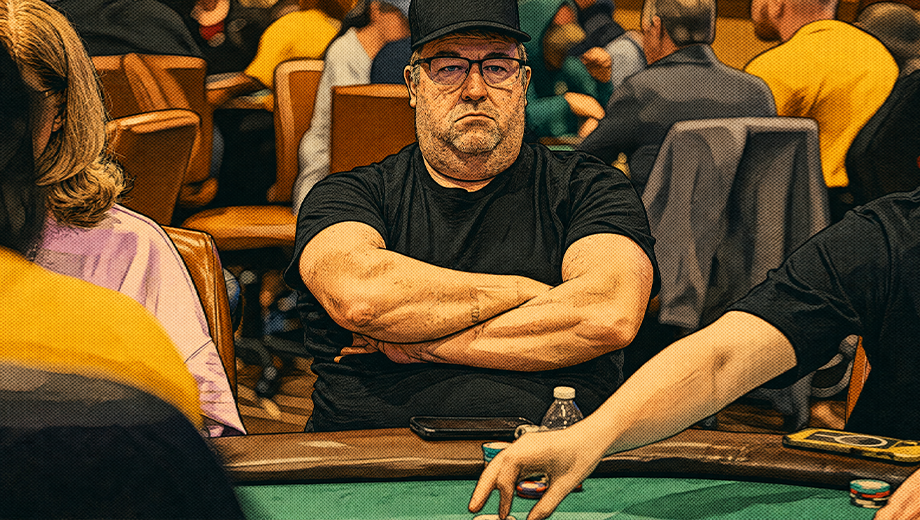
The Main Event is not a sprint. The structure gives you 60,000 chips, two-hour levels, and enough room to be patient. Most first-timers don’t use that room — they come in anxious, play too many hands early, and bust themselves before the field has even thinned.
Days 1 and 2 are about information gathering as much as chip accumulation. You’re learning who’s at your table, who plays scared, who’s there for the story, and who actually knows what they’re doing. That information compounds. By Day 2, you can use it. On Day 1, you’re mostly collecting it.
The players who go deep aren’t necessarily the ones who ran hot on Day 1. They’re the ones who didn’t do anything stupid early and showed up to Day 2 with enough chips to make real decisions.
The Room Is Not What You Expect
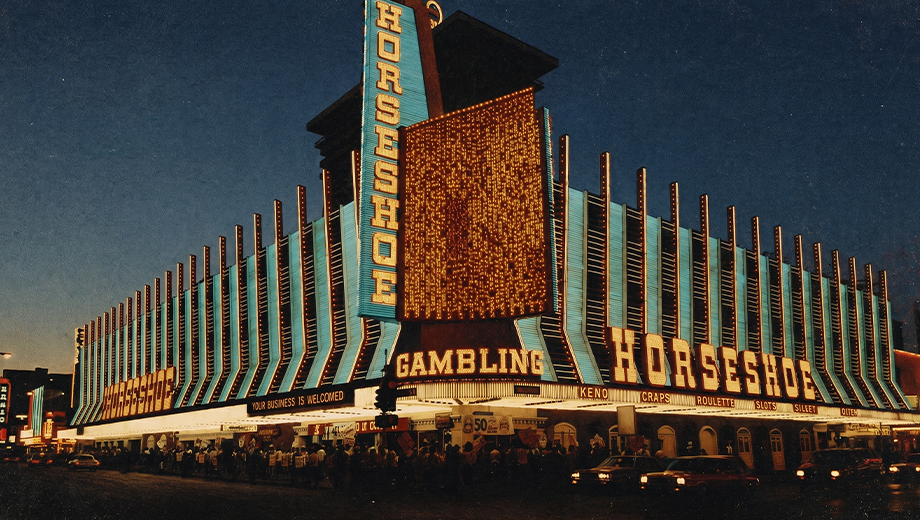
When I walked into Binion’s, the ceilings felt six feet tall. They’d pulled out the slot machines and replaced them with poker tables. Players were tracked on a whiteboard with a magic marker. It looked nothing like what people imagine when they picture the World Series of Poker.
Today’s venue is different — larger, more modern — but the feeling of first walking in still catches people off guard. It’s louder than you think. It’s more chaotic than you think. The sheer number of tables and players is disorienting until you find your seat and settle in.
Give yourself time before your flight starts. Walk the floor. Find the bathrooms. Figure out where the food is. The players who walk in twenty minutes early and sit down cold are already operating at a disadvantage before the first hand is dealt.
Nobody Is as Scary as They Look
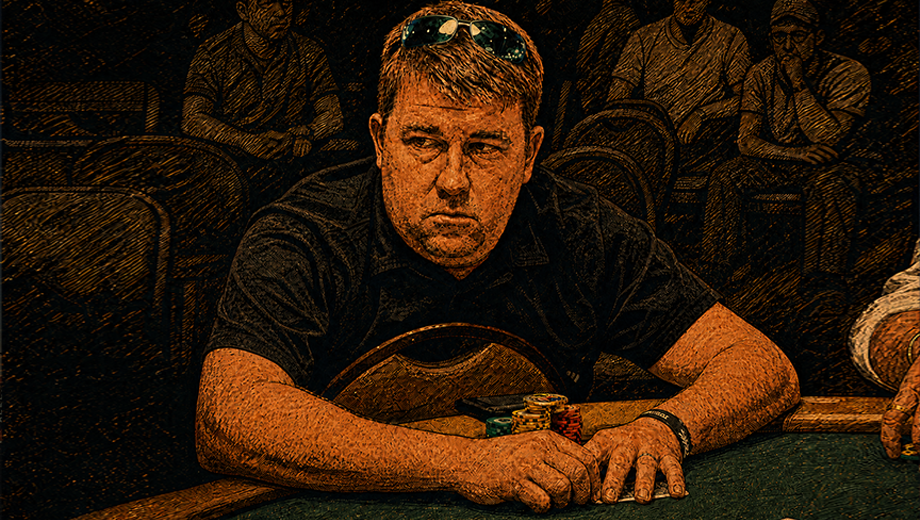
This is the one I’d emphasize most. First-timers tend to put well-known players, big stacks, and aggressive personalities on a pedestal before a hand is even played. That’s a leak.
When I was at Binion’s in 2003, I only recognized three names in the entire field. That included Dan Harrington, who sat two to my right on Day 1 — and I only knew who he was because I checked the wall of champions. Phil Ivey was at my table later in the tournament. I had no idea who he was. I called off my stack in a key hand and won. Not knowing who he was probably helped.
The players who are genuinely dangerous are dangerous because of how they think, not because of how they present. Respect the game. Don’t fear the name.
Manage Your Body, Not Just Your Stack
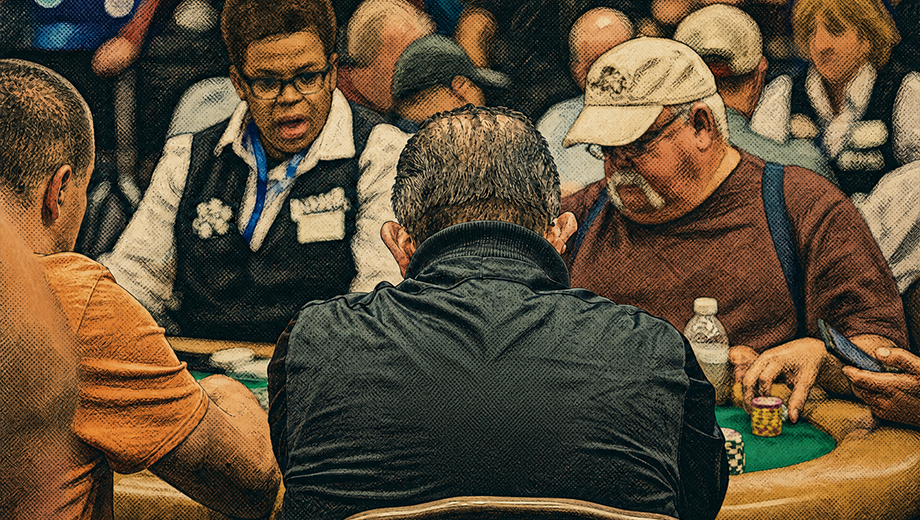
The Main Event is a multi-day tournament. Most people are not physically prepared for what that means. You’re sitting for ten to twelve hours a day. The air conditioning is aggressive. The food options at most venues are either expensive or convenient, rarely both. Sleep becomes a variable.
I’m not a nutritionist. But I know what happens when you’re eight hours into a session, running below starting stack, and you haven’t eaten since noon. Your decisions get worse. The margin for error in a deep tournament is thin enough without adding fatigue to the equation.
Eat before your session. Sleep like the tournament depends on it — because from Day 2 onward, it does. Use breaks to move around, not to stand in line for food you’re going to eat too fast. The players who are physically sharp at the end of Day 3 have a real edge over the ones who aren’t.
What to Do When a Big Name Sits at Your Table
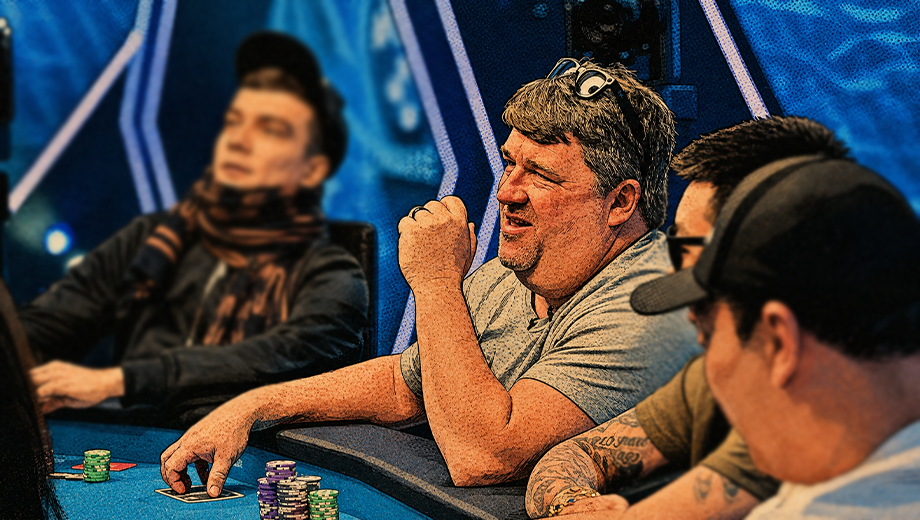
This happens. At a tournament with thousands of players, you will eventually share a table with someone you recognize. The wrong reaction is to either immediately try to avoid them or immediately try to play pots against them to prove something.
The right reaction is to observe. Watch how they bet. Watch what they show down. Watch how they react when they lose a hand. Famous players are human. They have patterns. They have bad hours. They make mistakes.
In a tournament like the Main Event, there are enough recreational players and nervous first-timers at every table that you generally don’t need to pick fights with the best players in the field. Choose your spots. There are easier chips available.
The Bubble Is Loud. Use It.
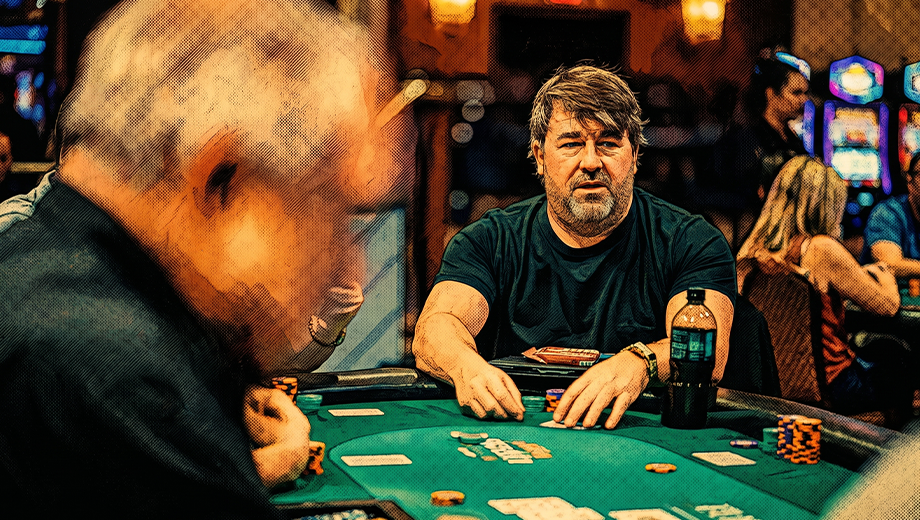
If you make it deep enough to feel the money bubble, you’ll notice the whole room changes. Players who were loose and aggressive tighten up. Short stacks go into survival mode. People who have been three-betting liberally suddenly start folding to opens.
This is the moment when patient, observant players pick up chips for free. If you’ve been building a stack steadily and watching your table carefully, you’ll know exactly who is afraid of the bubble and who isn’t. The scared players will tell you without meaning to. Bet into them. Apply pressure. Take the small pots they’re giving away.
The bubble is not a time to slow down. It’s a time to shift gears — if you have the stack to do it.
One More Thing Nobody Tells You
Win or lose, the WSOP Main Event is a long week. The emotional swings — good runs, bad beats, near-misses, big hands — accumulate in ways that are hard to describe until you’ve been through it. Experienced players know how to compartmentalize. First-timers usually don’t.
When something goes wrong — a bad beat, a misread, a bluff that didn’t work — step away from the table on the next break. Walk it off. Don’t replay the hand for twenty minutes while the next one is being dealt. Short memory is one of the most underrated skills in tournament poker, and it’s something you can practice before you ever sit down.
I went back to work the Monday after winning the Main Event. Not because I had to. Because that was my version of short memory. One thing at a time.
If you want to get some live reps in before the WSOP, the Moneymaker Tour runs low buy-in tournaments across the U.S. with structures built for real play — a good place to work out the nerves before Vegas.
Frequently Asked Questions
How much does it cost to enter the WSOP Main Event?
The WSOP Main Event buy-in is $10,000. Players start with 60,000 chips and two-hour blind levels. It’s also possible to qualify for a fraction of the cost through satellite tournaments — online and live — which is exactly how Chris Moneymaker entered in 2003 via an $86 satellite on PokerStars.
How many players enter the WSOP Main Event each year?
In recent years the Main Event has attracted over 10,000 entries. The field was 839 players in 2003 when Chris Moneymaker won. By 2006 the field had grown to over 8,700 players — a surge directly attributed to the “Moneymaker Effect” following his televised win on ESPN.
What is the biggest mistake first-time WSOP players make?
Playing too many hands too early. The deep structure of the Main Event rewards patience, but first-timers often play with urgency they haven’t earned yet. The first two days are as much about observing your table as accumulating chips. Players who survive early and arrive at Day 2 with a healthy stack have options. Players who bust themselves with marginal hands on Day 1 don’t get a second chance.
How long does the WSOP Main Event last?
The Main Event spans multiple days across several weeks. Players choose a starting flight on Day 1, and survivors return for Day 2. The field gradually narrows through additional days until the final table is reached. Sessions typically run ten to twelve hours. Physical preparation — sleep, food, managing energy — matters more than most first-timers expect.
Can a beginner realistically compete in the WSOP Main Event?
Yes — and Chris Moneymaker is the most cited example. He entered in 2003 having never played at that level before, with no prior WSOP experience. The deep stack structure, luck variance over a multi-day event, and the mix of recreational and professional players all create real opportunities for amateurs. That said, preparation — studying ranges, understanding position, and having logged significant live hours — meaningfully improves your chances.
Where is the WSOP Main Event held?
The World Series of Poker has been held in Las Vegas for its entire history. The Main Event was held at Binion’s Horseshoe in downtown Las Vegas for decades before moving to the Rio All-Suite Hotel and Casino, and has since moved again. Check the official WSOP website for the current venue and schedule before making travel plans.