
I walked outside the room at Binion’s and just stood there. I’d gotten a lot of money in with Ace-something on a ten-high board against Kings. Bad spot. I lost it, and for about ten minutes I was convinced the tournament was over for me. Not “down a little, keep grinding.” Over. That’s the part nobody puts in the highlight reel.
Everybody knows the ending. Fewer people ask about the middle — the part where I was a 27-year-old accountant who’d never played at this level, sitting two seats from Dan Harrington without even recognizing him, wondering if I was about to embarrass myself on national television. That’s the story I actually want to tell.
The Ten Minutes I Thought It Was Over
After that hand against the Kings, I went outside. Not to strategize. Just to breathe. I was mentally fragile in that moment — fragile enough that if the next few hands had gone badly, I think I would have blown up completely. Instead, the very next hand back at the table, I got dealt Aces and nearly doubled straight back up.
I don’t tell that story to make it sound like fate was steering the bus. I tell it because it’s the honest version. One hand, I was ready to check out emotionally. The next hand, I was fine. That swing is the actual emotional experience of playing a tournament like this — not a steady climb, but whiplash, over and over, for days.
What I Didn’t Know Going In
I Didn’t Know Who Anybody Was
I only knew three names walking into that room: Phil Hellmuth, Doyle Brunson, and Johnny Chan. When I saw Phil Ivey across the table, I just saw a young guy with a lot of chips. He didn’t scare me — not because I was confident, but because I genuinely had no idea who he was or what he’d already done in the game. Ignorance turned out to be useful. If I’d known he was considered the best player in the world, I’m not sure I make that call on the river.
The Players Who Actually Scared Me
The ones who got in my head weren’t the young guys. It was the older veterans — the ones who’d been around long enough that you felt like they could look into your soul and know exactly what you were holding. Young players with chips didn’t register as a threat. That’s backwards from how it works today, and it’s a big part of why the emotional experience of that table felt the way it did.
The Part That Actually Kept Me Steady
Somewhere in there I made a decision and stuck with it: I was not busting before the final table. Zero percent chance. I’d told myself that going in, and I meant it enough that if I’d had to bust, I think I would have just walked away rather than play another hand. That’s not confidence in the traditional sense. It’s more like refusing to let the moment be bigger than you.
Reading the table matters too, and it’s simpler than people make it sound. It’s not rocket science. It’s simple observation — who’s protecting their stack, who’s in survival mode, who’s actually willing to gamble. Day 1 of a tournament has never interested me much. The emotional stuff, the real chess match, starts on Day 2 and beyond, once you can actually read who’s scared and who isn’t.
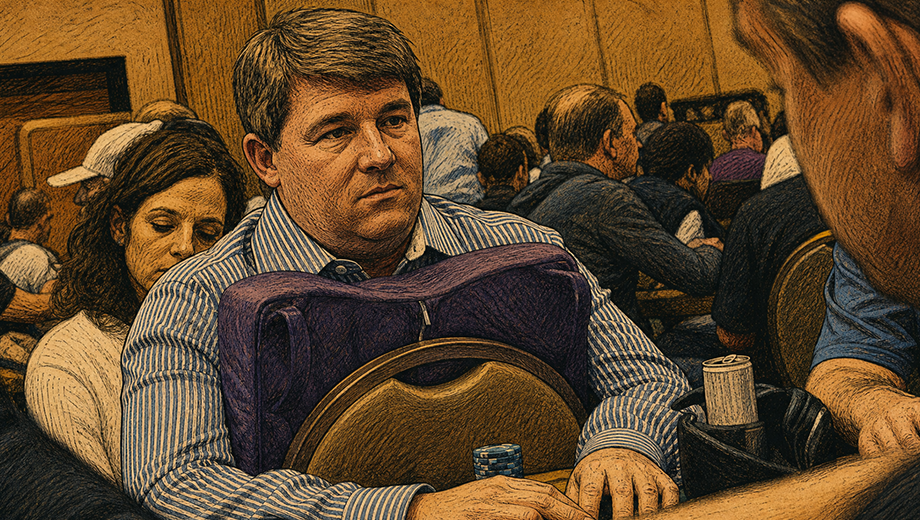
Old Poker vs. New Poker: The Emotional Read
People assume reading opponents was always about physical tells — a twitch, a glance, a shaky hand. In 2003 it was almost entirely different, and the contrast with today says a lot about how the emotional side of the game has shifted.
| Factor | 2003 Main Event | Modern Tournaments |
|---|---|---|
| Who felt threatening | Older veterans — perceived experience and presence | Anyone with a strong online résumé, regardless of age |
| Range reading | Narrow — a 3-bet meant Jacks or better, or Ace-King | Wide and mixed — solvers have blurred the old signals |
| Emotional exposure | High — few players had seen a stage like this | Lower — many players have final-tabled before |
| Recovery after a bad beat | Walk outside, breathe, come back and hope for the best | Same instinct, just with more experience to draw on |
The tools changed. The feeling of getting your stack in and watching the board doesn’t change at all.
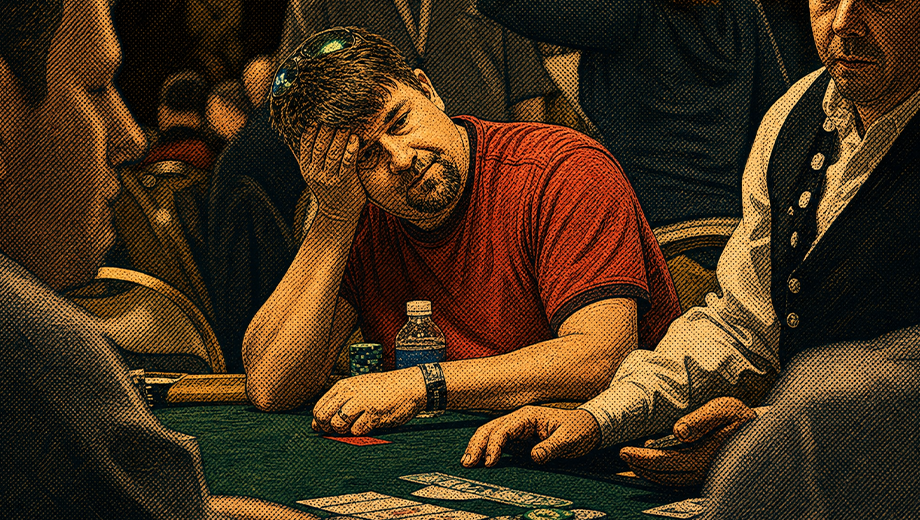
Why I Still Think About It This Way
I don’t lean on this story as some kind of life lesson dressed up in cards. It’s just what happened to me over a handful of days in 2003 — scared, then fine, then scared again, in a room that felt smaller than it should have. The Ivey hand gets remembered as a poker highlight. For me it’s also just the moment right after I’d been outside catching my breath, wondering if I still belonged there.
If you want to see the actual event schedule and when the Main Event runs each summer, the WSOP Schedule is posted well ahead of time. It’s worth planning around if you’re chasing your own version of this.
People ask if I get nervous now. Not really — not the way I did that year. But every so often, usually late in a tournament, I’ll feel that same ten-minutes-outside-the-room feeling creep back in. It passes. It always has.
Frequently Asked Questions
Did Chris Moneymaker almost bust out of the 2003 WSOP Main Event?
He got a lot of chips in with Ace-something on a ten-high board against Kings and lost the hand, leaving him mentally shaken. The very next hand, he was dealt Aces and nearly doubled back up immediately.
Did Chris Moneymaker know who Phil Ivey was during their famous hand?
No. He only knew three players by name going into the tournament: Phil Hellmuth, Doyle Brunson, and Johnny Chan. He didn’t recognize Phil Ivey and wasn’t intimidated by him during the hand.
Which players intimidated Chris Moneymaker most at the 2003 final table?
The older, veteran players were the ones who felt threatening to him — the ones who seemed like they could read straight through him. Younger players with big stacks didn’t register as scary at the time.
How does Chris Moneymaker read opponents at the poker table?
He describes it as simple observation, not a special skill — watching who’s protecting their stack, who’s in survival mode, and who’s genuinely willing to gamble their chips.
Why were preflop ranges easier to read in the 2003 WSOP Main Event?
Ranges were much narrower back then. A preflop 3-bet typically meant Jacks or better, or Ace-King, with little variation from that standard across the field.
Did Chris Moneymaker consider quitting the tournament before the final table?
He decided early on that he was not busting before the final table under any circumstance, and he says he had zero percent chance of walking away from that plan once he made it.