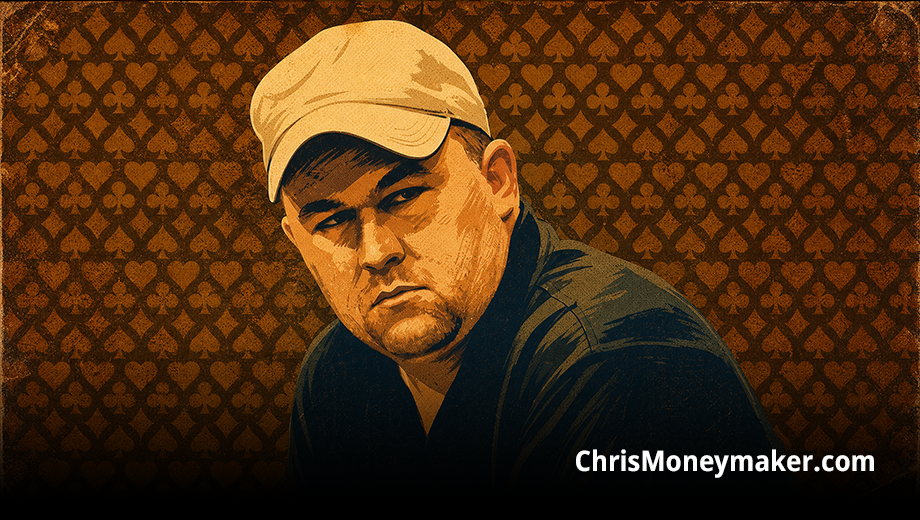

It was 4am at Binion’s Horseshoe. I’d been playing for hours. The room had thinned out but the tension hadn’t. Phil Ivey was sitting across from me with about 500,000 chips. I had 1.5 million. Nobody in the room knew who I was. I barely knew who he was.
That hand — the one that people have talked about ever since — is the craziest thing I’ve ever personally been part of at the World Series of Poker. Not because of the cards. Because of how close it came to going a completely different direction. One card. One call. The whole thing almost never happened.
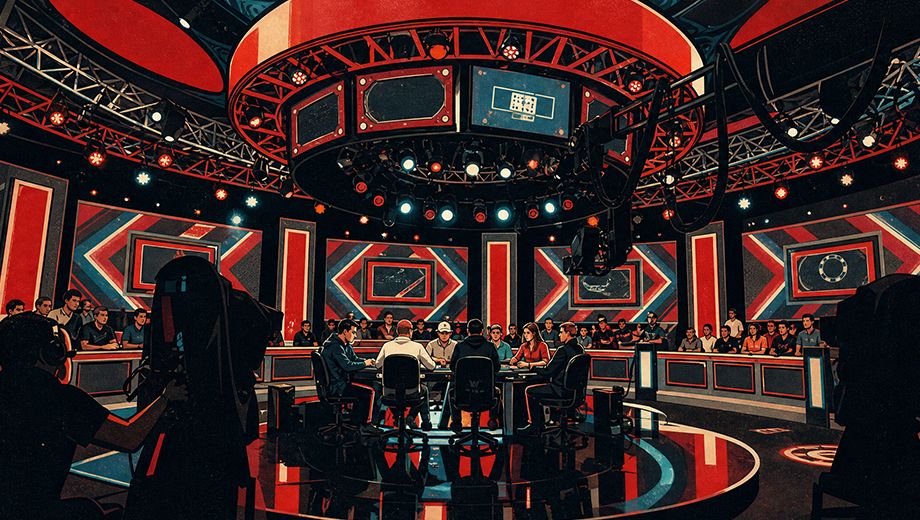
What the WSOP Actually Looks Like From the Inside
People watch the ESPN coverage and think they know what it’s like. They don’t. Not really. The cameras catch the big moments. They don’t catch the hours between them — the folding, the watching, the waiting. Day 1 of the Main Event is essentially administrative. You’re just trying to survive and not do anything stupid.
I’ve been back every year since 2003. The WSOP Schedule gets longer every year, more events, more satellites, more players from everywhere in the world. What doesn’t change is the feeling when you walk in. Something’s at stake and everyone knows it. You just don’t know yet who it’s going to matter for.
At Binion’s in 2003 it was different. The ceilings felt six feet tall. Slot machines had been moved out, poker tables moved in. Players were tracked on a whiteboard with a marker. It looked nothing like what the WSOP eventually became. But the weight in the room was the same.
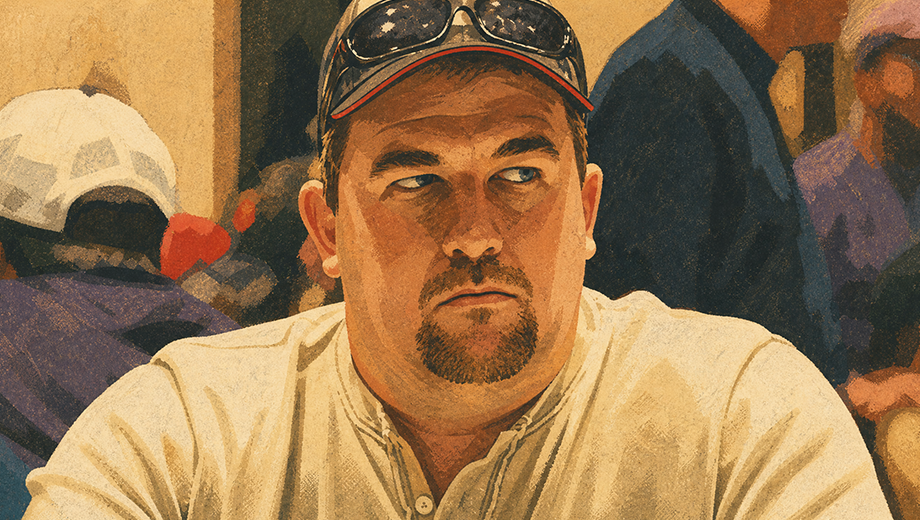
The Hand I Almost Didn’t Play
I had told myself something before the Ivey hand. Very clearly, to myself: I am not busting before the final table. Zero percent chance. I don’t know exactly where that came from but it was locked in. It wasn’t confidence in my poker — it was something else. Stubbornness, maybe. Or the fact that getting there had already required so many things to go right that I wasn’t going to let it end at 4am in a pot I could avoid.
Then the hand happened and avoiding it wasn’t an option.
I held Ace-Queen. Ivey held pocket nines. The flop came Queen-Queen-Six. I flopped trips. About as good as it gets. The turn was a nine. Ivey made a full house. The chips went in. I was behind, badly, and I called.
The river was good to me. Ivey was eliminated. I won a pot I had no business winning on the math.
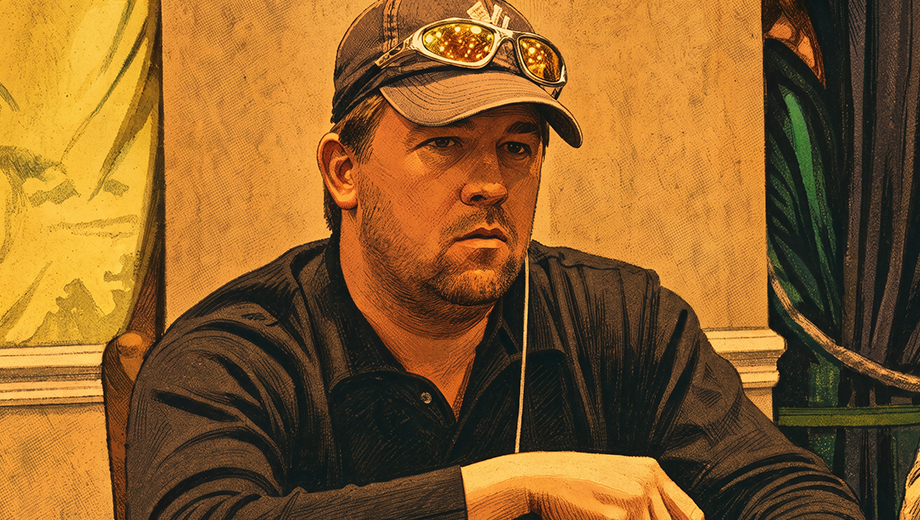
What I Didn’t Know at the Time
I only knew three players going into that tournament by name: Phil Hellmuth, Doyle Brunson, and Johnny Chan. Hellmuth because of his bracelet count. Brunson and Chan because of Rounders. That was it. When Phil Ivey sat down across from me I saw a young guy with a big stack. He didn’t scare me because I had no frame of reference for who he was.
As I said in an interview years later: “I only knew three players: Phil Hellmuth, Doyle Brunson, and Johnny Chan. When I saw Phil Ivey, I saw a young Black kid with chips. He didn’t scare me.”
Dan Goldman from PokerStars had given me a daily sheet — players to watch, who’s dangerous, pay attention to this person. Ivey was on it. I didn’t process that in the moment. By the time I understood who I’d just eliminated, the hand was already over.
He didn’t shake my hand right away. He was in a zone. We talked later. No hard feelings. But I think about how different the next few days would have gone if that nine on the turn had been the last card.
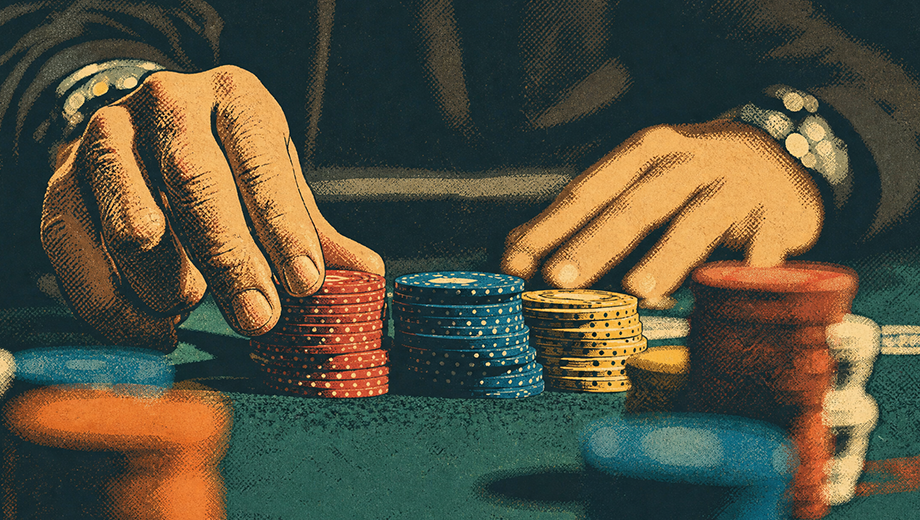
The Part That Actually Makes It Crazy
It’s not the bad beat. Bad beats happen every day at the WSOP. The crazy part is the sequence of events that put me in that hand at all.
I entered the tournament by accident. I thought I was clicking into a cash sit-and-go — eight of nine spots were filled and those go fast. Somewhere in the process I discovered I’d entered a satellite to a satellite to the Main Event. I was annoyed. If the seats had been transferable that year, I would have sold mine. I was trying to finish fourth in the qualifier to take the $8,000 cash prize instead. My friend called while I was arranging exactly that and told me to stop.
So I played. Survived Day 1 with 60,000 chips from a 10,000 starting stack. Made it to the hand against Ivey. Won a pot at 17% equity. Made the final table. Won the whole thing.
“It had to be miracle after miracle after miracle for me to even get into the Main Event, not to mention all the run good I had once I entered.”
That’s the honest version. The Ivey hand is the craziest moment I’ve personally been part of at the WSOP — not because it was dramatic, but because I knew even then that the whole story could have ended right there. And it didn’t.
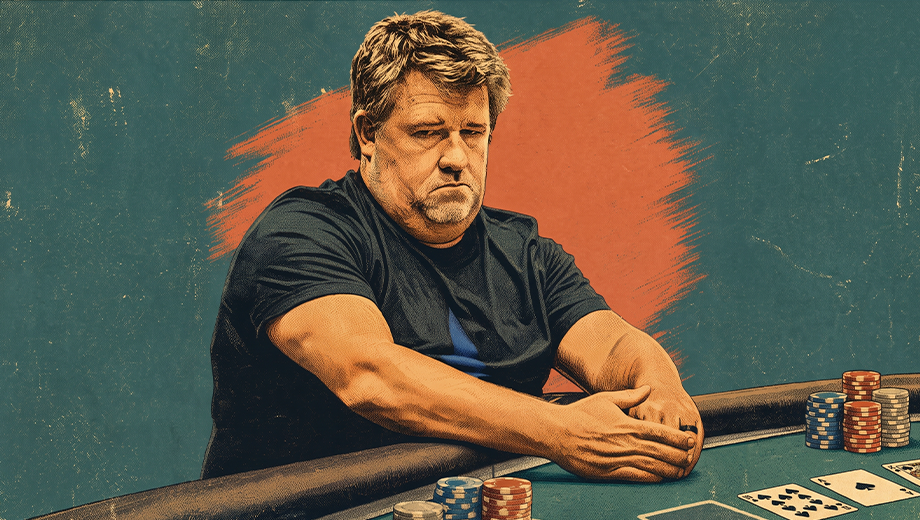
What Stays With You
I’ve been at the WSOP every year since. I’ve seen plenty of memorable moments — hands that swung tournaments, players busting in spots that seemed impossible, fields that went from 839 people to over 10,000 in the span of a few years. Most of it I don’t think about much. The day-to-day of the Main Event is routine after enough years.
The Ivey hand I still think about. Not because I played it perfectly — I didn’t have enough information to play it any particular way. I just called. What I think about is the turn card. One card. That’s the margin the whole thing lived on.
You play enough poker and you understand that’s usually how it works. The memorable moments aren’t the ones where everything went according to plan. They’re the ones where it almost didn’t.
Frequently Asked Questions
What happened in the Phil Ivey hand at the 2003 WSOP?
Chris Moneymaker held Ace-Queen and flopped trip queens. Phil Ivey held pocket nines and hit a full house on the turn. The chips went in with Moneymaker at roughly 17% equity. He won on the river, eliminating Ivey and staying alive in the tournament.
Did Chris Moneymaker know who Phil Ivey was in 2003?
No. Moneymaker has said he only knew three player names going into the 2003 Main Event: Phil Hellmuth, Doyle Brunson, and Johnny Chan. He didn’t recognize Ivey at the table. He learned after the hand — and the tournament — that Ivey was widely considered the best player in the world at the time.
How did Chris Moneymaker qualify for the 2003 WSOP Main Event?
He entered an $86 satellite on PokerStars by accident — he thought it was a cash sit-and-go. That satellite led to a $615 qualifier with 69 players, which gave away three Main Event seats. He won a seat and played the $10,000 Main Event with roughly $200 in his online account at the time.
How many players were in the 2003 WSOP Main Event?
There were 839 players in the 2003 Main Event. The total prize pool was $7,987,860. First place paid $2,500,000. Only 45 places were paid in total, meaning the vast majority of the field left with nothing.
What was Binion’s Horseshoe like during the 2003 WSOP?
Moneymaker has described Binion’s as cramped and nothing like what the WSOP became. Slot machines had been removed to make room for poker tables. Players were tracked on a whiteboard with a marker. The ceilings felt low. It looked nothing like a modern tournament venue.
Has Chris Moneymaker played the WSOP Main Event every year since 2003?
Yes. Moneymaker has played the WSOP Main Event every year since his 2003 win. It’s the one tournament he has returned to consistently throughout his career, regardless of his broader schedule in any given year.