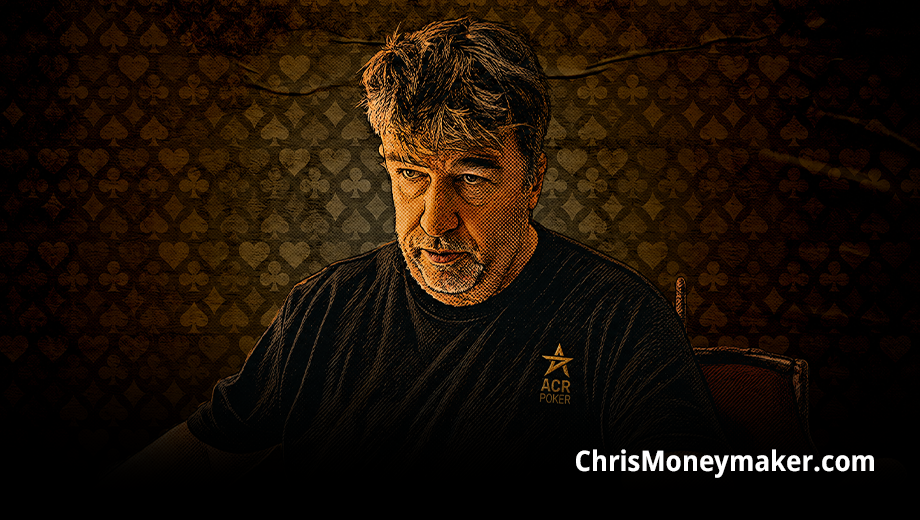

Twelve hours into a WSOP tournament day, your brain doesn’t feel like a poker brain anymore. It feels like a tired brain that happens to be holding cards. That’s the actual challenge of a long tournament day — not the hands, not the math, just staying a functioning human being for that long while people try to take your chips.
I’ve never been the guy who studies ranges for six hours before a session. My edge, if I have one, has always been staying level when the day gets long and everyone else starts fraying at the edges.
The Short Memory Rule
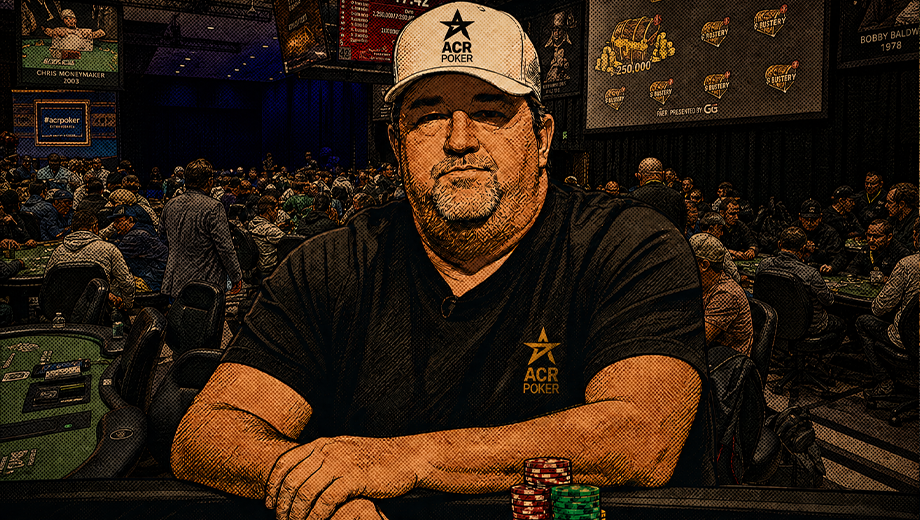
“Poker is about controlling your emotions and how those emotions affect your decisions.” That’s the whole philosophy, really. You take a bad beat, you get up, you walk it off, you come back with a short memory. I don’t have a more complicated system than that. It works because the alternative — carrying the last hand into the next one — is how good players turn into bad decisions.
Hellmuth is the example everyone uses, including me. He’s one of the best players alive, but once he hits that tilt button, he goes spew crazy. I’ve watched it happen at tables I was sitting at. It’s not a talent problem. It’s an emotional one, and emotional problems compound over a 12-hour day in ways technical mistakes don’t.
What I Actually Do Between Hands
Downtime Isn’t Wasted Time
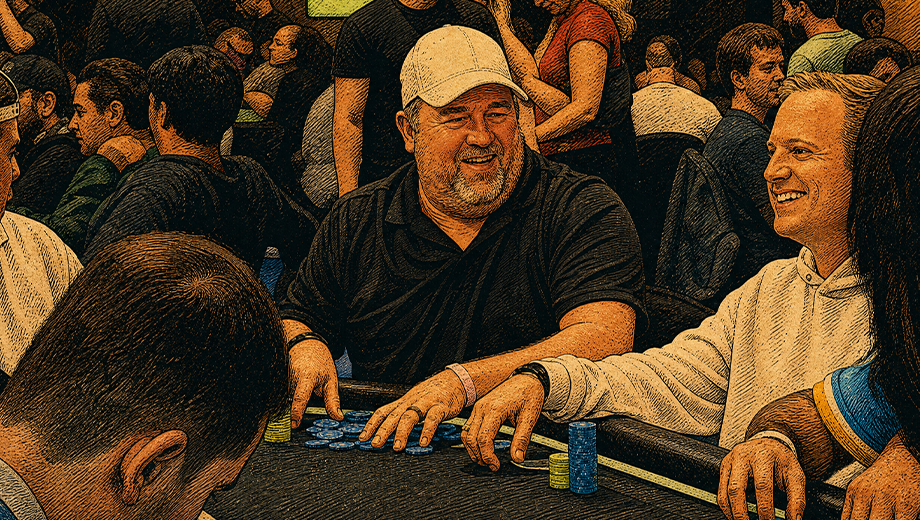
I use the dead time between hands to rest, not to study the table constantly. Sometimes that means my iPad, sometimes it means closing my eyes for a minute. I call it meditating at the table. We all know what it actually is. But the point stands — you can’t be locked in for 12 straight hours. Nobody can. You ration your attention like you’d ration anything else that runs out.
Day 1 Doesn’t Deserve Your Best Energy
Day 1 bores me. It’s mostly patient, cautious poker from a field that’s still feeling out the table. I don’t try to force anything early. I save the sharper focus for Day 2 and beyond, when there’s more information and more reason to be paying close attention. Spending your best mental energy on the boring stretch is how you’re running on empty by the time it actually matters.
Reading the Room Instead of Fighting It
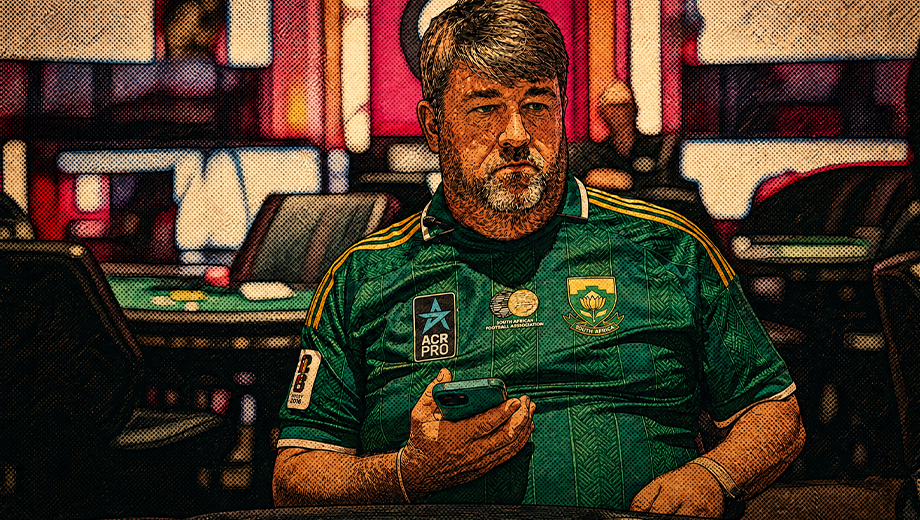
Part of surviving a long day mentally is not treating every hand like a battle. It’s not rocket science. It’s simple observation — who’s protecting their stack, who’s tired, who’s starting to make impatient decisions because they’ve been sitting there as long as you have. Everyone at the table is fighting the same clock. Reading who’s losing that fight is as useful as reading their cards.
An 18-year-old today can have more hands of experience than most players had in their entire careers a generation ago, and that changes what kind of poker you’re up against. It doesn’t change what wears a person down over 12 hours. Fatigue is still fatigue, whatever your study habits look like.
The Family Rule
I made a deliberate trade for about ten years — no study time, in exchange for actually being present with my family. That decision meant showing up to long tournament days occasionally less sharp technically. What it also meant was showing up without the resentment or burnout that comes from treating the game like a second job you didn’t ask for. That trade-off is part of why long days haven’t broken me the way they’ve broken other players who never took the time off.
What This Looks Like in Practice
Set the Deal Beforehand
Before a big day, I tell myself what I’m not willing to do — bust on tilt, force a spot out of boredom, play a hand just because I’ve been sitting too long. Setting that deal before the day starts makes the decisions in hour ten a lot easier, because you already made them in hour one.
Don’t Perform Fine
If you’re tired, you’re tired. Pretending otherwise at the table burns energy you don’t have to spare. The goal isn’t to look composed. It’s to actually be composed enough to fold the marginal hand at 2am instead of the one you’d fold at noon.
None of this is complicated. It’s patience dressed up as strategy, and most days it’s enough to outlast people who never bothered to think about the twelfth hour until they were already in it.
Frequently Asked Questions
How does Chris Moneymaker handle bad beats during long tournament days?
He follows a short memory rule: take the bad beat, step away, calm down, and come back to the next hand without carrying the previous one into it.
What does Chris Moneymaker do during downtime at the poker table?
He rests his mind between hands, sometimes using his iPad or closing his eyes briefly, describing it as meditating at the table.
Why doesn’t Chris Moneymaker put full energy into Day 1 of a tournament?
He finds Day 1 slow and cautious, so he conserves sharper focus for Day 2 and beyond, when more information and higher stakes make attention more valuable.
Why does Chris Moneymaker bring up Phil Hellmuth when discussing tilt?
He uses Hellmuth as an example of a highly skilled player whose emotional reactions at the table can lead to poor decisions once tilt sets in.
Did Chris Moneymaker study poker while raising his family?
No. From 2005 to 2015, Moneymaker didn’t study a single hand of poker, choosing to prioritize time with his family over improving his technical game.