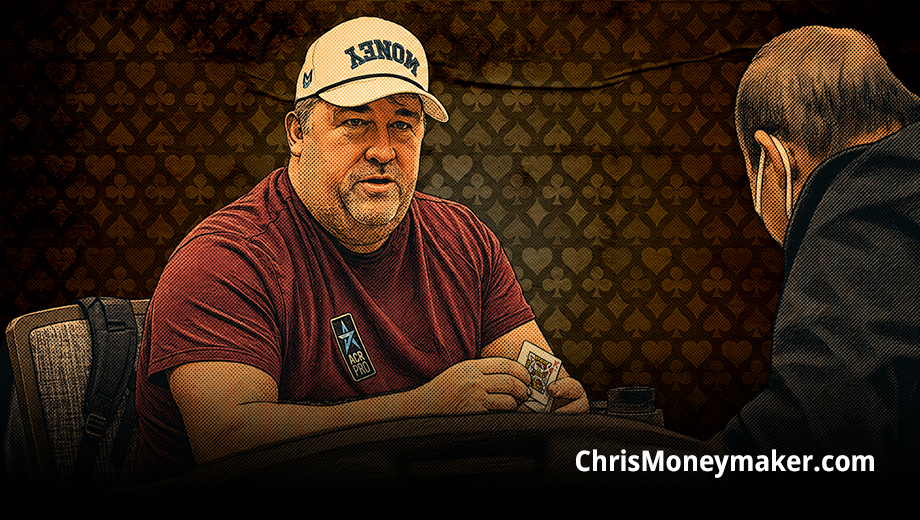

Queens are the hand that makes everyone at the table a little nervous, including me. Not because it’s weak — it’s the third best starting hand in the game. It’s nervous because there’s always an Ace or a King out there that hasn’t shown up yet, and somebody’s going to have one eventually. I’ve watched people talk themselves into trouble with Queens more than almost any other hand.
Here’s how I actually think about it when I’ve got Queens in a real spot, with real chips on the line, at a table like the one I sat at in 2003.
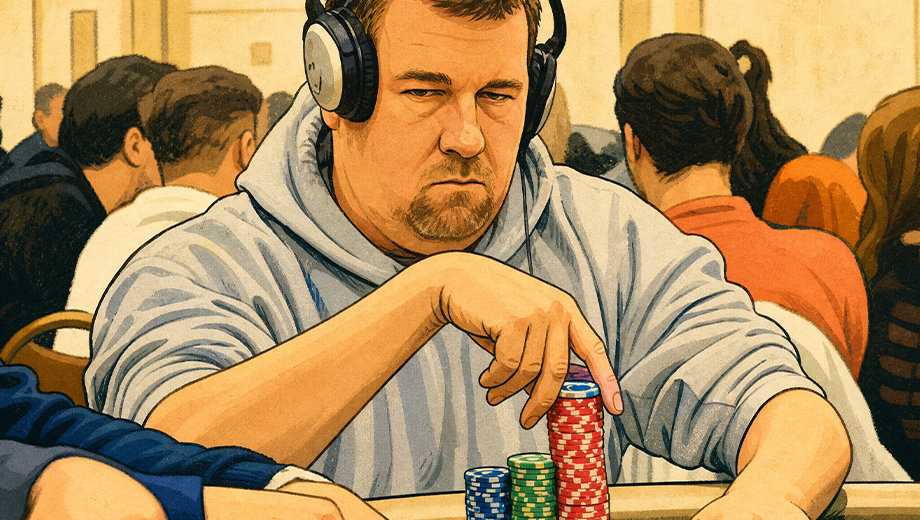
Preflop: Respecting the Hand Without Fearing It
Queens raise. That part isn’t complicated. The complication starts when someone comes back over the top. In 2003, ranges were narrow enough that a 3-bet meant Jacks or better, or Ace-King — nothing else. That made the decision almost mechanical: you were flipping or slightly behind, and you knew it. Modern ranges are wider and messier, which actually makes Queens trickier to play now than it was back then, not easier.
Against one big raise, I’m getting my money in. Against a 3-bet from someone who’s been disciplined all day, I’m thinking hard, not folding on autopilot. The hand is strong enough to play for stacks. It’s not strong enough to assume you’re never behind.
Reading the Player, Not Just the Cards
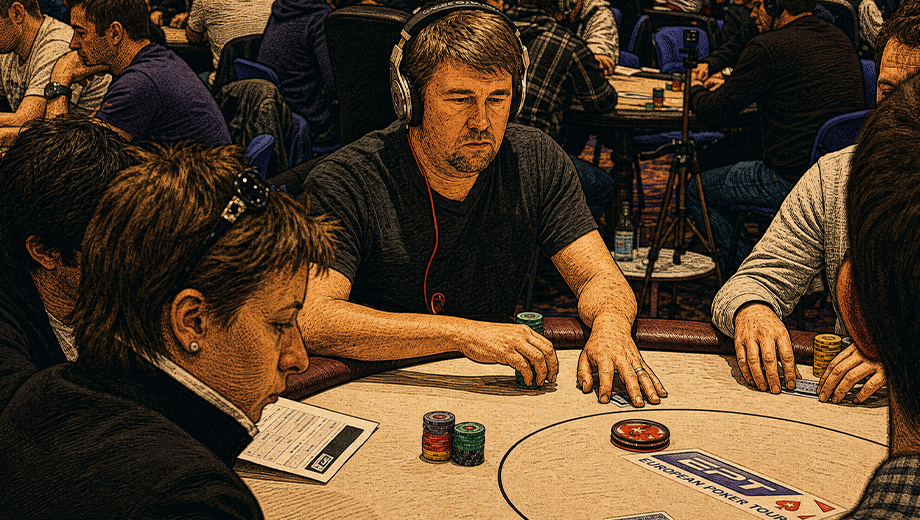
This is where Queens actually get decided — not on the math, on the person across the table. It’s not rocket science. It’s simple observation. Has this player been raising with anything, or have they been tight all day? Are they protecting their stack, or are they actually willing to gamble? I fold a hand and I still watch what happens next, trying to guess what people had. Over a few hours that adds up to real information.
Against a table that’s been aggressive and loose, Queens go up in value — you’re less likely to be facing Aces or Kings specifically. Against a table full of players clearly waiting for premium hands, Queens go down in value fast. Same two cards. Completely different decision, depending on who’s sitting across from you.
The Flop Changes Everything
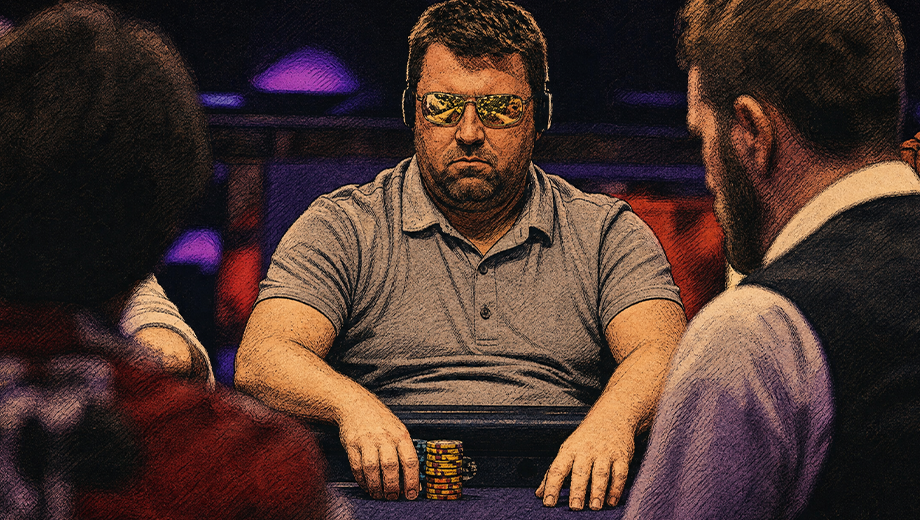
I flopped trip Queens once against Phil Ivey — Queen-Queen-six — and it turned into one of the biggest hands of my life. That flop is the dream. Most flops with Queens aren’t that clean. An Ace or a King on the board turns Queens into a hand you’re now playing defense with, and that’s where a lot of players get stubborn about a hand they were excited about three seconds earlier.
My rule with Queens after a scary flop: the hand doesn’t owe you anything just because it looked good preflop. If an Ace or King hits and the action gets heavy, I’m done pretending it’s still the best hand unless something specific tells me otherwise.
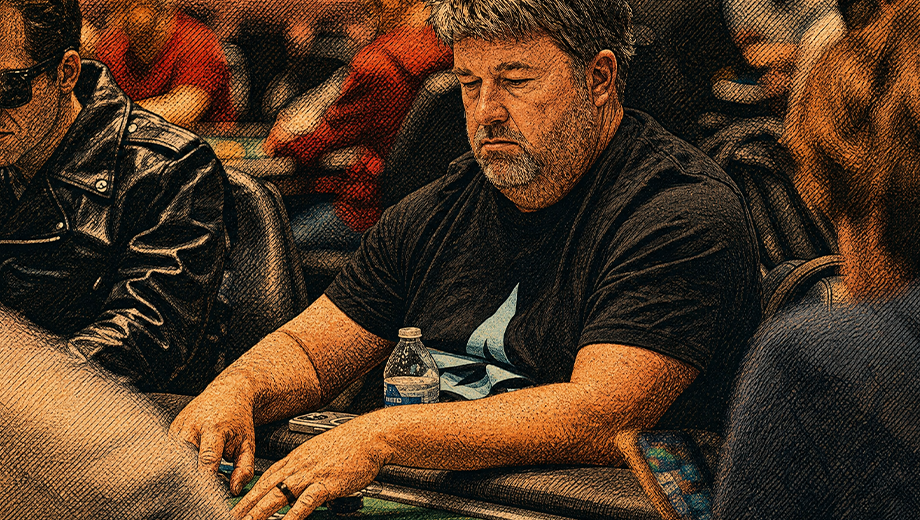
Two Different Gears, Same Two Cards
Against the Tough Players
Against players I respect, I play it straight — no cute plays, no deviation for the sake of deviation. Just solid, disciplined decisions with a strong-but-vulnerable hand.
Against the Field
Against recreational players who are willing to give away chips, I lean the other way completely — more aggression, more willingness to get it in with Queens and let variance sort it out. There are enough people at a big field event handing out chips that avoiding confrontations with the sharks and hunting the softer spots is usually the better use of a strong hand like this.

Queens vs. Other Premium Hands: What Actually Changes
People lump all the big pairs together, but Queens play differently than Aces or Kings in a few real ways.
| Factor | Pocket Queens | Pocket Aces / Kings |
|---|---|---|
| Overcards on the flop | Two ranks (A, K) can beat you | Zero or one rank can beat you |
| Preflop confidence | Strong, but requires a real decision vs. a 3-bet | Almost always getting it in regardless |
| Postflop flexibility needed | High — must be ready to slow down | Lower — usually still the best hand |
| Biggest mistake players make | Refusing to slow down after an Ace or King flops | Rarely a mistake to keep betting |
Queens ask more of you than Aces or Kings do. That’s the honest difference.
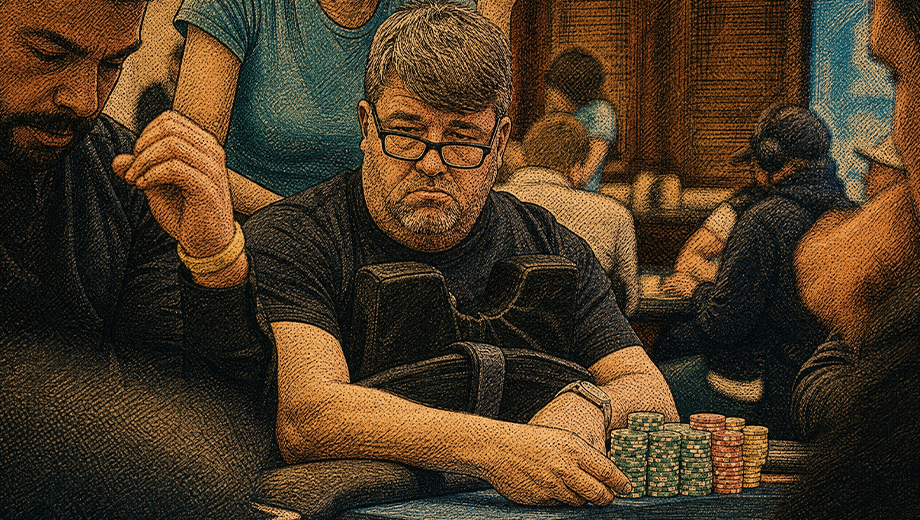
What I’d Tell Someone Sitting Down With Queens Today
Play it like the strong hand it is. Respect the two cards that can turn it into trouble. And pay more attention to the person across the table than to any chart in your head — the chart doesn’t know if the guy raising you has been bluffing all day or waiting three hours for a hand. You do, if you’ve been watching.
If you’re building your own game plan for the Main Event, it’s worth studying the structure ahead of time — the WSOP Schedule lays out exactly how much time you’ll have to make these decisions each level.
Queens will make you a lot of money over a career. They’ll also cost you some. The players who come out ahead with this hand are the ones who never fall in love with it.
Frequently Asked Questions
How does Chris Moneymaker approach playing pocket Queens preflop?
He raises with Queens without hesitation, but treats a 3-bet as a real decision point rather than an automatic call, since Aces, Kings, or Ace-King can already have him beat.
What happened when Chris Moneymaker flopped Queens against Phil Ivey in 2003?
Moneymaker held Ace-Queen and flopped trip Queens on a Queen-Queen-six board against Phil Ivey. Ivey turned a full house with pocket nines, and Moneymaker won the hand.
Why were poker ranges narrower during the 2003 WSOP Main Event?
A preflop 3-bet in 2003 typically meant Jacks or better, or Ace-King, with almost no variation. That narrow range made big pair decisions more straightforward than they are with today’s wider ranges.
Does Chris Moneymaker play differently against strong players versus weaker players?
Yes. Against tough, respected players, he plays straightforward and disciplined. Against recreational players who are willing to give away chips, he leans into more aggression and confrontation.
What’s the biggest mistake players make with pocket Queens?
Refusing to slow down after an Ace or King appears on the flop. Getting attached to Queens after an overcard hits is one of the most common ways players lose big pots with the hand.