
Picture a table where nobody has more than fifteen big blinds. Every hand feels like it matters because it does — a bad beat doesn’t just cost you chips, it can end your tournament outright. I’ve sat at plenty of these tables over the years, at every level from small live events to the biggest stages in the game. The pressure changes the whole texture of the game, and it changes how I play almost every hand.
People assume short-stack poker is simple: shove or fold, nothing in between. There’s some truth to that. But there’s more to actually navigating a table where everyone’s under that same pressure at the same time.
How the Table Actually Changes
When stacks get short, the blinds stop being a background cost and start being the whole story. Everyone at the table is doing the same math I am — how many more orbits can I survive, and which hands are worth risking my tournament life on. That shared pressure changes behavior in predictable ways. Players get more willing to gamble because they have less to protect. Some tighten up instead, hoping to ladder up the payouts. Neither approach is wrong. You just have to figure out fast which one you’re sitting across from.
The math side of short-stack play isn’t complicated — it’s mostly about knowing your number of big blinds and playing accordingly. The harder part is the people side: figuring out who’s playing scared and who’s playing desperate, because those two players need to be handled completely differently.
What I’m Actually Looking For
Picking My Spots
With a short stack myself, I’m not looking for the best hand. I’m looking for the best moment — the spot where my fold equity is highest and my risk is lowest. That usually means acting before the players who still have room to make a real decision, not after them. Waiting for the “perfect” hand at fifteen big blinds is how you blind out before you ever get a real shot.
Reading Who’s Actually Scared
The nervous short stack folds too much. The desperate short stack shoves too much. Both are readable if you’re paying attention to how they’ve played the last several hands, not just the current one. It’s not rocket science. It’s simple observation — watching how a guy reacts under pressure over time and betting on the pattern instead of guessing fresh every hand.
Why This Is a Mindset Problem More Than a Math Problem
Anybody can memorize a push-fold chart. What’s harder is staying calm enough to actually use it when your tournament life is on the line hand after hand. Poker is about controlling your emotions and how those emotions affect your decisions — and nowhere does that matter more than at a table where everyone’s stack is thin and every decision feels enormous.
I’ve watched good players make bad decisions purely because they let the pressure of a short stack rush them into playing hands they’d never touch with room to breathe. The players who survive these stretches aren’t necessarily the best card players at the table. They’re the ones who stay patient inside a situation that’s designed to make everyone impatient.
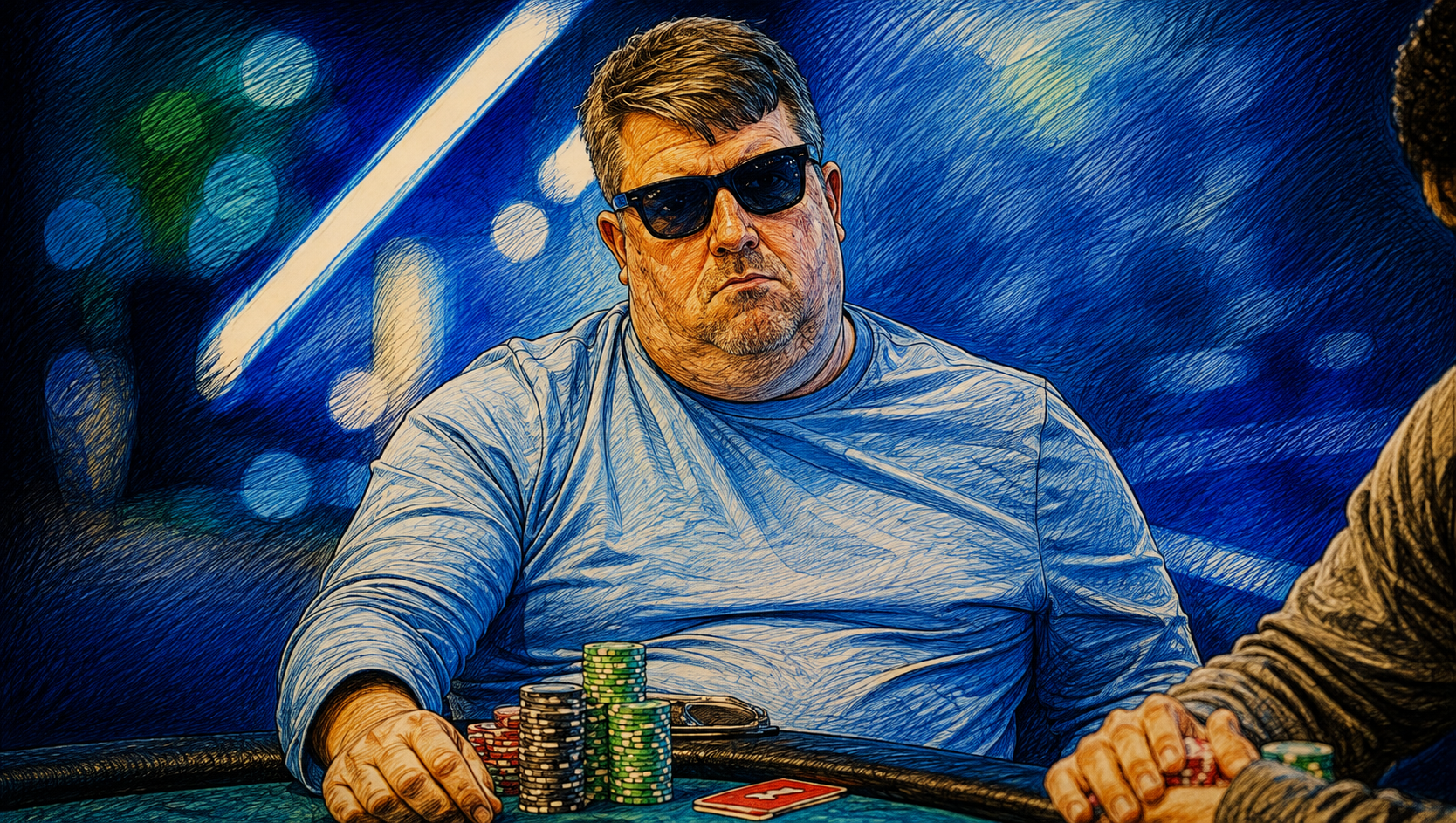
How I’d Actually Play It
First thing: know my own number. Big blinds remaining tells me what hands are even worth considering. Below that, I stop worrying about hand strength in isolation and start thinking purely in terms of fold equity and survival.
Against the Scared Stacks
I widen up. A player who’s folding out of fear is a player I can pressure with a much wider range than I’d normally use, because their whole strategy is built around avoiding confrontation.
Against the Desperate Stacks
I tighten up. A player who’s shoving out of desperation doesn’t care about my range — they’re just trying to double up before the blinds eat them alive. Against that player, I want a real hand, not a bluff.
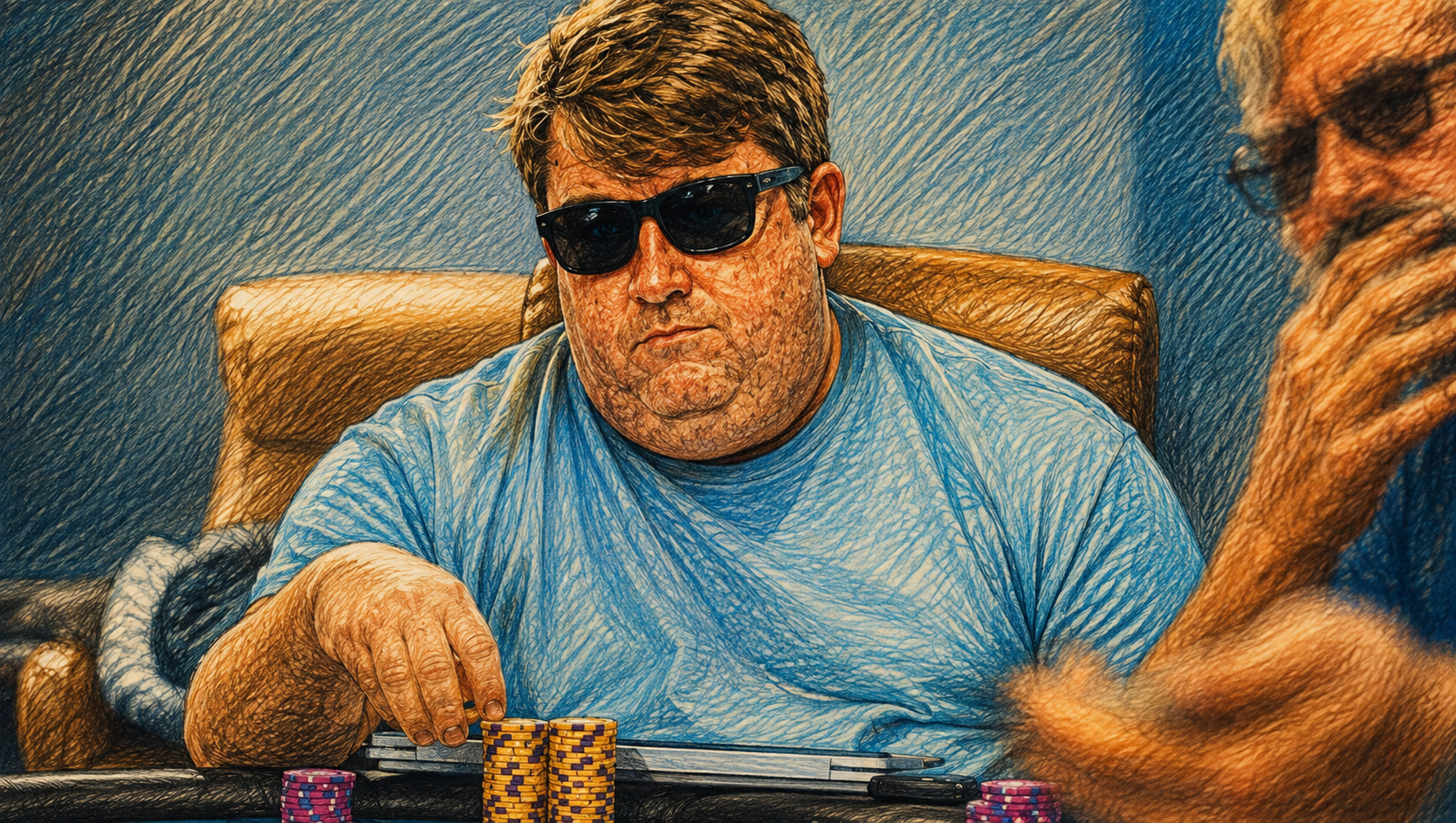
Short-Stacked vs. Deep-Stacked: What Actually Changes
People treat these like the same game with different numbers attached. They’re not. The decisions, the pressure, and even the way you read your opponents shift once stacks get shallow enough that survival matters more than accumulation.
| Factor | Short-Stacked Play | Deep-Stacked Play |
|---|---|---|
| Primary goal | Survival and fold equity | Accumulation and postflop maneuvering |
| Decision style | Binary — shove or fold, mostly | Multiple streets, multiple bet sizes |
| Blinds’ impact | Dominate every decision | Background cost, barely felt |
| Reading opponents | Watching who’s scared vs. desperate | Watching betting patterns across streets |
| Margin for error | Almost none — one bad spot ends it | Room to recover from a mistake |
Deep-stacked poker rewards patience over a long session. Short-stacked poker rewards patience inside about thirty seconds. Same virtue, completely different clock.
None of this changes who I am at the table. I’m still watching, still waiting for the moment that actually favors me instead of forcing the issue out of impatience. Short stacks just shrink the window I have to work with. They don’t change the job.
Frequently Asked Questions
How does Chris Moneymaker approach a table full of short stacks?
He focuses on fold equity and survival rather than hand strength alone, and spends most of his attention reading whether opponents are playing scared or desperate, since each type needs to be handled differently.
What is the main difference between short-stacked and deep-stacked poker?
Short-stacked poker is dominated by survival and fold equity, with mostly binary shove-or-fold decisions. Deep-stacked poker allows for multiple streets of postflop play and much more room to recover from mistakes.
How does Chris Moneymaker tell the difference between a scared and a desperate short stack?
He watches how a player has behaved over several hands rather than judging a single decision. A scared stack tends to fold too often, while a desperate stack tends to shove too often looking to double up quickly.
Why does Chris Moneymaker say short-stack poker is a mindset problem?
Because the math of push-fold decisions is straightforward, but staying calm enough to apply it consistently under pressure is much harder. He believes controlling emotions matters more than memorizing charts.
Does Chris Moneymaker play differently against scared versus desperate opponents?
Yes. Against scared stacks, he widens his range since they tend to avoid confrontation. Against desperate stacks, he tightens up and looks for a genuine hand, since they aren’t likely to respect a bluff.