

My phone rings and it’s someone asking me to vote for them for the Poker Hall of Fame. That happens every year. I tell people the same thing every time: I’m gonna vote who I think deserves to get in. Doesn’t matter who called.
That’s the part of the WSOP world people don’t see. Not the bracelets. Not the final tables. The politics running underneath all of it. I’ve been around this game for over two decades now, and the moments that actually get people arguing at the rail aren’t always the hands. Sometimes it’s the rules. Sometimes it’s the money. Sometimes it’s who gets remembered and who doesn’t.
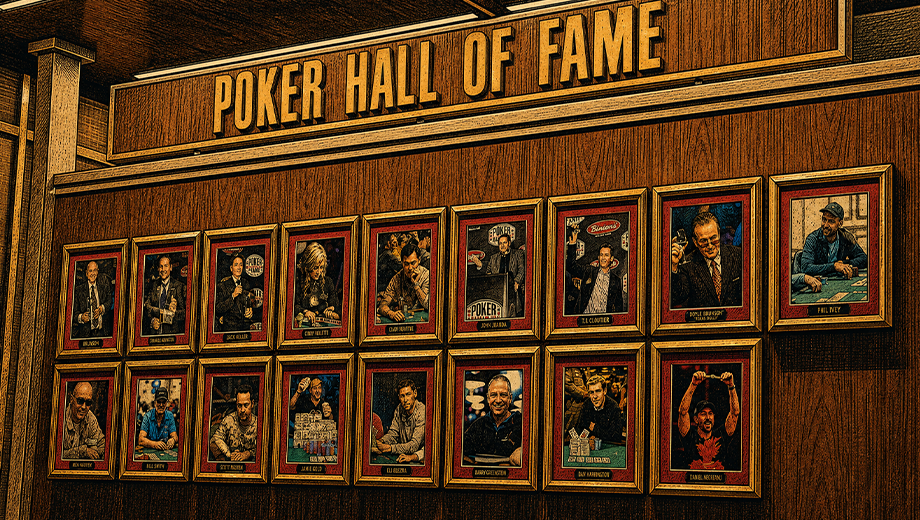
The Hall of Fame Problem
I got inducted into the Poker Hall of Fame in 2019. My honest reaction: I was like, so I get a steak dinner. That’s pretty much the benefit of being in the Hall of Fame. I’m not saying that to be modest. I’m saying it because the process itself has real problems, and I’ve watched them up close.
The biggest one is that induction can turn into a popularity contest tied to whoever’s hot on the tournament circuit that year, instead of who actually shaped the game. It’s also geographically lopsided. Mostly American players get in. European and Asian players who’ve done just as much for poker get overlooked for years. Dave “Devilfish” Ulliott is the example that sticks with people — a player who mattered enormously and didn’t get in until after he’d passed.
I get the phone calls. People lobbying for votes. I don’t hold it against them. But I vote who I think deserves it, not who called last.

The Part Nobody Talks About: Broken Guarantees
Casinos Filling Fields With Empty Seats
Here’s a controversy that doesn’t get the ESPN treatment but should. Series announce a guarantee — say a million dollars — and fall way short of filling the field to cover it. Casinos have given away seats to cash game regulars just to pad the numbers and make the guarantee look believable on paper. Players show up expecting a real field and get a watered-down one instead.
Why I Built the Moneymaker Tour Around This
This is the exact problem the Moneymaker Tour was built to fix. Two rules, no exceptions: always honor the guarantee, no matter what, and keep the structures player-friendly — enough play to feel like a real tournament, short enough to finish on a weekend. I’ve won three of my own tour stops. That’s not the point. The point is players knowing the number on the poster is the number they’re actually playing for.

What the Tax Law Actually Means for 2026
The most disruptive controversy right now isn’t a ruling at a final table. It’s a piece of tax legislation. Starting this year, players can only deduct 90% of their winnings against their losses. Win $4 million, buy in for $4.2 million across the year — a losing year on paper — and you can still owe taxes on income you never actually earned. I’ve been through an audit. It’s terrible. I don’t want to be in a position where I’m paying taxes on money I didn’t make.
My honest read: this is going to be a bigger transition than most players realize. Black Friday reshaped how Americans played online poker overnight. This law is going to reshape how American pros approach live tournaments, just slower — most guys keep playing normal until the tax bill actually lands, and then they adjust. My own plan is to scale back live events significantly this year and lean into online play instead.
Fast Structures vs. Slow Structures: The Real Debate
Ask ten players what “fair” structure means and you’ll get ten answers. This is the one controversy that actually splits the room evenly, and I’ve played both sides of it enough to have a real opinion.
| Factor | Fast Structures (Triton-style) | Deep Structures (WSOP Main Event-style) |
|---|---|---|
| Who it favors | Gives recreational players and businessmen a real shot against pros | Elite players’ skill edge compounds over more hands |
| Level length | Short — keeps stacks moving fast | Two-hour levels, deep play possible |
| Variance | Higher — anyone can run good for a day | Lower over the long run, more decisions matter |
| Entry appeal | High — amateurs know they have a chance | Lower for casual players against seasoned grinders |
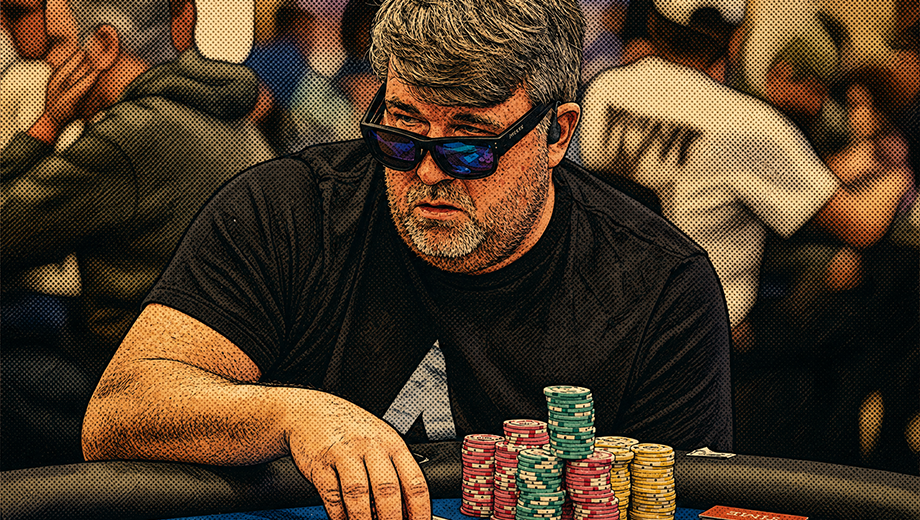
If Triton ran two-hour levels like the WSOP Main Event, the elite players would just destroy the recreational field. Fast structures keep VIPs and businessmen competitive, and that’s not an accident — it’s what keeps entries high. Case in point: me. I’ve had Triton runs where fast structures were the only reason an amateur-turned-pro like myself could hang with the best players alive.

What I Actually Think About All of It
None of these controversies get resolved by yelling on Twitter. The Hall of Fame will keep having politics because any human vote does. Guarantees will keep getting tested because money incentives don’t disappear. The tax law is going to hit people who aren’t paying attention yet, and structures will keep splitting rooms because there’s no version of “fair” that works for everyone at once.
What I can control is what I do about it — honor the guarantee, vote who deserves it, plan around the tax law instead of getting blindsided by it. If you want to see what player-friendly structure and honored guarantees actually look like in practice, the Moneymaker Tour schedule is out there and it’s not going anywhere.
Frequently Asked Questions
Why is the Poker Hall of Fame voting process controversial?
Critics, including Chris Moneymaker himself, point out that induction can become a popularity contest tied to current tournament circuit success rather than historical impact. The process has also been criticized as geographically biased, favoring American players over European and Asian players who have contributed just as much to the game.
When was Chris Moneymaker inducted into the Poker Hall of Fame?
Chris Moneymaker was inducted into the Poker Hall of Fame in 2019, sixteen years after his historic 2003 WSOP Main Event win.
What is the new US poker tax law taking effect in 2026?
Starting January 2026, players can only deduct 90% of their winnings against their losses for tax purposes. This means a player could have a net losing year overall and still owe taxes on income they never actually earned, which is expected to significantly change how American pros approach their live tournament schedules.
Why do some poker tournaments use fast structures instead of deep ones?
Fast structures, like those used in Triton Poker events, are designed to give recreational players and businessmen a real chance against professionals. Shorter levels reduce the amount of pure skill-based play needed, which keeps amateur players competitive and tournament entries high.
What is the Moneymaker Tour and why was it created?
The Moneymaker Tour is a series of low buy-in live tournaments founded by Chris Moneymaker. It was created in response to series that canceled or fell short of their announced guarantees, and it follows two core principles: always honor the guarantee and keep structures player-friendly.
Has Chris Moneymaker won any Triton Poker events?
Yes. Chris Moneymaker has played six Triton Poker Series events, recording one win, three final tables, and four cashes overall.