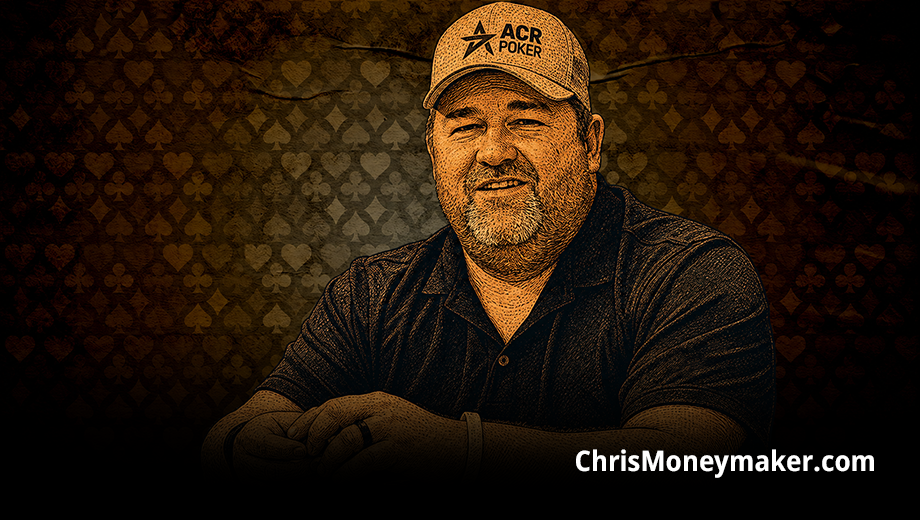

I sat down in January with a calculator and my WSOP calendar from last year, and for the first time in twenty-plus years, the math actually changed the plan before a single card got dealt. Not the game. The paperwork.
Every year since 2003 I’ve shown up to the WSOP. Some years I play three events, some years fifteen. This year the number is smaller, and it’s got nothing to do with how I’m playing or how I feel about the game. It’s the new tax law that kicked in this January, and it’s the real answer to what’s different this time.
The Rule That Changed the Math
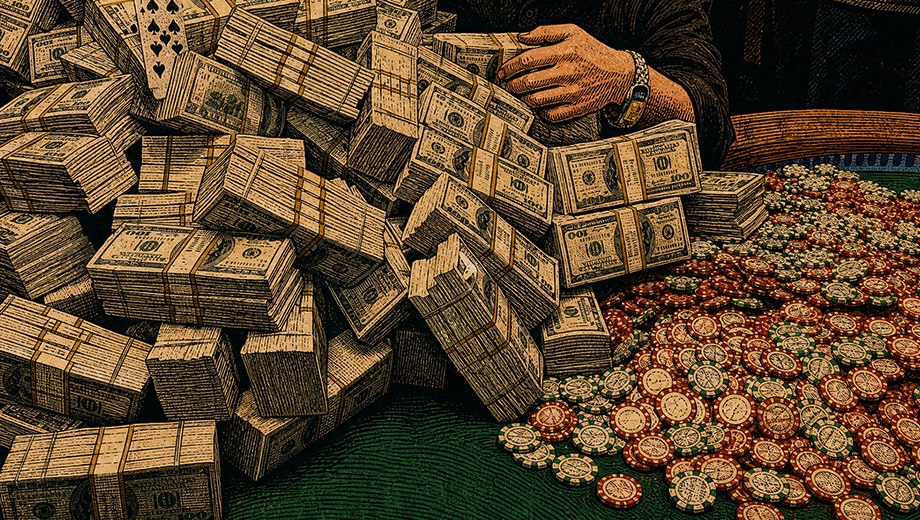
Starting this January, players can only deduct 90% of their winnings against their losses. That sounds like a small percentage until you run the numbers on an actual year. Win $4 million, buy in for $4.2 million across the season — that’s a losing year by any normal measure. Under the new rule, you still owe taxes on roughly $400,000 you never actually earned.
I’ve been through an audit before. It’s terrible. I don’t want to put myself in a position where I’m writing a check to the government for money that isn’t sitting in my account. So this year I’m cutting back. Significantly.
What My Schedule Actually Looks Like Now
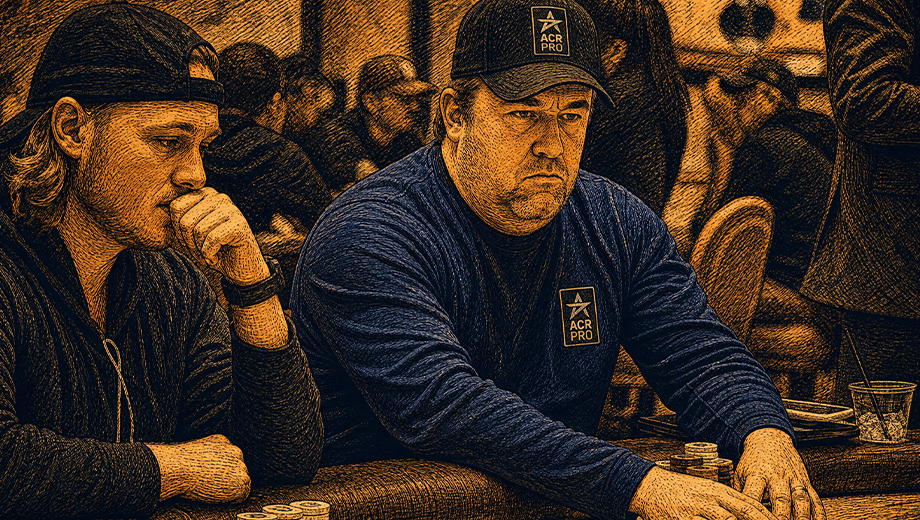
The plan is the WSOP Main Event, plus maybe two or three other events total. That’s it. No Triton Series this year. Probably no Moneymaker Tour stops either, at least not the way we’ve run them before. I’ve built my whole live schedule around fewer buy-ins and more selectivity — playing the tournament that matters most instead of grinding a full circuit.
People hear “cutting back” and think I’m stepping away from poker. I’m not. I’m just moving where I play it. Online, on ACR, is where the volume is going now. Less travel, same amount of poker, different ledger.
Why This Isn’t Like Any Slow Year Before It
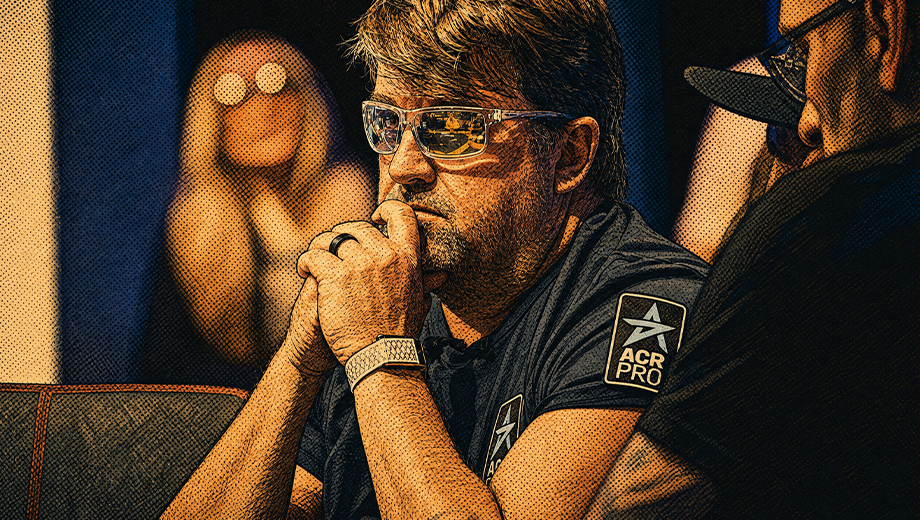
I’ve had light years before — years where family came first and the schedule was thin. This is different. Black Friday was a big transition in our industry. I don’t think people realize how big this transition is going to be, and I include myself in that. Black Friday changed where American players could play. This changes whether it’s worth playing live at all if you’re not certain you’ll finish the year in the black.
My guess is most players won’t feel it right away. They’ll keep playing the same schedule out of habit, then get hit with a real tax bill sometime in early 2027 and stop cold. That’s usually how these things go. Slow, then all at once.

What Backers and Smaller Players Are Facing
The questions I keep coming back to aren’t really about me. How does this affect poker backers, who are staking action across dozens of buy-ins a year? What happens to American participation in something like Triton, where the fields are already tiny and the buy-ins are enormous? Does a grinder playing $500 events on a regional circuit feel this the same way a high roller does?
I don’t have clean answers to any of that yet. Nobody does. The law is too new and most players haven’t filed a full year under it.

2003 vs. 2026: Same Game, Different Math
The contrast is almost funny if you sit with it. In 2003 the barrier to playing the WSOP Main Event was $10,000 and a seat you couldn’t sell if you wanted to back out. In 2026 the barrier for a lot of players isn’t the buy-in at all — it’s whether the tax treatment of a full year makes the buy-in worth it in the first place.
| Factor | Before January 2026 | After January 2026 |
|---|---|---|
| Loss deductions | Losses fully offset winnings | Only 90% of winnings deductible against losses |
| Net-loss tax exposure | A losing year owed no tax | A losing year can still generate a tax bill |
| My live schedule | Full circuit — WSOP, Triton, Moneymaker Tour | WSOP Main Event plus 2–3 events, total |
| Where the volume goes | Mostly live tournaments | Shifting to online play on ACR |
Same buy-ins, same structure, same game I’ve played since Binion’s. The difference this year is entirely on the tax form, not the felt.
What I’m Actually Watching For
I’m not trying to inspire anyone to quit their job and chase this. I’ve said it before — I don’t want to inspire people to be professional poker players. I want people to enjoy the game. Take chances. Change their life. That part hasn’t changed and never will.
What I am watching is whether the WSOP itself adjusts anything about how it structures events in response to this — guarantees, structures, scheduling. Nothing there yet, and I won’t guess at numbers I can’t confirm. For now the only confirmed change is mine: fewer live buy-ins, more time on ACR, and a lot more attention paid to the accountant side of things than I’ve had to pay in years.
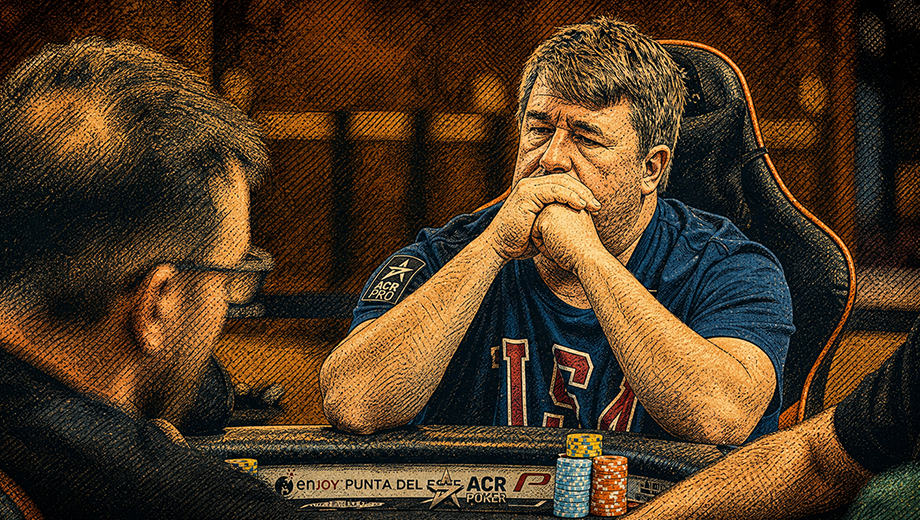
He’ll still be at the Main Event this summer. That much hasn’t moved. Whether the tour stops happen, whether Triton gets a call back — that’s the part still being figured out on a legal pad, same as it was in January.
Frequently Asked Questions
What’s actually different about the WSOP this year?
The tournament itself hasn’t changed. What changed is a new US tax law, effective January 2026, that limits players to deducting only 90% of their winnings against losses. That’s reshaping how American pros, including Chris Moneymaker, plan their live schedules this year.
What does the new tax law actually mean in practice?
If a player wins $4 million but spent $4.2 million on buy-ins across the year, that’s a net-loss year. Under the new rule, they can still owe taxes on roughly $400,000 they didn’t actually earn, because losses no longer fully offset winnings.
Is Chris Moneymaker still playing the WSOP Main Event this year?
Yes. The WSOP Main Event stays on his schedule every year, and this year is no exception. What’s changed is everything around it — he expects to play maybe two or three other events total, a significant cutback from his usual circuit.
Is he still playing Triton events this year?
He says it’s unlikely. Between the tax exposure on high buy-ins and his general pullback from the live circuit this year, Triton events are largely off his 2026 schedule for now.
Where is he playing instead of live tournaments?
Online, on ACR (Americas Cardroom), his current sponsor. He’s shifting volume there instead of a full live circuit, and has talked about starting to stream in 2026 as part of that shift.
How does this compare to Black Friday for the poker industry?
Chris has said directly that he thinks people are underestimating how big this transition will be — comparing it to Black Friday, the 2011 event that reshaped American online poker. His view is that most players won’t feel it until they actually file a full year under the new rule.