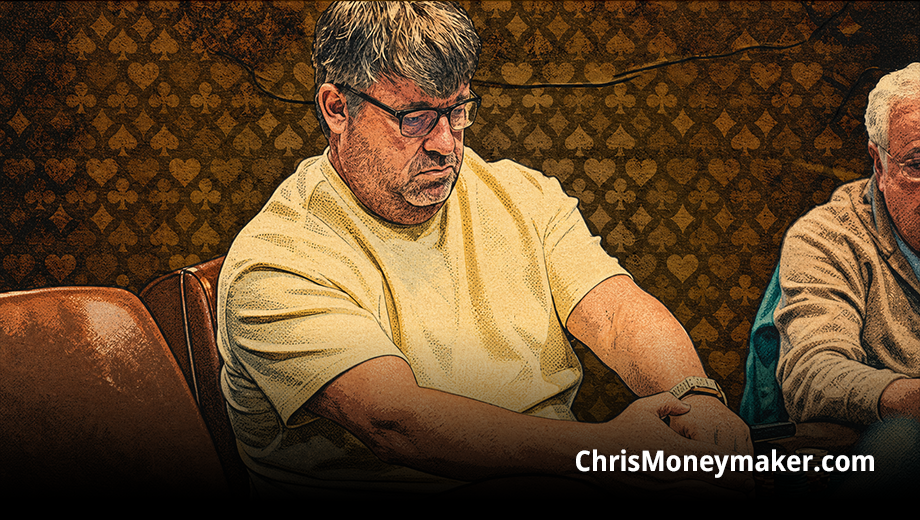

839 players sat down for the 2003 WSOP Main Event. Only 63 of them got paid. Somewhere in that gap is the bubble — the stretch of a tournament where everyone left is one bust away from either cashing or going home with nothing. It’s the worst place to be at a poker table, and it’s also where you learn the most about the people sitting at it.
Day 1 never bothered me. Honestly, Day 1 bores me. It’s Day 2 and beyond — when the bubble gets close — where the tournament actually starts to feel like something.
Why the Bubble Feels Different
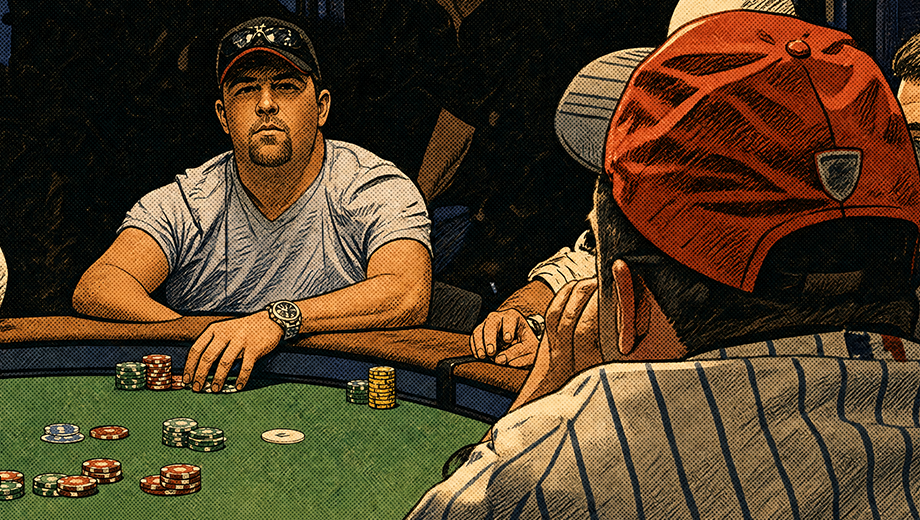
Everyone at the table is doing math they won’t say out loud. Some players still have enough chips that busting doesn’t scare them. Others are sitting on fumes, hoping the tournament clock runs out before their stack does. You can feel the difference in how people bet. The ones with something to protect play smaller. The ones with nothing left to lose start doing strange things.
I never got nervous at a poker table. I wrestled, I boxed, I played football — that’s where you get nervous. This is cards. But the bubble has a different texture than the rest of a tournament. It’s the one stretch where fear is sitting at every seat, and reading who has it and who doesn’t becomes the whole game.
What I’m Actually Watching For
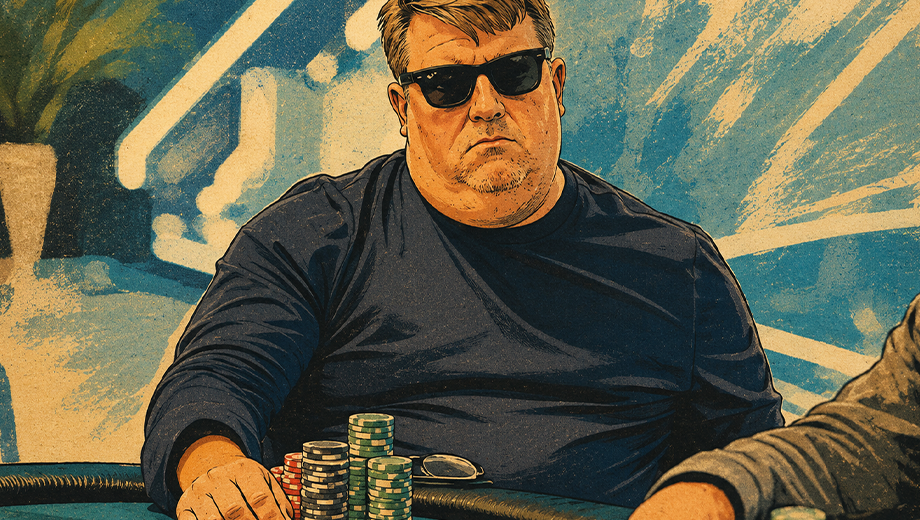
It’s not rocket science. It’s simple observation. I watch who tightens up the second the bubble gets close and who keeps playing exactly the same. I watch stack sizes relative to the blinds, sure, but mostly I watch behavior — who’s suddenly taking longer to act, who’s avoiding pots they’d normally play, who’s staring at the clock instead of their cards.
When I fold a hand near the bubble, I don’t stop paying attention. I watch the rest of it play out and try to guess what everyone’s holding. When hands get shown down, I check myself. Right or wrong, I’ve learned something about how that player handles pressure — and pressure is the entire bubble.
Using It Against the Table
The Short Stacks
Short stacks on the bubble are the easiest reads at the table. They want to survive, not win a pot. That makes them predictable — they’re looking for a spot to make a stand or a spot to disappear into, and there’s rarely an in-between.
The Medium Stacks
These are the players who actually feel the bubble hardest. They have enough to survive if they play tight, and enough to matter if they don’t. That’s where the real pressure sits, and that’s where I look to apply more of it — not with reckless aggression, just steady pressure on players who don’t want a decision.
What the Field Around You Is Doing
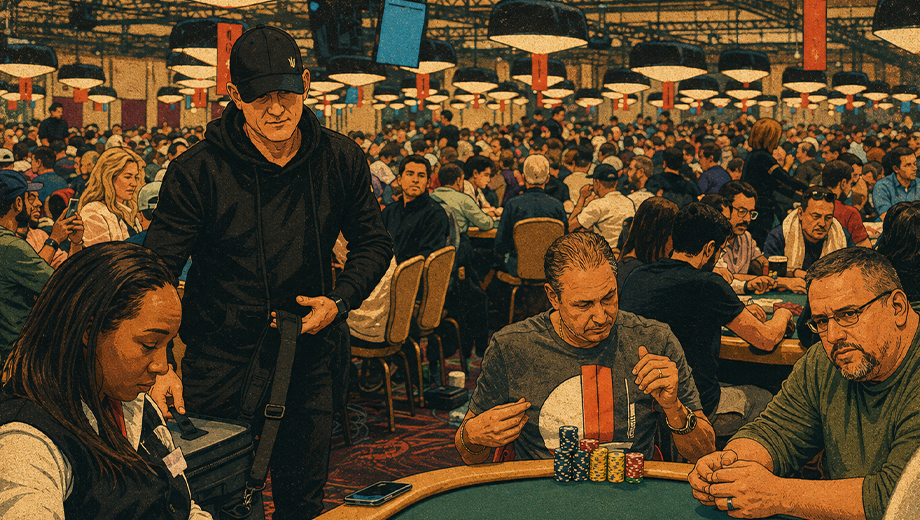
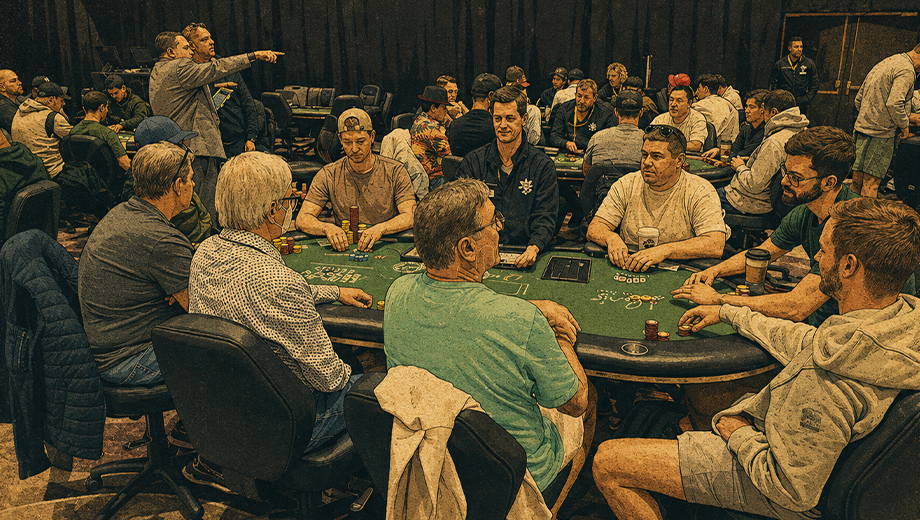
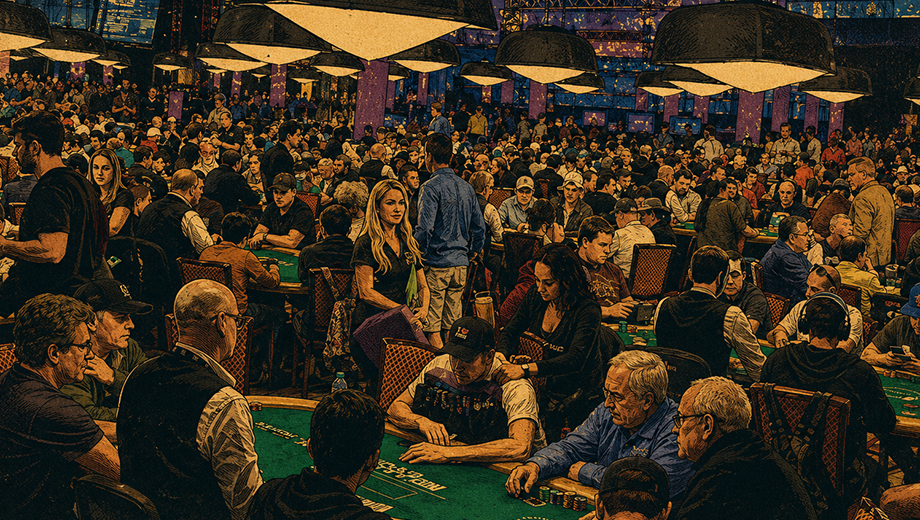
839 entrants and only 63 spots paid means most of that field is playing scared by the time the bubble arrives — not because they’re bad players, but because that’s what a bubble does to people. It amplifies whatever you were already leaning toward. Cautious players get more cautious. Aggressive players sometimes get reckless, trying to force their way into the money instead of waiting it out.
I’ve never been the type to wait it out passively. If a stack looks weak and scared, I’ll put pressure on it near the bubble the same way I’d put pressure on it any other time — the only difference is that near the bubble, the pressure works better, because the fear is already sitting right there waiting to be used.
Why It’s Worth Understanding
The bubble isn’t just a phase of a tournament to survive. It’s the clearest window into who’s actually built for the rest of it. Players who fold to pressure on the bubble tend to fold to pressure later, at the final table, when the stakes are higher and the room is smaller. The people who hold their ground here usually hold it everywhere else too.
That’s the part worth paying attention to if you’re ever deep into a big field yourself — checking the WSOP Schedule for your shot at it. The math of the bubble is simple. What people do under that math is where the tournament actually gets interesting.
You don’t need forty years at the table to notice this stuff. You just need to keep watching after you fold, instead of checking out of the hand the second your cards go in the muck.
Frequently Asked Questions
What is the “money bubble” in a poker tournament?
The money bubble is the stage of a tournament right before the remaining players start getting paid. The next player eliminated finishes with nothing, while everyone after that point cashes — which creates unusually cautious and pressure-heavy play at the table.
How many players got paid in the 2003 WSOP Main Event?
Out of 839 entrants in the 2003 WSOP Main Event, 63 players finished in the money.
Does Chris Moneymaker get nervous playing near the bubble?
He has said he has never really gotten nervous playing poker, comparing it to contact sports like wrestling and boxing where actual nerves show up. He treats the bubble as a pressure point to read, not a source of personal anxiety.
How does Chris Moneymaker read opponents at the poker table?
He watches hands play out even after he folds, guesses what opponents are holding, and checks himself against showdowns. He describes the method as simple observation rather than any special skill.
Why does Day 1 of a tournament feel boring compared to the bubble?
Early in a tournament, stacks are deep and there’s little real pressure on decisions. As the bubble approaches, players face harder choices with more on the line, which creates the tension and reads that make later stages more engaging.