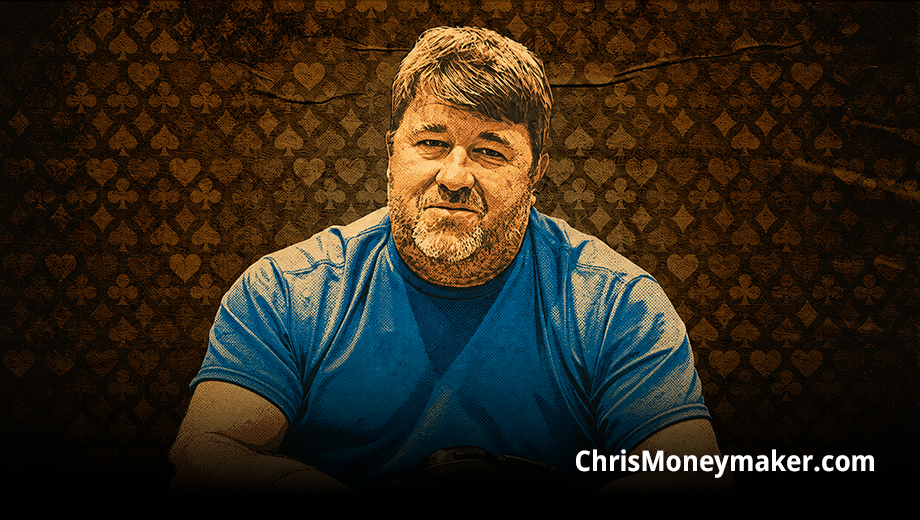

I won $2.5 million on a Friday. Flew home Saturday. Had a party, took Sunday off, and was back at my accounting job Monday morning. Nobody there knew what had happened. This was 2003 — people had flip phones, and the ESPN broadcast wouldn’t air for another three or four months. So for a while, I was just a guy who’d had a good weekend.
That’s the part people skip when they talk about how the WSOP changed my life. It didn’t happen all at once. It happened slowly, in a way that still catches me off guard when I think about it.
How I Actually Got There
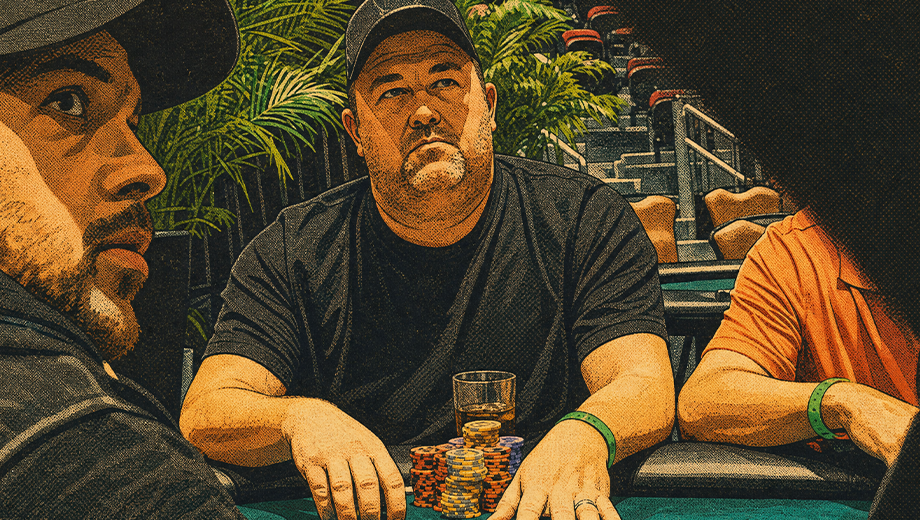
I had about $200 in my online account. The buy-in for the satellite was $86. I jumped in because eight of nine seats were already filled — those fill up fast, and you learn to act on instinct. I thought it was a cash sit-and-go. It wasn’t. Somewhere in the registration I’d accidentally entered a satellite to a satellite to the World Series of Poker Main Event.
That satellite got me into a $615 qualifier with 69 players, giving away three seats to the Main Event. I sold 40% of my action — 20% to my dad, 20% to a friend — because I didn’t have a real bankroll and figured I should hedge. I went in only knowing three names in the whole field: Phil Hellmuth, Doyle Brunson, and Johnny Chan. Everyone else, including Phil Ivey, was just a face with chips.
839 players. A $7,987,860 prize pool. First place: $2,500,000. I flopped trip queens with Ace-Queen against Ivey’s pocket nines, survived his turned full house on 17% equity, and later bluffed Sammy Farha off the best hand heads-up with 5-4 on a board of J-5-4. None of that felt like the beginning of anything at the time. It felt like a really good week.
Going Back to Broke
Here’s the part that doesn’t fit the highlight reel: I went back to work for eight more months after winning. My boss eventually told me straight — if I don’t quit, he’s going to fire me, because I was wasting his time and mine. It took a couple more months to train a replacement before I actually left.
The money didn’t sit around waiting to change my life either. Life happened to it first, the way life tends to happen to money. What actually changed wasn’t my bank account overnight — it was the phone. PokerStars called. Interview requests started. A guy who used to be an accountant with a poker hobby was suddenly getting offered a different kind of job entirely.
The Part That Actually Changed
The Money Was Never the Point
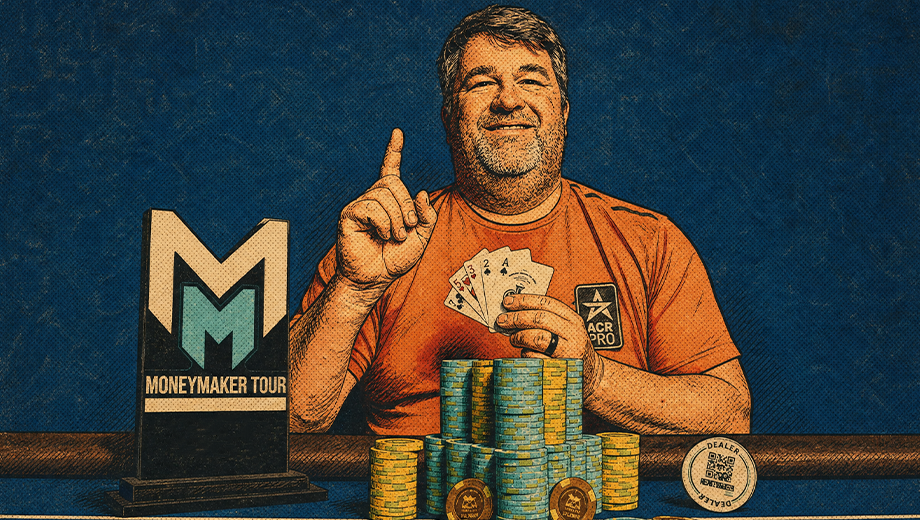
I never intended on being a professional poker player. My goal was never to chase bracelets or be the best player in the world. What changed my life wasn’t the $2.5 million — it was that winning it gave me the option to keep playing. That’s a different thing entirely.
The Ambassador Role Found Me
I signed with PokerStars for $5,000 a month to wear a patch and do interviews. No social media existed yet, so the job was small. It grew because the game grew, and the game grew because an accountant from Tennessee won the biggest tournament in the world without knowing who Phil Ivey was. I didn’t plan the ambassador role. It found me.
What It Actually Did to My Life
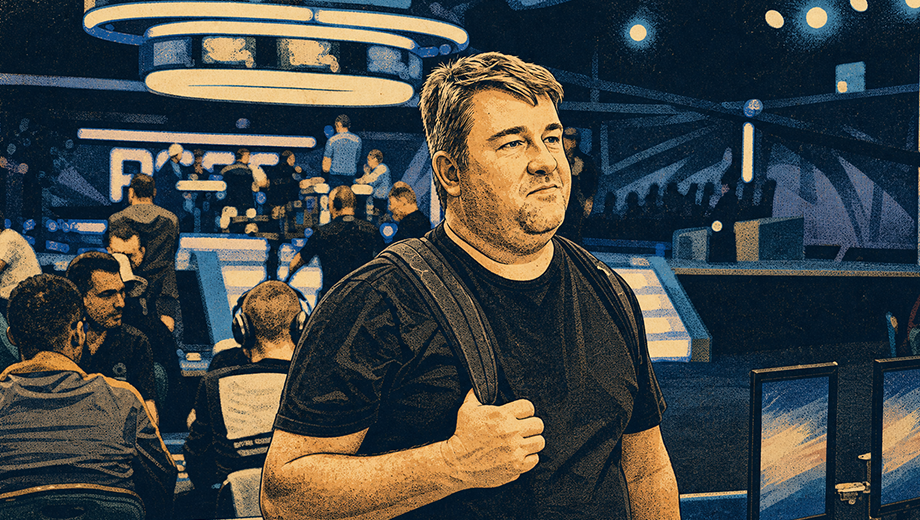
The truth is I almost never think about it day to day. Only when I go to the WSOP Schedule for the year and there it is, right in front of me — the ESPN clips on the monitors, someone asking about the bluff. The rest of the year, I’m just living, same as anyone.
What changed is freedom. Being able to choose which tournaments to play and which to skip. Being able to say no to things. Before I won, tournaments like we know them today didn’t exist — there was nowhere close to this many places to play. Seven months after my win, I had to drive to Bay 101 in California just to find one. Now there’s a tournament somewhere in the world every single day. I understand my win is tied to that. I don’t sit around thinking about it.
What Stayed the Same
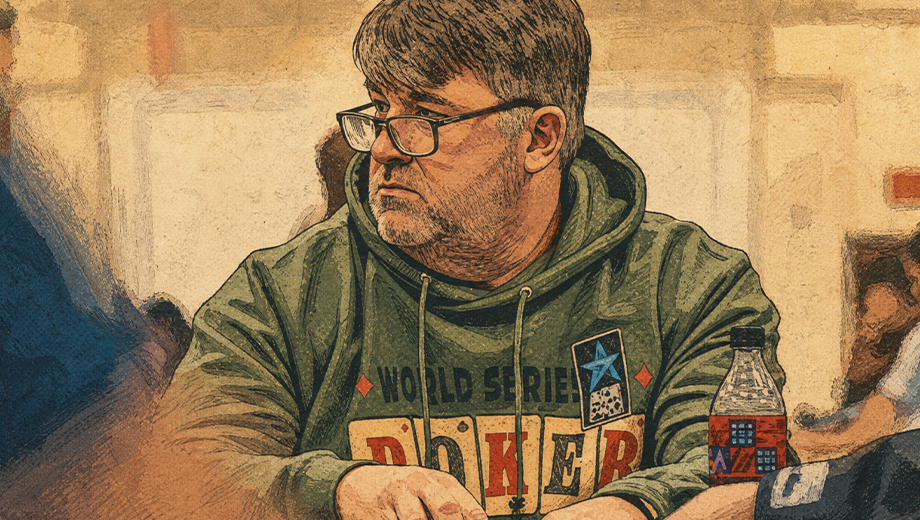
I still read a table the same way I always did — fold a hand, watch the rest of it, guess the cards, check myself at showdown. It’s not rocket science. It’s simple observation. That skill got me through Day 1 at Binion’s as a total unknown, and it still gets me through final tables now. The WSOP didn’t give me that. I already had it. It just gave me a bigger room to use it in.
If you’re looking to qualify the same way I did, the WSOP schedule runs every summer, same basic idea, same long shot — just a lot more entry points now than there were in 2003.
Frequently Asked Questions
How much did Chris Moneymaker win at the 2003 WSOP Main Event?
Chris Moneymaker won $2,500,000 for first place at the 2003 WSOP Main Event, out of a total prize pool of $7,987,860 across 839 entrants.
Did Chris Moneymaker keep playing poker for a living right after winning?
No. He returned to his accounting job the Monday after winning and worked there for eight more months before leaving, once his boss told him he was wasting his time staying.
How did Chris Moneymaker qualify for the 2003 WSOP Main Event?
He entered an $86 satellite on PokerStars, which he won, advancing him into a $615 qualifier with 69 players that awarded three Main Event seats.
What is the Moneymaker Effect?
The Moneymaker Effect refers to the surge in poker’s popularity after Chris Moneymaker’s 2003 win, as an online qualifier winning the WSOP Main Event legitimized online poker and drew a wave of recreational players into the game.
Does Chris Moneymaker still play the WSOP Main Event every year?
Yes. He has played the WSOP Main Event every year since his 2003 win.