
Every year I watch the WSOP Main Event final table the same way. Nine players left. Cameras on everyone. Chips that took days to accumulate. I watch and I think about the same thing every time: which one of them knows what’s actually happening, and which ones are just surviving.
I’ve been on that stage. The 2003 final table at Binion’s Horseshoe — nine players, including Sammy Farha, Dan Harrington, and a guy from Nashville who had never played live poker at this level before. That was me. And the honest version of what I remember is that I understood exactly zero of what was happening from a strategic standpoint. I just played.
What I Actually Watch For
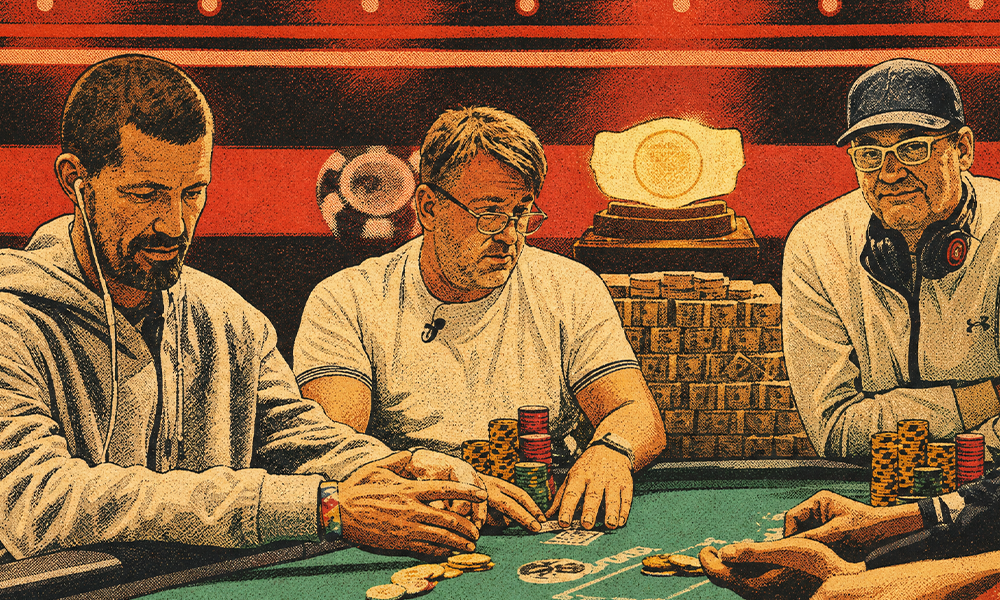
When I watch a final table now, the first thing I look at is stack distribution. Who has chips? Who is short? Not just the raw numbers — the dynamic between them. A chip leader who doesn’t press their advantage is giving chips back slowly. A short stack who stays patient and waits for one spot can double twice and suddenly become dangerous. The math on nine-handed final tables is weird. Things move fast and then very slow and then fast again.
The WSOP Schedule builds toward this moment all summer. Thousands of players enter. A field that started at hundreds or thousands narrows over days to just nine. By the time they sit down at the final table, every chip in play has a story behind it. I find that part interesting regardless of who the players are.
What I watch second is how players handle pressure at the wrong moments. The final table is not where you’re at your best. You’ve been playing for days. Your read accuracy drops. Your patience gets tested in ways it doesn’t during earlier stages. The players who make it deep aren’t necessarily the best poker players in the field — they’re the ones who made fewer critical mistakes over the course of several days. That’s a different skill set.
The Part Nobody Talks About
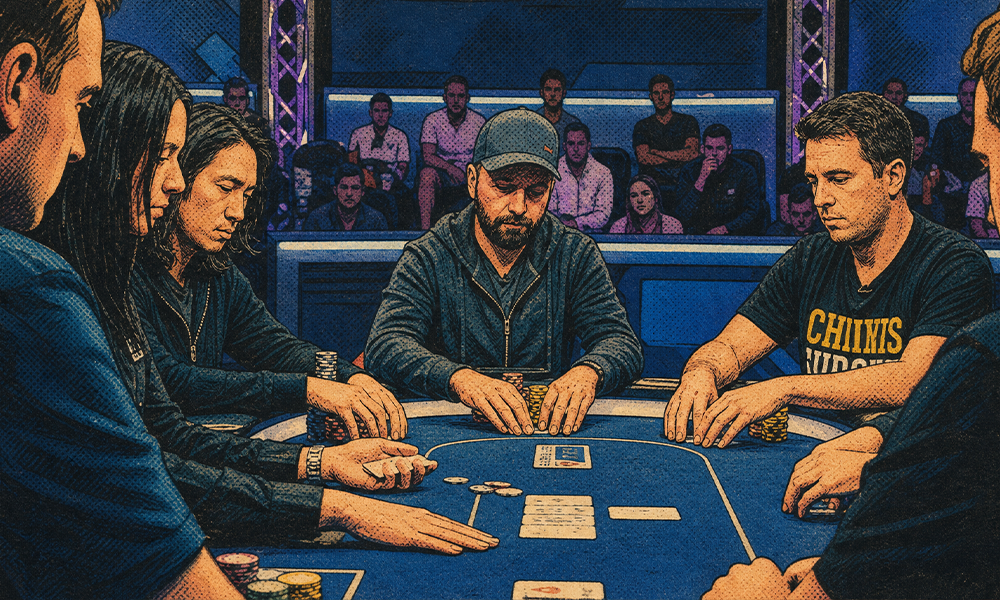
There’s a moment at every final table where the real tournament begins. It’s not the first hand. It’s usually somewhere in the middle — when someone takes a big pot and the chip dynamics shift, or when a short stack doubles and suddenly the table reconfigures. Before that moment, everyone is feeling each other out. After it, the pressure becomes acute for specific players and they either handle it or they don’t.
In 2003, that moment for me was the hand against Phil Ivey. I had 1.5 million chips and he had 500,000. I flopped trip queens with Ace-Queen. He made a full house on the turn with pocket nines. Chips went in. I had 17% equity and I won. After that hand, I knew the tournament was mine. Not because I was the best player — I clearly wasn’t. But because the thing I’d been telling myself, that I wasn’t going to bust before the final table, had already happened. I was past the threshold.
Every final table has a hand like that. Usually one hand where the whole shape of the thing changes. I watch for it every year.
What Makes a Final Table Worth Watching
Honestly? Storylines. And not the manufactured kind — the real ones that emerge from who’s actually at the table and what’s at stake for each of them.
The 2003 final table had Sammy Farha, who was polished and experienced and clearly the better player in our heads-up match. It had Dan Harrington, who had won the thing before and carried that quiet weight of knowing how to do it. And it had me, who didn’t know any of them and was just trying to execute the same process I’d been running for days: fold, watch, observe, find a spot.
What I’ve learned watching final tables since is that the underdog story always resonates — not because people want to see a worse player win, but because they want to believe the result isn’t predetermined. That it’s still open. That anyone sitting at that table on that day could win it. That’s what the 2003 story meant to people. Not that I was special. That the seat was available.
“I don’t want to inspire people to be professional poker players. I want people to enjoy the game. Take chances. Change their life.”
That’s still true. Every final table is another version of that argument. Someone who doesn’t belong there — according to whoever decides who belongs — makes it further than they should. And sometimes they win.
The Heads-Up Match
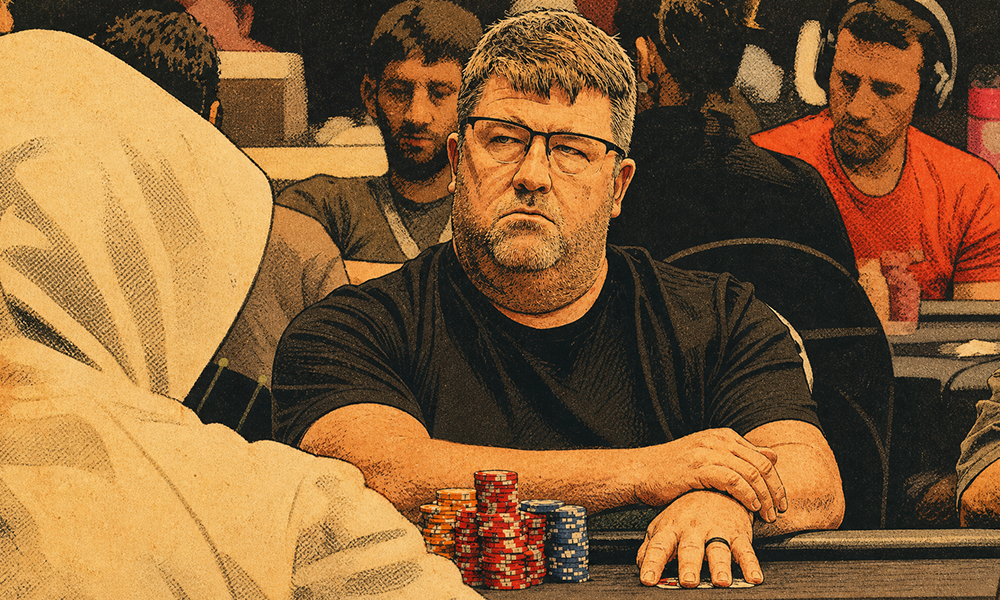
Heads-up is where final tables actually end, and it’s where I focus most. Two players, usually exhausted, one with more chips than the other, both trying to manufacture an edge that may or may not exist.
In 2003 I had roughly a 2-to-1 chip lead over Sammy Farha when we started heads-up. He wanted to use experience to grind me down — he didn’t want to play big pots. I knew that. My read was that he was looking to use patience as a weapon. So I kept applying pressure until the bluff hand: I held 5♦ 4♠ on a J♥ 5♣ 4♦ board and moved all-in as a complete bluff. He folded J♠ face-up. That hand aired on ESPN and defined the whole story.
What I watch for in heads-up now is simpler: who’s applying pressure and who’s reacting to it. Whoever is setting the tempo usually wins. It’s not always the chip leader. Tempo and chips are related but they’re not the same thing.
What Stays With You
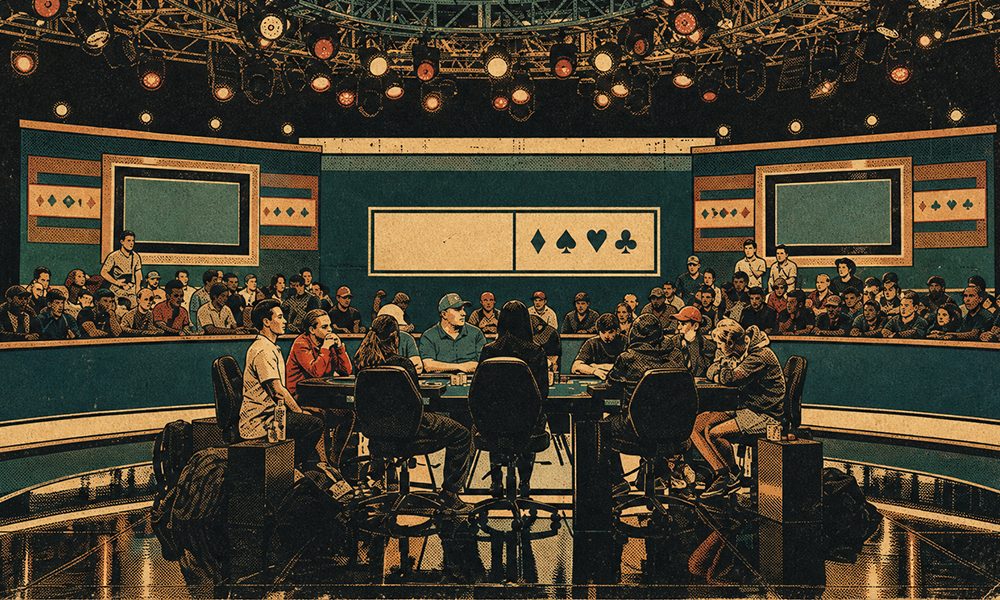
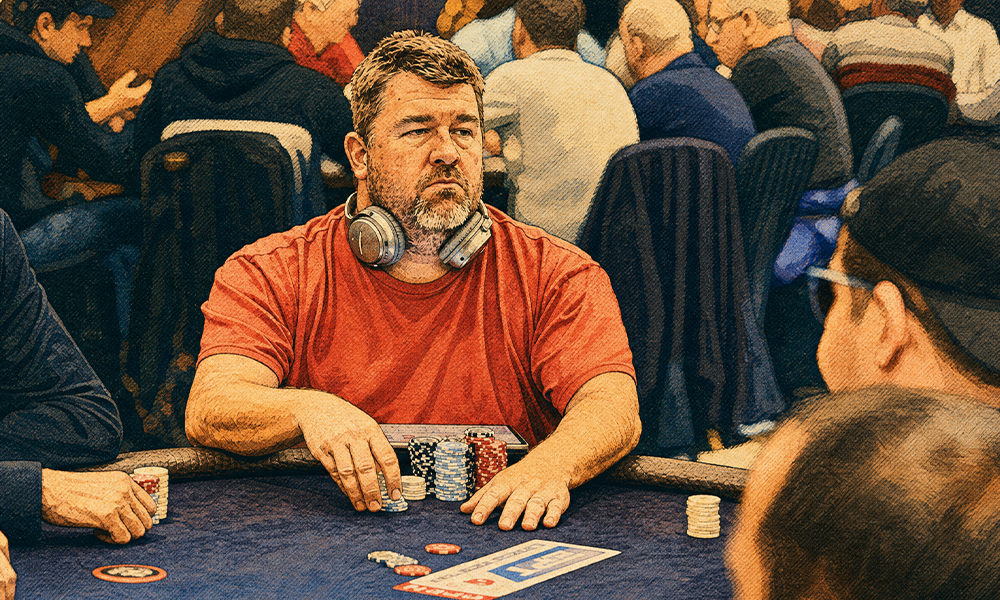
I watch every final table because it reminds me what the game actually is. Not the strategy, not the percentages — the human part. Nine people who did something extraordinarily difficult to get to one table, and now one of them has to win while the other eight go home.
I’ve been one of those nine. I know what it feels like to sit at that table and have no real framework for what’s happening and just play anyway. Turns out that’s enough sometimes. The game doesn’t care whether you’ve studied it for twenty years or stumbled in through an $86 satellite. The cards fall the same either way.
Frequently Asked Questions
Who was at the 2003 WSOP Main Event final table?
The 2003 WSOP Main Event final table included Chris Moneymaker (1st, $2,500,000), Sammy Farha (2nd, $1,300,000), Dan Harrington (3rd), Jason Lester (4th), Tomer Benvenisti (5th), David Grey (6th), Young Pak (7th), Amir Vahedi (8th), and Scott Fischman (9th). Moneymaker was the only online qualifier at the table.
What was the famous bluff at the 2003 WSOP final table?
During heads-up play against Sammy Farha, Moneymaker held 5♦ 4♠ on a J♥ 5♣ 4♦ board and moved all-in as a complete bluff. Farha folded J♠ face-up. The hand aired on ESPN and became one of the most famous bluffs in poker history, defining Moneymaker’s image as a fearless, unpredictable player.
How many players make the WSOP Main Event final table?
Nine players make the WSOP Main Event final table. Play continues until one player holds all the chips. The final table typically takes at least one full day to complete, sometimes spilling into a second day depending on the structure and pace of play.
What does Chris Moneymaker watch for at WSOP final tables?
Moneymaker focuses on stack distribution and the dynamic between chip leaders and short stacks, how players handle pressure at key moments, and the pivotal hand where the chip dynamics shift and the real tournament begins. In heads-up play specifically, he watches for which player is setting the tempo — he considers that a better indicator than chip counts alone.
What was the chip situation when Moneymaker and Farha played heads-up in 2003?
Moneymaker held roughly a 2-to-1 chip lead over Sammy Farha when heads-up play began. He recognized that Farha’s strategy was to use experience and patience to grind him down, so Moneymaker kept applying pressure rather than playing conservatively with his chip lead.
Why does the WSOP Main Event final table matter beyond just poker?
Moneymaker’s view is that final tables resonate because they keep the result open — anyone at that table on that day could win. The 2003 story connected with people not because Moneymaker was exceptional, but because an ordinary person qualified online for $86 and won $2,500,000. The final table is where that argument plays out every year.