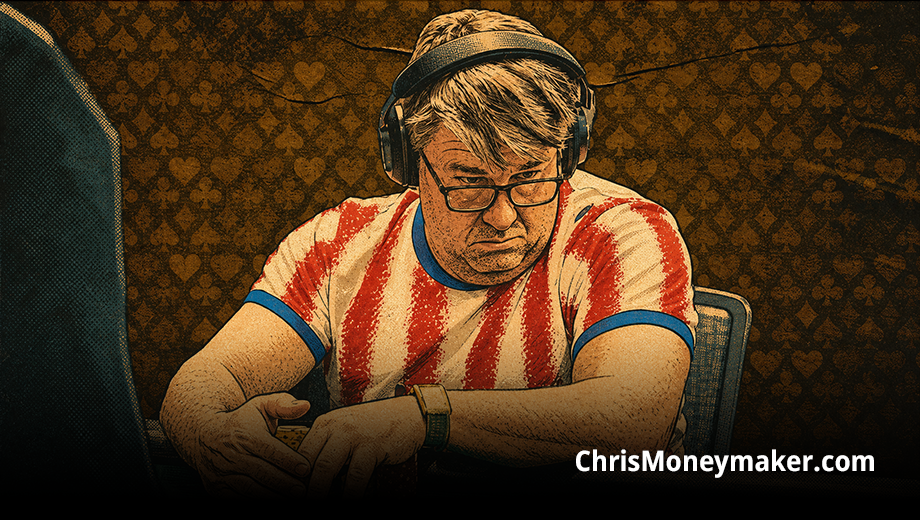

By the time a WSOP tournament gets deep, the table looks nothing like it did on Day 1. Stacks are uneven. Blinds are eating pots whole. And the players left aren’t the same mix you started with — the weak ones are gone, and everyone remaining has survived something to get there. That’s the moment my whole approach changes.
Day 1 bores me, if I’m honest. It’s deep in a tournament — when the decisions actually matter — where I start paying attention differently.

Reading the Table Changes First
Early on, ranges are wide and mistakes are cheap. Deep into a tournament, everyone left is playing tighter, and that tightness is exactly what I look to exploit. I watch stack sizes relative to the blinds, sure, but mostly I watch behavior — who’s suddenly taking longer to act, who’s avoiding pots they’d normally play. It’s not rocket science. It’s simple observation, just applied with more urgency because the stakes went up.
When I fold a hand at this stage, I don’t stop paying attention. I watch how it plays out, guess what people are holding, and check myself when hands get shown down. Right or wrong, I’ve learned something I can use two hands later.
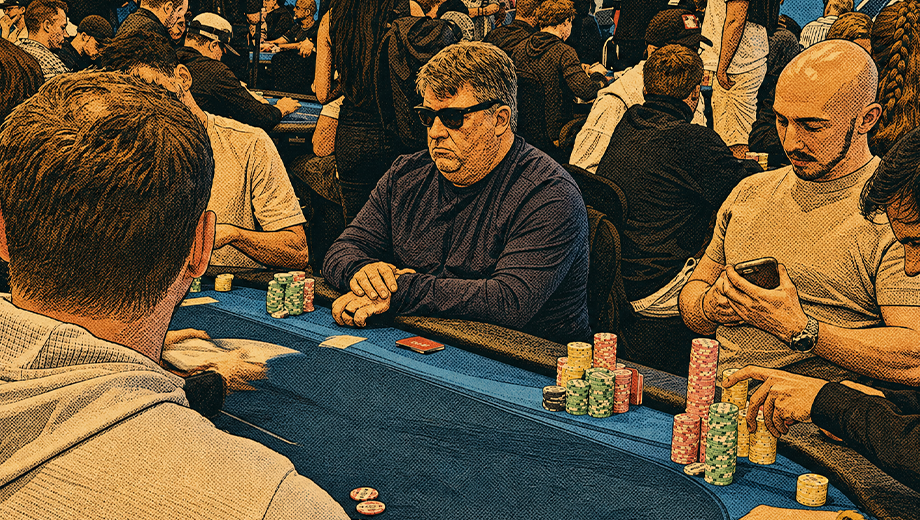
Two Different Gears, Depending on Who’s Across the Table
Against the Strong Players
Against very good players deep in a tournament, I play it straight — pure GTO, no improvising, no herohero plays. There are usually enough weaker stacks at the table willing to give away chips that I don’t need to manufacture confrontations with the players who are actually paying attention.
Against the Field
Against the general tournament field, I go the opposite direction — unpredictable, higher variance, willing to make plays that don’t look “correct” on paper. Most players deep into a big field are playing scared, protecting a stack instead of building one. That fear is exploitable if you’re willing to apply pressure instead of waiting for premium hands.
Why Stack Depth Changes Everything
The deeper you get, the more the blinds start dictating decisions instead of your hole cards. A stack that felt comfortable two levels ago suddenly needs to make a stand. I’m always doing that math — not just for my own stack, but for everyone else’s. A player with 15 big blinds is going to play differently than a player with 40, and knowing which one you’re across from changes what hands are worth pushing.
This is where an 18-year-old with six months of online volume can outplay someone who’s been around the game for twenty years — the modern player has run the stack-depth math a thousand times over. I respect that. I’ve had to catch up on it myself after years of not studying at all.
Applying Pressure Instead of Waiting
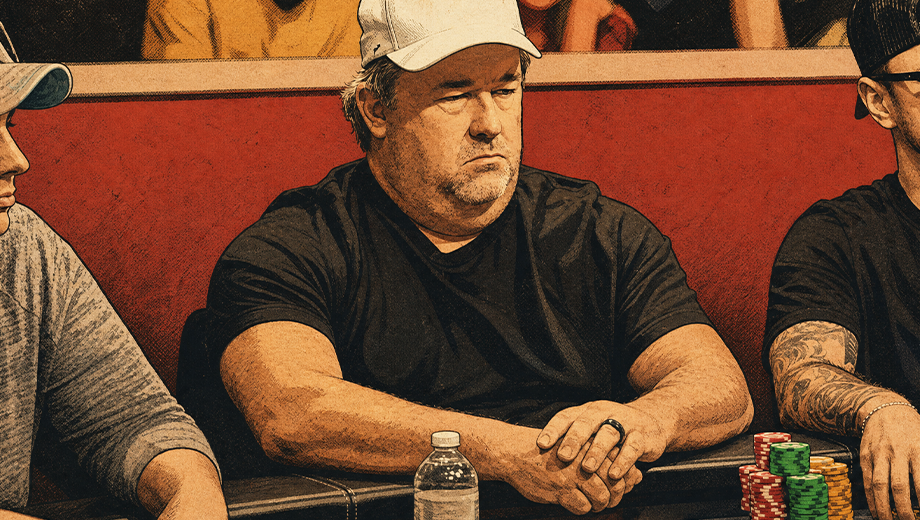
Deep into a tournament, I’d rather be the one making decisions than the one reacting to them. Medium stacks are the ones I look to pressure the hardest — they have enough to survive if they play tight, and enough to matter if they don’t, which makes them the players most likely to fold to a real bet. Short stacks are more predictable: they’re either making a stand or looking for a spot to disappear into, and there’s rarely an in-between.
I’m not chasing confrontations with the table’s best player for the sake of it. I’m looking for the stacks that are already scared and giving them a reason to be more scared.
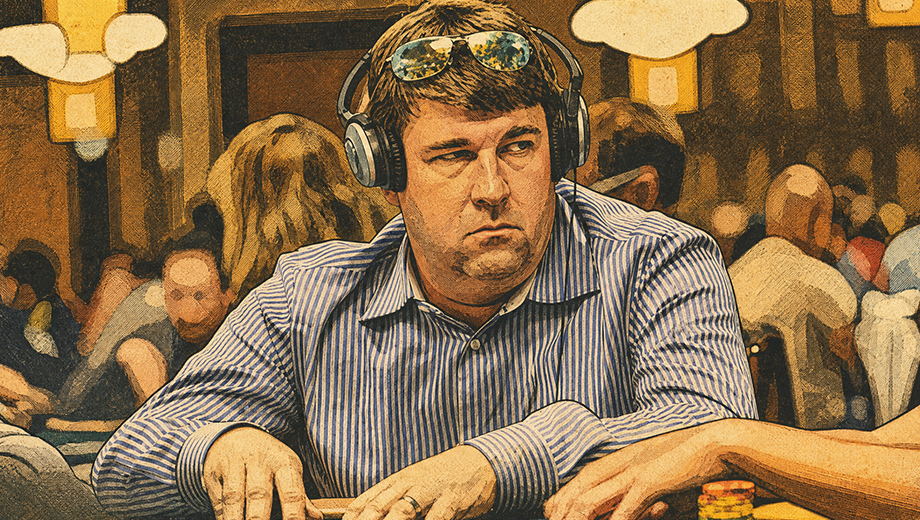
What Doesn’t Change
The read still comes first. No amount of stack-depth math replaces sitting there and watching who’s actually built for pressure and who’s just hoping to survive it. That part of my game hasn’t changed since 2003, and it’s the one adjustment that works at every stage of a WSOP Schedule event, not just the deep stages.
If you’re playing deep in your own tournament this summer, the adjustment isn’t complicated. Watch who’s scared. Apply pressure to them. Play it straight against the ones who aren’t. That’s the whole strategy, deep down.
Frequently Asked Questions
How does Chris Moneymaker’s strategy change deep into a tournament?
He shifts from a wider, more relaxed approach to closely reading stack sizes and behavior, applying pressure to stacks that appear scared or protective while playing more precisely against strong, aware opponents.
Does Chris Moneymaker play differently against strong players versus weaker ones?
Yes. Against very strong players he plays a straightforward, fundamentally sound game. Against the wider tournament field, he plays more unpredictably and applies more pressure, since recreational players are more likely to fold under it.
Why does stack depth matter so much late in a tournament?
As blinds increase relative to stack sizes, players are forced into decisions sooner, and the number of big blinds a player holds becomes a bigger factor in their decisions than their actual hole cards.
How does Chris Moneymaker read opponents at the poker table?
He watches hands play out even after he folds, tries to guess what opponents are holding, and checks himself against showdowns. He describes it as simple observation rather than a special skill.
Which stacks does Chris Moneymaker target most deep into a tournament?
He focuses pressure on medium stacks, since they have enough chips to want to survive but not so many that folding feels costless, making them more likely to give up pots under pressure.