
I’ve been playing the WSOP every year since 2003. The field changes. The game changes. What makes a player hard to play against in 2026 is different from what made them hard in 2003 — and different again from what it was ten years ago. This year’s field is no exception.
I’m not going to rank anyone or call anyone out by name. That’s not the point. What I can tell you is what I’ve noticed at the tables — the types of players who’ve given me the most trouble, what they’re doing differently, and what it says about where this game is headed.
The Young Online Players Are a Different Species
I said it years ago and it’s still true: an 18-year-old today can have more experience than Doyle Brunson got in his entire career — in six months. The volume these players run online is incomprehensible compared to anything that existed in 2003. They’ve seen every spot. They’ve played every situation thousands of times. By the time they show up at a live table, the game isn’t new to them at all.
What makes the best of them dangerous isn’t just the volume. It’s the combination. They’ve studied, they’ve played millions of hands, and now they’re at a live table where they can actually see you. A young player who’s put in the online work and learned to read a live table is close to the most complete package in the game right now.
The tell they look for is the same one I look for: who’s scared. Who has chips but doesn’t want to use them. Who’s trying to survive rather than play. They find those players fast and they apply pressure systematically. It’s not personal. It’s mechanical. And it works.
The High-Stakes Cash Game Players Who Show Up for the Main Event
Every year there are players who come to the Main Event from the high-stakes cash game world. They’re not tournament specialists. They don’t grind the circuit. But they’re dangerous in a specific way: they’re completely comfortable with big money moving across the table.
Tournament players — especially recreational ones — develop a relationship with their chip stack. They protect it. They think about it. Cash game players from the high-stakes world just see chips as chips. There’s no psychological weight attached. That freedom shows up in their decisions. They make moves that tournament-conditioned players wouldn’t make because the money doesn’t feel the same to them.
Against players like that, playing scared is fatal. The only real counter is to trust your reads and play your actual hand — not the story you’re telling yourself about what losing those chips means.
The Solver-Trained Players Who Can Also Improvise
There are two kinds of solver-trained players. The first kind plays frequencies and ranges almost robotically. Against that player, you know what you’re getting. You can adjust. The second kind — the harder kind — uses the solver as a foundation but improvises on top of it. They know what balanced play looks like, and they deviate from it intentionally based on what they’re seeing at the table.
That second type is the most difficult player in the modern game. They’re not predictable because they understand the theory well enough to break it on purpose. Against the general field they play a tight, well-calibrated game. Against specific players they shift gears — and they pick the right moments to do it.
I play against those players by going unpredictable myself. If pure equilibrium is their baseline, I take it off equilibrium. High variance, hard to range, unusual sizing. It doesn’t always work. But it’s the best response I’ve found.
What Hasn’t Changed
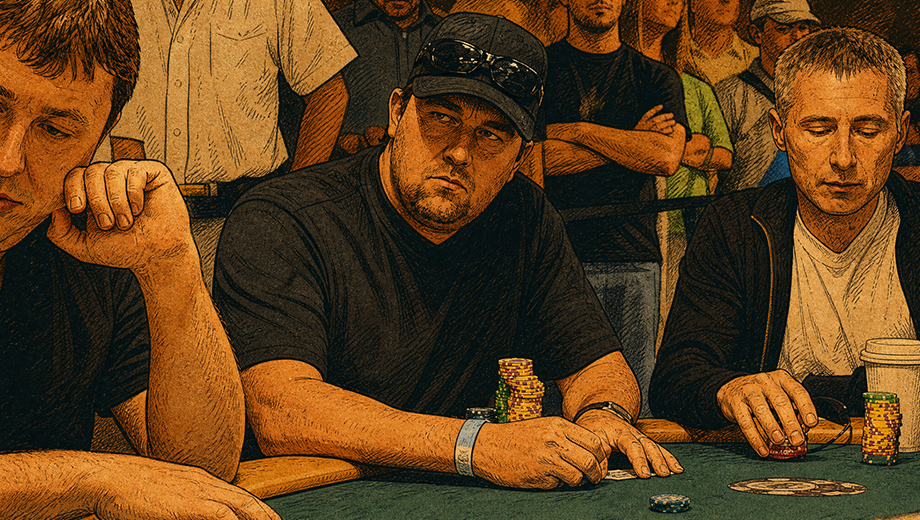
For all the evolution in the game, the most dangerous player at any WSOP table is still the one who’s paying attention. The one who’s watching every hand they’re not in. The one who knows within three levels who’s scared, who’s loose, who’s going to fold under pressure, and who’s going to play back.
I’ve been that player before. I’ve also sat across from players who are doing it better than me right now. The game has never belonged to the person with the most credentials. It belongs to the person who’s most awake at that particular table, on that particular day.
That part hasn’t changed since 2003. It won’t change in 2026 either.
What I Take Away From It
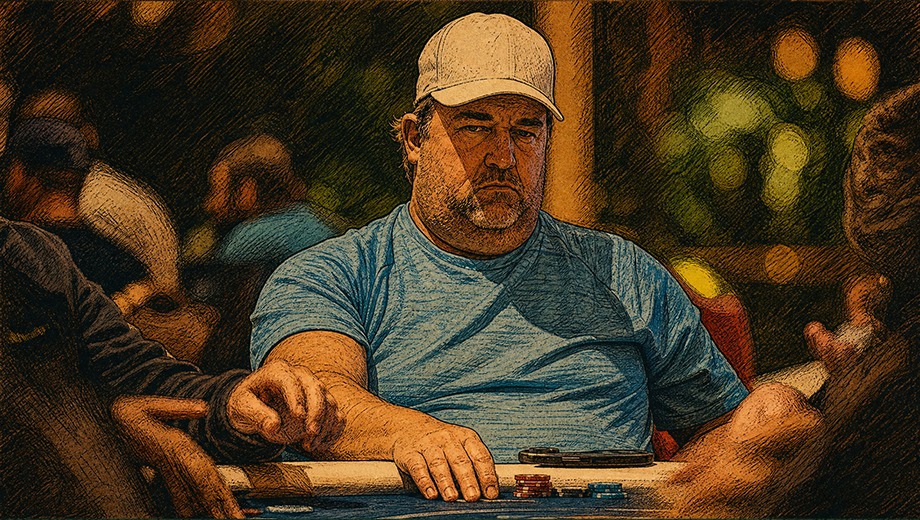
Watching the field evolve every year reminds me why I keep playing. The game doesn’t stay the same. The players who figured it out last decade are adapting now or they’re falling behind. And every year there are new players who show up and remind everyone that there’s no ceiling on how good this game can get.
I took almost ten years off from studying — from 2005 to 2015. I was too busy with family, sponsorships, life. When I came back to it seriously, the game had moved on without me. Getting up to speed required real work. I’m still doing that work. Every WSOP I come back to is a reminder of how much there is to learn.
The full WSOP 2026 schedule — including Main Event flight options and event structures — is on the WSOP Schedule page for anyone who wants to track the action or plan their own run.
| Player Type | What Makes Them Dangerous | How to Approach |
|---|---|---|
| High-volume online players | Millions of hands, no situation is new, spot weakness fast | Don’t show fear — make them respond to you |
| High-stakes cash game crossovers | No psychological weight on chips, fearless with big money | Trust your reads, play your hand — not the story |
| Solver-trained improvisers | Know equilibrium well enough to break it intentionally | Go unpredictable — take it off their baseline |
| The patient observer | Knows more about your table than you do by Day 2 | Be that player first |
Every year the toughest players remind me of the same thing: the game rewards whoever is paying the most attention.
Frequently Asked Questions
What makes a player dangerous at the WSOP Main Event?
The most dangerous players combine volume — millions of hands of experience — with the ability to read a live table. High-stakes cash game crossovers are fearless with big money. Solver-trained players who can improvise are unpredictable. But ultimately, the most dangerous player at any table is the one paying the most attention.
How has the WSOP Main Event field changed since 2003?
The field is significantly more skilled on average. Online poker compressed decades of learning into months — an 18-year-old today can accumulate more hand experience in six months than most players in 2003 got in their entire careers. The game has also been heavily studied through solvers, making balanced play the baseline rather than the exception.
How do you play against solver-trained poker players?
The best approach is to go unpredictable. Solver-trained players use equilibrium as a baseline — taking the game off that baseline with unusual sizing, high variance lines, and hard-to-range plays disrupts their framework. Against pure frequency players, adjusting your own ranges works. Against players who improvise on top of the solver, unpredictability is the strongest counter.
Why are high-stakes cash game players tough in tournaments?
Cash game players from the high-stakes world don’t attach the same psychological weight to chips that tournament players do. Tournament players often protect their stack — cash game players just see chips as chips. That freedom produces decisions that tournament-conditioned players find hard to read or respond to, because the underlying psychology is different.
Does Chris Moneymaker still study poker actively?
Yes. He took roughly ten years off from studying — from 2005 to 2015 — while focused on family and sponsorship commitments. When he returned to serious study, the game had evolved significantly. He has been working actively on his game since then, including work with coaches, and considers it ongoing.
What is the one constant in what makes a great poker player?
Attention. The game has changed dramatically since 2003 — the players, the theory, the volume of experience everyone brings in. But the most dangerous player at any table is still the one paying the most attention: watching every hand they’re not in, knowing who’s scared, who’s loose, who will fold under pressure. That hasn’t changed and isn’t going to.