

There are no windows in a poker room at the WSOP. No clocks either, not real ones — just the clock on the tournament screen counting down the level. By hour eight of a ten-hour day, you’ve lost track of whether it’s still light outside. What you haven’t lost track of, if you’re paying attention, is how much water you’ve had. Most players haven’t had enough. I’ve been one of them plenty of times.
Nobody puts “stay hydrated” on a strategy list. It should be higher up than most of what is.
Why This Actually Matters
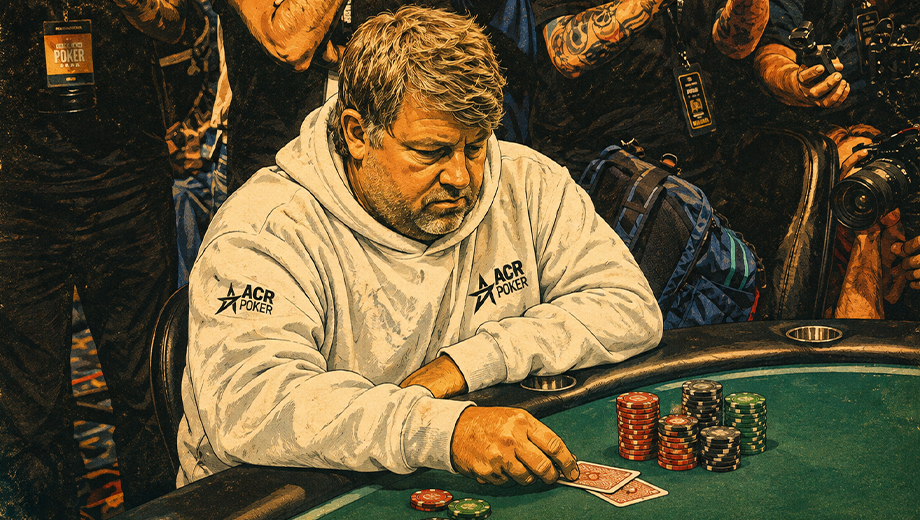
A Main Event day runs somewhere around ten hours of play, broken into two-hour levels with a ten-minute break between them. That’s ten hours sitting in recycled casino air, under fluorescent lighting, making decisions that get worse the longer your body is running on nothing. Nobody plays their best poker dehydrated. You don’t feel it as thirst most of the time — you feel it as a slower read, a worse count, a decision that takes an extra beat it shouldn’t need. By the time you notice you’re thirsty, you’ve already been paying for it for a while.
I’m someone who’s spent years working on my game in a lot of different areas at once. The physical side doesn’t get talked about as much as the strategic side, but it’s not separate from it. A tired, dehydrated brain plays worse cards than a rested one holding the exact same hand.
The Part Nobody Talks About
What Ten Minutes Actually Buys You
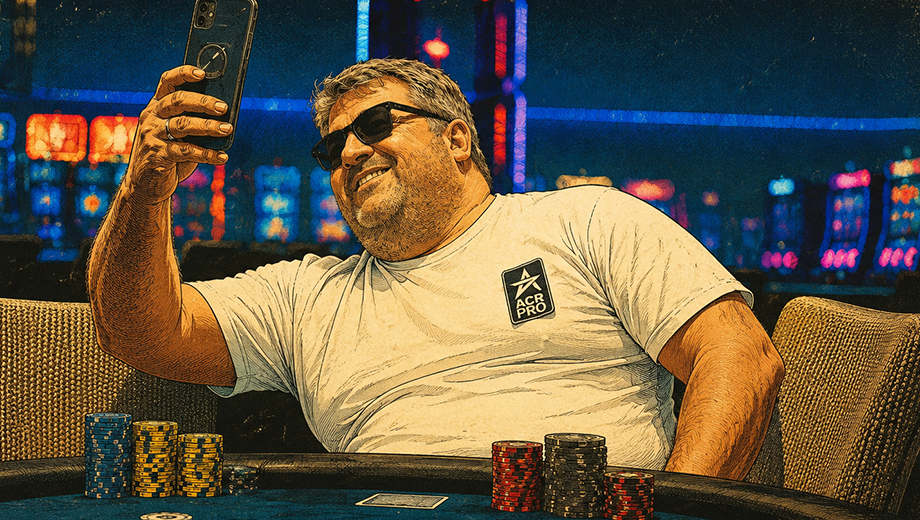
A break is ten minutes. That’s a bathroom trip, maybe a phone call, and not much else. If you spend all of it standing in line or scrolling your phone, you’ve spent the one window you had to actually drink something and you’ll be back at the table having done nothing for your body. I try to treat the break like it has one job before anything else: water first, everything else after.
Vegas Doesn’t Make It Easy
It’s a desert. The air inside is dry casino air, and the air outside is dry desert air, and neither one is doing you any favors. Add in the fact that most rooms serve coffee more visibly than water, and it’s easy to go a whole level running on caffeine and adrenaline with nothing behind it. That combination feels fine for a while. It doesn’t feel fine on Day 3.

What This Actually Looks Like for Me
I graduated high school at 130 pounds and hit a personal high of 285 at one point in my life. I’m working back down from there now, and none of that happened by accident or all at once. Staying hydrated during a long tournament day is a small piece of a much bigger habit — paying attention to what your body is actually doing instead of assuming it’ll keep up no matter what you feed it or don’t. I state it and move on. It’s not a dramatic story. It’s just true.
How I’d Actually Handle a Long Day
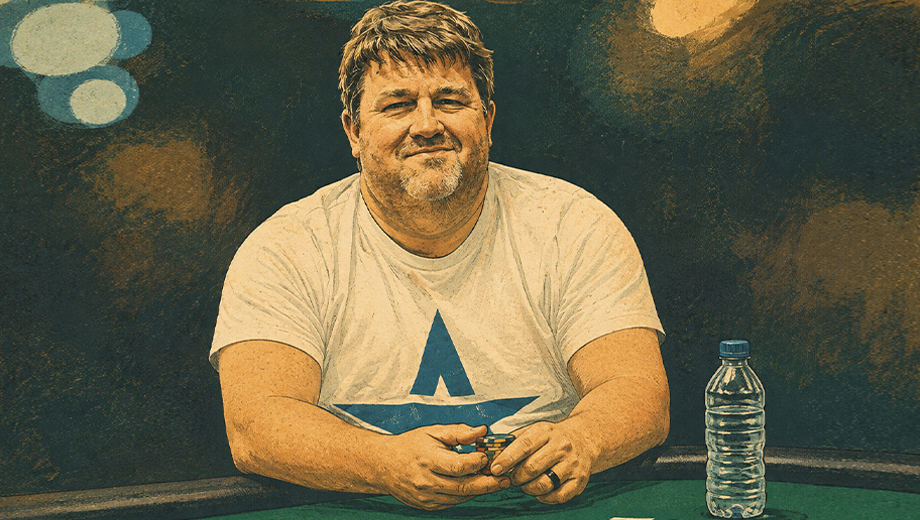
Water at the table, not just at the break — most rooms will let you keep a bottle at your seat, and there’s no reason not to. Eat something real at the meal break instead of skipping it or grabbing whatever’s closest; I’ll take steak and potatoes or pasta over most things, and skipping food entirely to save time never actually saves you anything by hour nine. Go easy on stacking coffee on top of coffee. It buys you twenty minutes of alertness and then hands you the bill later in the day, right around when you need to be sharp for the bigger pots.
None of this is complicated. It’s also the part everyone skips because it doesn’t feel like strategy — right up until it costs someone a tournament in the tank hours.
Frequently Asked Questions
How long is a typical WSOP Main Event day?
Days typically run around ten hours of play, split into two-hour levels with a ten-minute break between each. Across multiple days, that adds up to a significant amount of time sitting in one room under artificial light.
Why is dehydration a bigger deal during long poker sessions than people think?
Dehydration doesn’t always feel like obvious thirst — it often shows up first as slower thinking, worse chip counts, and delayed reads. By the time it’s noticeable, it’s usually already affecting decision-making at the table.
What should I prioritize during a ten-minute tournament break?
Water, before anything else. A ten-minute break doesn’t leave much room for extras, so treating hydration as the first task rather than an afterthought makes it more likely to actually happen every level.
Does the Las Vegas climate make hydration harder during the WSOP?
Yes. Las Vegas is a desert, so the outside air is dry, and casino interiors run dry air conditioning as well. Combined with coffee being more readily available than water in most rooms, it’s easy to under-hydrate without noticing.
Does Chris Moneymaker think physical health affects poker performance?
Yes. He’s spent years working on multiple aspects of his game, including the physical side, and views a tired or dehydrated body as a real factor in decision quality — not something separate from strategy.
Should I skip meal breaks to save time during a tournament?
No. Skipping proper food to save a few minutes tends to catch up with players later in the day, particularly by the later hours of Day 2 or Day 3, when focus and stamina matter most.