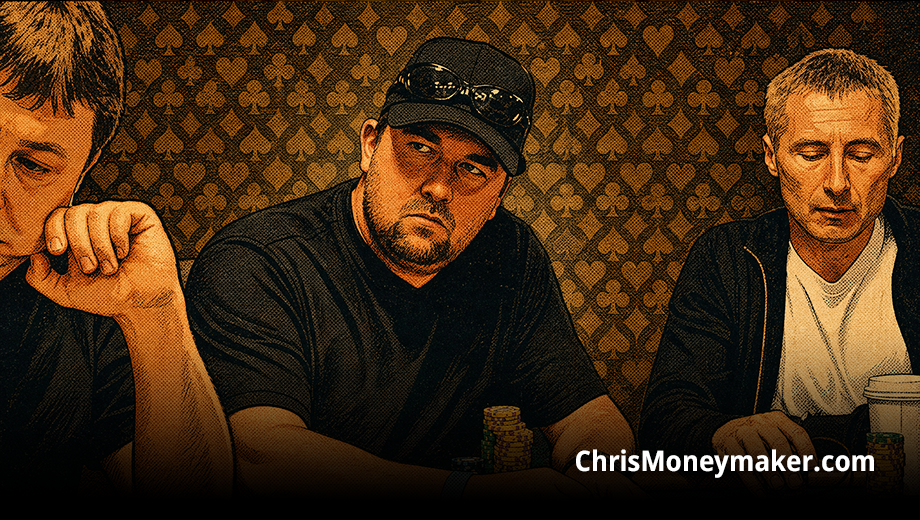

A WSOP tournament day starts around noon and can run until well past midnight. Then you do it again the next day. And the day after that. Las Vegas makes it easy to stay up until 4am. The casinos are open. The lights don’t change. There’s no natural signal telling you to stop. If you don’t manage sleep deliberately, the city will manage it for you — and not in your favor.
I’ve played the Main Event every year since 2003. Over that time I’ve figured out what works and what doesn’t when it comes to sleep during a deep run. None of it is complicated. Most of it gets ignored anyway.
The Problem With Poker Player Hours
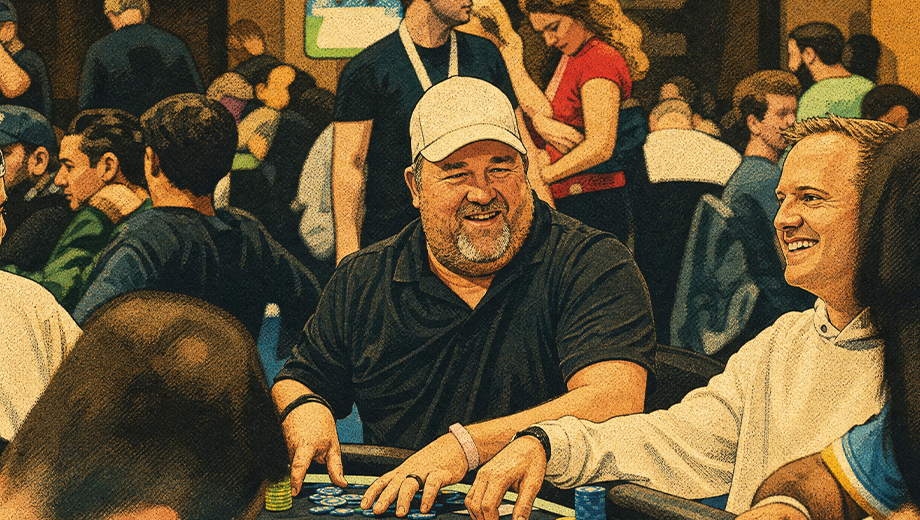
My home schedule is early. Kids will do that to you — when they were younger, 6am was a wake-up call whether I wanted it or not. On the road, without that external schedule, I can drift easily onto poker player hours: up at noon, playing until 3am, in bed by 4. That rhythm works fine for cash games on a long trip. It does not work for a tournament with a noon start time the next day.
The WSOP Main Event doesn’t care what time zone your body is on. It starts when it starts. If you stay up celebrating a good Day 1 bag, or commiserating over a tough exit spot, or just wandering around the casino because the energy is up and it feels early — you’re borrowing against tomorrow. And tomorrow matters more than tonight does.
At the WSOP, Day 2 is where things get real. The field has thinned. The reads start to matter. The spots you missed because you were running on five hours of sleep are the ones that cost you a deep run. Not the bad beats. The fatigue.
What I Actually Do
The rule I try to stick to during a deep run: off the casino floor within an hour of bagging chips for the day. Not at the bar rehashing hands. Not watching someone else’s cash game. Off the floor and in the direction of sleep.
Poker players are social. Finishing a day with a good stack is the kind of thing you want to talk about. I get it. But there’s a version of that conversation that takes twenty minutes and a version that takes four hours, and they tend to produce the same information. The short version is fine. The long version is a tax you pay the next morning.
I go to the gym before I play when I can. At home I like to get a workout in early. On the road, if the tournament starts at noon, that means early morning — which means going to bed at a time that makes early morning possible. The gym before poker is one of those things that sounds optional and isn’t. It’s not about fitness. It’s about resetting the brain and burning off the stress from the day before.
What Las Vegas Will Do to You If You Let It
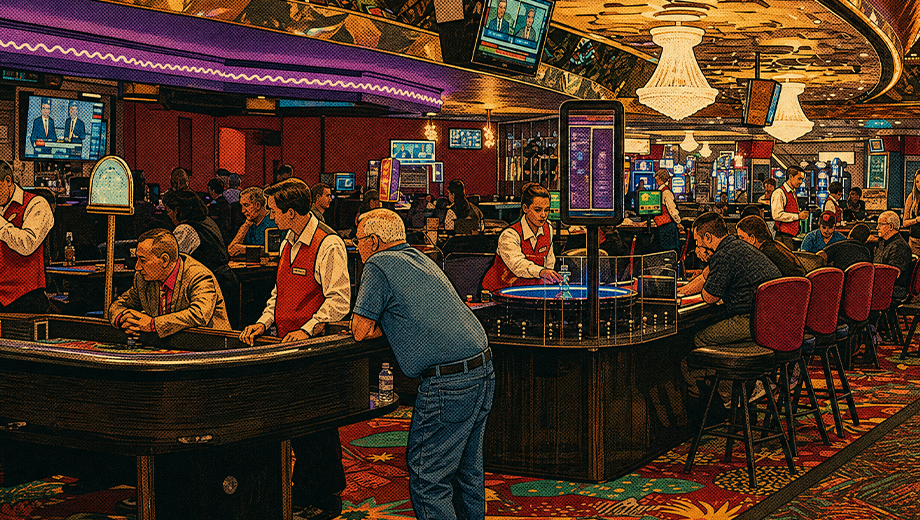
Las Vegas is the best place in the world to not sleep. The casinos have no clocks, no windows, no ambient light that tells you it’s 3am. The action is the same at midnight as it is at noon. People are drinking, celebrating, tilting, running — and all of it is visible and audible from wherever you’re sitting.
There’s also the specific Vegas trap of the post-tournament night out. You’ve played ten hours of poker, your brain is fired up, you’re either riding a good session or trying to shake a bad one — and the city offers about forty immediate solutions, none of which involve sleep. Drinks at the bar. The casino floor. Another table. A late dinner that turns into a late everything.
I’ve fallen into this. Most players have. The issue isn’t one late night — it’s that late nights compound. One bad sleep you can manage. Three bad sleeps in a row during a WSOP run and you’re making decisions at the table that you’d never make rested. The hands start to blur. The reads stop coming. You find yourself calling a river bet on feel because you’re too tired to actually think through the range.

The Practical Version
A few things that actually help during a multi-day tournament run:
Eat real food before a playing day. Casino food is convenient and almost entirely bad. The combination of a big sugar or carb meal before a long session and a mid-afternoon slump is predictable and avoidable. I eat something with actual protein before I sit down — not a burger from the casino food court at 11:45am on the way to my seat.
Drink water at the table. Not because hydration is some kind of performance hack — because dehydration in an air-conditioned room over ten hours will make you feel exhausted and foggy in a way that’s easy to mistake for fatigue. Most people at a WSOP table are running on coffee and not enough water. That’s a slow drag on decision-making that accumulates over hours.
Between levels, step outside if you can. The WSOP is in Las Vegas in summer. It is very hot outside and that is fine — five minutes of actual sunlight and fresh air during a break does more for alertness than another cup of coffee. Not for long. Just enough to reset.
And when the day ends, actually end it. The debriefs, the celebrating, the replaying of hands — keep it short. The tournament doesn’t care how well you slept last night. It cares about how well you play tomorrow. Check the WSOP Schedule for your next day’s start time before you go out, set your alarm, and treat the sleep like it’s part of the preparation — because it is.
The Thing Nobody Talks About
Sleep deprivation in poker gets discussed as a lifestyle thing. What it actually is, is a decision-making impairment. The same way tilt affects your judgment — the short-circuit that happens when emotion overrides logic — exhaustion does a slower, quieter version of the same thing. You stop finding the right fold. The big calls that made sense at 2pm don’t make sense at midnight when you’ve been at the table for twelve hours and your brain is running on fumes.
The players who go deep in long tournaments are usually the ones managing their energy, not just their chips. Those two things are connected. You can’t play your best poker when you’re exhausted. It doesn’t matter how good your reads are or how solid your strategy is — if the hardware is running slow, the software doesn’t matter.
Sleep isn’t glamorous. Nobody tells a story about the time they went to bed at a reasonable hour and played great poker the next day. But those stories exist. They just don’t get told at the bar at 2am.
Frequently Asked Questions
How long are WSOP tournament days?
WSOP tournament days typically start around noon and run until the day’s chip bagging is complete, which can be anywhere from 10pm to well past midnight depending on the structure and how many hands remain in the level. Players in a deep run can spend 10–12 hours at the table in a single day across multiple consecutive days.
How does sleep affect poker performance?
Sleep deprivation impairs decision-making in poker the same way tilt does — it causes players to miss reads, call incorrectly, and make emotional decisions instead of logical ones. After multiple poor nights of sleep during a tournament run, judgment deteriorates noticeably. The effect is cumulative: one bad night is manageable, three in a row during a WSOP run will cost you spots you’d make rested.
What should poker players eat during a WSOP tournament?
Poker players at the WSOP should avoid heavy carb or sugar-heavy meals before long tournament sessions, which cause energy crashes mid-afternoon. Eating something with protein before sitting down and staying hydrated throughout the day helps maintain focus across a 10-hour session. Casino food court meals right before play are convenient but tend to work against sustained concentration.
How do poker pros stay focused during long tournament days?
Experienced poker players manage focus during long tournament days through sleep discipline the night before, eating properly before sitting down, staying hydrated at the table, and using breaks to step outside briefly rather than staying in the casino environment. Moneymaker also exercises before play when possible — not for fitness, but to clear the mental residue from the previous day’s session.
Why is it hard to sleep well during the WSOP in Las Vegas?
Las Vegas casinos are deliberately designed without clocks or natural light, making it difficult to gauge time and easy to stay active well past midnight. After a long tournament day, adrenaline, social pressure, and the constant availability of activity in Vegas combine to work against early sleep. Players often stay up replaying hands, socializing, or drifting to the casino floor — all of which compound fatigue over a multi-day run.
Does Chris Moneymaker exercise during WSOP tournament weeks?
Yes. Moneymaker tries to get a workout in before tournament play when possible. He has a habit of going to the gym in the morning at home and tries to maintain that on the road. The purpose isn’t fitness maintenance during tournament week — it’s mental reset. Physical activity before a long poker session helps clear mental residue from the previous day and improves focus at the table.