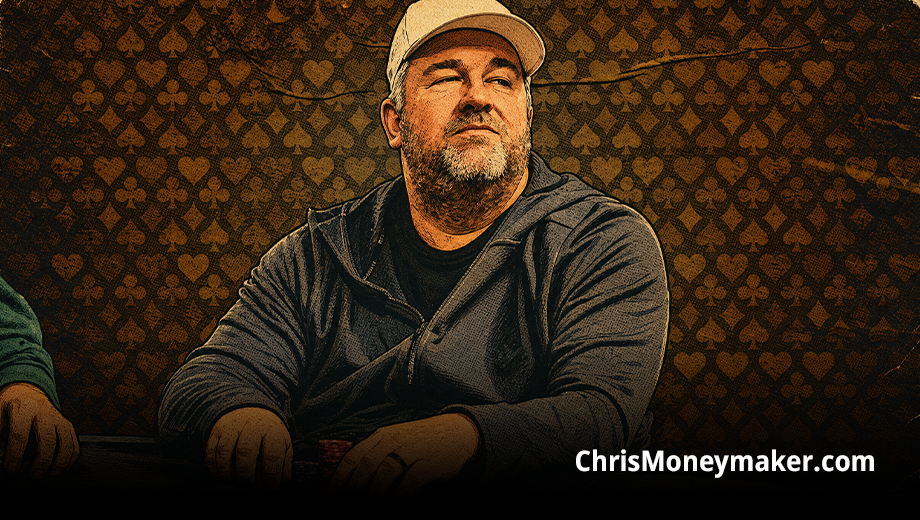

Day 1 of the WSOP Main Event bores me. Always has. The stacks are deep, the levels are long, and most of the table is just trying not to do anything stupid. That’s fine. That’s actually the opportunity.
When I sit down at a soft table early in a tournament, I’m not looking to run big bluffs or force action. I’m looking to identify who’s giving away chips without knowing it — and make sure I’m the one in position to collect them. The approach isn’t complicated. It just requires patience and about twenty minutes of paying attention before you play a hand.
The First Thing I Do When I Sit Down
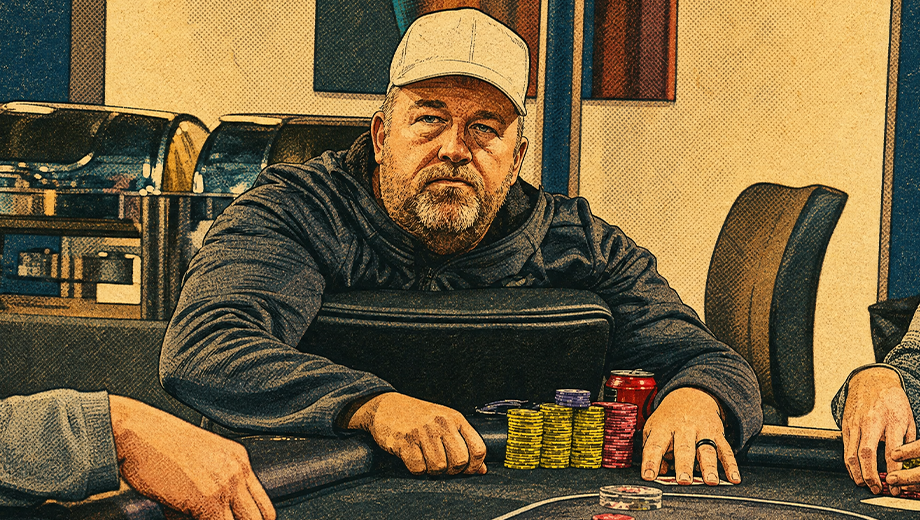
I fold. Repeatedly. Not because I’m waiting for Aces — because I’m watching.
Every hand I’m not in is information. Who opens wide from early position? Who only plays premiums? Who calls too much preflop and then doesn’t know what to do on the flop? Who bets with no conviction — small, apologetic bets that are basically begging you to raise them? That last type is the most profitable player at any soft table. They telegraph weakness every time they’re unsure.
In 2003, I did this without knowing it was a strategy. I just folded and watched. When cards were shown at showdown, I checked whether my read was right. Most of the time it was. It’s not complicated — it’s observation. The same skill that works at a poker table works everywhere. You just have to actually do it instead of staring at your phone between hands.
Who I’m Looking For at a Soft Table
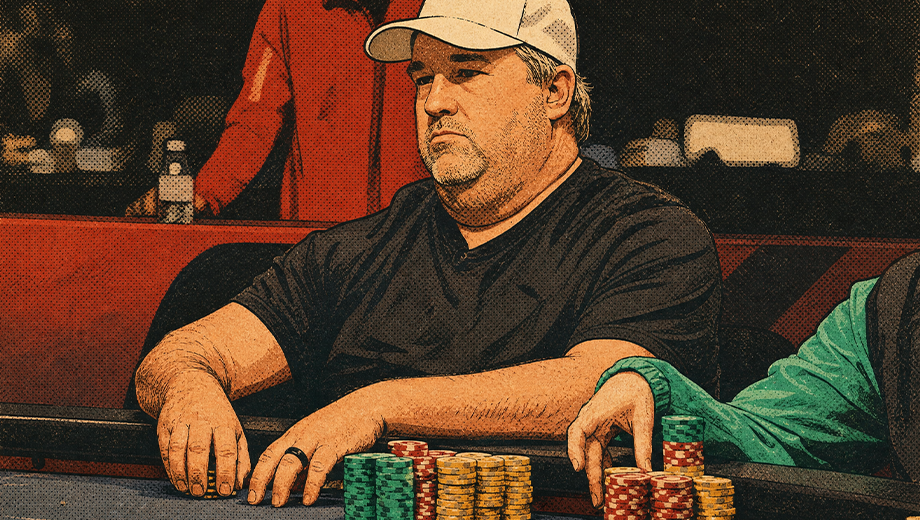
There are a few player types that stand out quickly at a Day 1 field.
The Satellite Winner Playing Scared
They qualified for $86 or $500 and they’re terrified of busting. Every decision they make is about survival, not accumulation. They’ll fold the turn with the best hand because the pot got too big. They’ll check-call instead of check-raising because they don’t want confrontation. These players are handing you their chips slowly — you just have to apply consistent pressure with position and reasonable bet sizing. They fold more than they should. Let them.
The Recreational Player Who Came to Gamble
The opposite problem. They want action. They’ll call three streets with a weak pair because they paid $10,000 and they’re going to play poker. These players aren’t scared — they’re loose. Against them, you value bet relentlessly with strong hands and avoid bluffing entirely. They don’t fold. Don’t try to make them fold. Make them pay to see your made hands.
The Overconfident Online Player
They’ve played a million hands online and they know it. They’ll open too wide, continuation bet too often, and get frustrated when their standard lines don’t work on a live field that doesn’t respond the way their database says it should. These players are beatable with patience — let them spew into you, don’t run fancy bluffs against them, and wait for spots where you have a genuine edge.
How I Actually Build Chips Early
The first real lever is position. I’m much more active in late position than early position at soft tables. Not because I’m playing a wider range — because my decisions are easier with information. I can see what the table does before I act. I can call a raise in position with a hand I’d fold out of position, because I know I’ll have a chance to take the pot away on a later street if the board is right.
The second lever is bet sizing. At soft tables, people respond to bet sizes more than they respond to ranges. A two-thirds pot bet looks scary. A half-pot bet looks manageable. A small bet on the flop gets called by almost everything. If I have a strong hand and I want action, I size down. If I want to take the pot uncontested, I size up. Neither of these is complicated — but most players at a soft table aren’t thinking about it at all.
The third lever is targeting. I’m not looking to play every hand. I’m looking to play hands against the right players. The scared satellite qualifier in the big blind is a better target for a steal from the cutoff than the recreational gambler who calls everything. I pick my spots based on who I’m up against, not just on my cards.
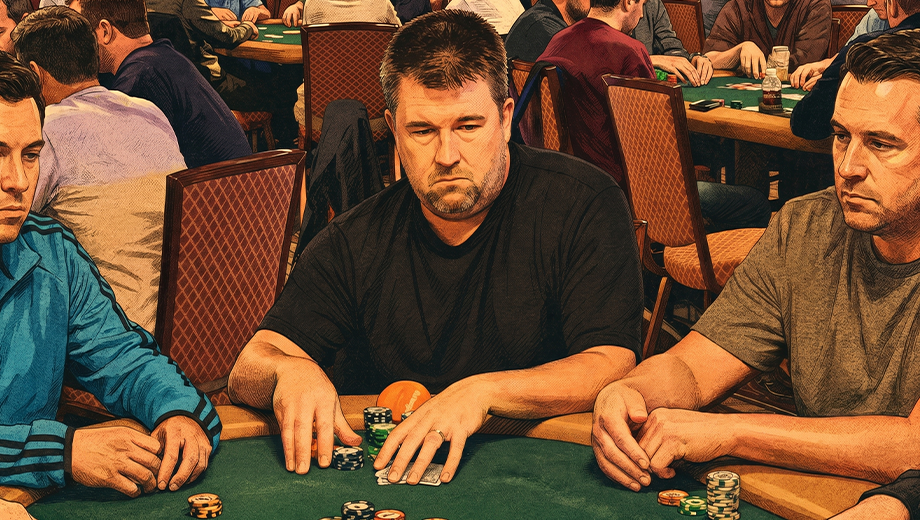
What I Don’t Do
I don’t try to outthink a table that isn’t thinking. Fancy plays — delayed c-bets, weird polarized lines, triple barrel bluffs — these don’t work against players who are calling on feel rather than logic. Against soft fields, the money is in straightforward poker. Make strong hands, bet them for value, fold when you’re beat, and let the table make mistakes on its own schedule.
I also don’t try to accumulate chips at any cost early in the Main Event. The goal on Day 1 isn’t to double up. It’s to bag above average and still have energy on Day 2. I’ve seen players go crazy on Day 1 chasing pots they didn’t need and burn out before the field thins enough to matter. Patience is the play. Day 1 bores me, but boring is fine when boring means I bag 80,000 chips and come back the next morning.
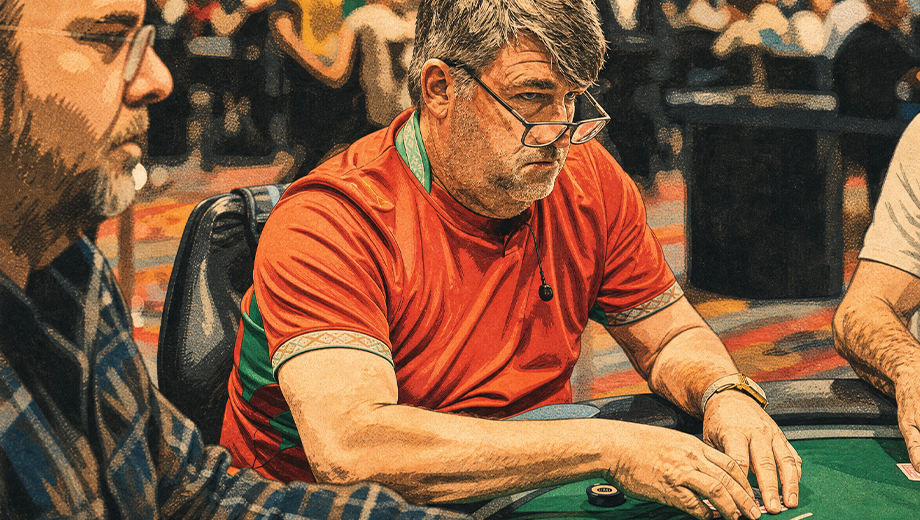
The Read That Matters Most
Every table has a player who has chips and doesn’t want to risk them. They got lucky early, they have a big stack relative to the field, and now they’re in protect mode. That player is more exploitable than anyone else at the table — because they’ll fold to pressure that a shorter stack simply can’t afford to fold to.
Find that player by Day 2. Apply pressure in spots where they’re forced to make a decision for a significant portion of their stack. They’ll fold a lot. When they do call, adjust. But in my experience, the big stack playing scared folds more than they should — and that’s where a large part of my Day 2 accumulation comes from.
It’s not rocket science. It’s simple observation. The WSOP Schedule runs events at every level — if you’re heading into your first Main Event or your tenth, the fundamentals at a soft table don’t change. Watch first. Play second. Let the table tell you where the money is.
Frequently Asked Questions
What does “soft table” mean in poker?
A soft table in poker refers to a table where most players are weaker, less experienced, or making frequent strategic mistakes. In the WSOP Main Event, Day 1 fields often include recreational players, satellite qualifiers, and amateurs mixed in with professionals — creating soft table conditions that experienced players actively look to exploit.
How should you play Day 1 of the WSOP Main Event?
On Day 1 of the WSOP Main Event, the priority is observation and chip accumulation without unnecessary risk. Fold early, watch how players at your table behave, identify the weakest spots, and build chips gradually using position and bet sizing rather than big bluffs. The goal is to bag above average and return for Day 2 with energy and chips intact.
How do you read players at a poker table?
Reading players at a poker table starts with watching hands you’re not in. Pay attention to who opens wide, who only plays strong hands, who bets without conviction, and who calls too much preflop. When hands go to showdown, check whether your read was accurate. Over time this builds a picture of each player’s tendencies — and those tendencies are where profit comes from.
What is the best strategy against recreational poker players?
Against recreational players who call too much, the best strategy is straightforward value betting — make strong hands, bet them for value across multiple streets, and avoid bluffing. Recreational players call on feel rather than logic, so complex bluffing lines waste chips. Let them pay to see your made hands and avoid trying to outthink players who aren’t thinking in ranges.
How important is position in tournament poker?
Position is one of the most important factors in tournament poker. Acting after your opponents means you have more information before making a decision — you can see whether they check, bet, or raise before committing chips. At soft tables especially, position makes marginal hands playable and gives you control over pot size. Playing more hands in late position and fewer in early position is one of the simplest adjustments a player can make.
What is Chris Moneymaker’s approach to early tournament play?
Moneymaker’s early tournament approach is built on observation before aggression. He folds frequently in the early levels to gather reads on every player at his table, then uses position and bet sizing to exploit the weakest players — particularly scared satellite qualifiers who fold too much and recreational players who call too much. He avoids complex bluffs against soft fields and focuses on straightforward value accumulation.