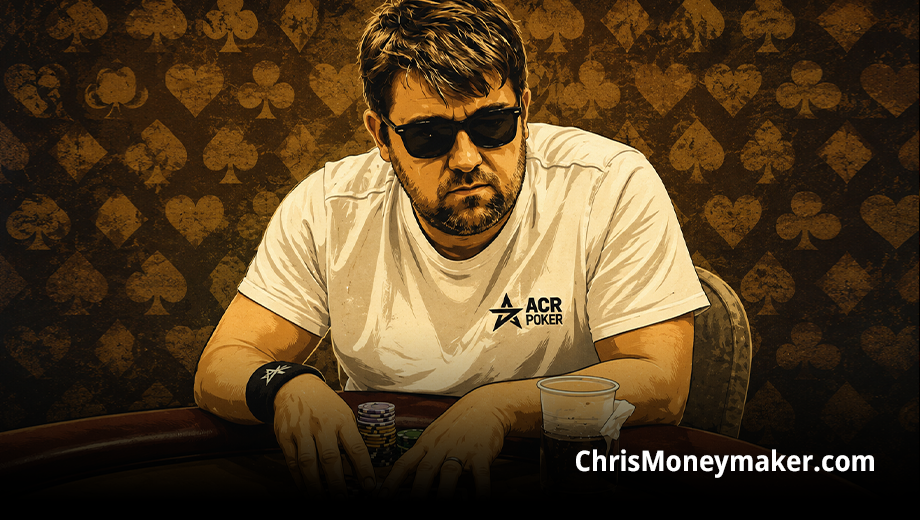

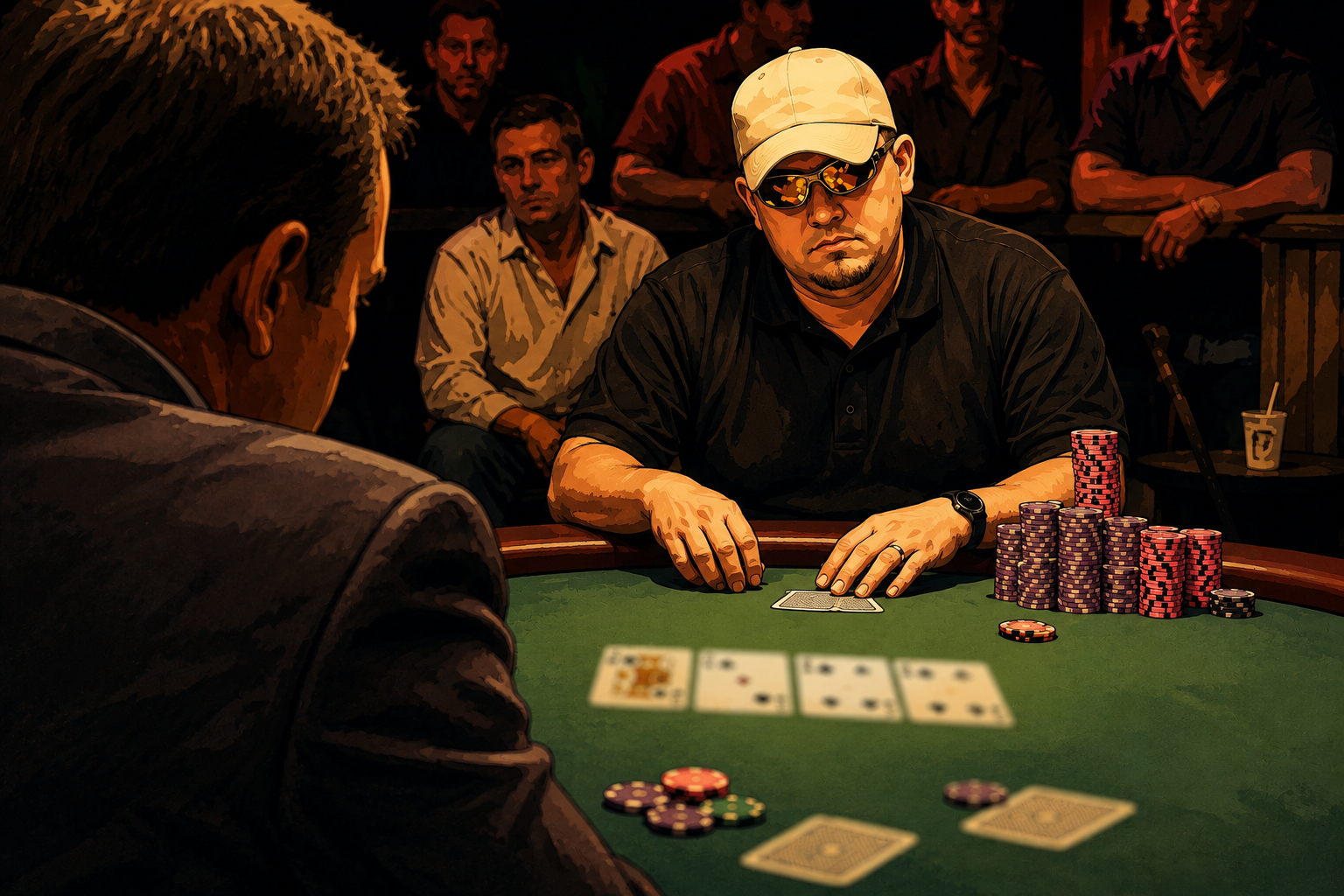
It was around four in the morning at Binion’s, deep into a hand that ended up teaching me more than most of the tournament combined. I looked across the table at a young guy with a big stack of chips. I had no idea who he was. Later I’d find out his name was Phil Ivey, and that people who knew a lot more about poker than I did already considered him the best player alive. I didn’t know any of that sitting there. I just knew I had Ace-Queen, the board read Queen-Queen-Six, and I didn’t feel like folding.
The Hand Nobody Warned Me About
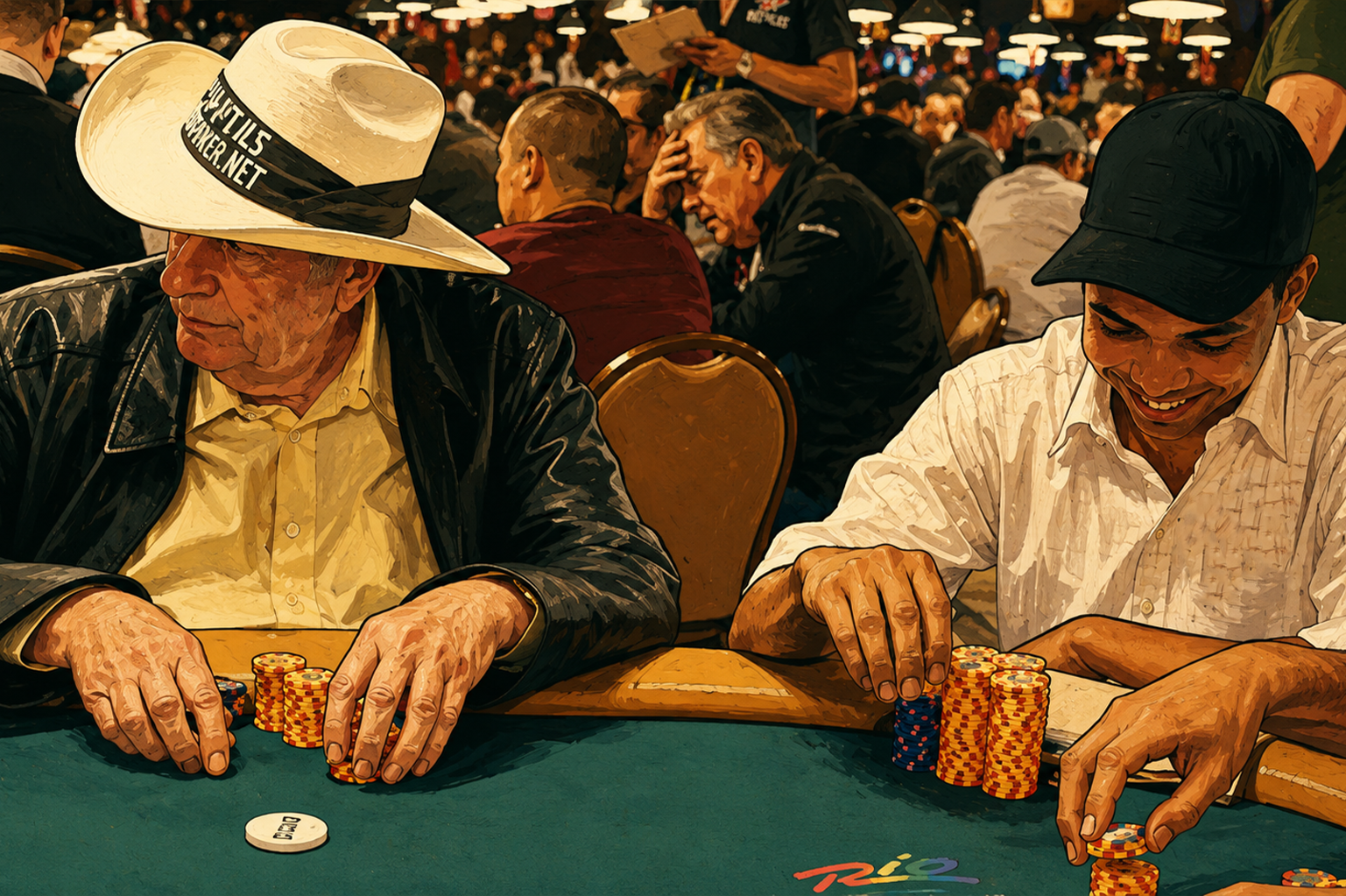
Of the 839 players in the 2003 Main Event, I could actually name three of them before I sat down: Phil Hellmuth, because of the bracelet count, Doyle Brunson, and Johnny Chan — mostly from Rounders. Everyone else was just a face and a chip stack. That included Ivey.
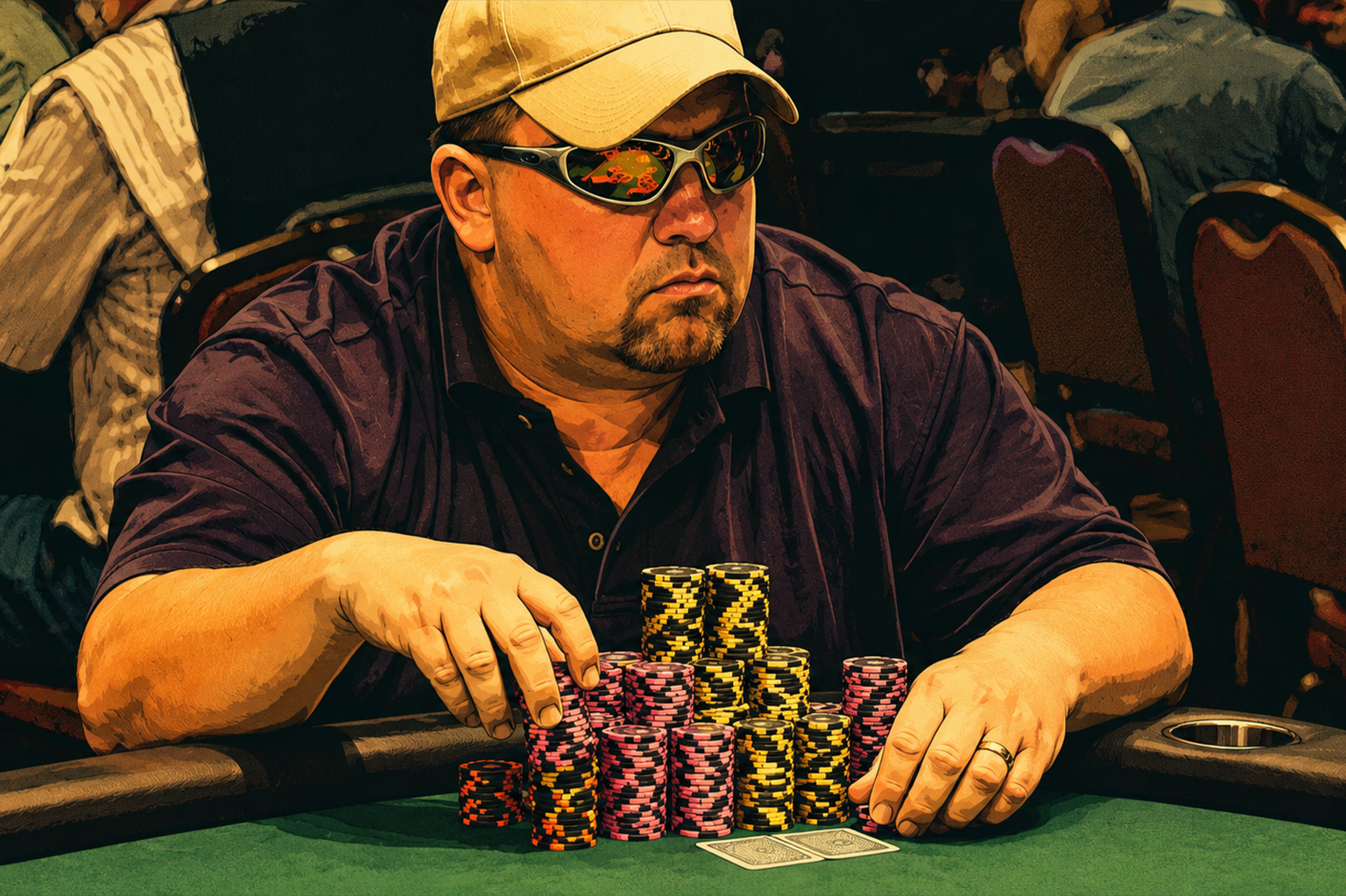
By the time the hand happened, he had somewhere around 500,000 chips. I had about 1.5 million. I had Ace-Queen and flopped trip queens. He had pocket nines and hit a full house on the turn. I called his all-in anyway and won the hand. I didn’t think much more about it until later, when people started telling me exactly who I’d just played a pot against.
The Part Nobody Talks About
The List I Didn’t Take Seriously Enough
PokerStars had a guy, Dan Goldman, who handed me a sheet every morning with players to watch out for. Ivey’s name was on it. I remember glancing at it and not thinking much of it — I had no frame of reference for what that name was supposed to mean. I wasn’t being brave. I just didn’t know enough to be scared.
What I Actually Saw
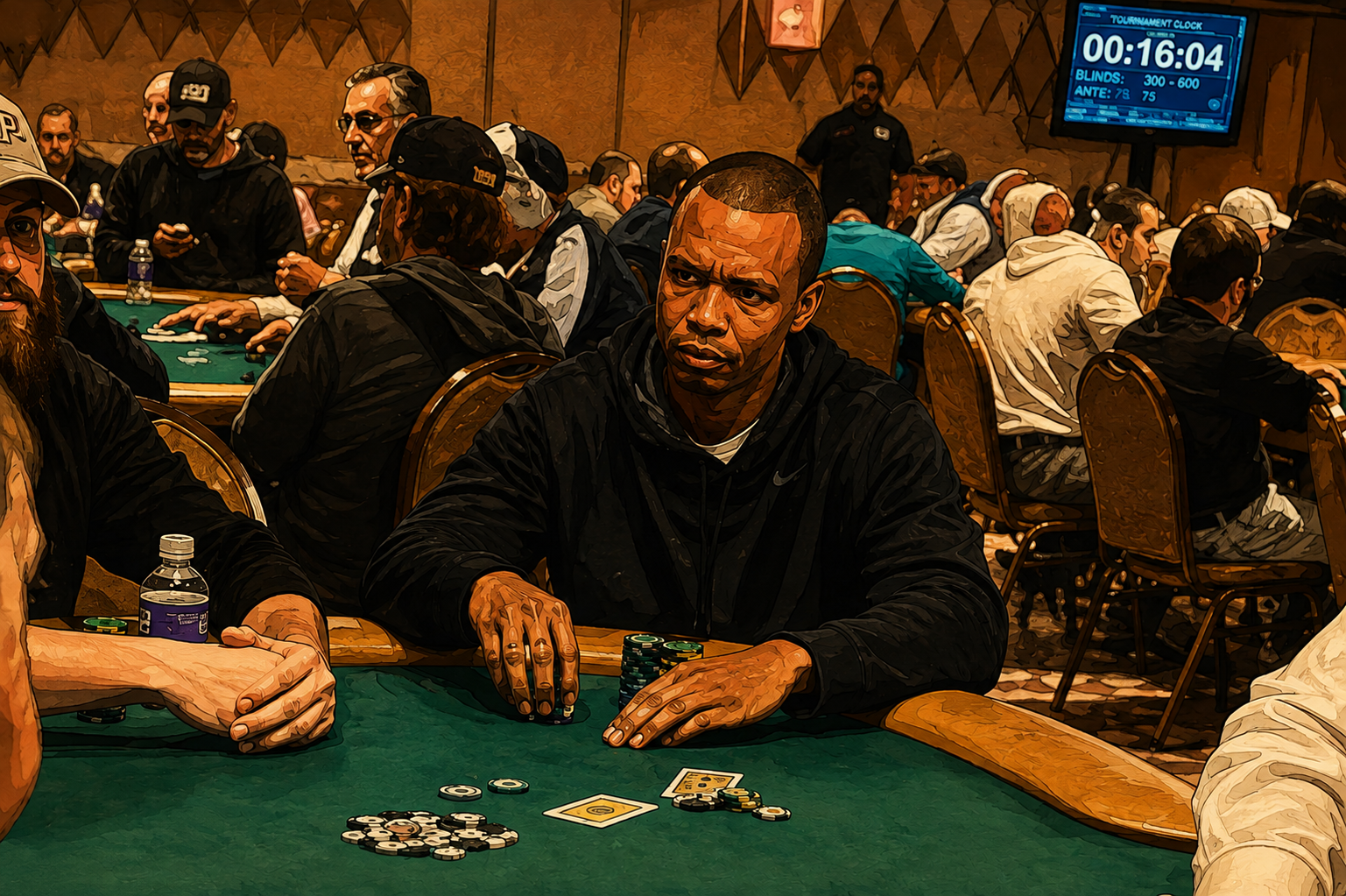
When I looked over and saw him, here’s exactly what registered: a young guy with a big stack of chips. Not a legend. Not a threat. Just a stack. I’ve described it the same way ever since: “I only knew three players: Phil Hellmuth, Doyle Brunson, and Johnny Chan. When I saw Phil Ivey, I saw a young Black kid with chips. He didn’t scare me.”
What Not Knowing Anything Actually Did For Me
People like to frame ignorance as a weakness. In that spot, it was the opposite. If I’d known what everyone else at that table knew about Ivey, I might have played that hand completely differently — tighter, more careful, maybe folded something I ended up winning with. Not knowing his reputation meant I was only playing the cards and the read in front of me, not the name attached to them.
That’s stuck with me more than almost anything else from that run. It’s not rocket science. It’s simple observation. The chips in front of a guy tell you as much as any reputation does, if you’re actually willing to look at them instead of the name.
How I Actually Learned to Read a Table
The method I use today isn’t complicated, and it wasn’t complicated in 2003 either. When I fold a hand, I watch the rest of it play out and try to guess what everyone’s holding. When hands get shown down, I check myself against the result. Right or wrong, I’ve learned something. Do that for six, eight, ten hours a day, and by the second or third day of a tournament you know more about the table than most of the people sitting at it.
Why 2003 Made It Easier
Ranges back then were narrow. A preflop 3-bet meant Jacks or better, or Ace-King. A 4-bet meant Kings or Aces. There wasn’t much guessing involved once you had that baseline — reading someone was almost mechanical if you paid attention. That’s part of why not knowing who Ivey was actually helped. I wasn’t reading a reputation. I was reading a bet size against a board.
What’s Changed Since
An 18-year-old kid today can have more experience than Doyle Brunson got in his entire life — in six months. The game’s harder to read now because the players are so much better educated than they were then. But the underlying skill — watching, guessing, checking yourself against what actually happened — hasn’t changed at all.
I still play against Ivey now and then, different rooms, different stakes, a lot more respect on my side of the table once I actually knew who he was. But I still think about that first hand the way I think about most of that run: I got away with something because I didn’t know enough to be scared of it. Turns out that’s not a bad way to play a hand. Or a tournament.
Frequently Asked Questions
Who is the player Chris Moneymaker says taught him the most at the WSOP?
Chris Moneymaker points to Phil Ivey, whom he played a pivotal hand against during the 2003 WSOP Main Event. At the time, Moneymaker didn’t recognize Ivey or know his reputation, which shaped how he approached the hand and what he took from it afterward.
What happened in the hand between Chris Moneymaker and Phil Ivey at the 2003 WSOP?
Moneymaker held Ace-Queen and flopped trip queens on a Queen-Queen-Six board. Ivey held pocket nines and hit a full house on the turn. Moneymaker called Ivey’s all-in and won the hand, which became one of the defining moments of his Main Event run.
Did Chris Moneymaker know who Phil Ivey was during the 2003 Main Event?
No. Moneymaker has said he only recognized three players going into the tournament: Phil Hellmuth, Doyle Brunson, and Johnny Chan. When he saw Ivey, he just saw a player with a big chip stack, not someone already regarded as one of the best in the world.
How does Chris Moneymaker read opponents at the poker table?
He watches hands play out even after he folds, guesses what each player is holding, and checks himself against the result at showdown. Repeated over hours and days, that habit builds a clear picture of the table without relying on reputation or assumptions.
Why was reading players easier in 2003 than it is today?
Betting ranges in 2003 were much narrower — a preflop 3-bet typically meant Jacks or better, and a 4-bet meant Kings or Aces. That predictability made reads more mechanical. Today’s players study far more extensively, which makes ranges wider and reads harder to pin down.
Has Chris Moneymaker played against Phil Ivey since 2003?
Yes. Moneymaker has faced Ivey in various rooms and stakes over the years since their 2003 Main Event hand, though with a very different level of awareness of exactly who he’s sitting across from.