

The WSOP runs for about seven weeks. My first few years, I treated every single one of those days like it might be the day I needed to play. That’s the fastest way to burn out I know of, and I learned it the hard way more than once before I figured out how to actually survive the series instead of just getting through it.
Vegas doesn’t care what time it is. There’s a tournament starting somewhere and a cash game running somewhere else at every hour of every day for almost two months straight. The city is built to keep you at the table. Surviving it has less to do with poker skill and everything to do with pacing.
The Mistake Everyone Makes Early
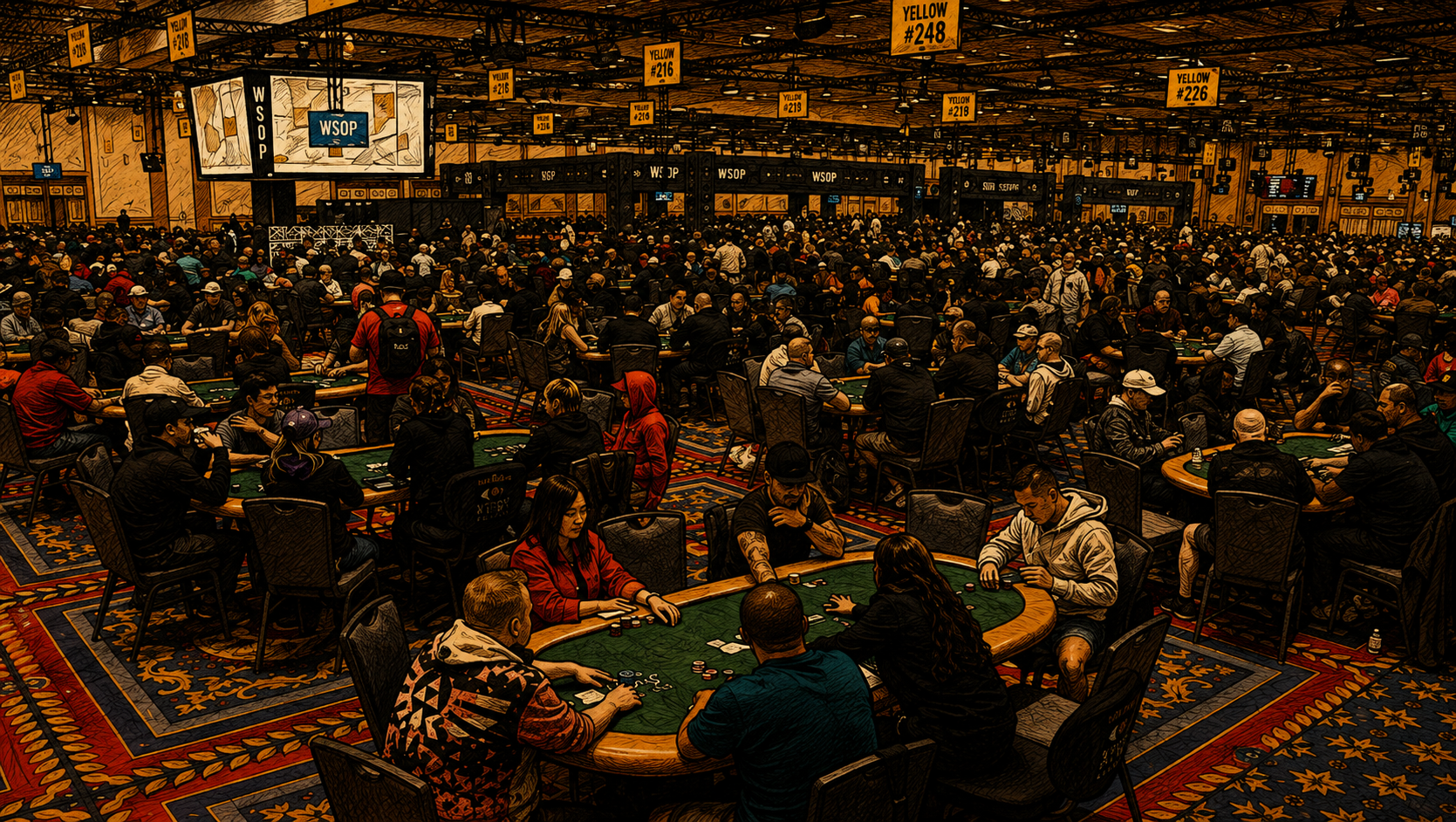
New players show up for the series thinking more volume is always better. Play every event, grind every night, sleep whenever there’s a gap. It works for about a week. Then the decisions start getting worse, the tilt gets harder to shake off, and the same players who were sharp on Day 1 of the series are making mistakes by Day 20 that they’d never make rested.
I did this myself early on. I treated the series like a sprint instead of what it actually is — closer to seven weeks of a job with no scheduled days off unless you take them yourself. Nobody hands you a rest day at the WSOP. You have to actually decide to take one, and most people don’t.
The Two Traps That Cost People the Most
Playing Every Side Game That’s Offered
Between events there’s always a cash game running, and it’s always tempting. The problem is that a bad session in a cash game between tournaments can wreck your bankroll and your headspace before your next event even starts. I’ve watched players bust a tournament, sit down in a cash game to “win it back,” and dig the hole twice as deep. The tournament loss was the cost of doing business. The cash game chase was the actual mistake.
Ignoring the Clock on Your Own Energy
Six or seven weeks is a long time to be sharp. I’ve learned to actually track how I feel, not just how my results look. If I’m irritated at bad beats that wouldn’t normally bother me, that’s a signal, not a mood. It means I need actual rest, not another buy-in.
Underestimating the Room Itself
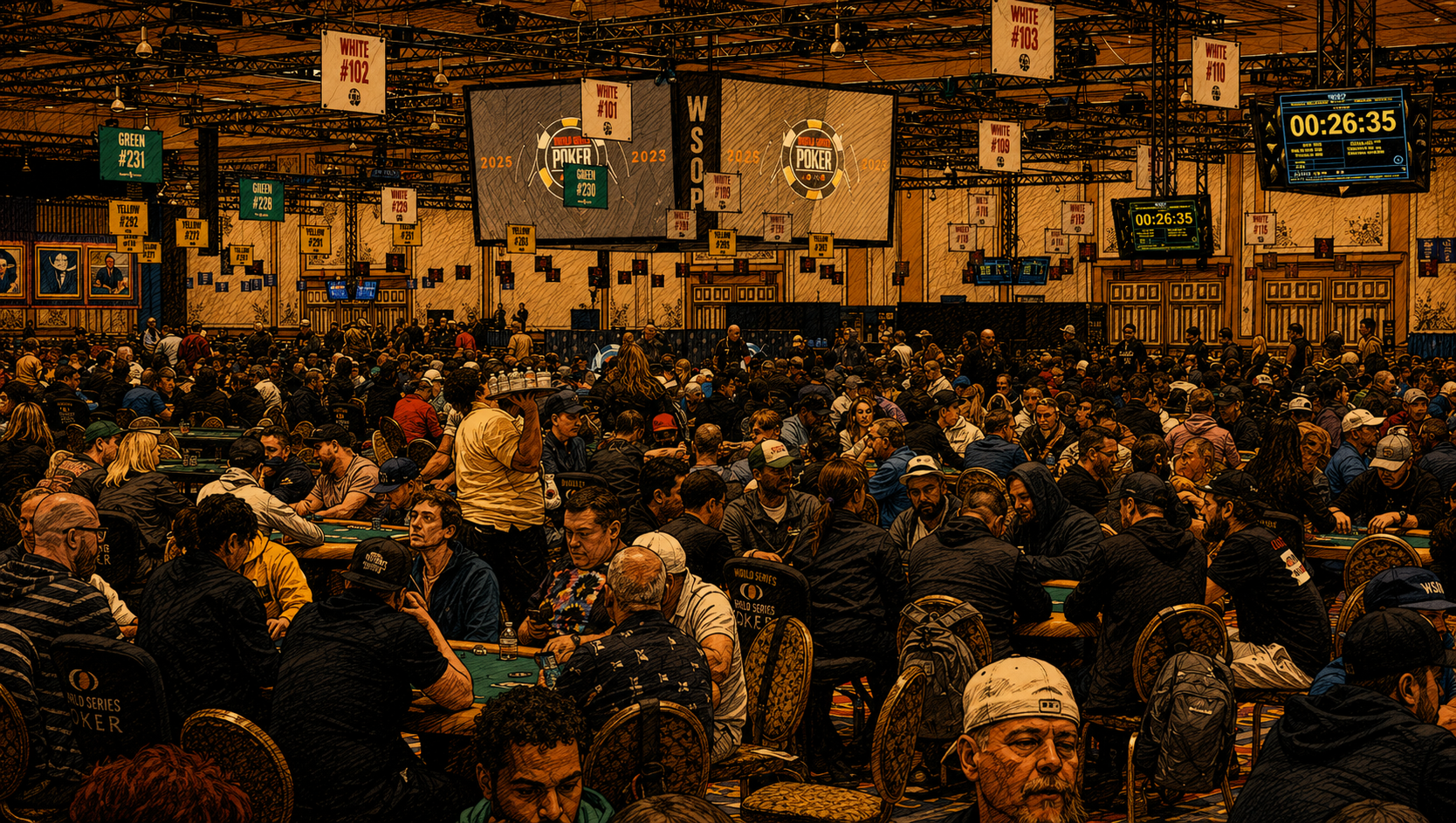
The rooms are cold, the lighting never changes, and there’s no clock reminding you it’s 4 a.m. It’s easy to lose track of how many hours you’ve actually been sitting there, and dehydration sneaks up faster than people expect in that kind of air conditioning. Water and actual meals sound like small things until you realize half the bad decisions late in a session come from a body that’s running on coffee and adrenaline instead of anything useful.
What Actually Keeps You Sane for Seven Weeks
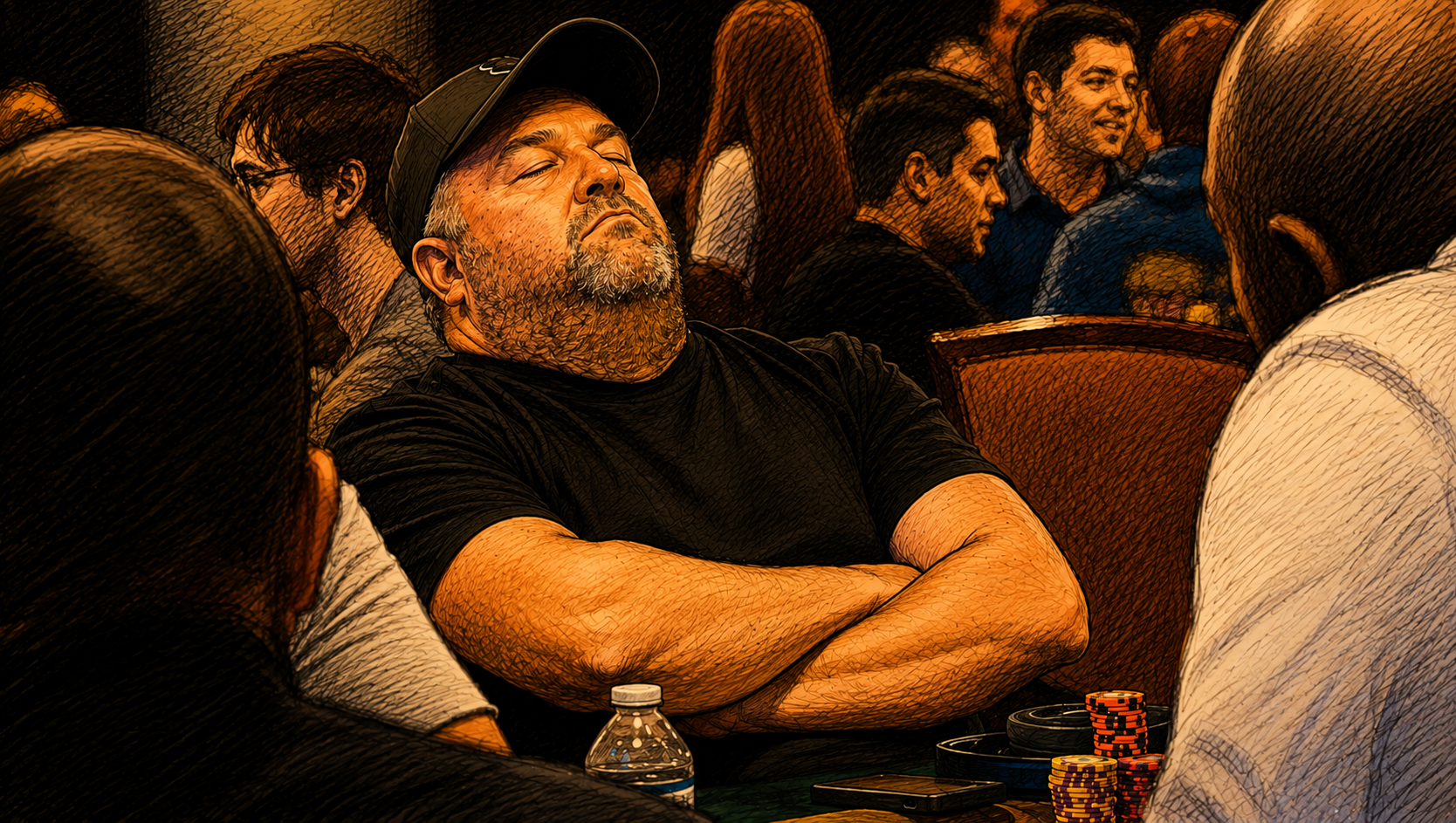
Poker is about controlling your emotions and how those emotions affect your decisions. That doesn’t stop mattering just because you’re not at a final table — it matters just as much on a random Tuesday in week four of the series when you’re tired and cranky and still have three more events on the schedule that week.
The thought of leaving my family for half a year, or uprooting the whole household, stopped being appealing a long time ago. These days I build the series around staying connected to home, not around maximizing every possible hour at a table. That trade-off isn’t just about family — it’s about staying a person who can still make good decisions by week six.

How I Actually Structure a Series Now
I pick my events ahead of time instead of deciding day by day based on what’s running. That alone cuts out most of the impulse decisions that drain a bankroll and a schedule.
Building in Actual Off Days
I schedule days with no poker on the calendar the same way I’d schedule a tournament. If it’s not planned, it doesn’t happen, and I end up playing through exhaustion instead.
Treating Bankroll and Life Money as Separate
The line between “gambling money” and “the money that pays for everything else” has to stay clear the entire series, not just on paper. It’s an easy line to blur after a long day, which is exactly when it matters most.
None of this makes for a very exciting story. There’s no bluff in it, no bad beat, nothing anyone would put on a highlight reel. But it’s the actual difference between playing your best poker in week six of the series and playing your worst. Vegas will run for as long as you let it. The trick is deciding, on purpose, when you’re done for the day.
Frequently Asked Questions
How long does the WSOP series typically run?
The World Series of Poker runs for roughly seven weeks, with tournaments and cash games running nearly around the clock throughout that stretch in Las Vegas.
What is the biggest mistake players make during a long series like the WSOP?
Chris Moneymaker points to treating the series like a sprint rather than pacing it like a seven-week job, playing every available event and side game without building in rest.
Why does playing cash games between tournaments cause problems during the series?
Players often try to “win back” a tournament bust in a cash game, which can turn a manageable loss into a much bigger one and affect focus for the next event on the schedule.
How does Chris Moneymaker balance the WSOP series with family life?
He prioritizes staying connected to home over maximizing every hour at the table, noting that leaving his family for long stretches lost its appeal as his priorities shifted over the years.
What practical steps help players survive a long poker series?
Picking events ahead of time instead of day by day, scheduling actual off days, and keeping gambling money strictly separate from living expenses are the habits that make the biggest difference.