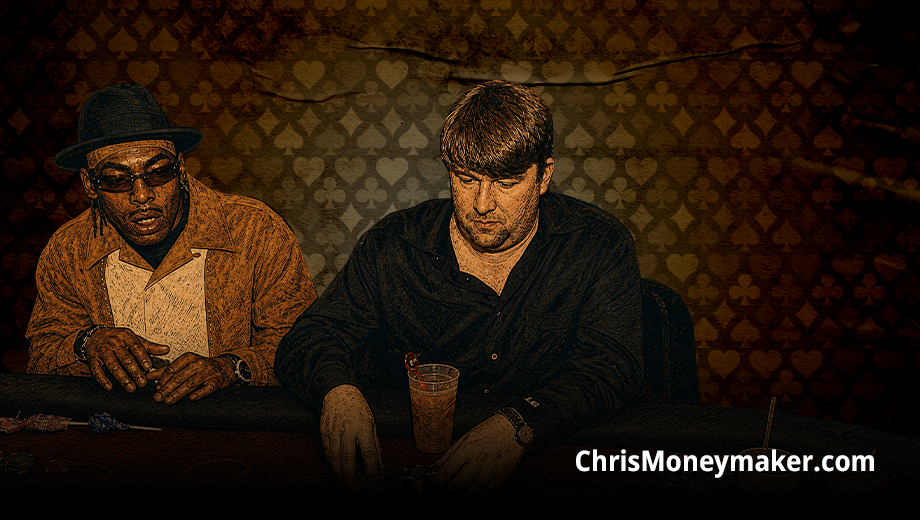

The first time I played through a money bubble, I didn’t know the word for what was happening. I just noticed something was off at my table — everyone had gone quiet, tight, careful. Nobody wanted to bust one spot short of the cash. I hadn’t read a book about it. I just kept betting, because nothing about my hands had changed and nothing about theirs seemed to be working in my favor to sit still either. That instinct — keep pushing when everyone else stops — is most of what I’d tell someone about exploiting recreational players early in a tournament like the Main Event.
It’s not complicated. It’s just paying attention to who’s actually playing and who’s just trying to survive.
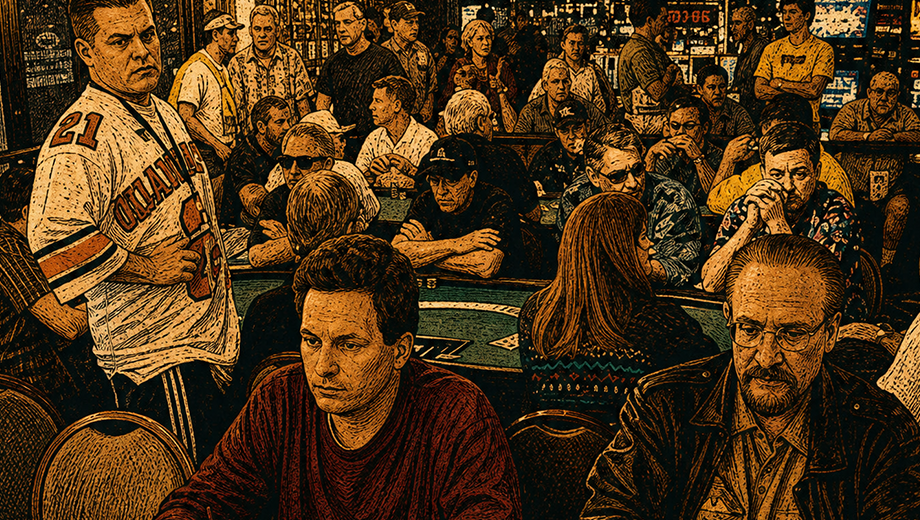
How Recreational Players Give Themselves Away
In 2003, ranges at the table were narrow enough that you could set your watch by them. A preflop 3-bet meant Jacks or better, or Ace-King. A 4-bet meant Kings or Aces — nothing else. That meant anyone who deviated from that pattern stood out fast. A player who min-raised into a big pot with a weird sizing, or limped a hand they should have raised, wasn’t running some deceptive line. They just didn’t know the going rate yet. That’s the tell. Not a twitch, not a stare — the bet itself.
The players I actually needed to worry about weren’t loud. They played close to the pattern, took their spots, didn’t offer information. The ones who gave me chips were the ones whose bets didn’t match the story they were trying to tell.

The Part Nobody Talks About
The Bubble Tell
Right around the money bubble, the room changes. Professionals adjust and keep applying pressure, because they know the cash isn’t the point — the final table is. Recreational players tighten up hard, because for a lot of them, making the money is the whole trip paying for itself. That gap is the widest edge in the tournament. I didn’t invent that. I just noticed it before I had a name for it, and I used it.
The Seat That Didn’t Fit
One player at my starting table had won his seat through an online drawing as a small-stakes limit player — fifty cents and a dollar, nothing close to a $10,000 buy-in. I picked him early as someone to play hands against, not because I had anything against him, but because he was going to make mistakes proportional to the level he was used to, and I needed an edge that didn’t depend on my own experience, which I didn’t have much of either.

Why You Don’t Pick Fights With the Good Ones
There were maybe three names I recognized walking into that room. Everyone else was a face with chips. What I understood without anyone explaining it to me: in a field that big, there are always going to be more people willing to give away their stack than people who are going to fight you for yours. Spend your energy on the first group. The good players will still be there later, and you’ll have more chips and more information by the time you have to deal with them.
It’s not rocket science. It’s simple observation.
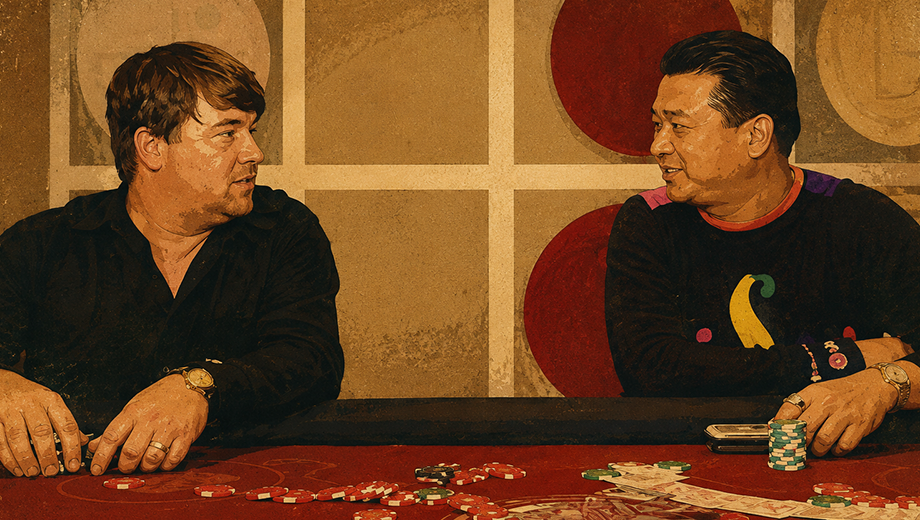
Recreational vs. Professional: What Separates Them Early
People treat “amateur” and “pro” like a skill gap you can measure in hand reading. Early in a tournament, it’s usually simpler than that — it’s about what each player is actually there for.
| Factor | Recreational Player | Professional Player |
|---|---|---|
| Goal near the bubble | Make the money, protect the trip | Build a stack for the final table |
| Bet sizing | Inconsistent, often tied to the hand’s story rather than the pot | Matches a pattern, gives away less |
| Reaction to pressure | Tightens up, avoids confrontation | Adjusts and keeps applying pressure |
| Information given away | High — plays their cards, not the situation | Low — plays the situation as much as the cards |
| Best way to play against them | Apply pressure, let them make the mistake | Avoid unnecessary confrontation, wait for a real edge |
None of that makes recreational players bad company at a table. It just tells you where the chips are actually going to come from.
I still play the Main Event every year with this in mind, working through the WSOP Schedule the same way I did in 2003 — find the softest spots first, save the hard decisions for later.
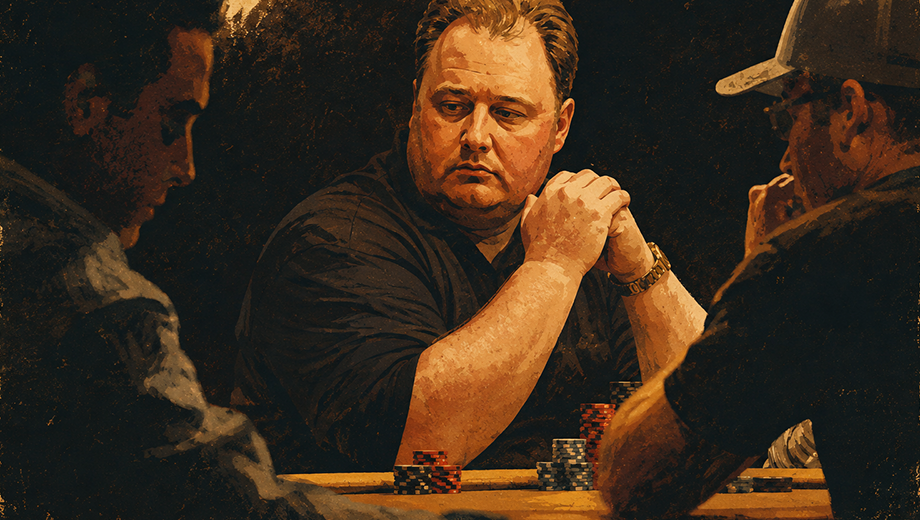
What I’d Actually Tell Someone to Do
Watch every hand, even the ones you’re not in. When you fold, don’t check out — try to guess what everyone else is holding, then check yourself against the showdown. Do that for six hours and you’ll know more about your table than most of the people sitting at it. It’s tedious. It’s also the whole method. More than anything else, it takes patience. Not getting too emotional. Not reacting to situations.
That’s it. There’s no secret system underneath it. Just watch closer than the other person is watching you.
Frequently Asked Questions
How can you identify a recreational player early in a WSOP tournament?
Look at bet sizing rather than behavior. In 2003, betting patterns were narrow and predictable, so a player whose sizing didn’t match the standard pattern — an odd min-raise, a limp with a strong hand — was usually giving away inexperience rather than running a deceptive line.
What is the “bubble tell” Chris Moneymaker refers to?
Near the money bubble, recreational players tend to tighten up sharply because cashing matters most to them, while stronger players keep applying pressure since the real goal is building a stack for the final table. That difference in priorities creates an exploitable edge.
Did Chris Moneymaker target specific players in the 2003 Main Event?
Yes. He identified a player at his starting table who had won his seat through an online drawing as a small-stakes limit player, and chose to play hands against him early rather than test himself against more experienced opponents first.
Why does Chris Moneymaker avoid confrontations with strong players early on?
In a large field, there are always more players willing to make mistakes than players who will fight hard for every pot. Spending energy on weaker opponents builds chips and information, while tough opponents can be dealt with later from a stronger position.
What method does Chris Moneymaker use to read opponents?
He watches every hand even after folding, tries to guess what each remaining player holds, and checks himself against the cards shown at showdown. Repeated over hours, this builds a detailed picture of the table without requiring any advanced study.
Is this approach to reading players still useful in today’s WSOP fields?
The specific betting patterns from 2003 have changed as players have gotten far more experienced, but the underlying principle — separating players by what they’re actually trying to accomplish, not just their skill level — still applies at every stage of a modern tournament.