

People think the hard part of the WSOP is one long day at the table. It’s not. The hard part is that it’s weeks — one event bleeding into the next, one late night turning into an early morning, for over a month straight if you’re playing a full schedule. Burning out isn’t a risk on Day 1. It’s a risk on day nineteen, when the swings and the sleep debt finally catch up to you at the same time.
Here’s how I actually get through the whole stretch, not just a single session.

The Gym Comes Before the Cards
At home I wake up around 6 or 7am, since having kids. On the road, I end up on poker player hours — bed around 6am, up in the afternoon. Either way, I try to get to the gym before I play. It’s not about looking a certain way. It’s about having something in the day that isn’t a poker decision, before you spend the next twelve hours making nothing but poker decisions.
Skip that part for a week straight and you’ll feel it. Not at the table — away from it, in how flat everything starts to feel.
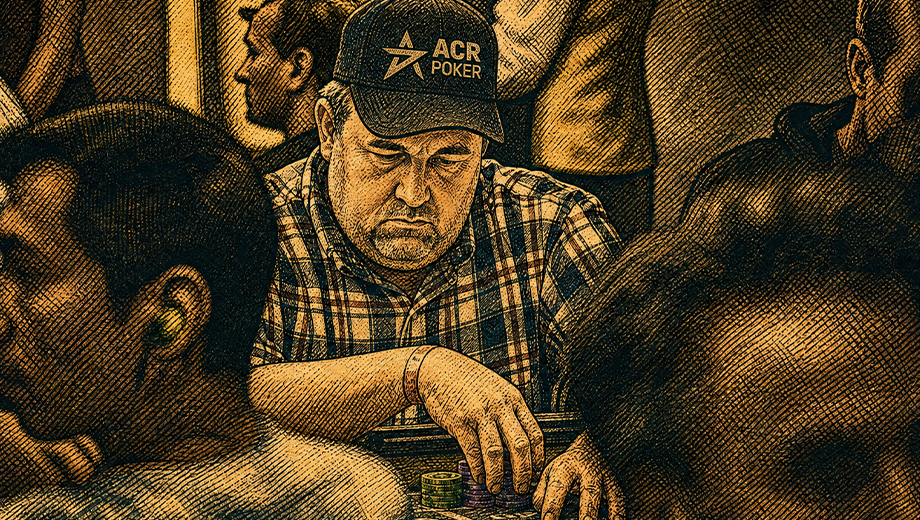
Managing the Hours You Can’t Control
Meditating at the Table
Between hands, I use the downtime to check out for a second — call it meditating at the table, we all know what it is. Thirty seconds with your eyes closed does more for a long day than people give it credit for.
The iPad Between Hands
On long days, I’ll play on my iPad or watch something between hands, just to give my brain somewhere else to be for a minute. The alternative is staring at the same nine exhausted faces for six hours straight, which wears you down faster than the actual poker does.
Short Memory, Long Tournament
The single most useful skill for surviving a stretch like this is patience — not getting too emotional, not reacting to situations. Take a bad beat, step away, calm down, come back with a short memory. A quarterback has to have a short memory. So does anyone trying to play their best on day fifteen of a series.
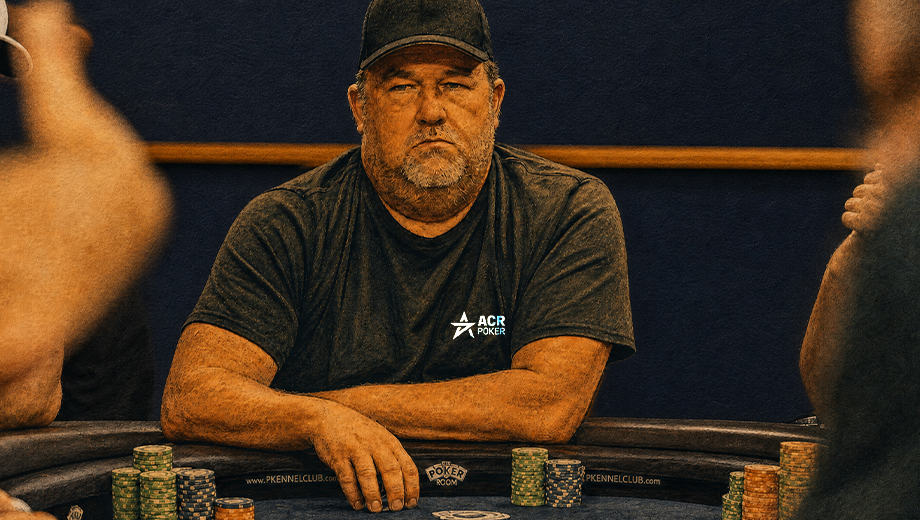
Where People Actually Burn Out
It’s rarely the poker itself. It’s skipping meals because you don’t want to miss a level, then wondering why you’re making worse decisions at hour nine. It’s telling yourself you’ll sleep in tomorrow and then registering another event at noon because the guarantee looked good. It’s playing every single day of a five-week series because you feel like you have to, and forgetting that the version of you on day thirty is not the same player who showed up on day one.
The players who last the whole series are usually the ones willing to skip an event. Not out of laziness — out of knowing their own limits well enough to protect the days that actually matter to them.

Day 1 Boredom Is Actually a Feature
Day 1 of a tournament has never interested me much. Too many amateurs, too much dead time. I used to think that boredom was just something to push through. Now I treat it as recovery time — a day where the stakes are lower and the pace is slower, which is exactly what your body needs between the more demanding stretches of a series.
The real engagement starts on Day 2 and beyond, once you can actually read the table and start accumulating. Pace yourself for that, not for Day 1.
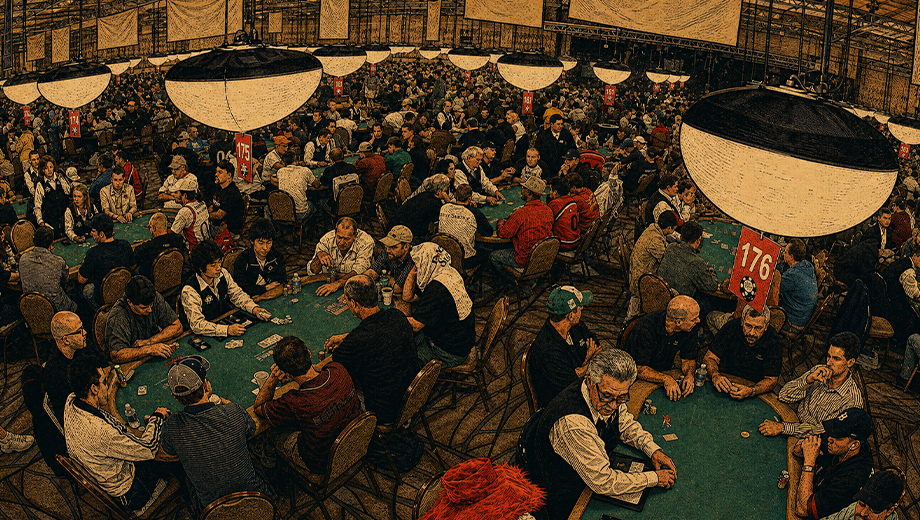
Vegas Survival: Grinder vs. First-Timer Approach
A five-week WSOP schedule asks something different of a recreational player attending for one event than it does of someone playing the whole summer.
| Factor | One-Event Visitor | Full-Series Grinder |
|---|---|---|
| Sleep priority | Manage one big push, then recover after | Must protect sleep across weeks, not days |
| Meal discipline | Easy to ignore for a few days | Has to be scheduled like anything else |
| Gym time | Nice to have | Necessary — it’s the only non-poker structure in the day |
| Event selection | One shot, less room to skip | Must be willing to sit out events to survive the rest |
Know which one you actually are before the series starts, and plan accordingly.

What I’d Tell Someone Playing Their First Full Series
Treat the gym and the sleep like they’re part of your strategy, because they are. Build in the boring days on purpose. And remember that the version of you that shows up rested on day twenty is a completely different player than the one who’s been running on fumes since day three.
If you’re planning your own trip out, check the current WSOP Schedule before you land — knowing the rhythm of the series in advance makes it a lot easier to pace yourself instead of reacting to it.
The tournament rewards patience more than it rewards toughness. Most people have the toughness. Fewer people protect the patience long enough to use it.
Frequently Asked Questions
What does Chris Moneymaker do to prepare physically for long tournament days?
He tries to get to the gym before playing, and adjusts his sleep schedule depending on whether he’s at home or on the road, since long tournament stretches run on unusual hours.
How does Chris Moneymaker recover mentally between hands during long sessions?
He uses downtime between hands to mentally check out briefly, describing it as meditating at the table, and will also use an iPad or watch something to give his mind a break.
What poker lesson does Chris Moneymaker apply to handling bad beats?
He emphasizes patience and having a short memory — stepping away after a bad beat, calming down, and returning without carrying emotion into the next hand.
Why does Chris Moneymaker consider Day 1 of a tournament boring?
He says Day 1 has never interested him much due to the higher number of amateurs and dead time at the table. His real engagement starts on Day 2 and beyond.
What’s the biggest mistake players make during a full WSOP series?
Playing every single event without protecting sleep or meals, and failing to recognize that their decision-making later in a long series is not the same as it was on day one.