
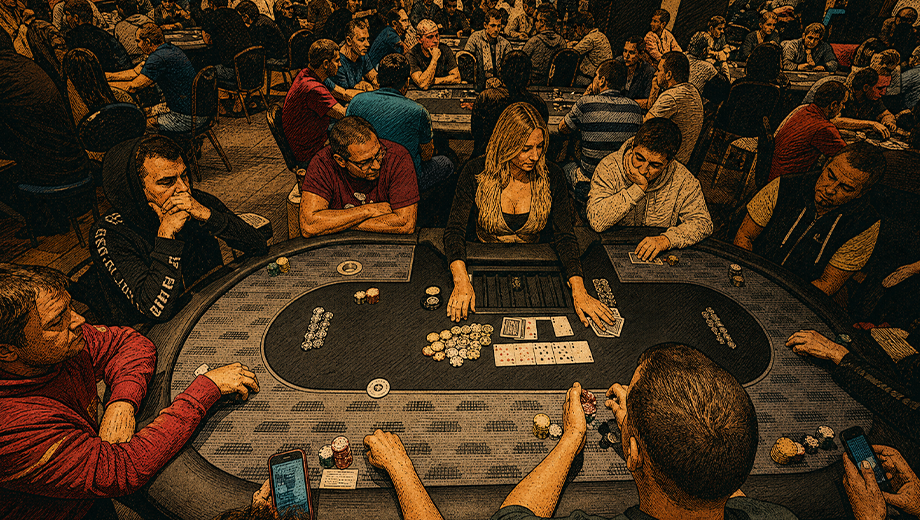
Las Vegas during the WSOP is not Las Vegas the rest of the year. The city runs on poker player hours — late nights, late mornings, no natural light inside any room that matters. I’ve been coming for over twenty years. The first time I arrived I had no idea what I was walking into. Now I have a routine. It’s not glamorous. It works.
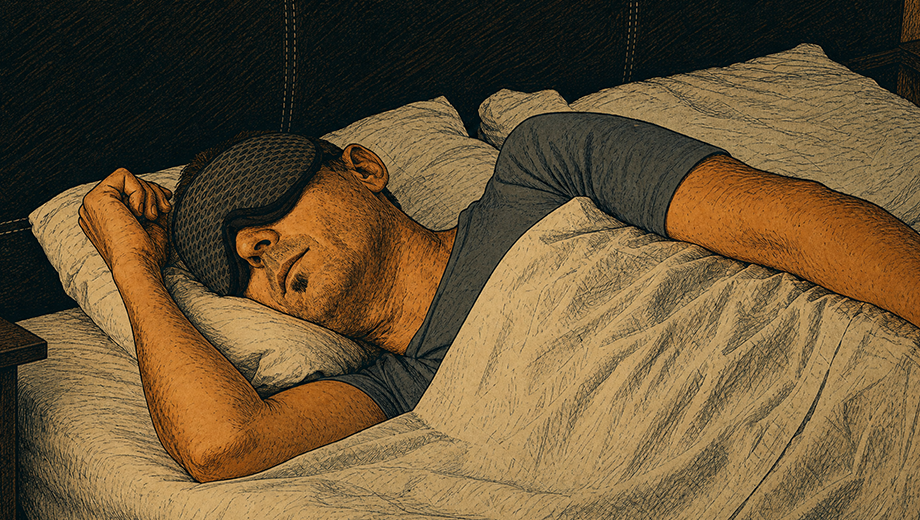
Sleep First, Everything Else Second
This is the one that kills first-timers. Vegas is designed to keep you awake. The casino floors have no clocks. The lighting never changes. There’s always something happening at 3am that feels important enough to stay up for. It isn’t.
A WSOP Main Event day runs 10 to 12 hours at the table. Hour nine and hour ten are where tournaments are won and lost. If you’re running on four hours of sleep because you were up playing cash games or wandering the Strip, you will make a decision in one of those hours that you’d never make rested. The money you lose on that one hand costs more than anything you could have won staying up.
I sleep on a schedule. I go to bed at a reasonable hour. I wake up before play starts with enough time to eat, get to the venue, and settle in before cards are in the air. Not exciting. But after years of watching players bust out on Day 2 because they were exhausted, I stopped treating sleep like an optional luxury.
Food — Plan It Before You’re Hungry
Venue food at the WSOP has improved over the years. It’s still not the thing to rely on. When you’re deep in a session and running well, you don’t want to break focus for a twenty-minute food line. When you’re hungry and tilted, the last thing you need is a bad meal making it worse.
I eat before play starts. Real food. Protein, something that holds. Not casino food at 11am, not a bag of chips from the gift shop. I know where I’m eating on breaks before I sit down. It’s a small thing that eliminates a lot of unnecessary friction.
Water at the table is non-negotiable. Dehydration makes you foggy. Vegas is dry and air-conditioned. You won’t notice you’re thirsty until you’re already making worse decisions. Drink water consistently throughout the day, not just when you feel it.
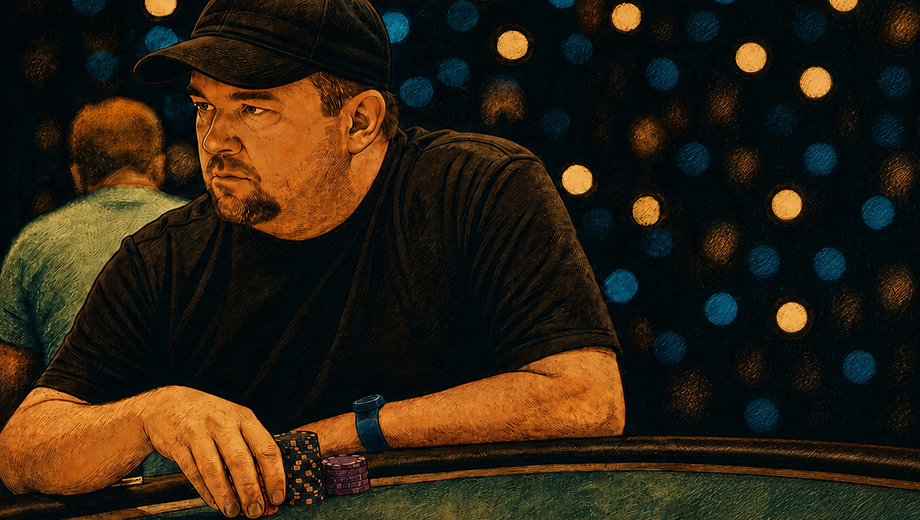
The Table Routine
I’ve been playing the WSOP since 2003. I’m comfortable in that room. But comfort doesn’t mean complacency — it means I don’t waste energy on things that don’t matter.
I get to my seat early. I find out who’s sitting where. I start watching before the first hand is dealt. By the time cards are in the air I’ve already formed a first impression of two or three players at my table. It costs nothing and gives me a small edge before I’ve played a single hand.
Between hands — when I’m not in the pot — I watch. I try to put everyone on cards. I check myself at showdown. Over six hours this habit builds into something useful. Over two days it’s the difference between knowing your table and guessing.
I don’t play music through headphones during play. I know that’s unpopular. But headphones cut off the information. The way someone sighs. The hesitation before a bet. The conversation that tells you something about how they’re feeling. I’d rather be a little bored and paying attention than entertained and missing things.
What to Do With the Rest of the Day
After a long session, most players go straight to the cash game tables or the bar. Both are expensive options in different ways.
I decompress. Go back to the room. Eat something. Watch something mindless for an hour. Let the session go — the bad beats, the missed spots, the hands I should have played differently. Short memory is underrated. A quarterback has to forget the interception. Same idea.
I like to go to the gym before play when I can. Not a long session — thirty, forty minutes. It clears the head and makes sitting for ten hours slightly less physically miserable. If the gym isn’t happening, a walk outside works. Natural light does something that artificial casino lighting can’t.
One thing I avoid in Vegas during the WSOP: side bets, prop bets, and anything that puts money at risk outside of the poker I came to play. The city is built on people who came for one thing and ended up playing something else. I came to play poker. That’s what I play.
The Mental Part
I’ve never really gotten nervous playing poker. Not at the WSOP, not at the final table in 2003, not at Triton events where the stakes are significantly higher. It’s cards. The goal is to have fun and play well. Nerves are usually about what the outcome means — the money, the result, what people will think. When you let go of that, the game gets simpler.
What I do watch for is tilt. Losing a big pot with the best hand, or making a bad read and paying for it — those things can follow you into the next hand if you let them. My routine when something like that happens: I fold the next hand regardless of what I’m holding, take sixty seconds to reset, and come back. Sixty seconds of bad poker is better than sixty minutes of playing on emotion.
The players who survive deep in long tournaments aren’t always the most skilled players in the field. They’re usually the ones who manage themselves the best — who keep their head through variance, who don’t go on tilt, who make decisions in hour ten that look like decisions from hour one.
That’s what the routine is for. Not comfort. Not habit. Control over the things you can actually control.
If you’re heading to the WSOP and want to check the full schedule before you arrive, the WSOP Schedule has everything you need — event dates, structures, and Day 1 flight options for the Main Event.
Frequently Asked Questions
How do you manage your energy during a long WSOP day?
The foundations are sleep, food, and hydration — sorted before you sit down, not improvised during play. A WSOP Main Event day runs 10 to 12 hours. Decisions in hour nine and ten are where tournaments turn. Arriving rested with a food plan removes the variables that most players underestimate.
What is the biggest mistake players make in Vegas during the WSOP?
Sleep deprivation. Vegas is designed to keep you awake — no clocks, no natural light, constant action at every hour. Players who stay up late in cash games or on the Strip and then play a 10-hour tournament day are making decisions in hour nine on four hours of sleep. It shows at the table.
How does Chris Moneymaker handle tilt at the poker table?
After a bad beat or costly mistake, he folds the next hand regardless of what he’s holding, takes sixty seconds to reset, and comes back to the game. The idea is that sixty seconds of bad poker — folding a hand you might have played — is better than sixty minutes of playing on emotion.
Should you wear headphones at the WSOP poker table?
It’s a personal choice, but headphones cut off live information — the hesitation before a bet, the sigh after a fold, the table conversation that tells you something about how opponents are feeling. Trading that information for entertainment is a choice worth thinking about, especially in the later levels when reads matter most.
What should you do after a long poker session in Vegas?
Decompress before the next session. Go back to your room, eat something real, let the session go — the bad beats, the missed spots. Short memory is a skill. Players who carry the previous session into the next one are doubling their variance. Sleep, reset, and come back fresh.
Is exercise useful during the WSOP?
Yes. Thirty to forty minutes before play — gym or a walk outside — clears the head and makes sitting for ten hours physically more manageable. Natural light does something artificial casino lighting doesn’t. It doesn’t have to be a full workout. The point is to move and get outside the environment before committing to a full day in it.