

Every year I sit down at the Main Event and the structure is a little different from what I remember. The blind levels shift. The starting stack changes. The number of entries affects how many days the tournament runs and how long each level actually lasts in practice. Most players show up and play whatever format they’re given. I’ve been doing this long enough to have opinions about it.
Here’s what I think matters in a tournament structure — and what I think the Main Event gets right and wrong.

What a Good Structure Actually Does
The structure of a poker tournament isn’t just a technical detail. It determines what kind of tournament you’re playing. Fast structures compress the skill edge — the cards matter more, the decisions matter less, because there’s never enough time to let reads and strategy fully develop. Slow structures do the opposite: they give smart players time to gather information, exploit tendencies, and accumulate through edge rather than variance.
The WSOP Main Event has always leaned toward the slow end. Two-hour levels, deep starting stacks relative to the blinds, meaningful play from Day 1 through the final table. That’s by design. It’s supposed to be the most prestigious tournament in the world. A crapshoot doesn’t produce prestige — a legitimate test of poker does.
When I won in 2003, the structure was deep enough that I could build my reads over days. I folded a lot on Day 1, watched everything, and by Day 2 I knew things about the players at my table that I could actually use. A fast structure doesn’t give you that. You’re just reacting, not reading.
What the Field Size Does to the Format
The Main Event has grown enormously since 2003. Here’s what that looks like in numbers:
| Year | Entries | First Place Prize |
|---|---|---|
| 2003 | 839 | $2,500,000 |
| 2006 | 8,773 | $12,000,000 |
| 2015 | 6,420 | $7,683,346 |
| 2019 | 8,569 | $10,000,000 |
| 2022 | 8,663 | $10,000,000 |
| 2023 | 10,043 | $12,100,000 |
839 players in 2003. Over 10,000 in 2023. When the field is that size, the tournament takes longer — more starting flights, more Day 1s, more bags to count. The structure has to absorb that. The WSOP has done a reasonable job of it. But more players also means more variance in the early days, which means the structure’s protective role matters more, not less.

The Levels Question
Two-hour levels are the standard at the Main Event and they should stay that way. When I think about the Triton events — which run much faster — the contrast is stark. Fast structures give recreational players and businessmen a real shot because the pros don’t have time to grind their edge. That’s intentional at Triton. It’s the whole point. It’s what keeps the entries high and the pots massive.
The Main Event isn’t trying to do that. It’s trying to find the best poker player over a week of serious play. Two-hour levels do that. One-hour levels don’t. I’ve played both formats enough to know the difference in how they feel and what they reward.
If you shorten the levels at the Main Event, you change what the Main Event is. You make it more of a lottery. That might increase short-term excitement. It doesn’t increase legitimacy.
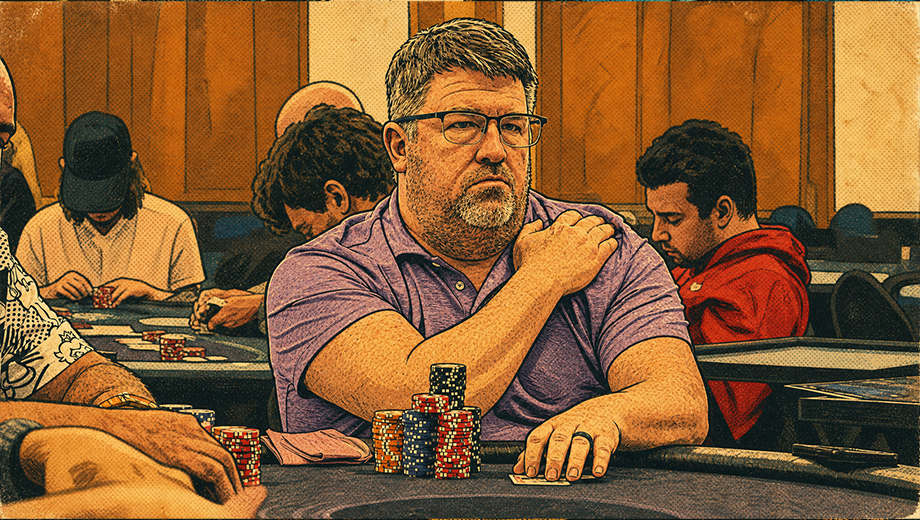
Starting Stack and Playability
The starting stack relative to the big blind is what determines how much poker gets played in the early stages. A 300 big blind starting stack means you have time. Time to fold marginal hands, time to gather reads, time to wait for spots. A 100 big blind starting stack and you’re already making stack-off decisions on Day 1.
The Main Event has historically been on the right side of this. Deep starting stacks mean the first day isn’t just chip-shoving. It’s poker. Real decisions, real reads, real consequences. That’s what separates the Main Event from a turbo satellite.
I’d rather see the starting stack stay deep or get deeper. The longer the early game lasts as actual poker, the more the Main Event justifies its reputation.

What I’d Change
A few things I’ve thought about over the years:
The late registration window. Most tournaments now allow late registration for a significant portion of Day 1. On one hand, it increases the prize pool and gives more players a shot. On the other hand, it means some players enter with effective chip disadvantages — they’re starting when others are already deep in. The fairness question there isn’t fully resolved in my view.
Re-entries. The Main Event doesn’t have them, and I think that’s correct. Re-entries fundamentally change the psychology of the tournament — players take shots knowing they can buy back in. The Main Event should feel like one shot. It always has. That scarcity is part of what makes it matter.
The number of flights. With a field this large, the logistical solution has been multiple starting flights. That creates scheduling complexity and uneven chip counts in the bag room, but it’s the right tradeoff for accommodating that many players. The alternative is turning people away, which nobody wants.

The Bottom Line
The WSOP Main Event structure is not broken. It’s one of the better-designed major tournaments in the world. Two-hour levels, deep starting stacks, no re-entries — these are correct decisions that reflect what the tournament is supposed to be.
My main concern isn’t structural. It’s the US tax law changing in January 2026 that could significantly reduce American participation in major live tournaments including the Main Event. That’s a bigger threat to the format than any blind level decision. More on that in a separate post.
For now: the structure rewards patience, observation, and the ability to play through six or seven days without burning out. That’s the Main Event. That’s what it should be.
If you want to experience a well-structured tournament before the Main Event, the Moneymaker Tour runs with player-friendly formats across the U.S. — long enough to feel real, short enough to finish on a weekend.
Frequently Asked Questions
What is the structure of the WSOP Main Event?
The WSOP Main Event uses two-hour blind levels and deep starting stacks — typically around 300 big blinds — which allows for genuine poker to develop over multiple days rather than quick elimination rounds. There are no re-entries. The format has been designed to test poker skill across a sustained period, not to produce rapid results.
Does the WSOP Main Event allow re-entries?
No. The WSOP Main Event does not allow re-entries — once you bust, you’re out. This is a deliberate design choice. Re-entries change the psychology of the tournament, encouraging players to take reckless shots knowing they can buy back in. The single-entry format preserves the sense that each decision carries real, permanent consequence.
Why does tournament structure matter in poker?
Structure determines what kind of tournament you’re actually playing. Fast structures compress the skill edge — cards and variance matter more, reads matter less. Slow structures give skilled players time to gather information, exploit tendencies, and win through edge rather than luck. The Main Event’s deep structure is why it’s considered a legitimate test of poker rather than a glorified coin flip.
How has the WSOP Main Event field size changed over the years?
Dramatically. In 2003 there were 839 players. By 2006 that had grown to 8,773 — more than ten times the size in three years. The 2023 Main Event surpassed 10,000 entries for the first time. The WSOP has responded with multiple starting flights and adjusted scheduling to accommodate the larger field while preserving the core structure.
What does Moneymaker think about fast tournament structures like Triton?
He sees them as intentionally designed for a different purpose. Fast structures at events like Triton give recreational players and businessmen a genuine shot because professionals don’t have time to fully exploit their edge. That’s by design — it keeps entries high and action exciting. But it’s a different tournament philosophy than the Main Event, which is built to find the best player over sustained play, not to level the field through speed.
What is the biggest threat to the WSOP Main Event going forward?
In Moneymaker’s view, the US tax law taking effect in January 2026 poses a bigger risk than any structural decision. The new law limits how American players can deduct losses against winnings, which could significantly reduce American participation in major live tournaments. He’s compared the potential impact to Black Friday, which reshaped the online poker industry. The structure of the Main Event isn’t broken — the economic conditions around it are what’s changing.