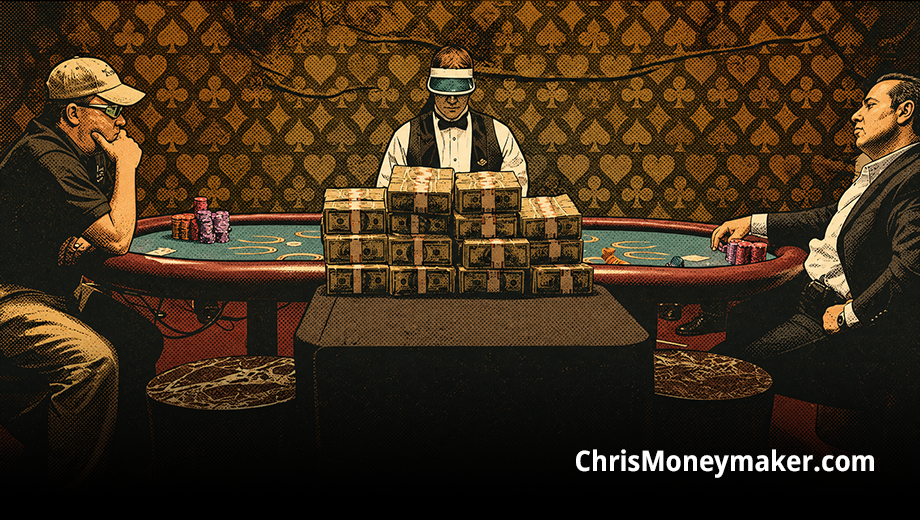

I walked into Binion’s in 2003 as the worst player in the field. I knew it going in. I had $200 in my online account and had accidentally entered the satellite that got me there. I’d never played at this level. Didn’t recognize most of the names on the wall of champions. Didn’t know the format, the structure, or what a reasonable stack looked like on Day 2.
I still won. But not because I avoided every mistake — because I made fewer of the costly ones than most. Some of that was luck. Some of it was instinct. And some of it, looking back, was not knowing enough to overthink things that first-time players tend to overthink.
After playing the Main Event every year since 2003, I’ve watched a lot of first-timers come through the same door I walked through. The mistakes repeat. Here’s what they are.
Mistake 1: Treating Day 1 Like It’s the Final Table
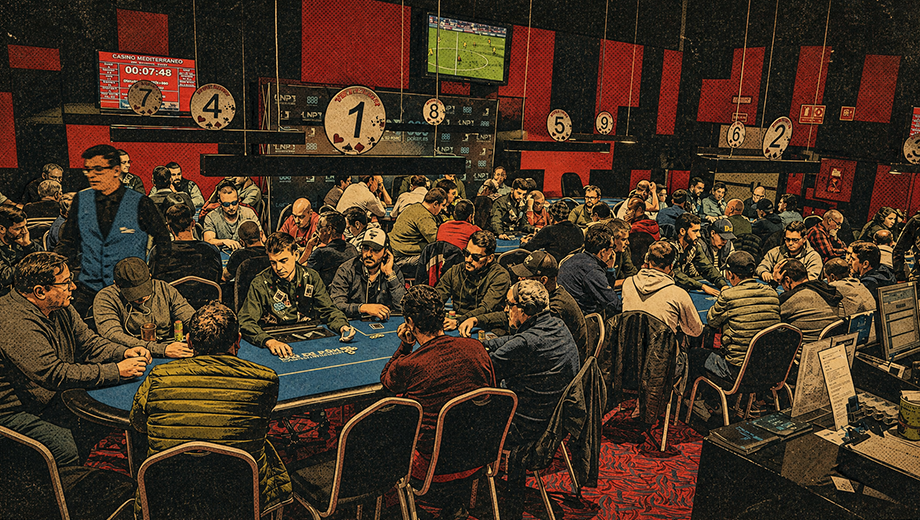
Day 1 bores me. I’ll say it plainly. Nine-handed, everyone folding their way to Day 2, nobody wanting to be the person who busted on the first day. And yet — new players consistently over-play Day 1. They get excited, they go after pots they shouldn’t, they try to build a stack fast because the energy in the room feels like something big is happening.
Nothing big is happening on Day 1. Everyone is just trying to survive. The right move is almost always the conservative one. Fold a lot. Watch more. Figure out who the dangerous players are at your table and stay out of their way until you have a reason to engage.
The player who doubled up on Hour 2 of Day 1 is not in a better position than the player who ended Day 1 with their starting stack. They’re in a worse position — they played too many pots, gave away information, and probably got lucky once in a spot they shouldn’t have been in.
Patience on Day 1 isn’t passive. It’s a strategy. Use the time to collect information you’ll actually need on Day 2 and beyond.
Mistake 2: Not Watching the Hands They’re Not In
This is the one that costs the most and gets talked about the least.
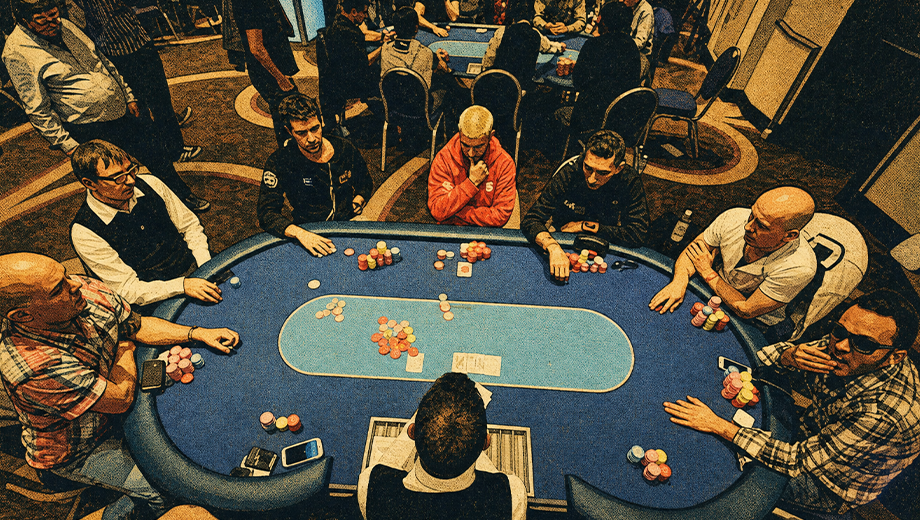
Every hand you fold is an opportunity. Not to check your phone. Not to take a break. An opportunity to figure out what the people around you are actually holding — and check yourself at showdown.
In 2003, I didn’t have a sophisticated poker education. What I had was the habit of constant observation. When I folded, I watched. I tried to put everyone on a hand before the cards came up. When I was right, I learned something. When I was wrong, I learned something different.
By the end of Day 1 I knew things about my table that most players there hadn’t consciously shared. Which players bet their draws. Which ones slowed down on the river. Which ones gave away their hand strength with timing tells they didn’t know they had. That information doesn’t come from a training course. It comes from paying attention when you’re not involved.
New players treat the hands they’re not in as downtime. Experienced players treat them as the most valuable data collection of the session.
Mistake 3: Playing Not to Lose Instead of Playing to Win
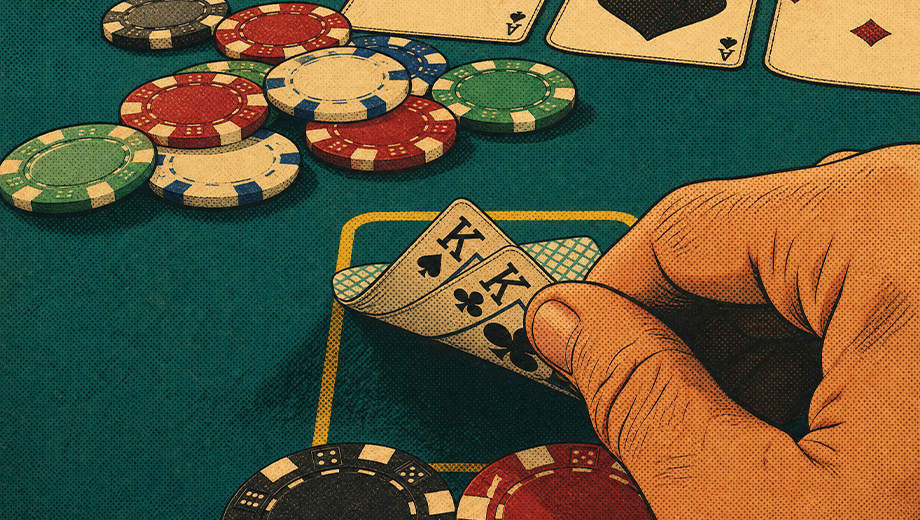
There’s a specific version of this that shows up near the money bubble. Short stacks start folding hands they should be playing. Big stacks tighten up because they don’t want to risk what they’ve built. Everyone is playing not to bust instead of playing to accumulate.
The players who go deep aren’t the ones who survived the bubble — they’re the ones who used the bubble to take chips from the people who were surviving it. The short stack that folds pocket eights on the bubble is giving those chips away. The big stack that tightens up is declining a free invitation to steal.
I learned bubble play instinctively in 2003 before anyone called it that. I didn’t think of it as a strategy — I just noticed that people were scared and that scared people made predictable decisions. Predictable decisions are exploitable decisions.
The mindset shift is simple but hard to execute under pressure: play to win chips, not to avoid losing them. Those are different games, and only one of them gets you to the final table.
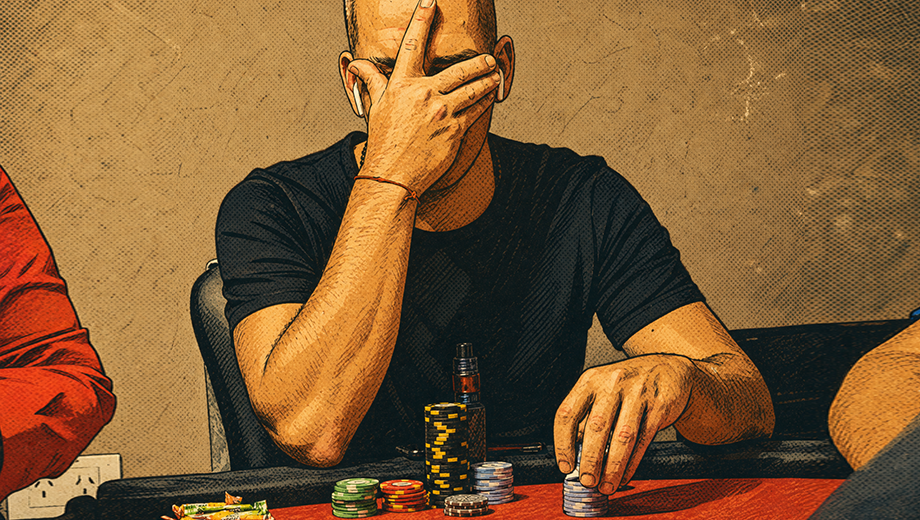
Mistake 4: Going on Tilt After a Bad Beat
It happens to everyone. You get all-in with the best hand, someone catches their two-outer on the river, and half your stack is gone. The emotional response is completely understandable. The behavioral response — playing looser, playing faster, looking to get even — is how the bad beat becomes a tournament-ending mistake.
Poker is about controlling your emotions and how those emotions affect your decisions. A bad beat is over the moment it ends. The next hand is a clean slate. The player across from you doesn’t care that you just took a hit — they’re going to play their hand regardless. If you’re still thinking about the last one, you’re already behind.
Short memory. Step away if you need to. Come back focused on what’s in front of you. The players who bust after bad beats usually don’t bust on the bad beat itself — they bust two or three hands later, when they’re still reacting to something that’s already over.
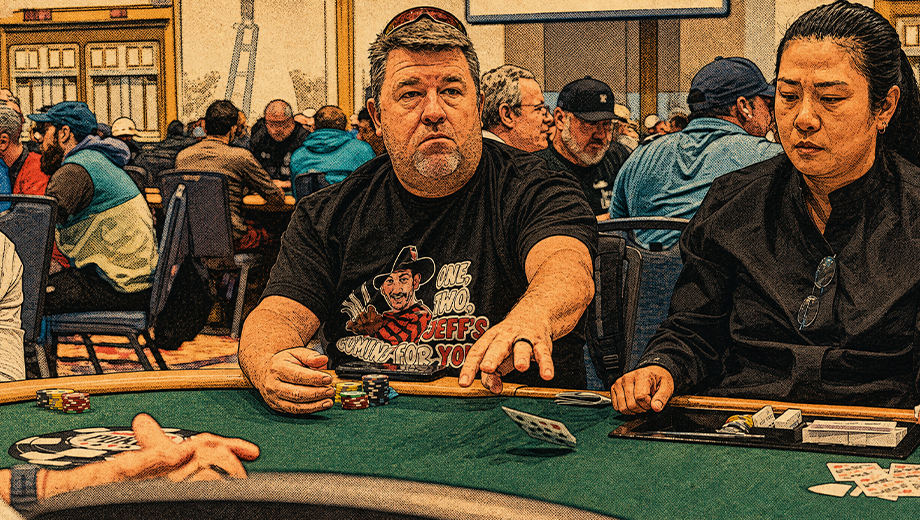
Mistake 5: Underestimating How Long This Takes
The WSOP Main Event is days. Not hours — days. New players show up with a plan for Day 1, maybe a rough idea of Day 2, and no real conception of what it means to still be at the table on Day 4 or Day 5.
The physical and mental fatigue is real. Twelve-hour days, late nights, decisions under pressure for hours at a stretch. The players who go deep aren’t just good at poker — they’re good at managing energy. They eat at the right times. They take breaks seriously. They know when to meditate at the table — or nap, as the case may be — and when to lock in.
Day 1 you’re fresh. Day 3 you’re making decisions with a tired brain against opponents who are better at playing through tired. Managing the long game isn’t glamorous, but it’s the difference between busting on Day 3 in a spot you’d have folded wide awake and going deep because you still had enough left to think clearly.
What the Field Looks Like Now vs. Then
Context for first-timers: the tournament you’re entering today is a fundamentally different size than the one I walked into in 2003.
| Year | Entries | First Place Prize |
|---|---|---|
| 2003 | 839 | $2,500,000 |
| 2005 | 5,619 | $7,500,000 |
| 2010 | 7,319 | $8,944,310 |
| 2019 | 8,569 | $10,000,000 |
| 2023 | 10,043 | $12,100,000 |
839 players in 2003. Over 10,000 in 2023. The mistakes above are more expensive in a bigger field — there are more people ready to exploit them, and fewer spots to recover before you’re out.
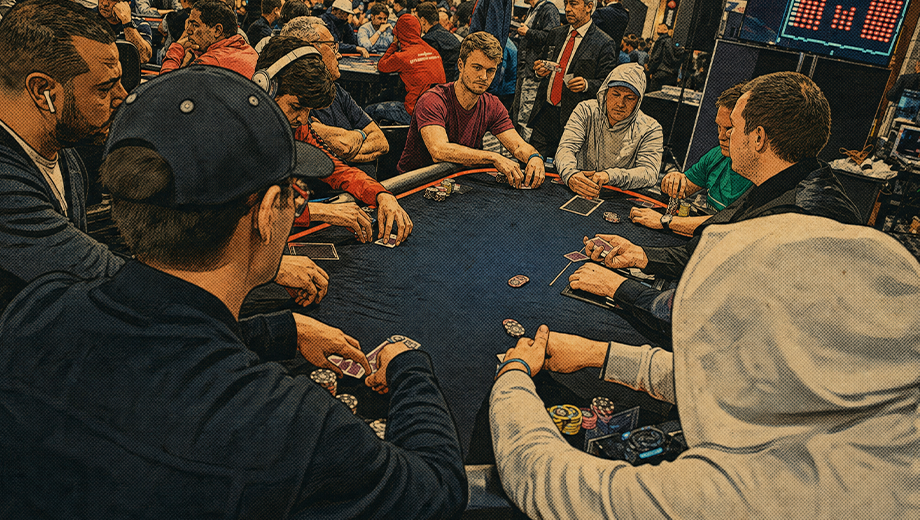
The One Thing That Doesn’t Change
Every year, someone walks into the WSOP Main Event who has no business being there — no resume, no reputation, no particular reason to think they’ll last past Day 2 — and they go deep. Sometimes they win.
That’s not an accident. It happens because the game rewards observation, patience, and emotional control more than it rewards pure technical skill, especially in a field this large. The person who watches more than they play on Day 1, who doesn’t tilt after the river card, who uses the bubble instead of surviving it — that person is dangerous regardless of what their tournament résumé looks like.
I know because I was that person once. I still try to be.
If you’re playing your first big tournament and want to get a feel for the format before the Main Event, the Moneymaker Tour runs stops across the country — real tournament structures, real fields, without the $10,000 buy-in.
Frequently Asked Questions
What is the biggest mistake first-time WSOP players make?
Over-playing Day 1. New players get caught up in the energy of the room and go after pots they shouldn’t, trying to build a stack quickly. The correct approach is conservative — fold often, observe the table, and collect information that becomes valuable on Day 2 and beyond. Surviving Day 1 with your starting stack intact is a fine result.
How should a first-time WSOP player approach the money bubble?
Aggressively, not defensively. The bubble is when scared players make predictable decisions — short stacks fold hands they should play, big stacks tighten up unnecessarily. The players who go deep use the bubble to accumulate chips from those who are just trying to survive it. Playing to win chips is a different game than playing not to lose them.
How do you avoid going on tilt at the WSOP?
Short memory. The bad beat is over the moment it ends. Step away from the table if needed, reset mentally, and come back focused on the next hand — not the last one. Most tilt-induced busts don’t happen on the bad beat itself but two or three hands later, when the player is still reacting emotionally to something that’s already finished.
How did Chris Moneymaker prepare for his first WSOP Main Event in 2003?
He didn’t — at least not in any conventional sense. He entered accidentally through a satellite, thought he was the worst player in the field, and arrived not knowing most of the names at the tournament. What he did have was the habit of constant observation: watching every hand he wasn’t in, trying to read opponents, and checking himself at showdown. That discipline, more than any technical preparation, carried him through.
How long does the WSOP Main Event last and how should players manage the fatigue?
The Main Event runs across multiple days — typically six or seven for players who go deep, with twelve-hour sessions and late finishes. Managing energy matters: eating properly, taking breaks seriously, and knowing when to conserve mental resources. Day 3 decisions made with a tired brain are not the same as Day 1 decisions made fresh. Physical preparation is part of tournament preparation.
Can a first-time player realistically go deep in the WSOP Main Event?
Yes. The Main Event field is large enough that observation, patience, and emotional control matter more than pure technical skill in the early stages. Every year, players with no résumé go deep — sometimes win. The game rewards the person who watches more than they play on Day 1, doesn’t tilt after a bad beat, and uses the bubble instead of surviving it. Those qualities are learnable regardless of experience level.