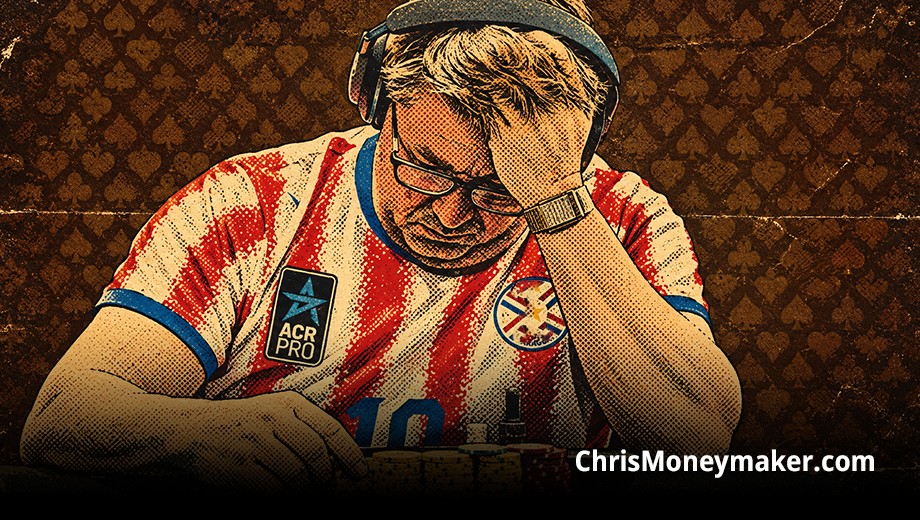

In 2003 I walked into my first World Series of Poker with 838 other players in the field, and I knew the names of exactly three of them: Phil Hellmuth, Doyle Brunson, and Johnny Chan. I’d never played live poker at that level. I got there through an $86 online satellite I entered by accident. I didn’t have a reputation to protect.
People assume you need to feel like the best player in the room to play well at the WSOP. I didn’t feel that way for a second. What I had was something simpler, and I think anybody playing their first event can have it too.
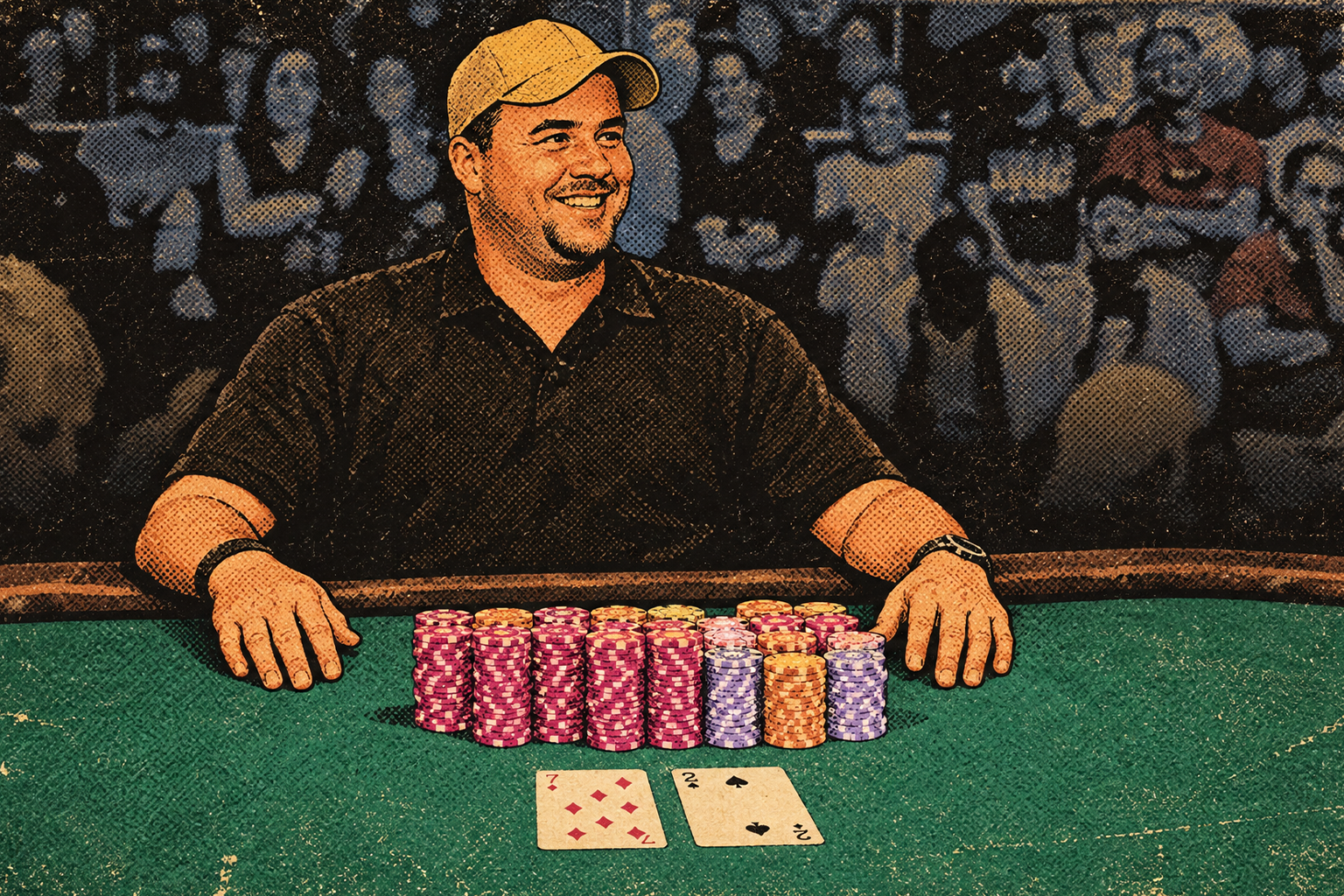
I Was the Worst Player in the Room
I’ve never pretended otherwise. “I was the worst one in the field. I knew that going in.” Most of my experience was online, and in 2003 that counted for almost nothing. “Online poker reshaped everything. But in 2003, online players were second-class citizens.” Serious players thought online poker was checkers.
My live experience wasn’t much better. At my local casino, check-raising wasn’t even allowed. If you had a hand, you bet. That was the game I learned.
So confidence, for me, couldn’t come from thinking I was better than everyone. It had to come from somewhere else. What I figured out is that you don’t need to believe you’re the best player. You need to know what you’re there to do, and then do it for as many hours as it takes. That’s a much lower bar, and it’s one a first-timer can actually clear.
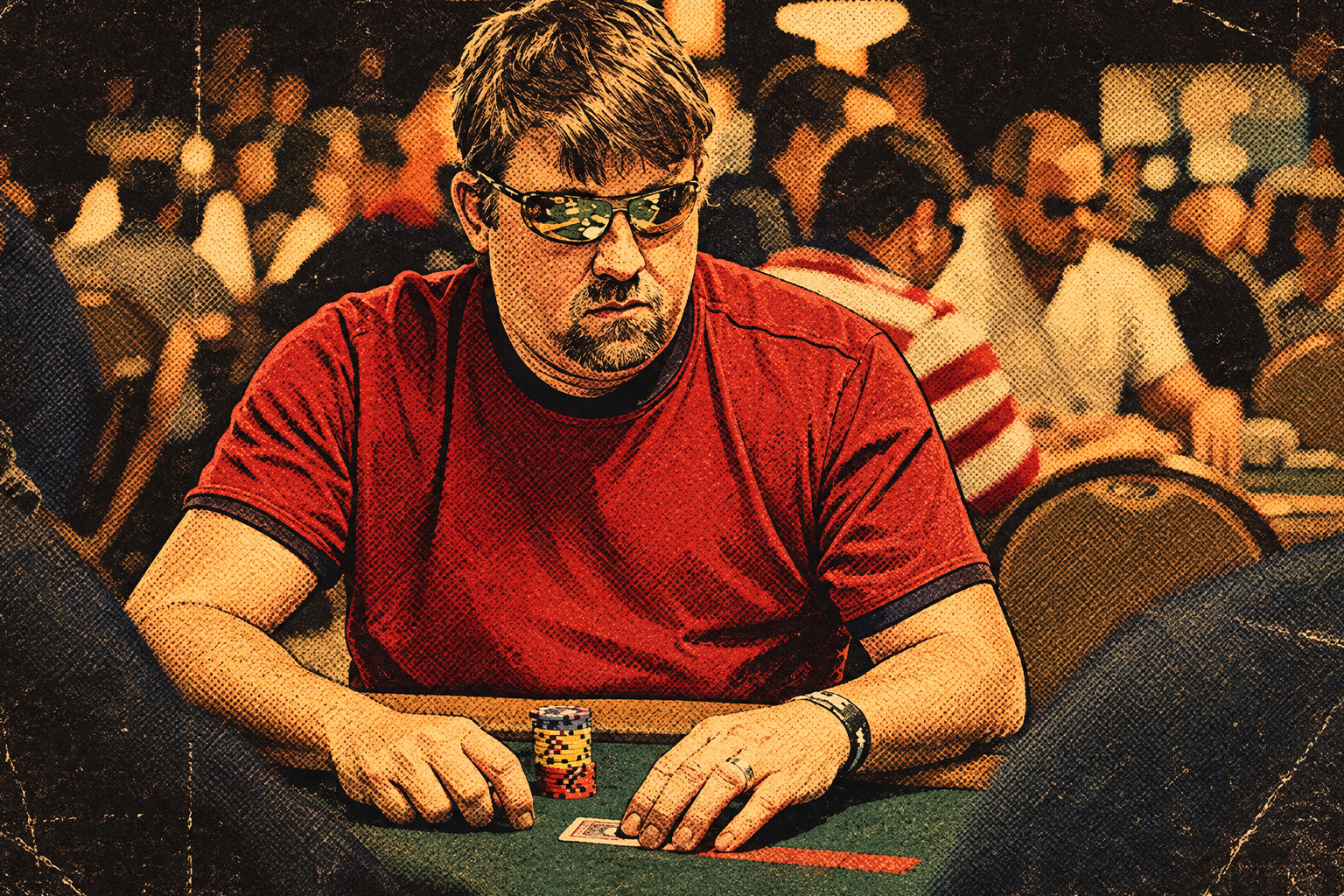
Where My Confidence Actually Came From
Not Knowing Who I Was Playing
Dan Goldman from PokerStars gave me a daily rundown of players to watch out for. I read it. It didn’t scare me much, because the names didn’t mean anything to me. In 2003 the players people feared were the old veterans, the ones who supposedly could look into your soul. Phil Ivey was on my list. I found out later he was generally considered the best player in the world. At the time, he was a guy with chips. Ignorance isn’t a strategy I’d recommend on purpose, but it kept me from playing scared.
Small Wins, Early
The levels were two hours long, and almost every level my stack went up. I bagged 60,000 chips on Day 1 from a 10,000 starting stack. That’s not luck turning into confidence. That’s evidence. Every level I finished with more than I started gave me one more reason to trust what I was doing.
Then I busted Johnny Chan, one of the three players I’d heard of. That one hand did more for my confidence than anything anyone could have told me. I’d watched him in Rounders. Now I’d taken his chips.
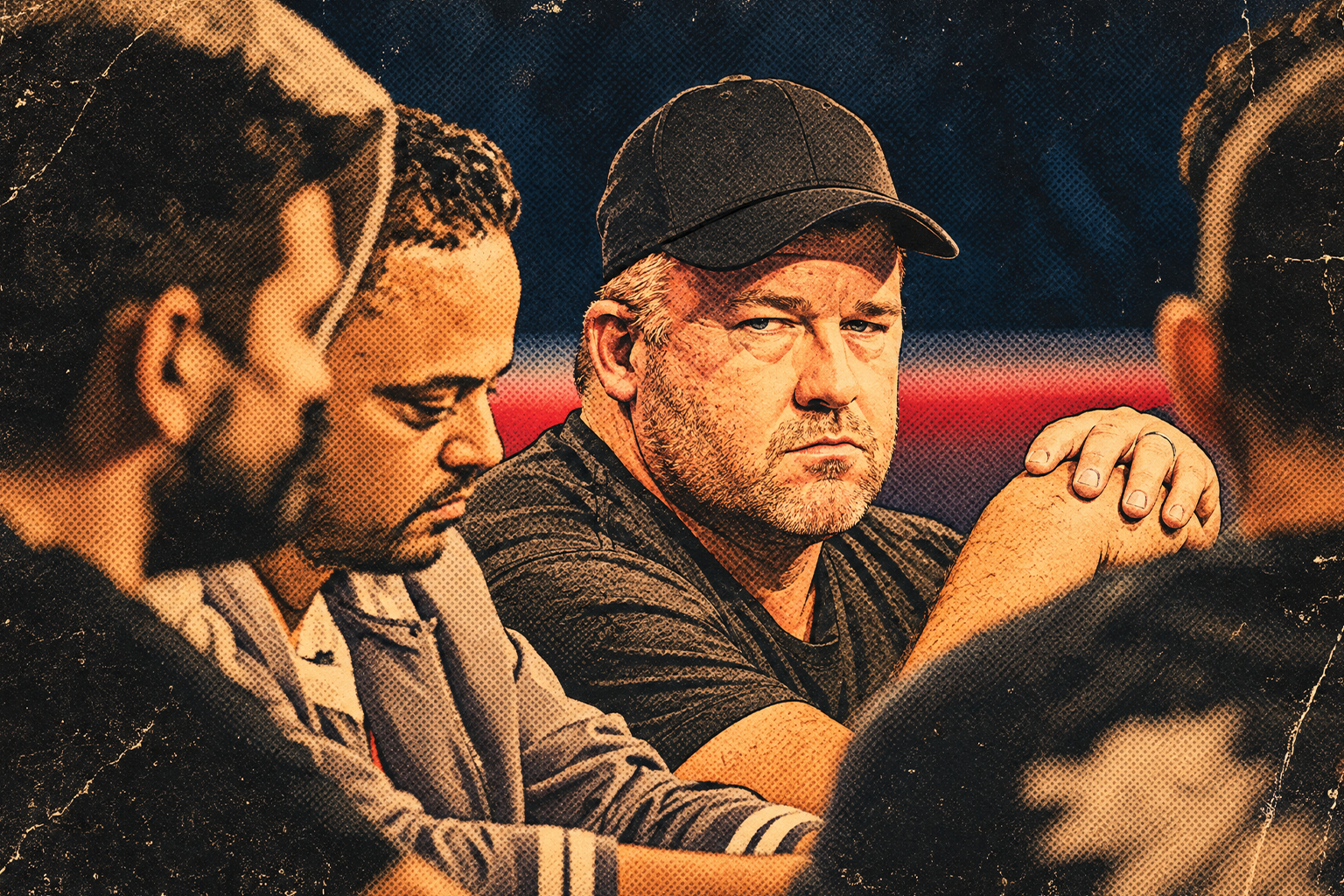
Confidence Isn’t the Same as Not Being Nervous
I’ve never really gotten nervous playing poker. I wrestled. I boxed. I did contact sports. That’s where you get nervous. Cards are cards. But not being nervous didn’t make me bulletproof.
On Day 2 I got a lot of chips in with Ace-something on a ten-high board against Kings. I walked outside depressed and figured it was over. The very next hand I picked up Aces and almost doubled up. If I’d kept running bad, I might have blown up. I was that fragile, and I’ll admit it. Confidence isn’t the absence of that feeling. It’s what you do in the next hand anyway.
If you’re picking your first event, start with the WSOP Schedule and choose something that fits your bankroll, not your ego.
What I’d Do Before Your First Event
Play an Event You Can Afford to Lose
Confidence disappears fast when the buy-in is money you need. “I’m a little bit sick in the head, but I’m also balanced enough to respect money.” If losing the entry would ruin your month, every decision gets heavier than it should be. Pick the event where busting is disappointing, not a disaster.
Give Yourself One Job
Day 1 is long, and a lot of it is folding. Use that time. When you fold, keep watching the hand and guess what everybody has. Check when the cards get shown. “It’s not rocket science. It’s simple observation.” By the end of the first level you’ll know things about your table that most people sitting at it don’t. That’s real confidence, built from real information.
Expect a Bad Level
You will have one. I had one on Day 2 and won the whole thing. “Poker is about controlling your emotions and how those emotions affect your decisions.” Decide ahead of time that one bad pot won’t change how you play the next hand.
Fake Confidence vs. Real Confidence
A lot of first-timers show up with the wrong kind. Here’s the difference as I see it.
| Factor | Fake Confidence | Real Confidence |
|---|---|---|
| Where it comes from | Believing you’re the best player at the table | Knowing what you’re there to do |
| How it looks | Talking, posturing, playing big pots to prove something | Quiet, patient, paying attention |
| After a bad beat | Falls apart or chases the chips back | Takes a breath and plays the next hand |
| Against known pros | Either freezes or tries to outplay them | Plays the cards and the situation, not the name |
| What builds it | Reputation and hype | Small wins and real information, level by level |
The second kind is slower to build. It’s also the only kind that’s still there at 4am.
Twenty-plus years later, people still ask me how I stayed calm at that table. The truthful answer is that I wasn’t trying to be anybody. “I’m just a guy you wanna go have a beer with. I’m not some super genius, some mad scientist of poker that can look into your soul.” I sat down, paid attention, and played one level at a time. That’s available to anybody who buys in.
Frequently Asked Questions