
I had about $200 in my online account. The satellite cost $86. I jumped in because eight of nine spots were already filled — those go fast — and I thought it was a cash sit-and-go. It wasn’t. Somewhere in the registration process I figured out I’d accidentally entered a satellite to a satellite to the World Series of Poker Main Event. I was annoyed.
That’s where the 2003 story actually starts. Not with a dream of winning the biggest poker tournament in the world. With a mistake and mild frustration at a laptop screen.
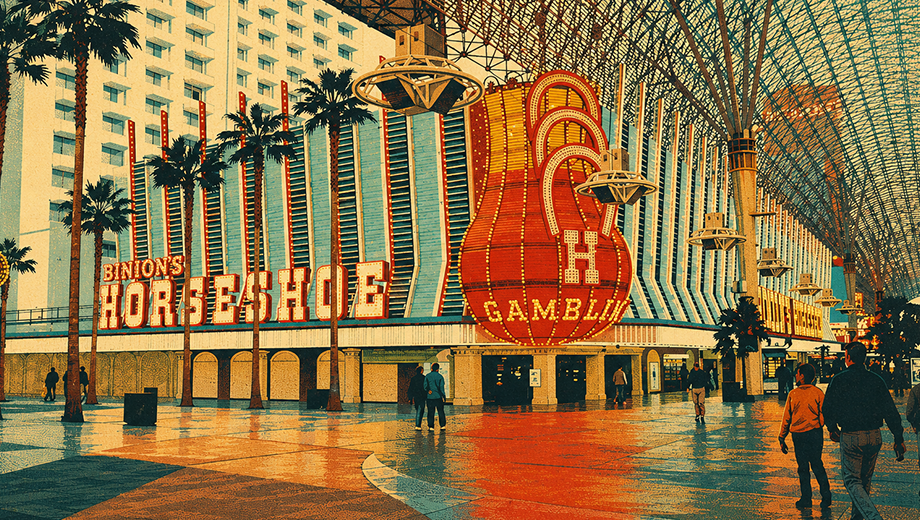
Walking Into Binion’s for the First Time
The ceilings felt six feet tall. They’d pulled out the slot machines and replaced them with poker tables. Player tracking was a whiteboard and a magic marker. 839 people had entered. Fewer than 63 would cash. I walked in as the guy who’d never played at this level, knowing the names of exactly three players in the field: Phil Hellmuth, Doyle Brunson, and Johnny Chan — the last two because of a movie.
I sat down on Day 1 and found Dan Harrington two seats to my right. I didn’t recognize him. Had to check the wall of champions to figure out who he was. That’s how prepared I was.
The goal, honestly, was to finish in the money. Then to finish fourth in the qualifier that got me here — that paid $8,000 cash. I’d been trying to arrange finishing fourth when my friend Bruce called and told me to stop. So I played. Starting stack was 10,000 chips. I bagged 60,000 at the end of Day 1. Something was happening, but I didn’t know what to call it yet.
What the Table Actually Felt Like
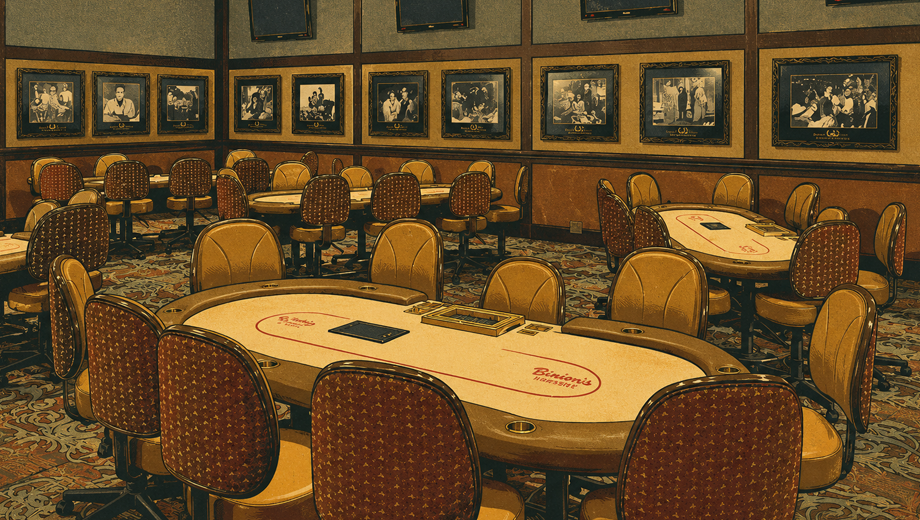
Poker in 2003 was a different game. A preflop 3-bet meant Jacks or better, or Ace-King. That was it. A 4-bet meant Kings or Aces — nothing else. Ranges were so narrow you could almost read people mechanically. When I folded a hand, I watched the rest of it and tried to guess everyone’s hole cards. I was right a lot. That’s not a superpower. That’s just paying attention when most people weren’t.
The players I was supposed to fear were the old veterans. The ones who’d been doing this for decades, who could supposedly look into your soul. Young players didn’t register as threats — not to me, not to anyone at that table. When I saw Phil Ivey, I saw a young guy with chips. He didn’t scare me. I had no idea he was considered the best player in the world. That hand — Ace-Queen against his pocket nines, trip queens on the flop, full house on the turn, I won — happened at 4am after ten hours of play. I found out what it meant later.
The Phil Ivey hand aside, the moment that defined the whole tournament happened heads-up against Sammy Farha. I held 5♦ 4♠ on a board of J♥ 5♣ 4♦. Complete bluff. I moved all-in. Sammy had top pair with J♠ and folded it face-up. That hand aired on ESPN and became the clip everyone knows. At the time it was just a decision I made at a table at 2am in downtown Las Vegas.
What Nobody Saw on TV
I won on a Friday. Flew home Saturday. Party Saturday, day off Sunday. Back at work Monday morning.
The ESPN broadcast didn’t air until August — three or four months after the event. So I returned to a world where maybe 30 people knew what had happened. The internet was reporting it, but this was 2003. People had flip phones. There was no social media. I walked back into the restaurant group where I worked like nothing had changed, because for most people around me, nothing had.
I worked eight more months before leaving. My boss eventually told me if I didn’t quit, he was going to fire me. He said I was wasting my time working for him. Took a couple more months to train my replacement and actually go.
Seven months after winning $2.5 million, I couldn’t find a tournament to play in. Had to drive out to Bay 101 in California in February just to find one. That’s how different this game was. Before 2003, these tournaments — the scale, the volume, the accessibility — simply didn’t exist. I know that’s connected to what happened. I almost never think about it. Only when I’m at the WSOP and it’s right in your face.
What It Actually Felt Like
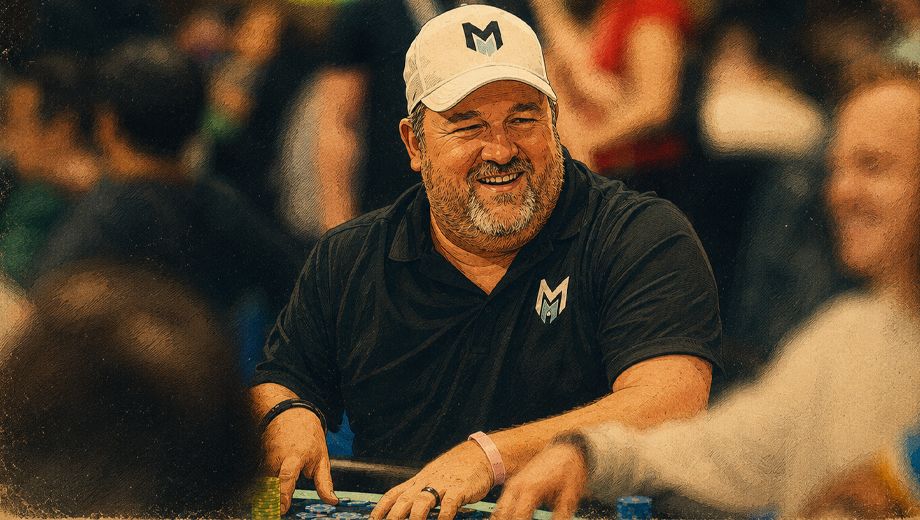
People ask what it felt like to win. The honest answer is that I’m not sure I fully processed it as it was happening. I’d told myself before the final table that I was not busting before the end. Zero percent chance. There was a mental state I’d locked into that wasn’t about celebrating — it was about continuing. When it was over, I think I was more relieved than anything else.
The thing that got lost in the ESPN version was how accidental the whole path was. I had about $200 online. I entered by mistake. The seats were non-transferable that year — if they’d been transferable, I would have sold mine. Fourth place paid $8,000 cash and that was my actual plan. My friend Bruce had offered $5,000 for 50% of my action, but he’d blown it at a casino in Tunica the week before and didn’t have it. So instead I sold 20% to my dad for $2,000 and 20% to a friend. I tried to sell more. Nobody wanted to buy into an amateur. I kept 60%.
It had to be miracle after miracle after miracle just to get into the Main Event — not to mention everything that went right once I was there.
What Changed — and What Didn’t
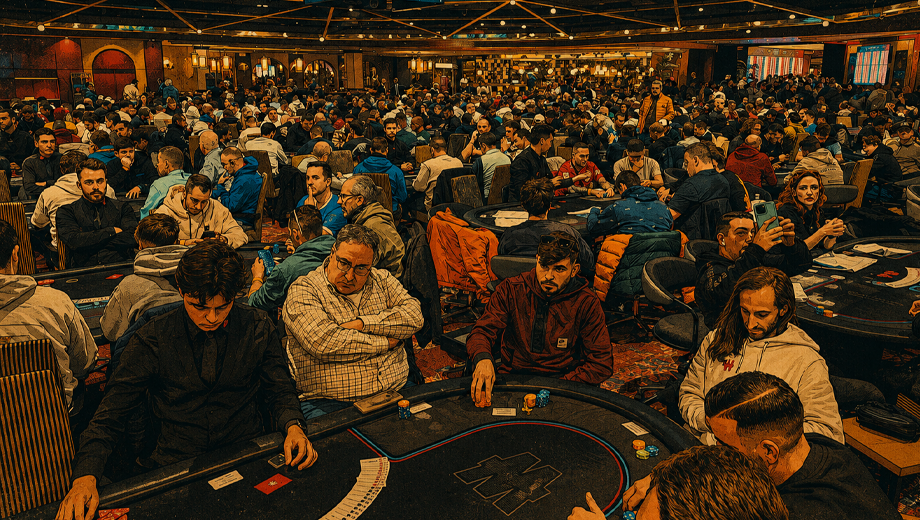
Before I won, online players were second-class citizens. Serious live players thought online poker was checkers. The fact that an online satellite qualifier won the Main Event changed that — not because I was some symbol, but because the result was hard to argue with. ACR Poker runs satellites in that same format year-round. Same concept, different era, different scale.
What didn’t change is harder to explain. I went back to work. I stayed in Nashville. I kept playing cards. The name on my driver’s license was always Moneymaker — that part wasn’t new. The rest of it took a while to understand, and I’m still not sure I’ve fully figured it out.
I don’t want people to hear this story and decide to become professional poker players. That’s not the point. The point is simpler than that: take the shot. See what happens. The worst-case scenario in my situation was losing $86 and going back to being an accountant.
He still plays the Main Event every year. Has since 2003. It’s the one place where the whole story gets compressed into a room — the ESPN clips on monitors, people asking about the bluff, the chip counts from 22 years ago somehow still being a topic of conversation. The rest of the year he barely thinks about it. There’s usually a game somewhere and a flight to catch.
If you want to try qualifying the same way — online satellite, real money on the line, see what happens — the Moneymaker Tour schedule runs live events year-round at accessible buy-ins.
Frequently Asked Questions
How did Chris Moneymaker qualify for the 2003 WSOP Main Event?
He entered an $86 satellite on PokerStars by accident, thinking it was a cash sit-and-go. That satellite fed into a $615 qualifier with 69 players that awarded 3 seats to the Main Event. He won a seat, discovered it was non-transferable, and played.
How many players were in the 2003 WSOP Main Event?
839 players entered the 2003 WSOP Main Event at Binion’s Horseshoe in Las Vegas. The total prize pool was $7,987,860. First place paid $2,500,000. Fewer than 63 players cashed — less than 8% of the field.
What was the famous Sammy Farha bluff at the 2003 WSOP?
Heads-up against Sammy Farha, Moneymaker held 5♦ 4♠ on a board of J♥ 5♣ 4♦ and moved all-in as a complete bluff. Farha folded J♠ face-up. The hand aired on ESPN and became one of the most replayed moments in poker broadcast history.
Did Chris Moneymaker know who Phil Ivey was before the famous hand?
No. Going into the tournament, Moneymaker knew the names of only three players: Phil Hellmuth, Doyle Brunson, and Johnny Chan. He had no idea Ivey was considered the best player in the world at the time. He found out afterward.
What did Chris Moneymaker do after winning the 2003 WSOP?
He flew home the day after winning and went back to his job at a restaurant group the following Monday. The ESPN broadcast didn’t air until August, so most people didn’t know what had happened. He worked for eight more months before leaving — after his boss told him he was wasting his time.
What was the “Moneymaker Effect” on poker?
His 2003 win triggered a massive surge in poker participation. The Main Event grew from 839 players in 2003 to over 8,000 by 2006. His win also legitimized online players — before 2003, online qualifiers were considered second-class citizens at live tables.